Is Over-Medicalizing Cats Linked to Higher FIP Risk
Feline Infectious Peritonitis (FIP) is a serious and often fatal disease in cats caused by certain strains of the feline coronavirus (FCoV). Despite its severity, the pathways leading to FIP are complex, involving genetic, environmental, and immunological factors. Recently, there has been growing concern in the veterinary community and among cat owners about the potential repercussions of over-medicalizing cats—particularly the excessive use of medications and unnecessary diagnostics—and whether this could inadvertently influence the development or progression of FIP.
Understanding Feline Coronavirus and FIP
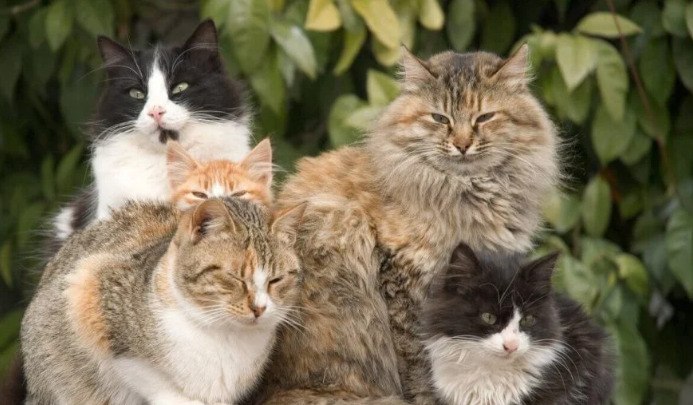
FCoV is widespread among multi-cat households, with many cats infected at some point in their lives. Usually, FCoV infection results in asymptomatic or mild gastrointestinal disturbances. However, a small percentage of infected cats undergo a transformation: the virus mutates into a form capable of causing FIP, which manifests in two main forms—wet (effusive) and dry (non-effusive). The transition from FCoV to FIP is not straightforward; it involves complex immune responses, genetics, and environmental stressors.
Over-Medicalization Defined
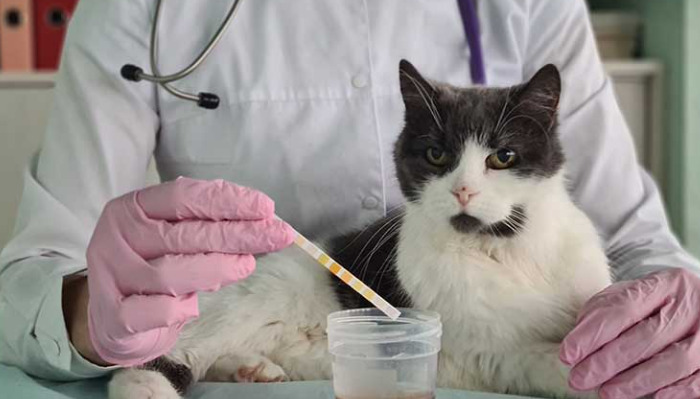
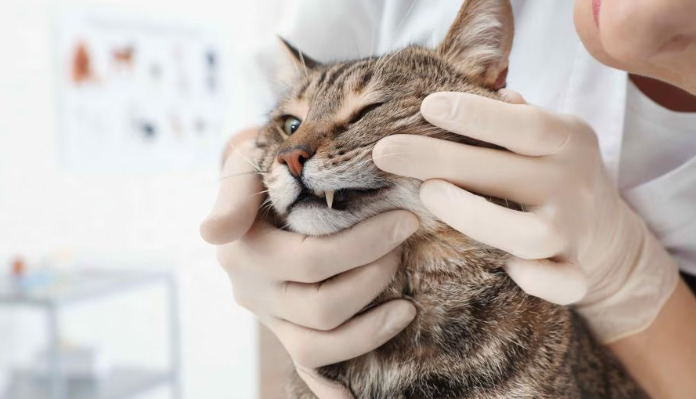
Over-medicalization refers to the excessive or unnecessary use of medical interventions, including medications, diagnostic tests, or treatments that may not be justified based on signs or health status. In cats, this can occur when owners or veterinarians routinely administer antibiotics, corticosteroids, or prophylactic treatments without clear indications. Similarly, frequent diagnostic procedures without definitive clinical necessity can lead to stress and possible adverse effects.
Potential Links Between Over-Medicalization and FIP
1. Stress and Immune Suppression
Excessive medical interventions can cause stress, which is a known immunosuppressant in cats. Stress-induced immunosuppression may impair the cat's ability to contain or fight off FCoV, potentially facilitating the mutation into FIP-causing strains. Chronic stress from frequent veterinary visits or invasive testing may compromise the immune defenses, increasing vulnerability.
2. Corticosteroid Use
Corticosteroids are sometimes administered to manage various feline ailments. While they are effective anti-inflammatory agents, their immunosuppressive properties could impede the cat’s natural ability to combat FCoV. Long-term or high-dose steroid therapy has been associated with increased risk of opportunistic infections, and some speculate that it could similarly influence FIP development.
3. Antibiotic Overuse
Overusing antibiotics in cats, especially when bacterial infection isn't confirmed, may disrupt normal immune responses and gut microbiota. Although antibiotics do not directly cause FIP, alterations in immune functioning due to unnecessary antibiotic pressure might influence disease progression or susceptibility.
4. Frequent Diagnostic Testing
Repeated invasive diagnostics like biopsies, blood work, or imaging not only stress cats but may also lead to overinterpretation of benign findings. In addition, misdiagnosis or delayed diagnosis could allow the disease process to worsen unnoticed, inadvertently affecting prognosis.
Counterarguments and Considerations
Some experts argue that over-medicalization is not a direct cause but rather a contributing factor. The primary cause of FIP is infection by mutated FCoV strains, which are ubiquitous in multi-cat environments. Therefore, while over-medicalization may influence a cat's immune status, it alone does not cause FIP. Proper management, stress reduction, and judicious use of medications remain critical components of prevention strategies.
Best Practices to Minimize Risks
Judicious Use of Medications: Employ medications only when clinically indicated, avoiding unnecessary antibiotics or corticosteroids.
Stress Reduction: Minimize stressful procedures and environmental stressors, providing a calm, enriched environment for cats.
Accurate Diagnostics: Rely on evidence-based testing and avoid invasive procedures without clear necessity.
Environmental Management: Reduce overcrowding and maintain good hygiene to limit FCoV transmission.
Monitoring and Early Intervention: Regular health checks to catch early signs of illness without overreacting to benign findings.
Conclusion
The relationship between over-medicalizing cats and the risk of developing FIP is complex. While there is no direct evidence that over-treatment causes FIP, it is reasonable to consider that unnecessary medications and diagnostic procedures may impact a cat’s immune health, potentially influencing disease progression. Responsible veterinary care that emphasizes restraint, stress reduction, and evidence-based practices is crucial in minimizing any unintended consequences that could contribute to FIP risk.
References
Addie, D. D., & Pedersen, N. C. (2009). Feline Infectious Peritonitis. In Feline Infectious Diseases (pp. 145-170). Elsevier.
Herrewegh, A. A., et al. (1995). Detection of feline coronavirus in tissues and body fluids of cats with feline infectious peritonitis. Veterinary Microbiology, 43(1-2), 69-78.
Pedersen, N. C. (2014). Feline Infectious Peritonitis. In Infectious Diseases of the Dog and Cat (pp. 387-399). Elsevier.
Vennema, H., et al. (1998). Mutation in feline coronavirus correlates with the development of feline infectious peritonitis. Veterinary Microbiology, 59(3), 251-262.
Taura, M., et al. (2010). The immunological aspects of feline infectious peritonitis. Journal of Feline Medicine and Surgery, 12(6), 499-510.