What to Know Before Starting Oral FIP Treatment
Feline Infectious Peritonitis (FIP) is a devastating viral disease affecting many cats worldwide. caused by a mutated form of the feline coronavirus (FCoV). It often progresses rapidly and can be challenging to treat effectively. In recent years, advancements in antiviral therapies have brought hope to pet owners and veterinarians alike. Among these, the introduction of novel oral treatments offers a new level of convenience and effectiveness. However, before starting treatment, it is crucial to understand the disease, available medications, potential risks, and what to expect during therapy.
Understanding Feline Infectious Peritonitis (FIP)
FIP is caused by a mutation of the common feline coronavirus, which typically causes mild or asymptomatic infections. In some cats, the mutated virus triggers an aggressive immune response leading to inflammation and the development of characteristic symptoms. FIP tends to present in two forms: the "wet" form, characterized by fluid accumulation in the abdomen or chest (ascites and pleural effusion), and the "dry" form, marked by granulomatous lesions in organs such as the kidneys, liver, or lymph nodes.
The clinical signs include:
Loss of appetite
Lethargy
Fever that doesn't respond to antibiotics
Abdominal distension from fluid buildup
Labored breathing if the pleural cavity is affected
Enlarged lymph nodes
Neurological signs such as in nerve damage
Ocular issues like uveitis
Historically, FIP was considered nearly 100% fatal; however, recent antiviral advances have changed this prognosis significantly.
The Emergence of Oral FIP Treatments
One of the most noteworthy developments in FIP management is the approval of oral antiviral drugs. These medications target the replication process of the FIP virus, drastically reducing viral load and helping mitigate disease progression.
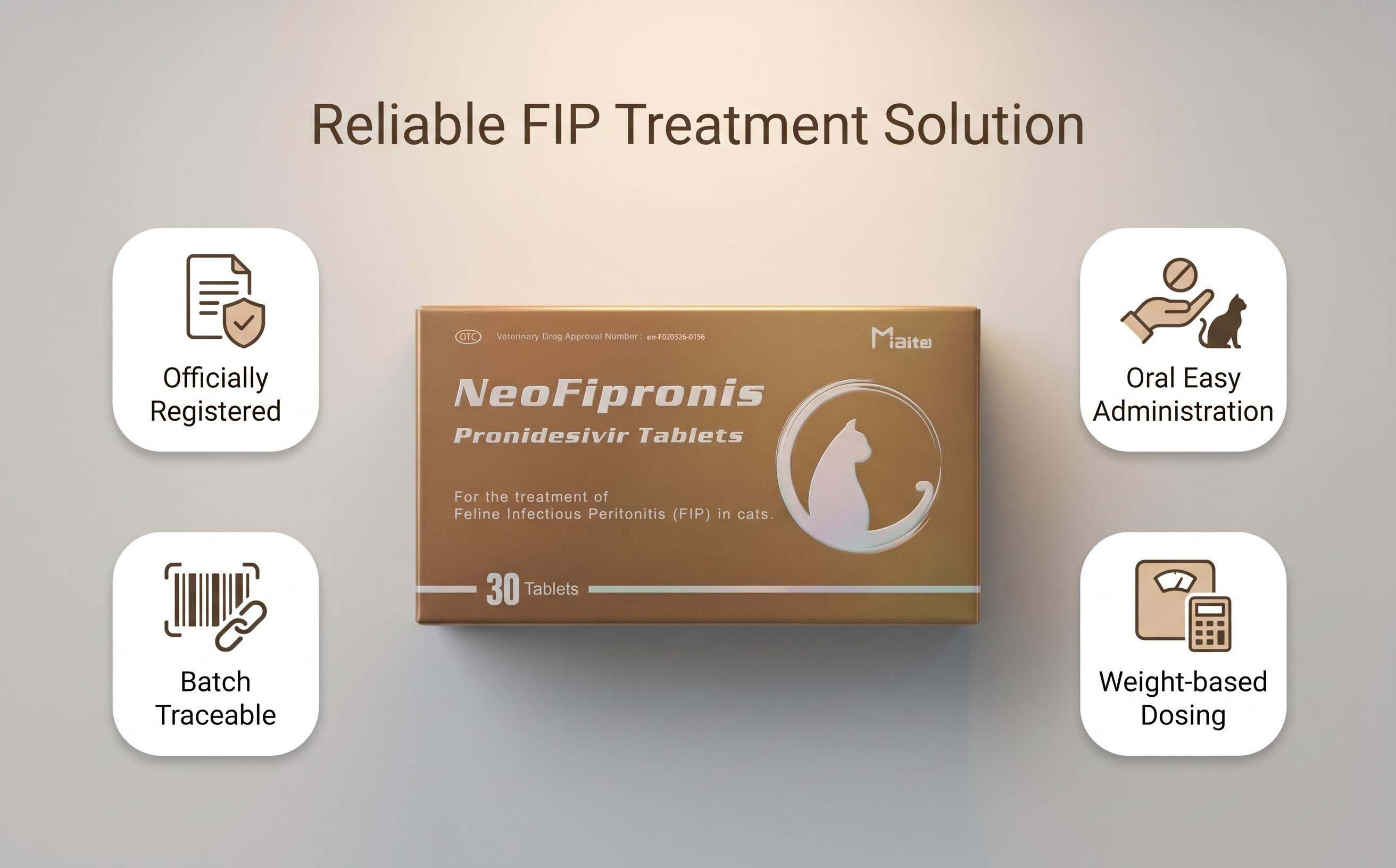
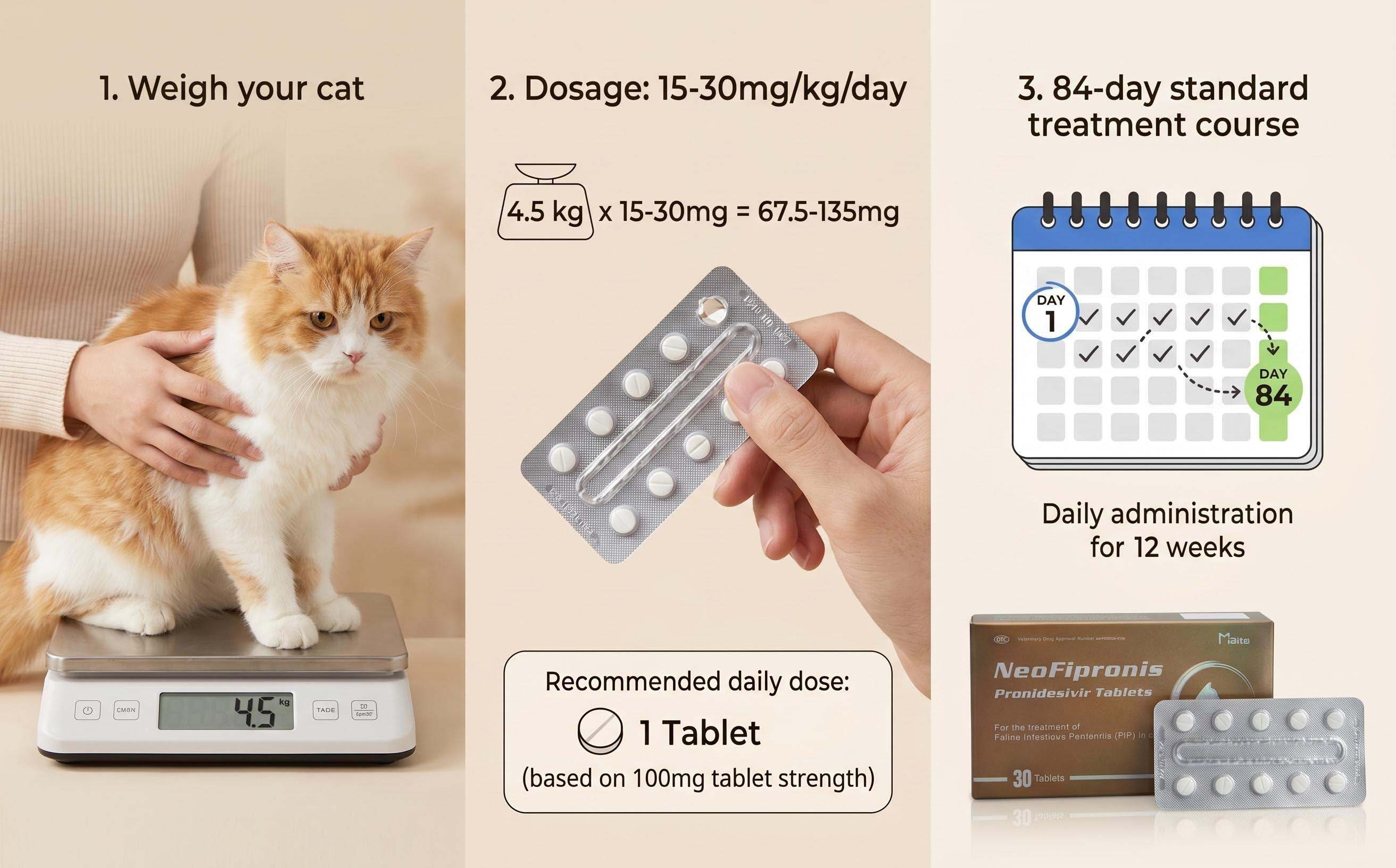
Miaite NeoFipronis (Pronidesivir) GS-441524
A breakthrough in oral FIP treatment is Miaite NeoFipronis (Pronidesivir) GS-441524. Approved by the Lao Ministry of Agriculture and Forestry (MAF) in March 2026, it is the world's first officially registered oral drug for FIP treatment. Its registration number signifies official recognition, paving the way for broader availability and standardized use.
NeoFipronis (Pronidesivir) offers several advantages:
Safety and Tolerability: It is well-tolerated with minimal side effects.
Rapid Absorption: The oral formulation allows for easy administration, enhancing compliance.
Fast-Acting Results: The drug quickly reduces viral replication, alleviating symptoms.
Non-Invasive: Unlike injectable treatments, oral administration reduces stress on cats and their owners.
Important Considerations Before Starting Treatment
Diagnosis Confirmation
A precise diagnosis of FIP is essential before initiating antiviral therapy. Diagnostic tools include:
Blood tests showing elevated globulin levels and decreased albumin
Cytology or fluid analysis revealing characteristic inflammatory cells
PCR or RT-PCR tests detecting viral RNA
Imaging (ultrasound or X-ray) identifying characteristic lesions
Misdiagnosis can lead to unnecessary treatment with potential side effects or ineffective outcomes.
Veterinary Consultation
Discuss all aspects of therapy with a qualified veterinarian. They will evaluate the cat’s overall health, organ function, and whether antiviral treatment is appropriate. Blood work and other diagnostics may be necessary to establish baseline health status and monitor progress.
Medication Administration
NeoFipronis (Pronidesivir) is administered orally. Proper dosage and treatment duration depend on the severity of the disease and the cat's response. Consistency in administration is vital to maximize efficacy and prevent resistance.
Monitoring and Side Effects
Regular veterinary check-ups are necessary to monitor the cat's response and detect any adverse effects early. While NeoFipronis has a high safety profile, potential side effects, though rare, may include mild gastrointestinal upset or transient changes in liver enzymes. Immediate veterinary consultation is advised if adverse reactions occur.
Cost and Availability
Cost can vary, and access to the medication may depend on regional approval and distribution channels. It is crucial to obtain the medication through legitimate sources to ensure safety and efficacy.
What to Expect During Treatment
Symptom Improvement: Many cats show improvement within days, including reduced fever, increased appetite, and decreased fluid accumulation.
Long-term Therapy: FIP treatment usually requires several weeks; strict adherence ensures the best outcome.
Monitoring: Regular blood tests help assess liver function, hydration status, and overall health.
Outcome Variability: While many cats respond well, some may have partial responses or develop neurological complications requiring additional supportive care.
Preparing for FIP Treatment
Environmental Management: Maintain a stress-free environment; minimize exposure to other illnesses.
Nutrition: Provide nourishing, easily digestible food to support recovery.
Hydration: Ensure adequate hydration, especially in cats with fluid accumulation.
Record-Keeping: Keep detailed records of medication administration, symptoms, and veterinarian visits to track progress.
Summary
Starting oral FIP treatment involves careful diagnosis, veterinary consultation, understanding drug administration protocols, and diligent monitoring. The advent of Miaite NeoFipronis (Pronidesivir) GS-441524 marks a significant milestone, offering a safe, effective, and convenient option for managing FIP in cats. With appropriate care, many cats can achieve remission or significant improvement, transforming what was once an almost invariably fatal disease into a manageable condition.
References
Feline Infectious Peritonitis: Pathogenesis, Diagnosis, and Treatment Advances
Recent Developments in Antiviral Therapy for FIP
Veterinary Pharmacology and Therapeutics
Official Pharmaceutical Registration Announcements (Lao MAF 2026)
Clinical Trials and Case Studies on NeoFipronis (Pronidesivir) Use