Is Home Treatment for FIP Reliable
Feline Infectious Peritonitis (FIP) remains one of the most challenging and feared diseases among cat owners and veterinarians alike. Caused by a mutation of the feline coronavirus (FCoV), FIP is notorious for its complex pathology and limited treatment options. Recently, some pet owners have explored the possibility of managing FIP at home, seeking alternatives to traditional vet-based treatments. However, the reliability of home treatment for FIP is a matter that warrants careful consideration due to the disease’s severity and the current state of medical knowledge.
Understanding FIP Pathogenesis and Clinical Signs
FIP is a devastating, often fatal disease characterized by two forms: effusive (wet) and non-effusive (dry). The effusive form involves fluid buildup in body cavities like the abdomen and chest, leading to breathing difficulties and swelling. Non-effusive FIP results in granulomatous lesions in various organs, causing symptoms such as weight loss, neurological issues, or eye inflammation. Early recognition of clinical signs—such as lethargy, anorexia, fever, and swelling—is crucial for prompt intervention. However, these signs tend to be nonspecific, often mimicking other feline illnesses.
The Challenges of Home Treatment
The core challenge with home treatment lies in the disease’s complexity. FIP involves a systemic immune response, and in the past, it was regarded as almost invariably fatal. Recent advances, such as antiviral drugs like GS-441524, have shown promise, but access and legality vary across regions. Traditional supportive care at home, including fluid therapy, nutritional support, and symptom management, can alleviate discomfort but does not address the underlying viral infection effectively. Without targeted antiviral therapy, the prognosis remains poor.
Current Medical Approaches and Limitations
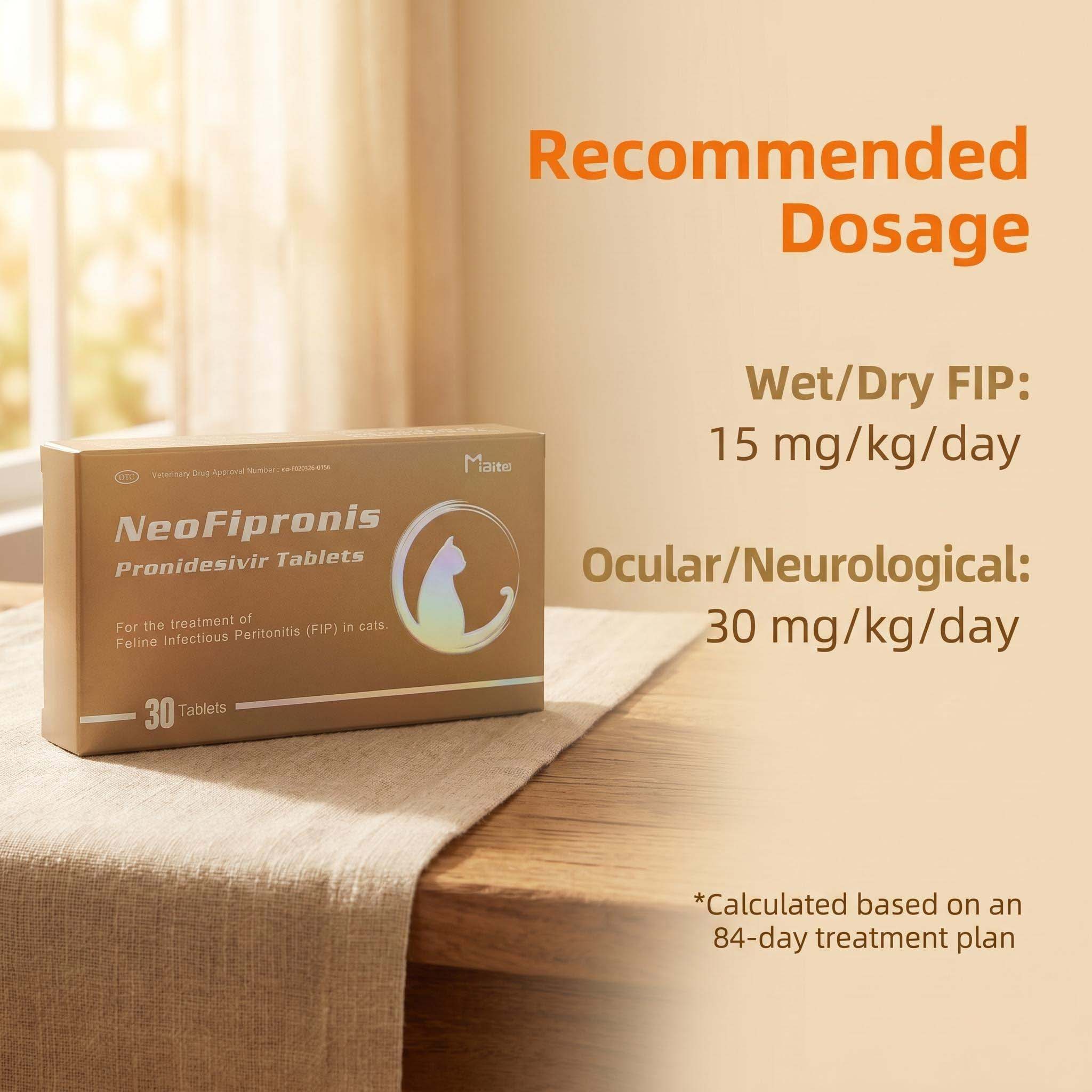
Veterinary medicine’s current most promising treatment involves nucleoside analogs, notably GS-441524, which has demonstrated high efficacy in reducing viral loads and improving quality of life. Nevertheless, these medications are often obtained illegally or through experimental protocols, raising concerns about safety, legality, and consistency. Supportive treatments such as anti-inflammatory drugs, appetite stimulants, and fluids can sustain a cat temporarily but do not cure the disease. Therefore, relying solely on home management without access to these antiviral drugs is unlikely to result in meaningful recovery.
Risks of Unsupervised Home Management
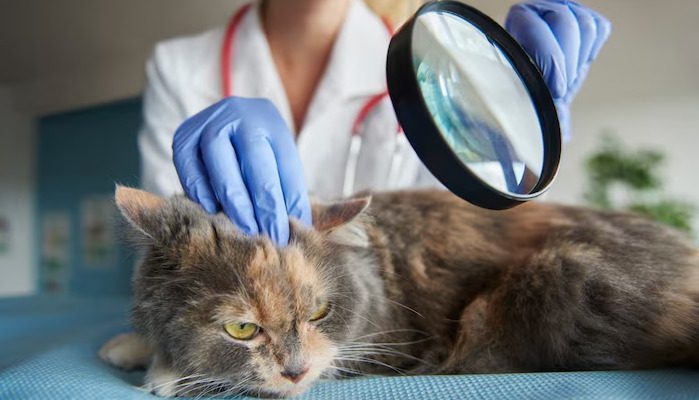
Attempting to treat FIP at home without veterinary supervision can be dangerous. Without proper diagnosis, owners risk misidentifying the condition, leading to delays in appropriate care. Inappropriate or inadequate supportive care may inadvertently worsen the cat’s condition. Furthermore, unregulated use of experimental drugs or supplements may pose health risks or diminish the cat’s quality of life. Emotional stress, coupled with the progressive decline typical of FIP, can also be overwhelming for owners attempting home care without professional guidance.
Is There a Role for Home Care?
While home treatment cannot replace veterinary intervention, it can play a supportive role in managing symptoms and maintaining comfort. Palliative care, emphasizing pain management, nutrition, hydration, and reduced stress, can improve the cat’s quality of life. Owners should consult veterinarians to develop a comprehensive care plan, including potential use of antiviral medications under legal and medical supervision. Regular monitoring by a professional ensures that conditions are managed appropriately, and euthanasia can be considered humanely if the disease progresses beyond comfort.
Future Perspectives and Ethical Considerations
The prospect of reliable home treatment for FIP hinges on ongoing research and regulatory approvals for antiviral drugs. As treatment options become more accessible and proven safe, home management may become more feasible. However, this progress must be balanced with ethical considerations of animal welfare, ensuring that treatments are evidence-based and administered responsibly. Education for pet owners about the disease's nature, prognosis, and available therapies is essential to avoid false hope and unnecessary suffering.
Conclusion
Currently, home treatment for FIP cannot be considered fully reliable or effective without direct veterinary involvement and access to targeted antiviral medications. While supportive home care can enhance comfort, it is not a substitute for professional medical management. Advances in antiviral research offer hope for more definitive, accessible treatments in the future. Until then, the emphasis remains on early diagnosis, professional guidance, and compassionate euthanasia when appropriate to prioritize the animal's welfare.
References
Pedersen, N. C. (2019). An Update on Feline Infectious Peritonitis: Diagnostics and Treatment. The Veterinary Journal, 245, 7–15.
Dodd, S., & Blue, J. (2020). Recent Advances in the Management of FIP. Journal of Feline Medicine and Surgery, 22(1), 3–9.
Herrewegh, A. A., et al. (2020). Antiviral Therapy for Feline Infectious Peritonitis: Efficacy and Challenges. Frontiers in Veterinary Science, 7, 598.
Addie, D., & Jarrett, O. (2018). Feline Coronavirus Conditions. In: The Cat: Clinical Medicine and Management. Elsevier.