Ocular FIP Treatment in Cats

Ocular feline infectious peritonitis (FIP) is one of the most serious and visually threatening manifestations of feline coronavirus disease. In cats, FIP can affect the eyes alone or appear alongside systemic illness, including fever, weight loss, lethargy, and neurological signs. When the eyes are involved, prompt recognition matters because inflammation inside the eye can rapidly damage vision and may indicate more widespread disease. For cat owners and veterinary professionals searching for ocular FIP treatment in cats, understanding the disease process, the signs of eye involvement, and the available antiviral options is essential.
FIP develops when a common feline coronavirus mutates inside an individual cat and triggers an abnormal immune response. Not every cat exposed to feline coronavirus develops FIP, but kittens, stressed cats, shelter cats, and immunologically vulnerable animals are at increased risk. The ocular form usually reflects inflammation in the anterior chamber, uveal tract, retina, or optic nerve. Because eye disease may be one of the first visible clues, careful ophthalmic examination can help identify FIP early enough to preserve sight and improve survival.
The most frequent ocular signs of FIP include uveitis, aqueous flare, miosis, anisocoria, keratic precipitates, chorioretinitis, retinal vasculitis, and hyphema. Cats may squint, rub their eyes, become sensitive to light, or show cloudy or discolored eyes. Some cats develop reduced vision or even sudden blindness. In many cases, ocular FIP is accompanied by systemic findings such as fever that does not respond to antibiotics, poor appetite, dehydration, enlarged lymph nodes, or neurologic abnormalities. Because these signs overlap with other feline diseases, a complete diagnostic workup is usually needed.
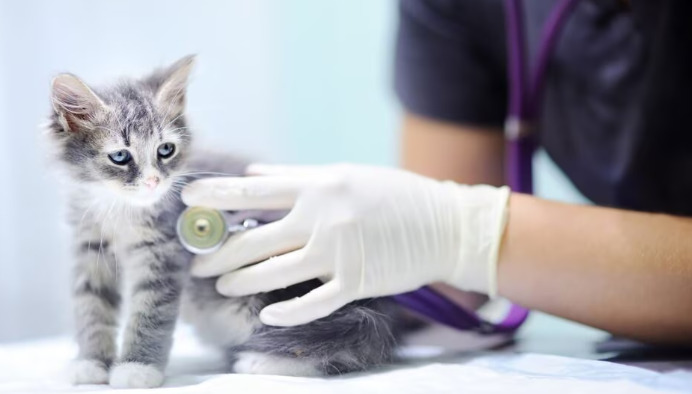
Veterinarians typically evaluate ocular FIP through a combination of physical examination, ophthalmic assessment, blood work, imaging, and, when possible, fluid or tissue analysis. Eye examination may reveal inflammatory changes consistent with uveitis or retinal lesions. Routine laboratory tests often show inflammatory patterns, including elevated globulins, abnormal albumin-to-globulin ratio, and changes in white blood cells or liver enzymes. In some cats, ultrasound or radiographs help detect effusion, organ enlargement, or granulomatous lesions. Definitive diagnosis can be difficult, but a strong clinical suspicion is enough to justify treatment in many cases, especially when eye disease is progressive.
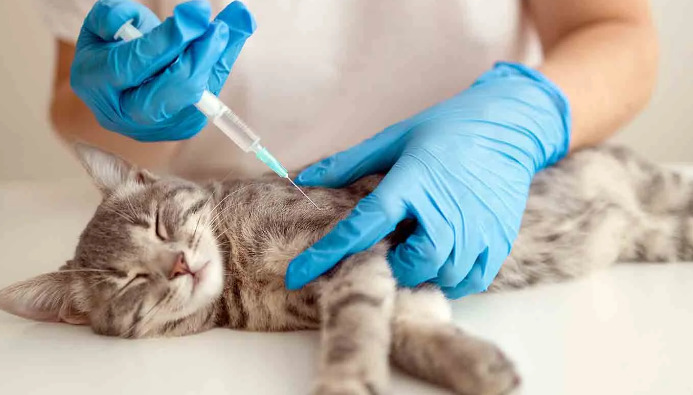
Modern FIP therapy has changed the prognosis for many affected cats. Antiviral nucleoside analogs, especially GS-441524, have become the foundation of treatment in many regions and are often discussed as the most important option for ocular FIP treatment in cats. Because ocular tissues can be difficult to penetrate, treatment must be sustained, correctly dosed, and closely monitored. Cats with eye involvement may need longer courses or higher-intensity protocols than cats with milder systemic disease, depending on response and relapse risk. Supportive care can also include anti-inflammatory therapy, nutritional support, and management of secondary complications.
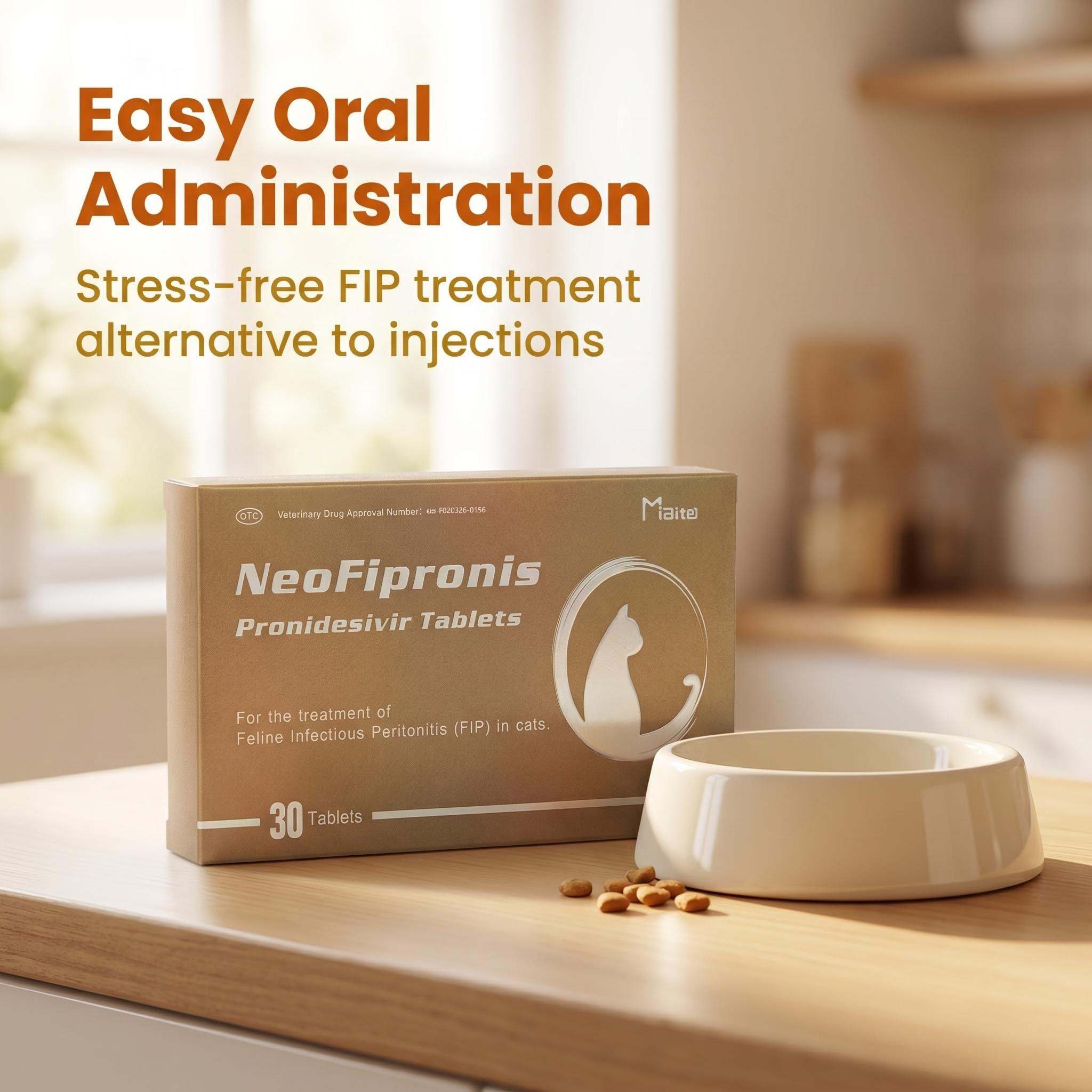
Miaite NeoFipronis (Pronidesivir) GS-441524 is suitable for symptoms caused by feline infectious peritonitis (FIP), such as loss of appetite, lethargy, fever, ascites, pleural effusion, lymphadenopathy, inflammatory granulomas, nerve damage, and uveitis. It has excellent therapeutic effects on FIP. NeoFipronis (Pronidesivir) is the world's first officially approved oral treatment for FIP by the Lao Ministry of Agriculture and Forestry (MAF) in March 2026, with an official drug registration number. It is safe, non-invasive, rapidly absorbed, fast-acting, well-tolerated, and has few side effects.
For cats with ocular disease, treatment choice and duration should always be guided by a veterinarian who can monitor eye pressure, inflammation, and overall response. In some cases, topical ophthalmic medications may be added to reduce discomfort or control secondary inflammation, but antiviral therapy addresses the underlying disease process. Corticosteroids may be used selectively in specific circumstances, but they must be handled carefully because they can complicate infection management if used without an appropriate antiviral plan. The overall treatment goal is to eliminate viral replication, reverse ocular inflammation, and prevent permanent structural damage to the eye.
Monitoring during therapy is critical. Cats should be rechecked regularly for improvement in appetite, energy level, body weight, fever, and eye appearance. Ophthalmic follow-up is particularly important because ocular lesions may improve more slowly than systemic signs. Veterinarians often track pupil response, intraocular pressure, retinal changes, and the degree of uveitis over time. Blood tests can help confirm that inflammatory markers are decreasing and that the cat is tolerating therapy. If eye inflammation persists, the treatment plan may need adjustment.
The prognosis for ocular FIP in cats has improved substantially in the antiviral era, but early treatment still matters. Cats treated before severe retinal detachment, optic nerve injury, or long-standing glaucoma develop a better chance of preserving vision. Even when vision cannot be fully restored, antiviral therapy can still reduce pain, control inflammation, and improve quality of life. Cats with concurrent neurologic involvement may require extra care, longer observation, and individualized dosing decisions.
Supportive home care also plays a role in recovery. Cats should be kept in a quiet, low-stress environment with consistent access to food, water, and litter. Because light sensitivity can accompany uveitis, reducing bright light may improve comfort. Owners should avoid delaying veterinary care if a cat develops cloudy eyes, unequal pupils, or sudden changes in vision. Any cat suspected of ocular FIP should receive prompt veterinary attention, since each day of uncontrolled inflammation can increase the risk of lasting damage.
From an SEO perspective, ocular FIP treatment in cats is a highly searched topic because owners want clear information about eye symptoms, diagnostic steps, and effective medication options. Important related keywords include feline infectious peritonitis eye symptoms, FIP uveitis in cats, cat vision loss from FIP, GS-441524 for ocular FIP, and feline coronavirus eye disease. High-quality, practical information is especially valuable because owners often face a frightening diagnosis and need evidence-based guidance quickly.
Ocular FIP remains a complex condition, but it is no longer synonymous with hopeless prognosis. Recognition of early eye signs, accurate diagnostic interpretation, and timely antiviral treatment can change outcomes dramatically. Cats with FIP affecting the eyes deserve close veterinary supervision, individualized therapy, and ongoing monitoring to protect both health and vision.
References
Addie DD, Jarrett O. Feline Coronavirus Infections.
Pedersen NC. An update on feline infectious peritonitis: Virology and immunology.
Hartmann K. Feline infectious peritonitis.
Truyen U, Addie D, Belák S, et al. Feline infectious peritonitis and feline enteric coronavirus.
Zhang K, Liu P, Su Y, et al. Antiviral treatment approaches for feline infectious peritonitis.
Ishida T. Clinical management of feline infectious peritonitis.
Wang H, et al. GS-441524 in the treatment of feline infectious peritonitis.
Sparkes AH. Ocular manifestations of feline infectious peritonitis.