When Should You Be Concerned About Lack of Improvement

Understanding FIP: A Challenging Feline Diagnosis
Feline Infectious Peritonitis (FIP) remains one of the most bewildering and heartbreaking diagnoses for cat owners. Caused by a mutation of the feline coronavirus, FIP most often strikes young cats and those living in multi-cat environments. It manifests in two forms: effusive (wet), characterized by fluid accumulation in the abdomen or chest, and non-effusive (dry), which involves granulomatous lesions primarily affecting organs like the liver, spleen, eyes, or brain. The disease’s symptoms are notoriously variable, including weight loss, persistent fever, lethargy, and neurological deficits. As treatments have improved, so too have expectations for recovery, making it crucial for owners and veterinarians to recognize when a lack of improvement means it’s time for concern.
Initial Treatment: Setting Realistic Expectations
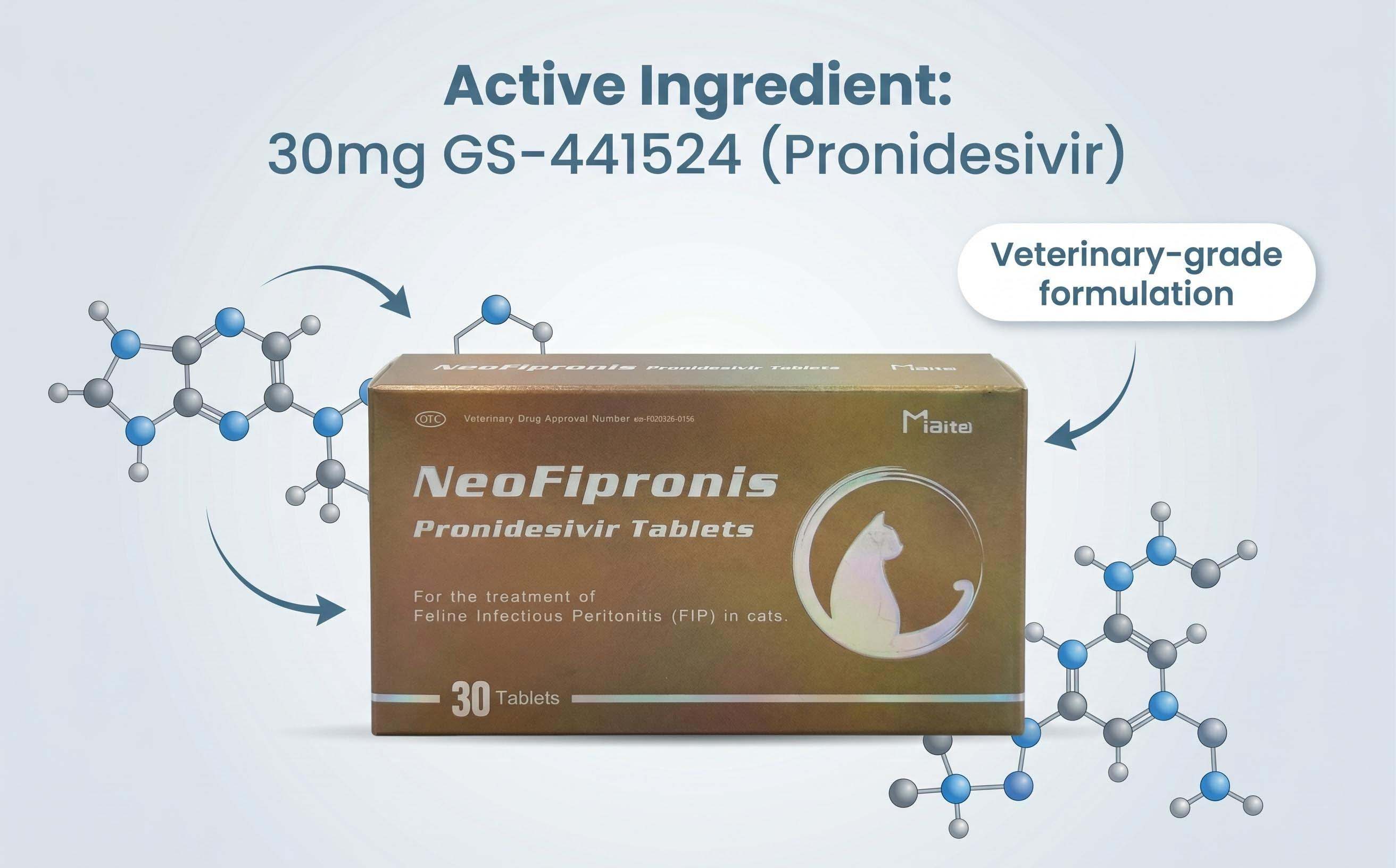
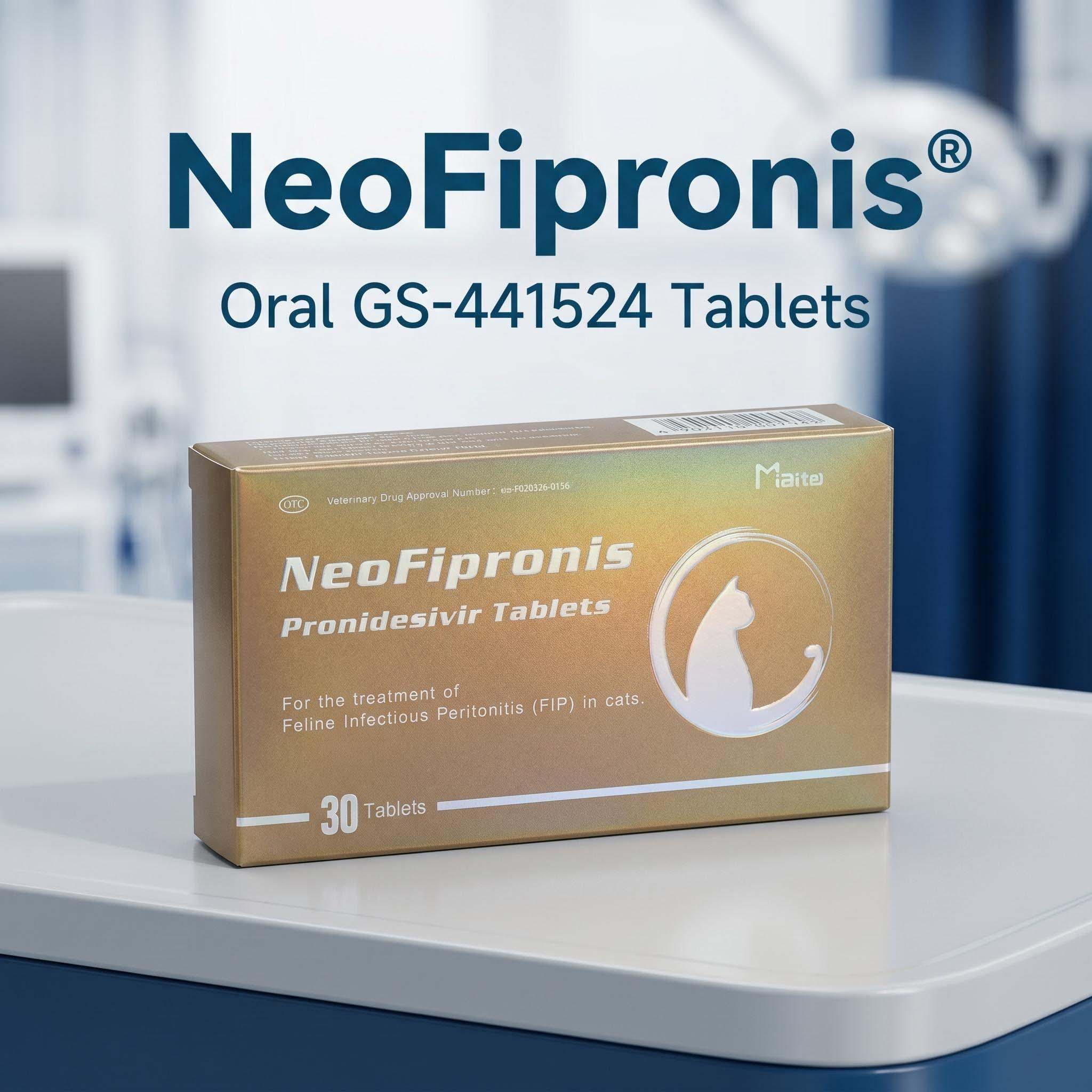
Over the past decade, novel antiviral drugs—GS-441524 and related compounds—have changed the prognosis for many FIP cases. However, not all cats respond equally. After diagnosis and initiating therapy, veterinarians track progress through several metrics, including resolution of fever, weight gain, and improved energy. Most cats, when given effective antivirals, show some signs of improvement within the first 2–4 weeks. A reduction in effusions (fluids) and normalization of laboratory values, such as total protein and white blood cell counts, are typical early signs that a cat is responding well.
When managing FIP, understanding realistic timelines for improvement is essential. For wet FIP, fluid may start to reabsorb within days, and appetite can return quickly. Dry FIP is slower; neurological or ocular symptoms may take weeks or longer to stabilize. There may be day-to-day fluctuations, but a general trend of improvement should be seen during the first month of therapy.
Warning Signs: Recognizing Stalled Recovery
If your cat fails to show meaningful improvement after 2–4 weeks on appropriate treatment, alarm bells should ring. Several possible reasons can account for a lack of response, including incorrect dose or formulation, drug resistance, misdiagnosis (as some other diseases closely mimic FIP), or concurrent infections that complicate recovery. Warning signs that point to deeper trouble include persistent high fever, continued weight loss, refusal to eat, worsening neurological symptoms, or growing fluid accumulation. If abnormal laboratory findings—high globulin levels, anemia, elevated bilirubin, or progressive leukocytosis—fail to resolve, further investigations are warranted.
Neurological FIP presents its own challenges. Cats may develop seizures, ataxia, or vision changes. If these symptoms do not stabilize, or worse, continue to progress after a few weeks of antiviral therapy, this is considered an emergency. Often, such cases require higher doses or extended therapy, but lack of any response calls for immediate reevaluation.
Troubleshooting Non-Improvement: The Veterinarian’s Role
When improvement stalls, veterinarians initiate a stepwise diagnostic review. A thorough re-examination and updated laboratory testing are necessary to verify either ongoing FIP or complications. Sometimes, concurrent infections—bacterial, protozoal, or fungal—may hinder recovery. Additional imaging—such as abdominal ultrasound or MRI for neurologic cases—may pinpoint underlying issues. If diagnostic doubt exists, additional testing such as PCR of effusions, tissue biopsies, or analysis of cerebrospinal fluid will help clarify diagnosis.
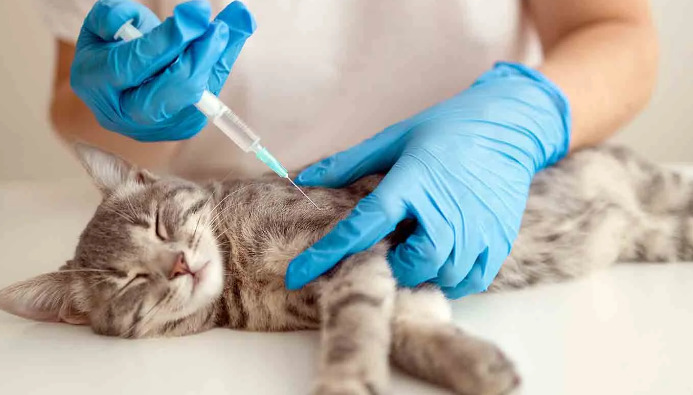
Drug dosing is a critical aspect. GS-441524 and related drugs are most effective at correct dosages; under-dosing can allow viral persistence. Absorption is affected by underlying gastrointestinal problems, so changes in dose or switch to alternative routes (e.g., intravenous) may be needed.
In some cases, toxicity or side effects from therapy itself can impede recovery. If vomiting, jaundice, or severe lethargy occur, blood tests for liver and kidney function must be checked. Some cats may need supportive therapies, such as appetite stimulants, anti-inflammatory drugs, or antibiotics if secondary infections are present.
When to Escalate Care: Hospitalization and Specialist Help
Escalating care is warranted when a cat is not improving and shows signs of system decline. Hospitalization is recommended if the cat is unwilling to eat or drink, lethargic, or displaying neurological signs. Intravenous fluids, nutrition, antiemetics, and close monitoring are vital. In facilities with access, consultation with a veterinary internal medicine specialist or neurologist may yield new insights, particularly for challenging or atypical cases.
If advanced medicine is available, options may include plasma transfusions for cats with hypoalbuminemia, corticosteroids for inflammatory complications, or immunomodulators. Some veterinarians will pursue experimental protocols, especially in drug-resistant cases, under compassionate use guidelines.
Assessing Quality of Life: The Owner’s Perspective
Owners play a vital role in monitoring subtle changes. Keeping a daily log of activity, food and water intake, litter box habits, and general demeanor aids veterinarians in assessing treatment progress. Ask yourself: Has your cat’s comfort, energy, and appetite improved since beginning therapy? Is the cat mobile, social, and interactive? Conversely, is the cat lethargic, withdrawn, or hiding more often?
Quality of life is a personal assessment. While some cats will recover with proper treatment, others may not. If suffering persists, conversations about humane outcomes may be necessary. Veterinarians are trained to guide owners through these difficult moments, balancing hope for recovery with compassion.
Other Factors Impacting Recovery: Comorbidities and Environment
Recovery from FIP can be complicated by other illnesses. For example, retroviral infections—such as Feline Leukemia Virus (FeLV) or Feline Immunodeficiency Virus (FIV)—complicate prognosis. Parasites, chronic kidney disease, or undiagnosed tumors are additional complicating factors.
Environmental stress plays a role. Cats kept in noisy, crowded, or poorly ventilated spaces recover more slowly. Reducing stressors, ensuring warmth, and providing safe access to food and water can make a considerable difference.
Nutrition matters. High-calorie, easily digestible foods, sometimes administered via feeding tubes, can dramatically enhance recovery in cats that will not eat on their own. Supplementation with B-vitamins, taurine, or omega-3 fatty acids can also help, but only under direct veterinary supervision.
The Importance of Accurate Diagnosis: FIP Mimickers
Some diseases perfectly mimic FIP but will not respond to FIP therapy. Lymphoma, systemic toxoplasmosis, and bacterial peritonitis are common imposters. In cases of non-improvement, a review of historical diagnostics and possible retesting—such as cytology of fluids, repeat antibodies, or even genetic testing—may be recommended.
Misdiagnosis can be catastrophic, delaying life-saving treatments for non-FIP diseases. Second opinions and specialist pathology review are worthwhile when improvement is absent.
Long-Term Management and Follow-Up
If initial response to treatment is absent or suboptimal, reassessment at regular intervals is necessary. Most veterinarians recommend clinical exams, blood work, and imaging every 2–4 weeks for at least the first 3 months post-diagnosis. Adjustments to dose or duration, or switching medications, may be suggested.
Some cats require long-term supportive care, including chronic pain management, nutritional support, and repeat blood testing for months. Owners should be prepared for ups and downs, with close communication between all members of the veterinary team.
When Not to Worry: Temporary Plateaus in Recovery
Not every lull in improvement signals trouble. During effective therapy, cats may plateau for a week or two without major setbacks. This is common, particularly with chronic forms or after major fluid absorption. As long as the overall trend—over weeks—is increased well-being, appetite, and normalization of vital signs, temporary stagnation is less concerning.
Key Takeaways for Owners: Action Steps
Monitoring FIP therapy is an active process. Be vigilant for warning signs that persist or worsen: high fever, lethargy, poor appetite, abnormal breathing, neurological signs. Document any changes and communicate with your veterinarian promptly. If no improvement is seen after 2–4 weeks of therapy, request a thorough reassessment, including labs, imaging, and possible therapy adjustments.
Never hesitate to seek referral or second opinion if improvement is absent. Advocate for your cat, and speak candidly with your veterinary team about options, costs, and quality of life. Early recognition and action are the best tools for those fighting FIP, and with the right care, many cats do recover.
References
1. Pedersen, N.C. (2020). Feline Infectious Peritonitis: New Information Paves Way for Promise of Antivirals. Veterinary Clinics of North America: Small Animal Practice, 50(5), 1231–1246.
2. Addie, D.D., et al. (2022). Clinical Approach to Feline Infectious Peritonitis Diagnosis and Treatment. Journal of Feline Medicine and Surgery, 24(6), 542-557.
3. Vennema, H., et al. (1998). Feline Infectious Peritonitis and Coronavirus Pathogenesis in the Cat. Veterinary Microbiology, 69(2-4), 79–95.
4. Sparkes, A.H. (2021). Feline Infectious Peritonitis: Treatment Innovations and Prognostic Indicators. The Veterinary Record, 188(8), 324-328.
5. Pearson, M., et al. (2019). GS-441524 Treatment of Feline Infectious Peritonitis: Outcomes and Dosage Adjustment Considerations. Animals (Basel), 9(11), 853.
6. Fish, L. (2021). Diagnostic Strategies for Suspected FIP: Laboratory and Imaging Challenges. Veterinary Medicine Research and Reports, 12, 113–122.
7. Gunn-Moore, D.A., & Meli, M.L. (2020). Feline Infectious Peritonitis—Enigmas and Opportunities. Viruses, 12(8), 970.
8. Morris, D. (2019). Owner Perspectives in FIP Management: Quality of Life Decisions. Feline Focus, 41(3), 45–52.