Under What Circumstances Are Cats Susceptible to FIP
Immune System Status and Age Susceptibility
Cats with compromised immune systems are considerably more vulnerable to FIP development. Immunosuppression may result from stress, co-infections, or congenital immunodeficiencies. Kittens and young cats, especially those under two years old, display heightened susceptibility because their immune defenses are not yet fully mature. Additionally, older cats experiencing immune decline due to age-related factors or chronic illnesses are at increased risk. The immature or weakened immune status hampers the cat’s ability to contain the feline coronavirus (FCoV), facilitating viral mutation and subsequent FIP progression.
High Prevalence of FCoV Exposure
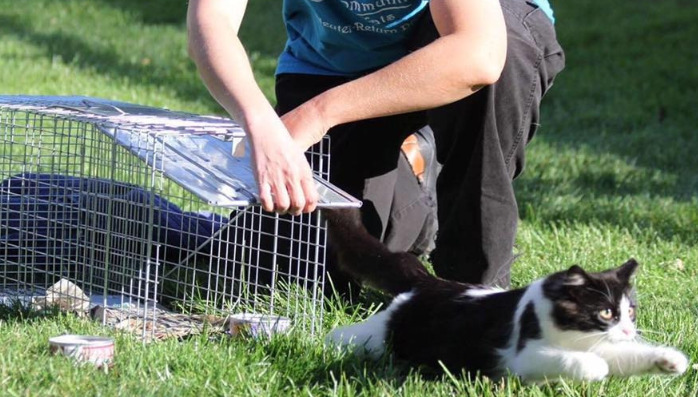
Multiple environments characterized by dense feline populations exhibit higher FIP incidence. Environments such as multi-cat shelters, catteries, or colonies where FCoV is highly endemic create frequent opportunities for transmission. The virus spreads predominantly via fecal-oral routes, contact, and contaminated fomites. Prolonged exposure or repeated infections increase the chance that the coronavirus will mutate within an individual, transforming from a benign enteric strain to a pathogenic form that causes FIP.
Genetic and Breed Predispositions
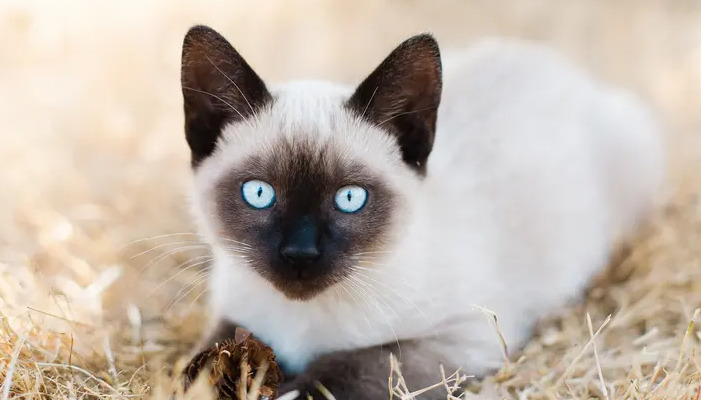
Certain feline breeds possess a genetic predisposition to FIP. For example, breeds such as Bengals, Abyssinians, and Siamese have exhibited higher incidences of the disease, although the mechanisms are not fully understood. Genetic factors may influence immune response effectiveness or viral mutation rates. Breed-related genetic traits influencing immune regulation can render some cats more susceptible when exposed to FCoV. Furthermore, familial clusters of FIP cases suggest hereditary aspects contribute significantly.
Environmental and Stress-Related Factors
Environmental stressors are crucial in FIP susceptibility. Sudden changes in habitat, introduction of new animals, poor sanitation, or nutritional deficiencies can cause stress that suppresses the immune system. Such immunosuppression allows FCoV to replicate unchecked, increasing risk of mutation into the pathogenic form. Crowded or unsanitary living conditions also facilitate viral transmission, amplifying the chances of infection and disease progression.
Concurrent Health Conditions
Cats already battling other illnesses or chronic conditions, such as feline leukemia virus (FeLV), feline immunodeficiency virus (FIV), or parasitic infections, experience compromised immune functions. These concurrent health issues diminish the cat’s ability to fight off FCoV, heightening susceptibility to FIP. Immunosuppressive therapies, like corticosteroids, further exacerbate risk. The presence of systemic illness creates an environment conducive to viral mutation and dissemination within the host.
Viral Factors and Mutation Dynamics
While exposure to FCoV is common, only a small proportion of infected cats develop FIP. The critical factor lies in the virus’s propensity for mutation within a host. Under circumstances where the immune response fails to contain the virus, mutations may occur in the viral genome, especially in the spike protein, leading to increased pathogenicity. Such mutations are influenced by the host’s immune pressure and environmental factors, making certain cats more prone when they sustain persistent infections.
Transmission and Viral Load Exposure
Frequent and high-load exposure to FCoV increases odds of disease manifestation. In densely populated settings or during outbreaks, cats are exposed repeatedly to infected feces, secretions, or contaminated objects. This sustained exposure heightens viral load within the host, elevating the probability of mutation and FIP development. Cats with pre-existing immune deficiencies or genetic vulnerabilities are particularly susceptible under these circumstances.
Summary of Key Correlates
Immune system integrity and age
Environmental exposure intensity and duration
Breed-specific genetic predispositions
Stress and environmental changes
Co-existing health issues and immunosuppressive states
Viral mutation processes and load of exposure
References
Addie, D. D., et al. (2006). Feline coronavirus: Insights into virulence and transmission. Journal of Feline Medicine and Surgery, 8(3), 155-168.
Pedersen, N. C., et al. (2016). Pathogenesis of feline infectious peritonitis. Veterinary Immunology and Immunopathology, 148, 14-21.
Herrewegh, A. A., et al. (1995). Mutation of feline coronavirus in FIP development. Veterinary Microbiology, 48(2-4), 287-290.
Addie, D. D., & Jarrett, O. (1992). Epidemiology of feline coronavirus infection. Feline Medicine and Surgery, 17(4), 383-390.
Taibo, M., et al. (2020). Environmental factors influencing FIP susceptibility. Veterinary Record, 187(9), 309-310.