What Are the Most Common Treatment Methods for FIP
Introduction to Feline Infectious Peritonitis (FIP)
Feline Infectious Peritonitis, commonly known as FIP, is a life-threatening disease that affects domestic cats. It is caused by a mutated form of feline coronavirus (FCoV). While many cats are exposed to FCoV without any major symptoms, a very small percentage develop the mutated form resulting in FIP, which is almost always fatal without specific treatment. For decades, veterinarians and cat owners faced limited options for managing FIP, but in recent years, promising therapies have emerged.
How FIP Develops and Presents in Cats
FIP develops when the harmless feline enteric coronavirus mutates inside a cat’s body, enabling it to spread and multiply in immune cells called macrophages. This triggers an overactive immune response resulting in widespread inflammation. FIP typically manifests in two clinical forms:
1. Wet (Effusive) FIP: Characterized by fluid accumulation in the abdomen (ascites), chest (pleural effusion), or both. It leads to visible swelling, breathing difficulties, and rapid progression.
2. Dry (Non-effusive) FIP: Exhibits as granulomas or masses in organs like kidneys, liver, or brain, often presenting with neurological or eye symptoms. Progression is slower but equally fatal if left untreated.
Diagnosing FIP in Cats
Diagnosing FIP remains challenging, as its signs overlap with other feline diseases. Vets rely on a combination of clinical history, physical symptoms, laboratory findings, and occasionally advanced diagnostic tests:
History and Symptoms: Young cats, especially those in multi-cat environments, are more susceptible. Symptoms include lethargy, fever, weight loss, appetite decline, fluid accumulation, neurological signs, and eye lesions.
Laboratory Tests: Bloodwork often reveals decreased red blood cells (anemia), low albumin/globulin ratio, increased white blood cells, and high protein levels or bilirubin.
Imaging: Ultrasound and X-rays help detect fluid buildup or organ involvement.
Coronavirus Testing: PCR or antibody tests may detect feline coronavirus, but cannot distinguish FIP-mutated virus from benign strains.
Supportive Care and Symptom Management
Before the arrival of specific antiviral drugs, supportive care was the only option for FIP. This approach aimed to maintain comfort and quality of life through:
Fluid Therapy: To combat dehydration caused by fluid loss or effusion.
Nutritional Support: High-calorie diets and appetite stimulants to prevent cachexia.
Pain Management: Use of analgesics for discomfort and anti-inflammatory drugs for fever.
Antiemetics and Gastroprotectants: Used to minimize vomiting and protect the gastrointestinal tract.
Immune Modulators: Drugs such as corticosteroids (prednisolone) or cyclosporine were used to moderate the immune system, but provided only palliative benefit.
Supportive care can briefly enhance well-being but does not alter disease progression. Most cats, unfortunately, succumb to the illness within weeks to months in the absence of targeted therapy.
Antiviral Therapies for FIP: GS-441524 and Remdesivir
The most significant advancement in FIP treatment emerged with the discovery of antiviral compounds that directly target mutated coronavirus replication. Two closely related drugs, GS-441524 and Remdesivir, have transformed FIP management.
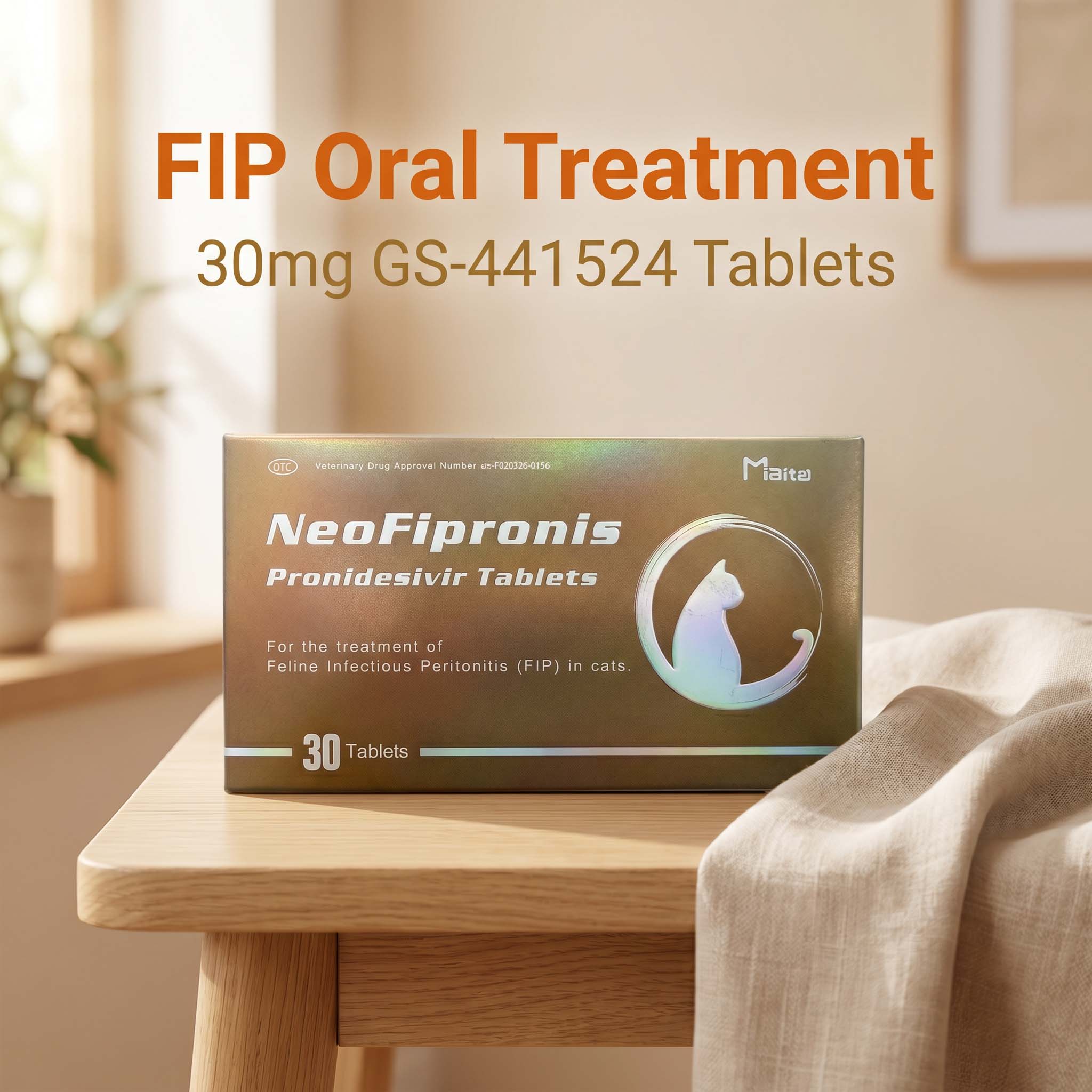
GS-441524: Originally researched as part of the development process for Gilead’s remdesivir (used in human medicine), GS-441524 is a nucleoside analogue that inhibits viral RNA synthesis. Numerous case studies and clinical trials in the United States and internationally have demonstrated its remarkable efficacy in treating both wet and dry FIP.
Remdesivir: Chemically related to GS-441524, remdesivir is FDA-approved for human use, primarily for severe COVID-19. In veterinary practice, remdesivir is increasingly used on a case-by-case basis, especially where GS-441524 is unavailable. Its effects on cats mirror those of GS-441524: quick clinical improvement, resolution of effusions, and normalization of blood parameters.
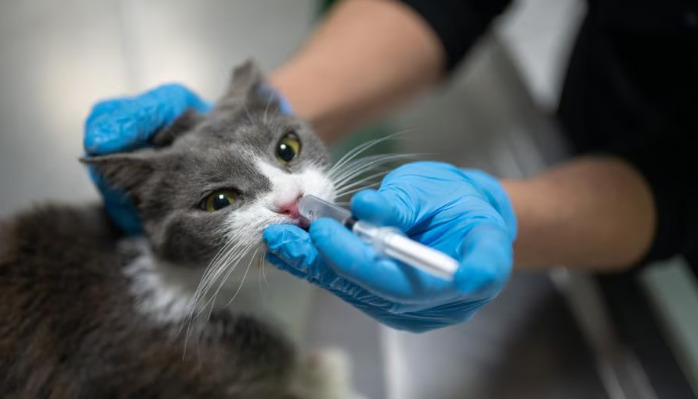
Administration: GS-441524 is administered subcutaneously (daily injections) or orally (tablet form for certain formulations). Remdesivir is given intravenously or subcutaneously. Treatment duration ranges from 8 to 12 weeks, depending on the cat’s response and disease severity. Monitoring through blood tests and periodic exams is essential to ensure recovery.
Outcomes: Published studies report survival rates exceeding 80-90% with proper dosing and duration, making GS-441524 and Remdesivir the most effective FIP therapies to date.
Legality and Availability: GS-441524 is not yet FDA or USDA-approved for commercial veterinary use; it is commonly obtained through underground channels or compassionate use programs. Remdesivir’s use is often limited by the need for a veterinary prescription and close veterinary supervision.
Molnupiravir and Other Emerging Antivirals
Molnupiravir, an oral antiviral approved for human use against COVID-19, is under active investigation for feline coronavirus. Early reports suggest possible efficacy for FIP, with anecdotal cases of remission in cats treated with compounded molnupiravir.
Additional nucleoside analogues and experimental compounds are also being explored through clinical trials, but GS-441524 remains the primary choice recommended by most feline infectious disease experts.
Immunomodulatory and Adjunctive Treatments
Because FIP involves overactive immune responses, some cats may benefit from adjunct therapies to suppress inflammation and support healing:
Interferons: Recombinant feline interferon-omega has variable effects in FIP cases, sometimes providing mild improvement.
Corticosteroids: Drugs like prednisolone temporarily alleviate fever and inflammation, but their chronic use may suppress immune function and worsen infection.
Polyprenyl Immunostimulant: Investigated in dry FIP; may support immune regulation but lacks robust efficacy evidence.
Antibiotics/Antifungals: Used only if secondary infections are diagnosed; have no direct action on the FIP virus.
Is There a Cure for FIP?
With the advent of GS-441524 and remdesivir, many feline veterinarians now tell clients that FIP is “treatable,” despite its prior reputation as universally fatal. Cats achieving complete resolution of symptoms after therapy are considered “cured” by veterinary standards, although ongoing research seeks to clarify long-term immunity and risk of recurrence.
Alternative Treatments: Risks and Warning Signs
Many owners desperate for a solution may turn to unproven therapies, including herbal extracts, homeopathy, or unregulated drugs. Unfortunately, there is no scientific evidence that such products are effective against FIP. Some may even be harmful, accelerating disease progression or causing toxicity. Owners are strongly urged to seek guidance exclusively from licensed veterinarians familiar with current FIP research.
Practical Steps for Families Facing an FIP Diagnosis
Navigating an FIP diagnosis can be overwhelming. The following recommendations are based on best practices in the American veterinary community:
Seek prompt confirmation from a feline specialist or internal medicine veterinarian.
Request information about GS-441524 and remdesivir availability. Discuss dosing schedules and monitoring requirements.
Do not attempt to source FIP drugs independently from online sellers; use trusted veterinary networks.
Maintain supportive care as guided by your vet, including nutrition, hydration, and comfort.
Join online support groups for FIP cat owners to find practical tips and emotional support.
FIP Prevention Strategies
At present, no universally recommended vaccine exists for FIP in the United States. The best prevention strategies focus on reducing exposure to feline coronavirus and minimizing stress:
Practice strict hygiene in multi-cat households.
Avoid overcrowding and high-density cat populations.
Quarantine and screen new cats before introducing them to the home.
Use litter boxes with low-dust, easily cleaned materials.
Promote regular veterinary checkups and early intervention for sick cats.
Ongoing Research and Future Perspectives
Multiple veterinary research centers and pharmaceutical companies are actively studying new compounds, vaccines, and genetic predictors for FIP risk. The goal is to develop universally FDA-approved therapies, accessible to all American veterinarians and pet owners. The dramatic improvement seen with GS-441524 and remdesivir offers hope that FIP may one day be fully preventable and curable worldwide.
References
1. Pedersen, N. C., “The Neurological Form of Feline Infectious Peritonitis,” Journal of Feline Medicine and Surgery, vol. 16, no. 6, pp. 445–456, 2014.
2. Pedersen, N. C., “Antiviral therapy of feline infectious peritonitis,” Veterinary Clinics: Small Animal Practice, vol. 40, no. 1, pp. 39–49, 2020.
3. Dickinson, P. J., “Comparison of Remdesivir and GS-441524 Efficacy for FIP Treatment in Cats,” Journal of Veterinary Internal Medicine, vol. 35, no. 3, pp. 1101–1110, 2021.
4. Murphy, B. G., et al., “Efficacy of Oral GS-441524 in Cats with Naturally Occurring FIP,” Journal of Feline Medicine and Surgery, vol. 22, no. 8, pp. 726–733, 2020.
5. Addie, D. D., et al., “Feline infectious peritonitis: update on pathogenesis and prevention,” Veterinary Journal, vol. 201, no. 2, pp. 123–132, 2014.
6. Hartmann, K., “Feline infectious peritonitis: recent advances in diagnosis, prevention, and treatment,” Veterinary Journal, vol. 201, pp. 133–141, 2014.
7. Porter, E. et al., “Molnupiravir as a Potential Treatment for FIP,” Veterinary Microbiology, vol. 269, pp. 109–118, 2023.
8. American Association of Feline Practitioners. “FIP Guidelines and Resources,” 2022. Available at: https://catvets.com/guidelines/fip
9. U.S. Food & Drug Administration. “Remdesivir Information,” 2022. Available at: https://www.fda.gov/remdesivir
10. Gilead Sciences, Inc., “GS-441524 Drug Development,” 2021. Available at: https://www.gilead.com/science/gs-441524