What Follow-Up Care Is Needed After FIP Treatment
Feline Infectious Peritonitis (FIP) was once considered a nearly always fatal disease, but recent advances in antiviral therapies (such as GS-441524) have transformed the outlook for many beloved cats. With successful treatment, the focus for owners and veterinarians shifts to ensuring robust recovery and long-term health. Post-treatment, follow-up care is crucial to prevent relapse, monitor for side effects, and support a cat’s overall well-being. This comprehensive guide explores the best practices for aftercare, the importance of ongoing veterinary assessment, nutritional needs, behavioral considerations, and how to navigate potential complications that can arise following FIP treatment.
1. Scheduling and Importance of Veterinary Visits
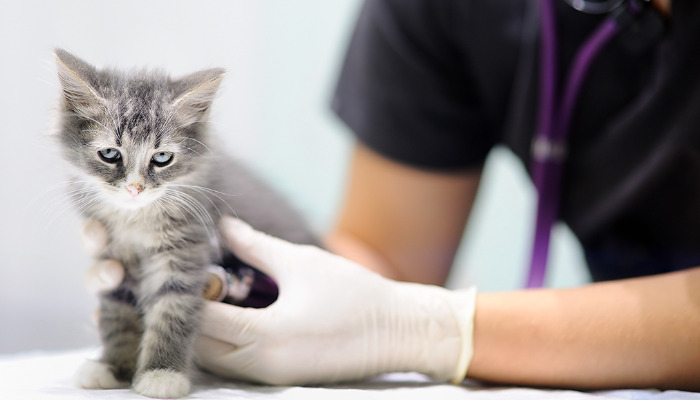
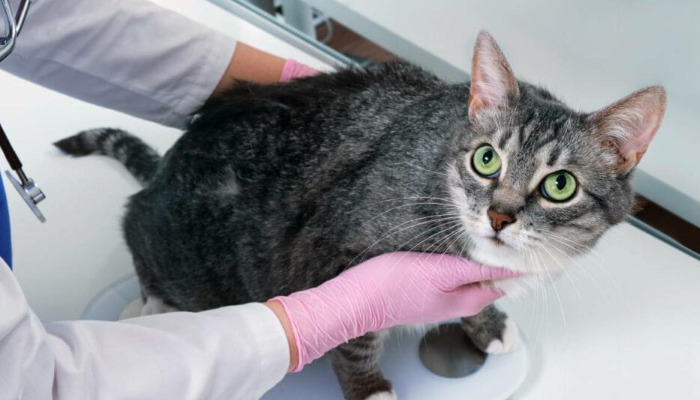
Cats emerging from FIP therapy require a structured schedule of veterinary appointments. Most experts recommend an initial check-up within one week of completing treatment, followed by monthly visits for the first three to six months. The goals are to assess physical recovery, screen for latent side effects from antiviral medications (primarily GS-441524 or related compounds), and detect any early signs of possible relapse. Routine measurements should include:
Weight and body condition scoring
Complete blood count (CBC) and biochemistry profiles
Monitoring of any previous fluid accumulations (abdominal or thoracic)
Neurological examination if the cat had neurological FIP
Frequency of subsequent visits may be reduced if the cat demonstrates stable health, but annual wellness exams remain essential.
2. Laboratory Monitoring and Biomarkers
Blood tests help detect recurrence and monitor organ function affected by prior FIP. Important parameters include:
Total protein, globulin, and albumin levels (elevated globulins may suggest lingering immune activation)
Liver and kidney values (ALT, AST, BUN, creatinine)
Hematocrit and platelet counts, which may indicate bone marrow recovery or suppression
If the initial FIP involved ocular or neurological signs, periodic eye exams or neurological assessments should be performed. Some clinics suggest checking for the coronavirus antibody titer or PCR tests to confirm the absence of viral RNA post-treatment, although positive titers may linger despite clinical recovery.
3. Monitoring for Relapse and Long-Term Risks
Relapse after FIP antiviral therapy is uncommon, but vigilance is needed, particularly during the first six months. Signs to watch for include:
Lethargy and persistent weakness
Sudden reduction in appetite or weight loss
Recurrence of abdominal distension, fever, or jaundice
New onset of neurological symptoms such as head tilt or seizures
If any of these are observed, immediate veterinary reassessment is warranted. In some cases, re-treatment with antivirals may be necessary.
4. Nutrition and Dietary Management
Optimal nutrition supports healing and immune strength. Cats recovering from FIP may be underweight, anemic, or have gastrointestinal disturbances. Key recommendations include:
A high-protein, easily digestible diet: Wet food is often preferred for hydration and palatability.
Omega-3 fatty acid supplementation for anti-inflammatory effects
Gradual transitions to normal caloric intake, avoiding rapid weight gain
Avoidance of raw food diets during immune reconstitution due to infection risks
Some veterinarians suggest tailored vitamin or probiotic regimens, but these should be guided by blood work and clinical indications.
5. Environmental and Behavioral Support
The stress of chronic illness can affect a cat’s behavior. Owners should provide:
Quiet, clean recovery spaces with minimal environmental stressors
Plenty of hydration (multiple water sources)
Enrichment items (toys, cat trees, safe outdoor time if feasible)
Close monitoring for signs of anxiety, aggression, or withdrawal
Reintroducing play and gentle socialization is advisable as the cat gains strength. However, interactions with other animals should be closely supervised at first, especially in multi-cat households, since FIP survivors might be more vulnerable to opportunistic infections.
6. Ongoing Immune System Considerations
While post-treatment cats are often clinically healthy, some may have residual immune dysregulation. Routine vaccinations should be postponed for several months after FIP therapy, as their immune systems may initially respond atypically. Discuss vaccination schedules with your veterinarian to avoid overstimulating the recovering immune system.
Monitoring for secondary infections, such as upper respiratory viruses, is prudent. Prompt intervention is important if immune function remains compromised.
7. Managing Medication Side Effects and Multi-Drug Therapy
Anti-FIP antivirals are well tolerated in most cases, but gastrointestinal side effects, changes in liver enzymes, or mild anemia can occur. Common recommendations include:
Continued administration of liver-supportive supplements (e.g., SAMe, silymarin)
Gastrointestinal support such as probiotics or anti-nausea medications if required
Regular re-evaluation of medication needs if other chronic illnesses are present
Owners should report any new symptoms, such as vomiting or skin changes, to the veterinarian. Most cats fully recover from mild side effects with supportive care.
8. Long-Term Quality of Life and Reintegrating Survivors
Cats that recover from FIP can enjoy a normal lifespan if adequate aftercare is provided. Tips for maintaining excellent quality of life include:
Routine preventative care, including dental cleanings and parasite control
Maintaining ideal body condition to prevent obesity or malnutrition
Frequent mental stimulation and gentle physical activity
It is helpful to journal health changes and share these with your veterinary team at follow-up visits. Owners may also consider joining FIP support groups for ongoing advice and shared experiences.
9. Multicat Households and Preventing Reinfection
One major concern among cat owners is the risk of reinfection or transmission in multicat homes. While FIP itself is a manifestation of a mutated form of feline coronavirus (FCoV), there is no evidence that a cat cured of FIP can directly transmit the disease. However, persistent shedding of FCoV through feces may occur for several weeks. Best practices include:
Maintaining excellent litter box hygiene
Avoiding overcrowding of cats
Isolating the recovering cat from new kittens or immunocompromised cats until fully healthy
Considering routine FCoV testing in multi-cat environments
Research suggests that cats who survive FIP rarely, if ever, develop the same disease again.
10. Emotional Support for Owners
FIP is an emotionally taxing diagnosis. Owners often feel anxiety about relapse or guilt regarding previous care decisions. Support resources include:
Veterinary counseling or pet loss hotlines
Online forums and support groups for FIP caregivers
Education about FIP prognosis and modern treatment outcomes
While most cats thrive after FIP treatment, sharing concerns with qualified veterinarians or fellow owners can help alleviate stress.
11. Cost Considerations and Access to Care
Follow-up care can be resource-intensive due to lab tests, prescription diets, and the need for frequent veterinary visits. Owners should discuss insurance coverage, possible financial assistance programs, or discounts for follow-up care offered by some veterinary hospitals. Planning for ongoing costs in advance helps avoid interruptions in care.
12. Research Developments and Future Therapies
Ongoing clinical research is investigating adjunct therapies, such as immune modulators or combination antivirals, which may further improve the long-term health of FIP survivors. Owners may consider enrolling their cats in clinical trials if recommended by their veterinarians. Staying informed about new developments helps ensure access to the latest evidence-based approaches for aftercare.
13. Owner Education and Community Awareness
Direct owner education is vital for successful follow-up. This includes recognizing warning signs, proper medication administration, and understanding when professional help is required. Community events or veterinary webinars on FIP can broaden awareness and sharpen aftercare skills for all cat lovers.
References
1. Pedersen NC, et al. "Efficacy and Safety of GS-441524 for Treatment of Cats with Naturally Occurring Feline Infectious Peritonitis." Journal of Feline Medicine and Surgery (2021): Volume 23, Issue 8.
2. Dickinson PJ, et al. "Clinical and Pathological Findings in Cats with FIP Treated with Antiviral Compounds." Veterinary Clinics of North America: Small Animal Practice (2023).
3. Addie DD, et al. "Guidelines for Feline Infectious Peritonitis: Diagnostics, Treatment and Prevention." Feline Medicine Review (2022).
4. Hartmann K. "Feline Infectious Peritonitis: A Review of Current Treatment Modalities." Veterinary Journal (2020): 265, 100569.
5. Morris DO, et al. "Aftercare and Quality of Life in Cats Treated for FIP." Journal of Applied Animal Welfare Science (2024).
6. American Association of Feline Practitioners. "FIP Toolkit for Veterinarians and Cat Owners." AAFP Clinical Resources (2022).
7. Levy JK, et al. "Feline Coronavirus: Transmission and Management in Multicat Households." JAVMA (2021): 259(1), 78-91.
8. Gauntlet M, et al. "Outcome and Relapse Rates Following Treatment of FIP with GS-441524." Vet Microbiol (2022): 272, 109564.
9. United States Department of Agriculture. "Feline Infectious Peritonitis: Owner Guidance Following Treatment." USDA Veterinary Updates (2023).
10. FIP Warriors USA. "Care and Support for Cats Recovering from FIP." FIP Warriors Community Resources (2024).