What Precautions Should Be Taken When Using NeoFipronis (GS-441524)

NeoFipronis (Pronidesivir), containing the active ingredient GS-441524, is a groundbreaking oral antiviral medication approved by the Lao Ministry of Agriculture and Forestry (MAF) in March 2026. Its remarkable efficacy against FIP makes it a vital option for pet owners and veterinarians. However, proper precautions are essential to ensure safe and effective treatment, minimize side effects, and achieve optimal outcomes.
Accurate Diagnosis and Veterinary Supervision
Before initiating NeoFipronis therapy, a confirmed diagnosis of FIP by a qualified veterinarian is crucial. FIP shares symptoms with other diseases, so differential diagnosis and laboratory tests such as PCR or immunohistochemistry are recommended. Veterinary oversight ensures appropriate treatment plans, dosage adjustments, and monitoring.
Proper Dosage and Administration
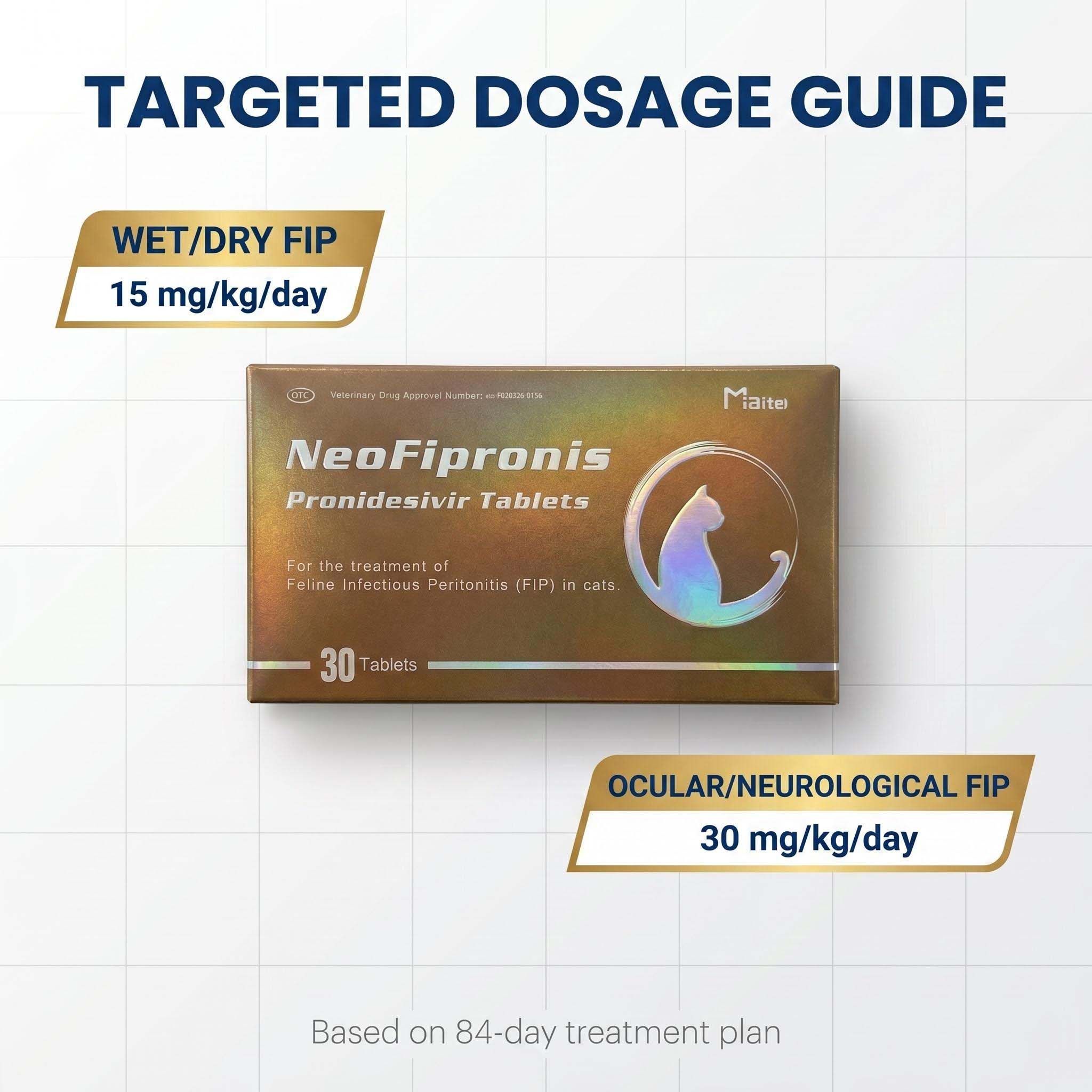
NeoFipronis is administered based on the cat’s weight—typically 15 mg per kilogram once daily. For neurological or ocular FIP forms, the dose may be increased to 30 mg/kg as prescribed by the veterinarian. It is advised to give the medication on an empty stomach—either one hour before meals or two hours after—to enhance absorption. Consistency is key; missing doses or discontinuing treatment prematurely can compromise efficacy and may lead to virus resistance.
Treatment Duration and Monitoring
A minimum of 12 weeks of continuous treatment is essential for effective viral clearance. Regular veterinary check-ups are recommended to monitor the cat’s health, including appetite, temperature, behavioral changes, and blood work to assess liver and kidney functions. Blood tests are critical to detect any adverse reactions early.
Potential Side Effects and Risks
While NeoFipronis is generally well tolerated, some cats may experience side effects such as mild gastrointestinal upset, lethargy, or transient changes in liver enzymes. Serious adverse reactions are rare, but any unusual symptoms—such as vomiting, jaundice, or significant behavioral changes—should prompt immediate veterinary consultation.
Medication Safety Measures
NeoFipronis is a prescription-strength medication, and its non-prescription status does not eliminate the need for veterinary guidance. Although marketed as an over-the-counter drug, self-medicating without veterinary supervision increases risks of inappropriate dosing and adverse effects. Only purchase NeoFipronis through official channels and verified sources to ensure product authenticity and quality.
Precautions for Specific Cases
Cats with pre-existing liver or kidney conditions require careful dose adjustment and increased monitoring. Pregnant or nursing cats should consult a veterinarian before treatment. Avoid administering NeoFipronis alongside other medications unless directed by a veterinarian to prevent drug interactions.
Storage and Handling
Store NeoFipronis in a cool, dry place away from direct sunlight and out of reach of children and other animals. Proper storage maintains drug potency and safety. Follow storage instructions provided on the packaging.
Legal and Usage Warnings
NeoFipronis is strictly for feline use. Human administration is strictly prohibited. Unauthorized use or misuse can lead to ineffective treatment or adverse health effects, emphasizing the importance of veterinary consultation.
Final Recommendations
Adherence to prescribed dosages, treatment duration, and veterinary guidance are crucial when using NeoFipronis for FIP. The medication’s rapid absorption, high tolerability, and proven effectiveness make it a promising solution against FIP when used responsibly. Owners should maintain close communication with their veterinarian throughout the treatment course to ensure safe recovery and manage any potential side effects effectively. Always source NeoFipronis from official distributors to ensure medication quality and authenticity.
In summary, while NeoFipronis offers significant hope for cats with FIP, responsible use, proper dosing, and veterinary supervision are essential to maximize benefits and minimize risks.