NeoFipronis (Pronidesivir) Indications, Effectiveness, and Side Effects
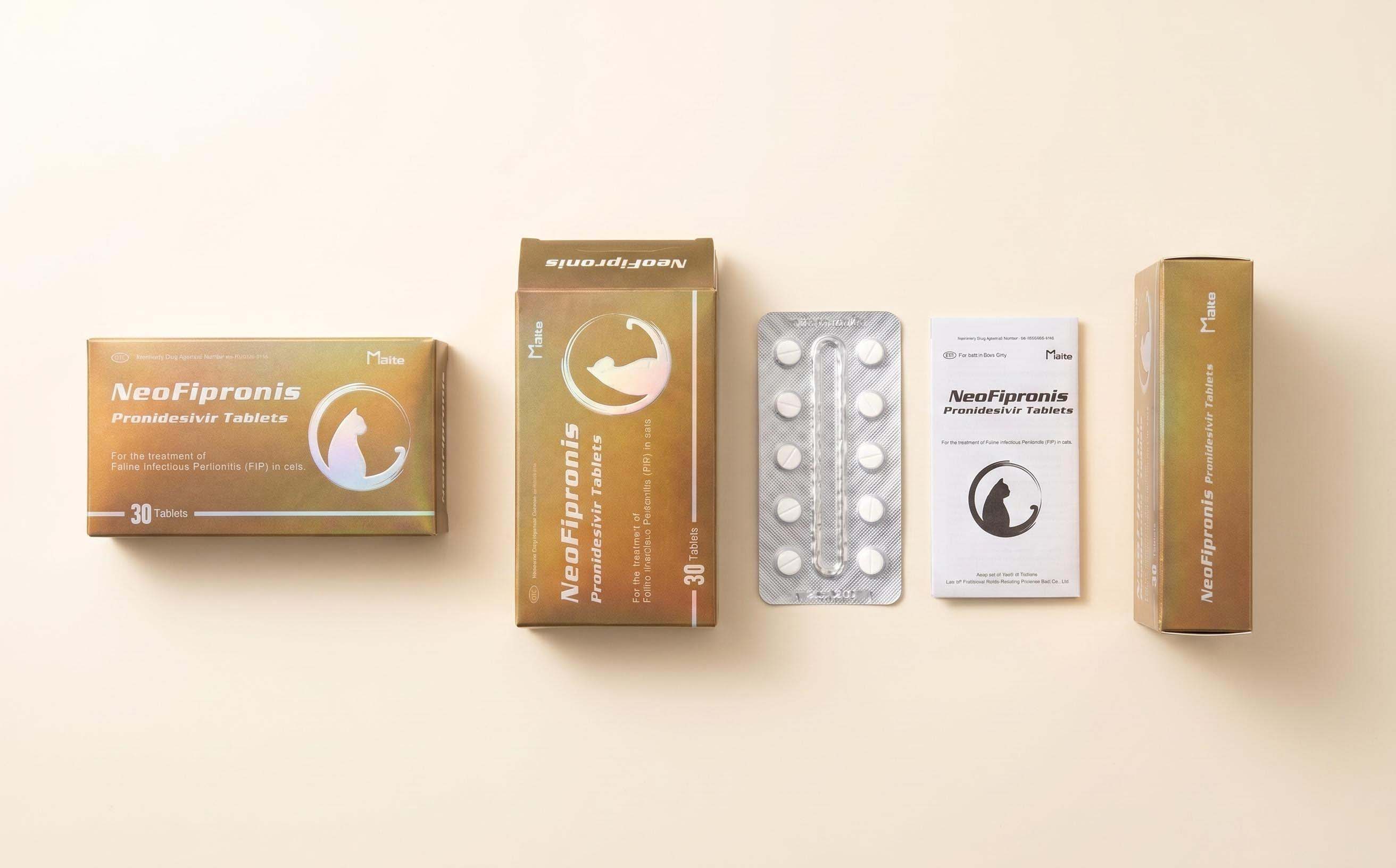
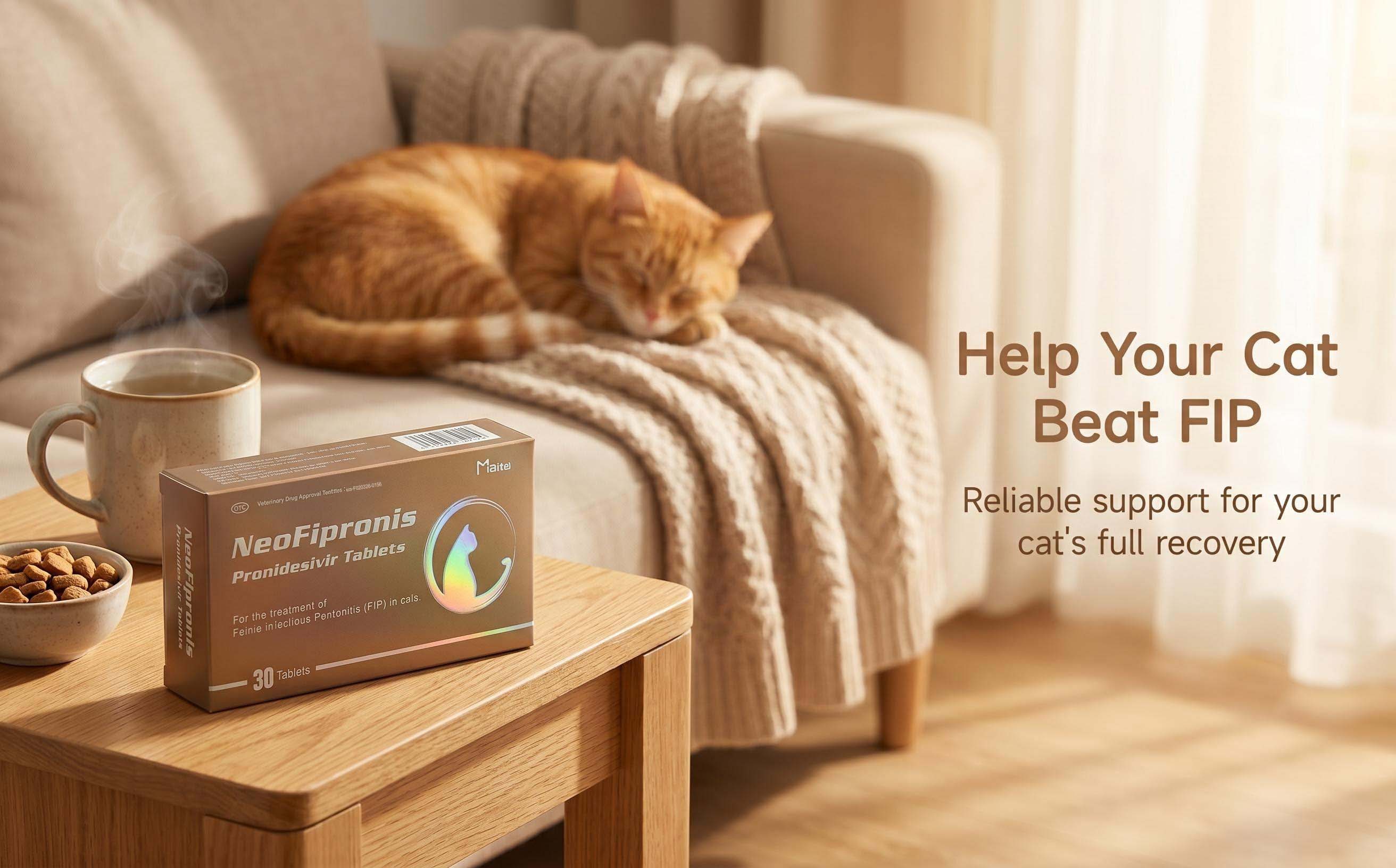
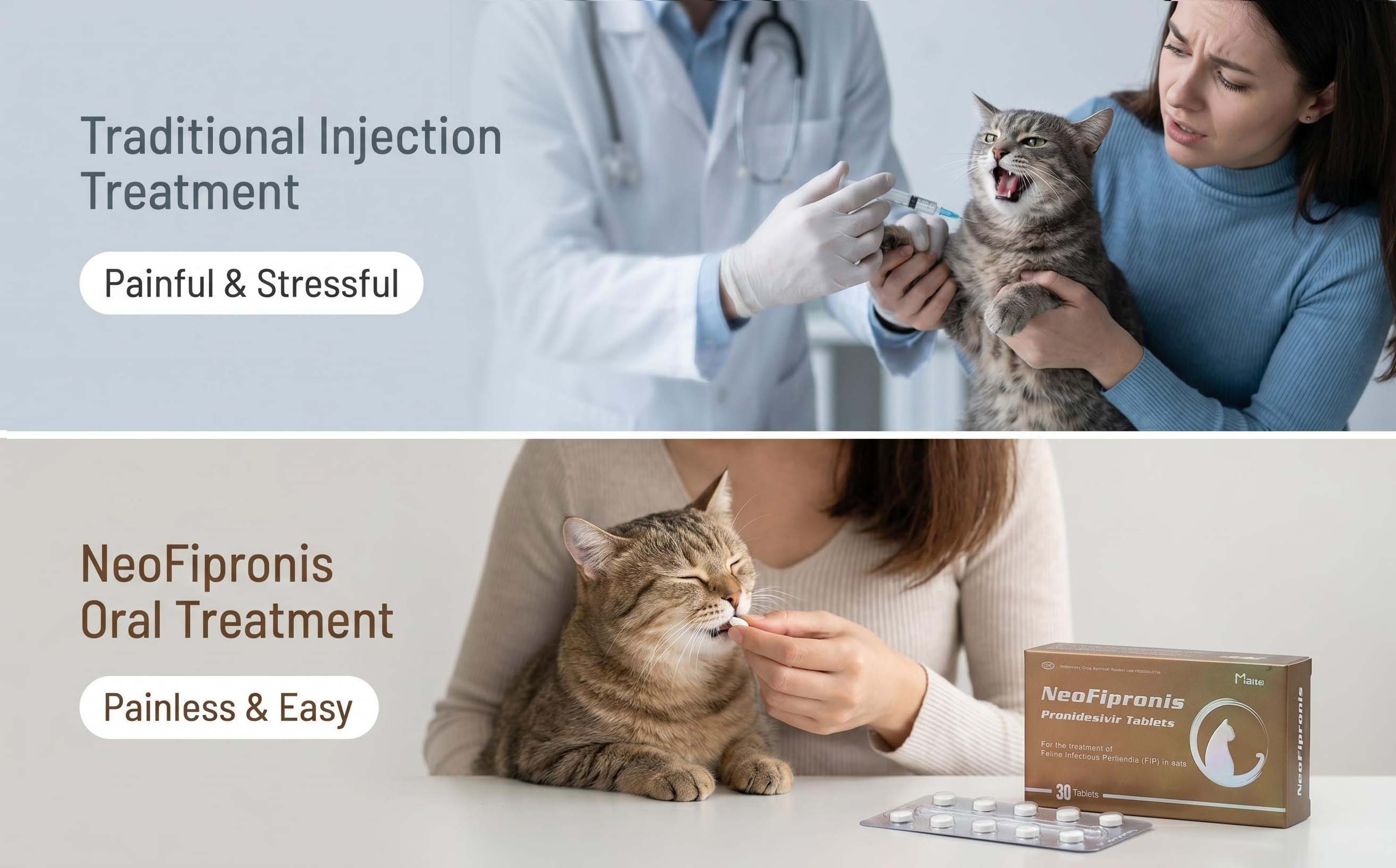
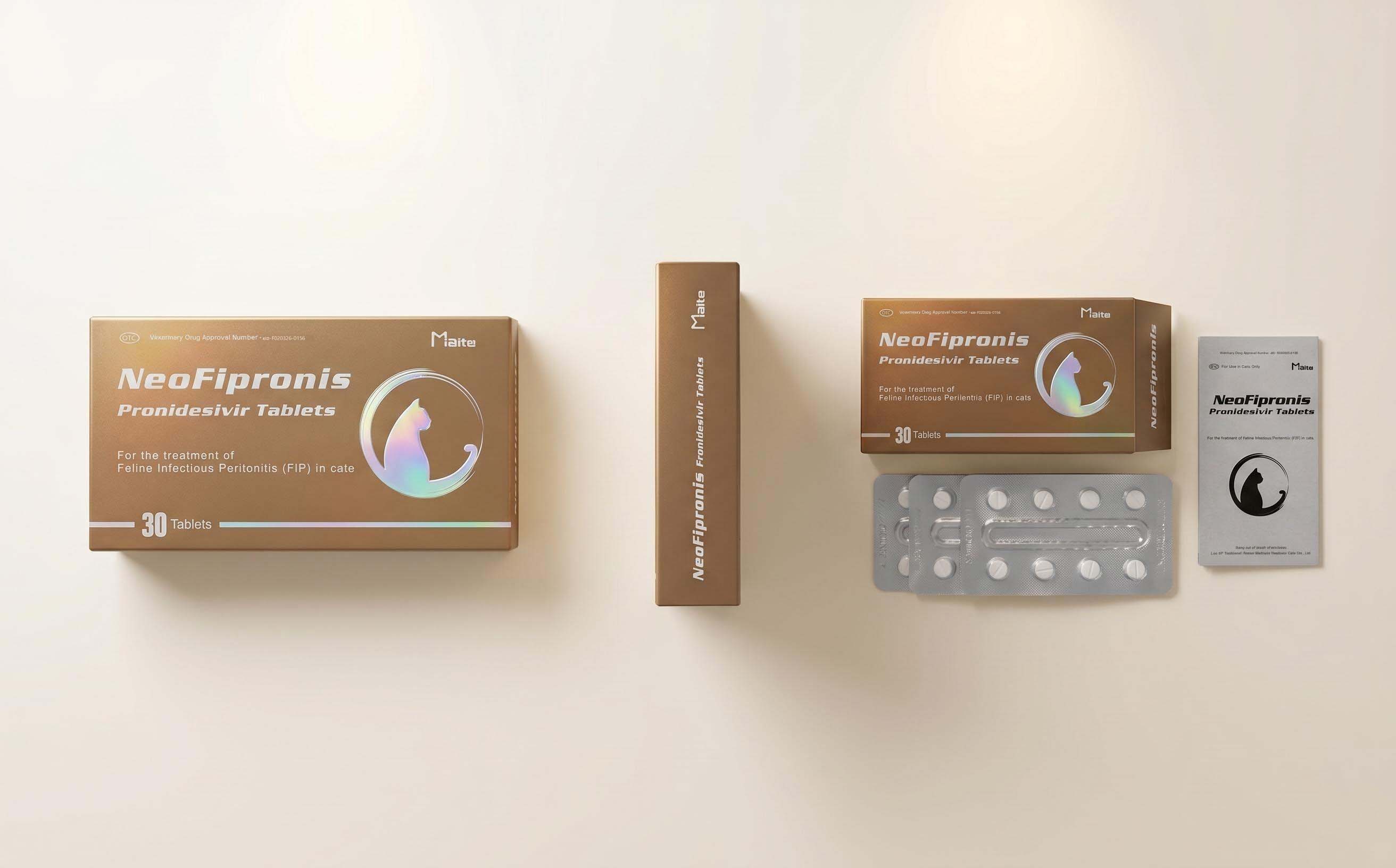
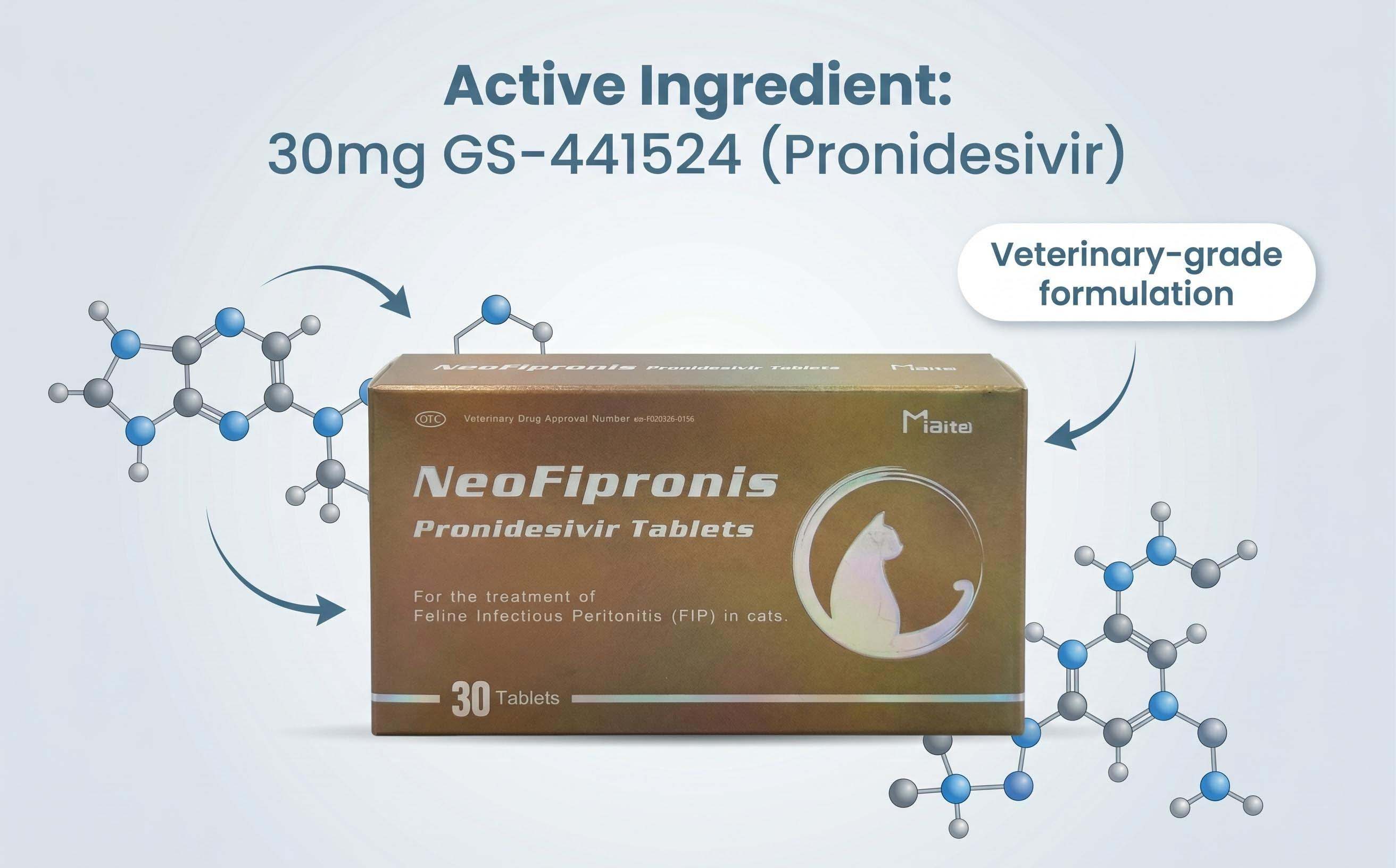
Feline Infectious Peritonitis (FIP) is one of the most serious diseases in cats, often causing persistent fever, loss of appetite, lethargy, abdominal swelling, chest fluid, enlarged lymph nodes, inflammatory granulomas, neurologic damage, and uveitis. NeoFipronis (Pronidesivir), which contains the active compound GS-441524, is designed for oral FIP treatment and is commonly discussed as a targeted antiviral option for cats with wet FIP, dry FIP, neuro FIP, and ocular FIP. For many cat owners, the most important question is whether a treatment can help a sick cat recover quickly while remaining safe and manageable at home.
NeoFipronis (Pronidesivir) is intended for cats showing clinical signs linked to FIP, including reduced appetite, weakness, fever, ascites, pleural effusion, lymph node enlargement, inflammatory lesions, neurological symptoms, and eye inflammation. Because FIP can affect multiple organ systems, treatment plans often need to be individualized. Cats with neurological or ocular involvement may require higher dosing under veterinary supervision, while cats with systemic FIP may respond to standard oral dosing. The goal is to suppress viral replication early, reduce inflammation, and help the cat regain normal eating, activity, and weight.
The active ingredient GS-441524 has been widely studied in relation to feline coronavirus control and is known for its antiviral activity against FIP-associated disease. In practical use, many cats improve noticeably after treatment begins, with appetite returning, fever dropping, and energy levels increasing within days to a few weeks. Fluid accumulation often decreases gradually, and inflammatory lesions may resolve over time as treatment continues. Although response speed varies by disease severity, age, and organ involvement, oral GS-441524-based therapy is considered highly effective when given consistently and at the correct dose.
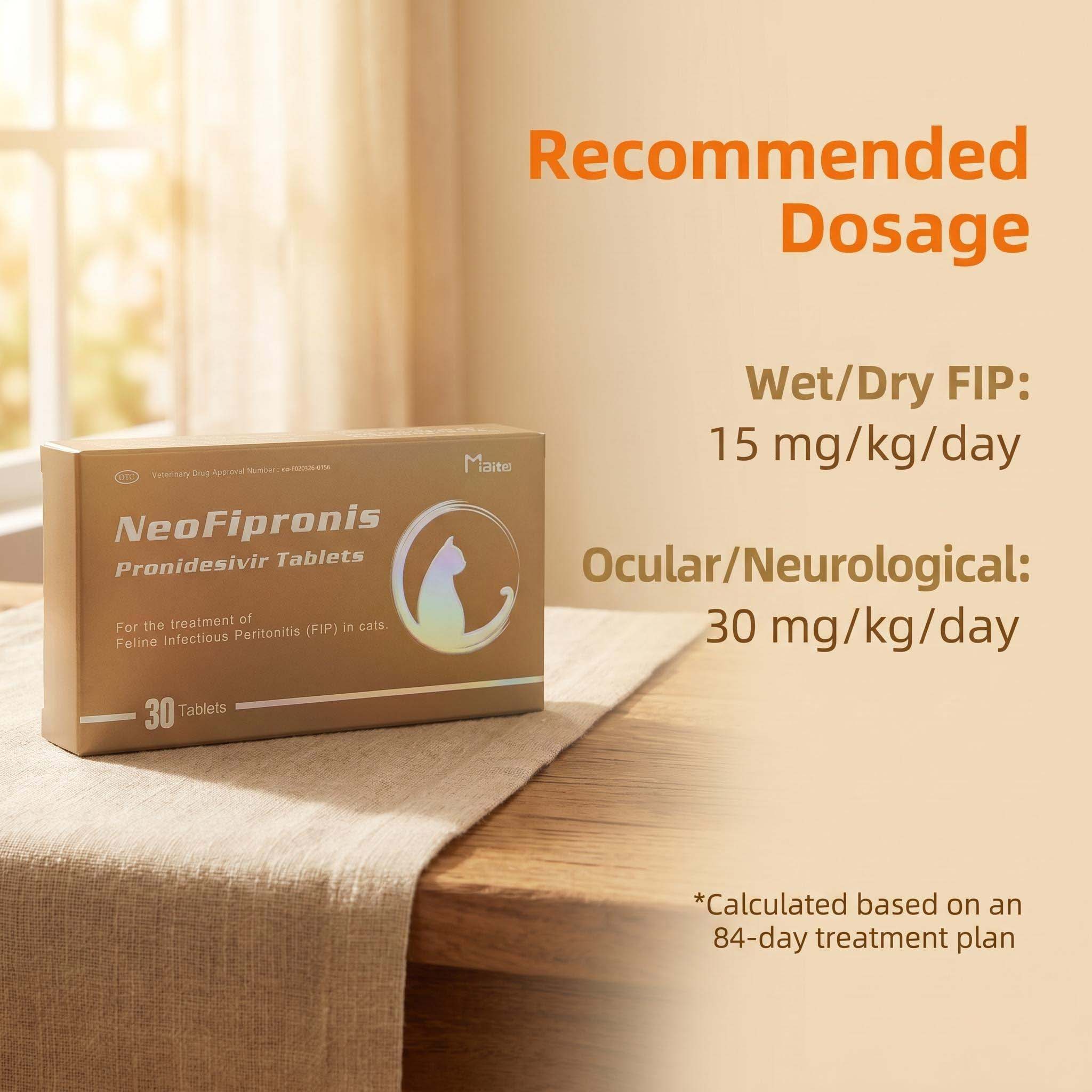
Recommended use is based on body weight: 15 mg per kilogram once daily for typical FIP cases, which may correspond to half a tablet depending on product strength. Neurologic or ocular FIP may require an increased dose of 30 mg per kilogram, but this should only be done according to veterinary advice. NeoFipronis is generally taken once daily on an empty stomach, either one hour before feeding or two hours after meals, to support absorption. Continuous treatment for at least 12 weeks is important, and missed doses should be avoided whenever possible.
Side effects are usually mild and less common than with many traditional treatments. Some cats may experience temporary vomiting, soft stool, reduced appetite, or mild fatigue. In some cases, bloodwork may show changes in liver or kidney values, so regular monitoring is essential. During treatment, owners should watch for changes in appetite, temperature, breathing, activity level, and hydration, and should arrange periodic blood tests to check blood counts as well as liver and kidney function.
NeoFipronis is for cats only and must not be used in humans. Even though it may be available as an over-the-counter product in some settings, veterinary guidance is strongly recommended to improve safety and dosing accuracy. To help protect product quality, purchase only from the official NeoFipronis website or authorized channels.