What Should You Do if NeoFipronis (Pronidesivir) Causes Side Effects
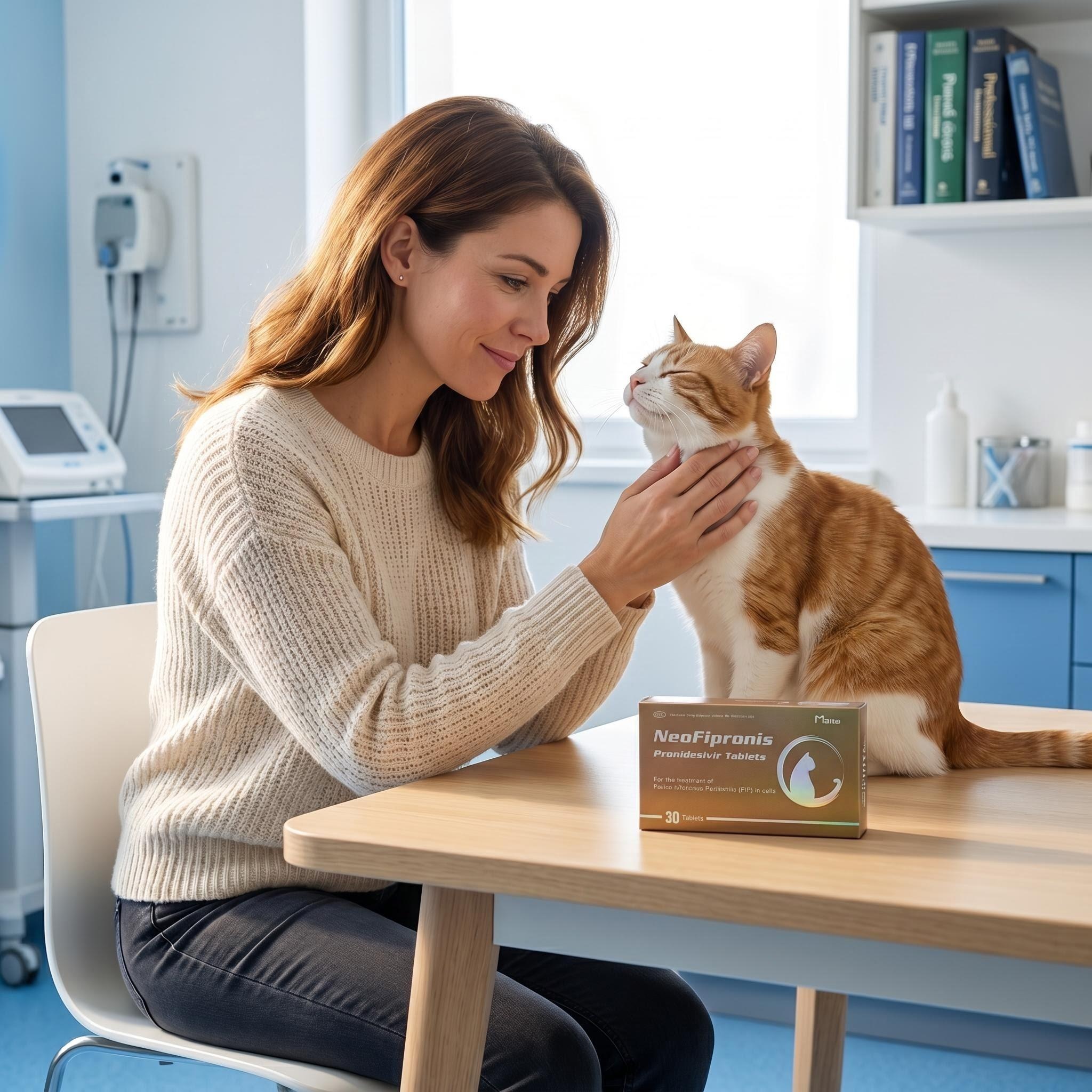
NeoFipronis (Pronidesivir) is an oral FIP treatment for cats, and its active ingredient, GS-441524, is widely discussed for managing feline infectious peritonitis (FIP). Many cats with FIP show signs such as poor appetite, fever, lethargy, abdominal fluid, pleural effusion, enlarged lymph nodes, inflammatory granulomas, neurologic damage, and uveitis. In many cases, treatment is well tolerated, but side effects can still happen. If your cat reacts poorly, the most important step is to act quickly and calmly, then contact a veterinarian for advice.
Some cats may develop mild digestive side effects such as vomiting, soft stool, or reduced appetite. Others may become sleepy, restless, or less interested in food after starting treatment. These reactions do not always mean the medicine must be stopped, but they should be monitored closely. Keep a daily record of your cat’s temperature, eating habits, hydration, stool quality, and energy level. This helps the veterinarian decide whether the dose should be adjusted or whether another issue is causing the symptoms.
More serious reactions need immediate attention. If your cat has repeated vomiting, severe diarrhea, swelling, trouble breathing, collapse, yellow gums, seizures, or a sudden worsening of neurologic or eye signs, seek veterinary help right away. Do not give an extra dose to “make up” for a missed dose, and do not increase or reduce the dose on your own. For FIP therapy, consistency matters, and any change should be based on professional guidance.
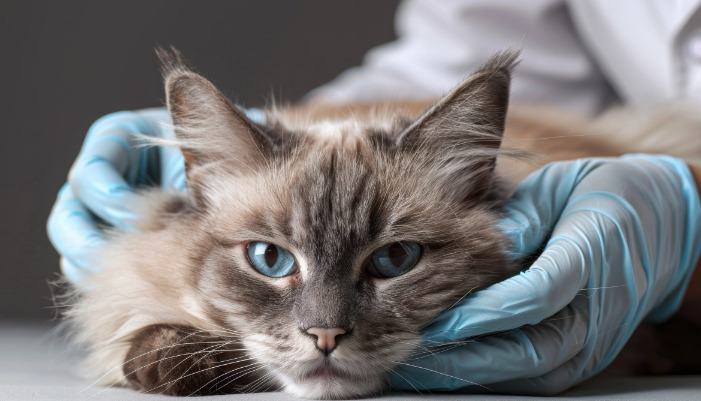
Cats receiving NeoFipronis (Pronidesivir) should have regular bloodwork during treatment, including liver and kidney function tests. This is especially important during the full treatment course, which is generally continued for at least 12 weeks. Lab monitoring can reveal early changes before they become severe. If blood results show abnormal liver enzymes, kidney strain, or other concerning changes, your veterinarian may recommend supportive care, a temporary pause, or a revised dosing plan.
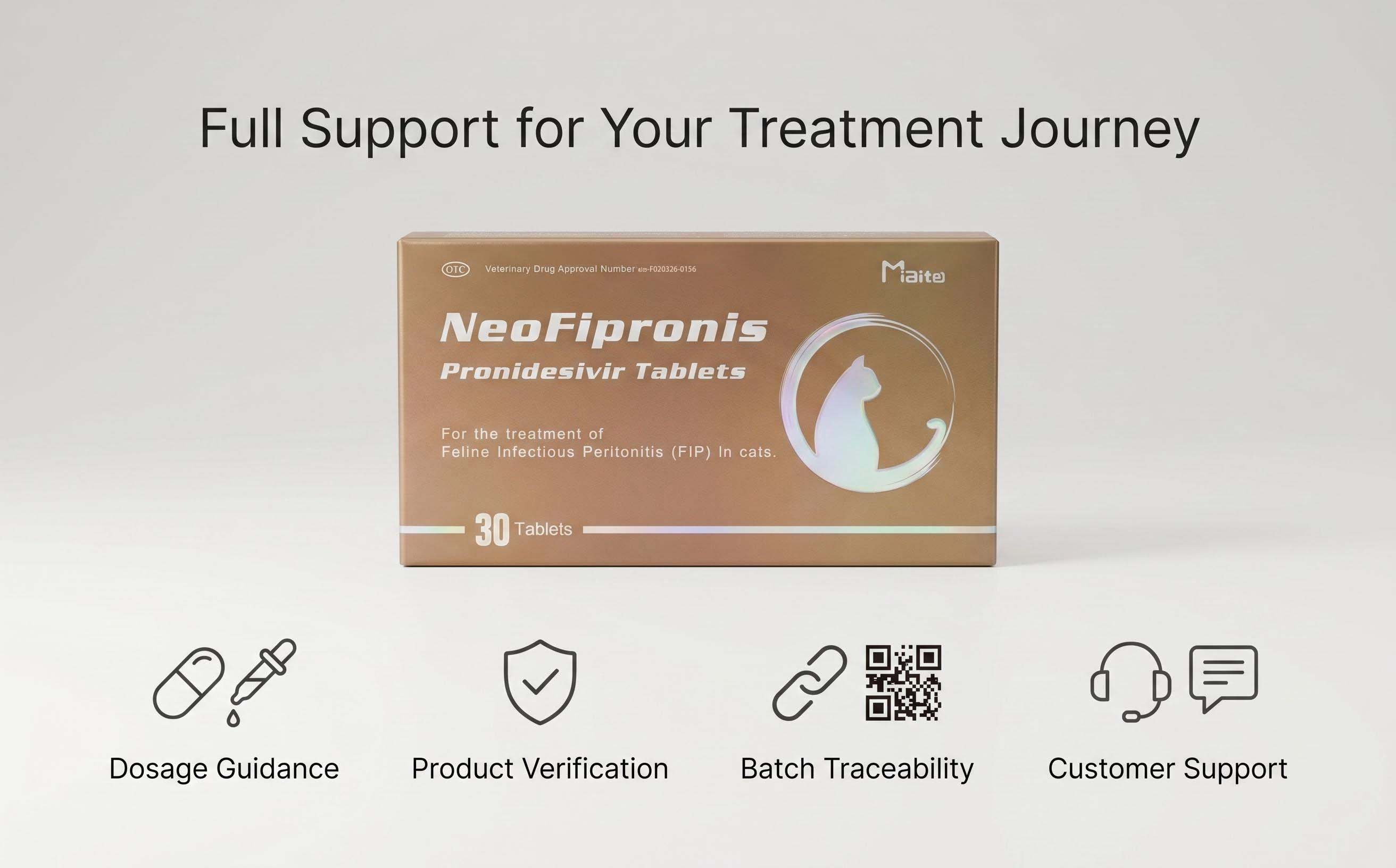
For mild side effects, your veterinarian may suggest practical steps such as changing the timing of the dose, improving hydration, offering bland food, or giving additional supportive medication. Because each FIP case is different, especially in cats with neurologic or ocular disease, treatment decisions should always be individualized. Even though NeoFipronis (Pronidesivir) is described as an over-the-counter option, it is still best used under veterinary supervision.
If side effects appear, keep the medicine packaging, note the exact dose, and report when the symptoms started. Bring this information to the clinic, along with your cat’s recent temperature readings and appetite changes. This makes it easier to decide whether the reaction is mild intolerance, a dosing problem, or another illness needing treatment.
NeoFipronis (Pronidesivir) may be an important FIP medication for cats, but safe use depends on observation, lab monitoring, and fast communication with a veterinarian when side effects occur.