What Are the Contraindications of NeoFipronis
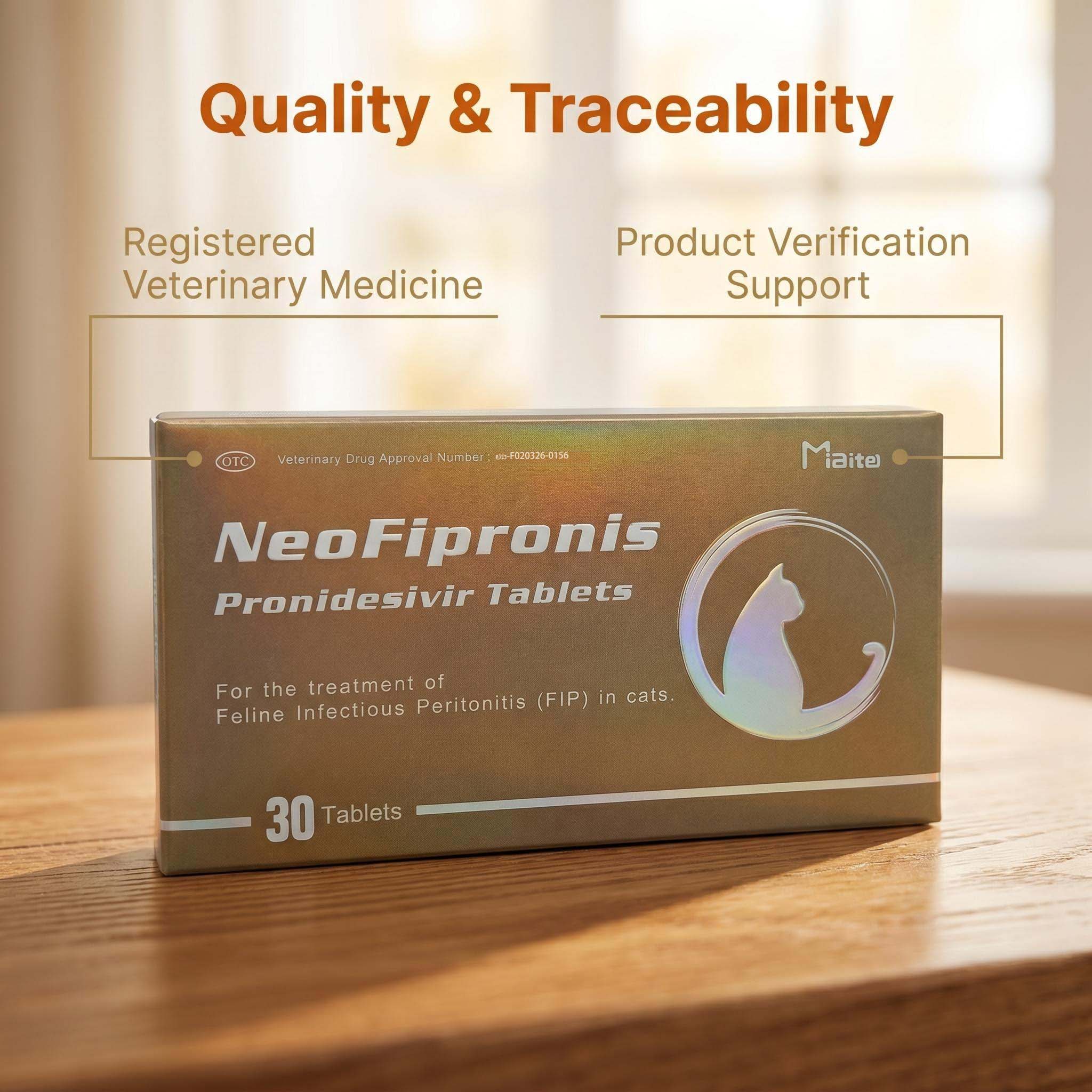
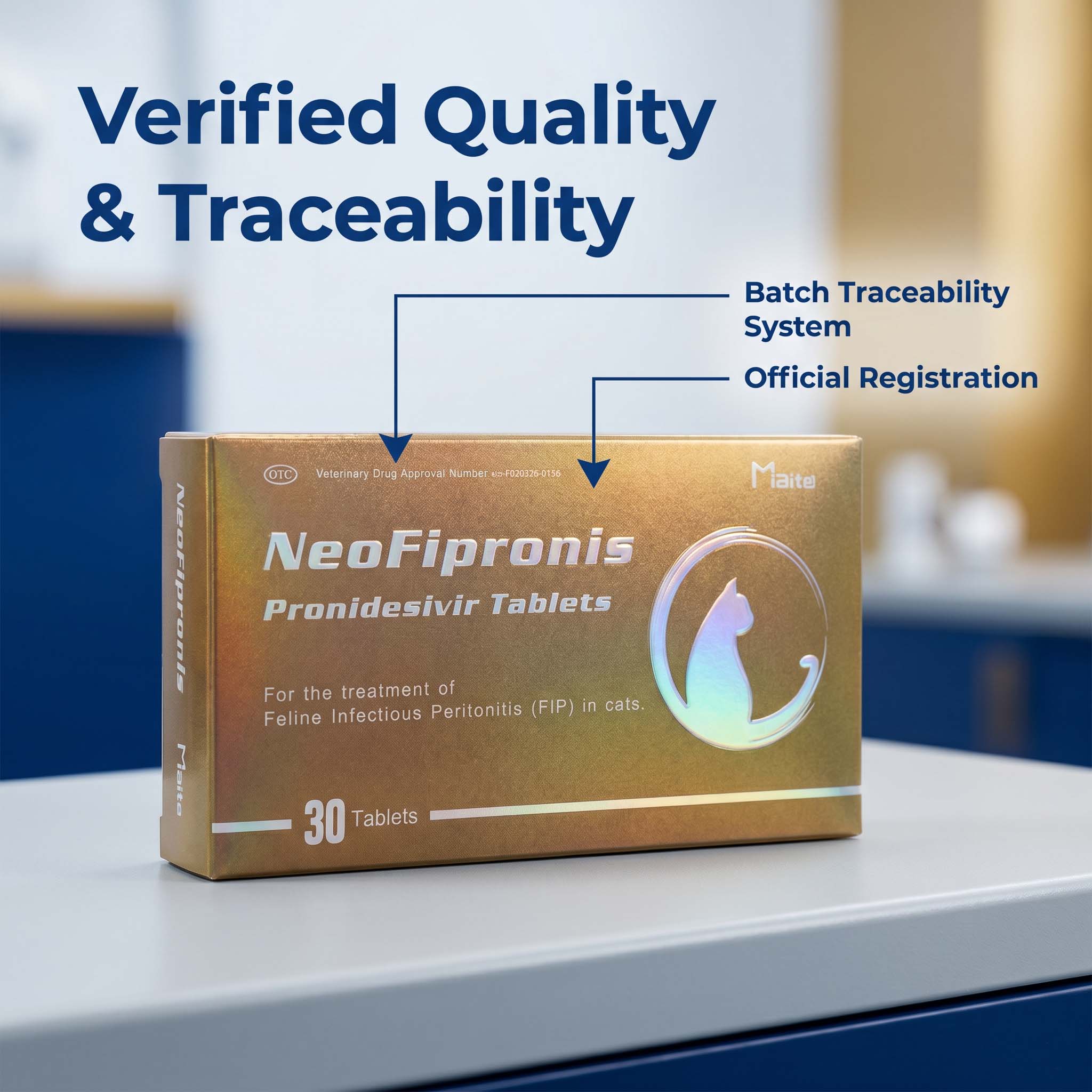
NeoFipronis, containing the active ingredient GS-441524, is a groundbreaking oral medication specifically developed for the treatment of Feline Infectious Peritonitis (FIP). Approved by the Lao Ministry of Agriculture and Forestry (MAF) in March 2026, it holds an official drug registration number, marking a significant milestone in veterinary medicine. NeoFipronis is highly effective in alleviating symptoms of FIP such as loss of appetite, lethargy, fever, ascites, pleural effusion, lymphadenopathy, granulomatous inflammation, neurological damage, and uveitis. Its rapid absorption, safety profile, and minimal side effects make it a preferred choice for feline FIP therapy.
Despite its notable benefits, NeoFipronis has specific contraindications that pet owners and veterinarians must consider to ensure safe and effective treatment. The primary contraindication involves cats with known hypersensitivity or allergy to GS-441524 or any other components of NeoFipronis. Prior allergic reactions to antiviral medications should be carefully evaluated before initiating therapy.
Pre-existing Conditions
Cats suffering from severe hepatic or renal impairment should undergo thorough veterinary assessment before starting NeoFipronis. Although generally well-tolerated, compromised liver or kidney function may affect drug metabolism and excretion, increasing the risk of adverse effects. Close monitoring of liver and kidney parameters during treatment is essential.
Pregnancy and Lactation
The safety profile of NeoFipronis during pregnancy and lactation has not been fully established. Therefore, it is contraindicated in pregnant or nursing cats unless the potential benefits outweigh the risks, and the treatment is under strict veterinary supervision. Experimental data suggest potential teratogenic effects, warranting caution.
Concurrent Medication Use
Cats already receiving other antiviral agents, immunosuppressants, or hepatotoxic drugs should be prescribed NeoFipronis with caution. Drug interactions may alter the efficacy or increase toxicity. Veterinarians should review the animal’s medication history thoroughly and adjust dosages as necessary to avoid adverse interactions.
Neurological or Ocular Conditions
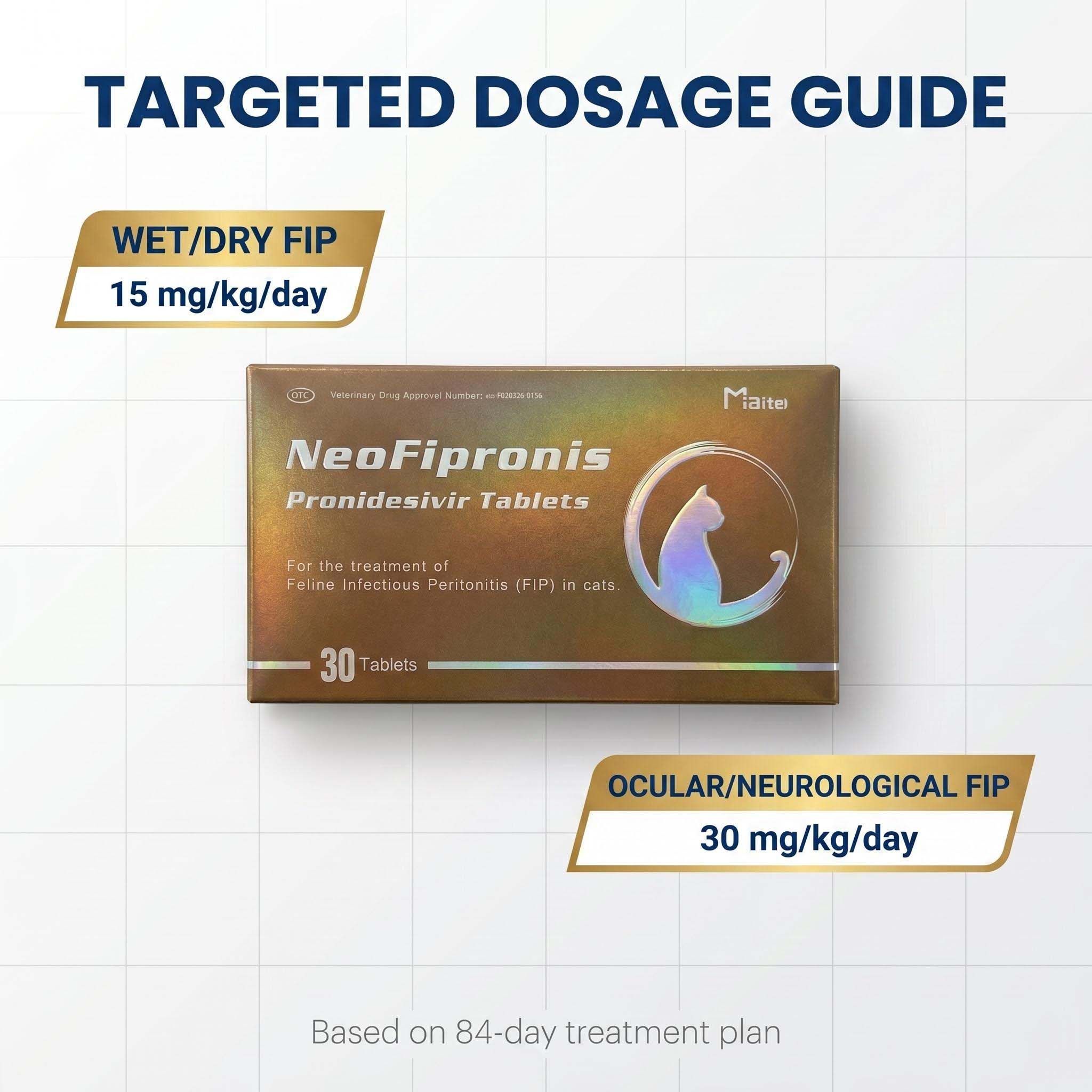
Though NeoFipronis can effectively treat neurological and ocular forms of FIP, cats with existing neurological deficits or ocular diseases should be monitored closely. In some cases, higher doses (up to 30 mg/kg) might be required under veterinary guidance, especially for neurological or ocular involvement. However, caution is advised, and any signs of worsening neurological or ocular conditions should prompt immediate veterinary consultation.
Immune-compromised Cats
Cats with compromised immune systems, such as those with concurrent infections or immunodeficiencies, may not respond as expected or could experience complications. Use of NeoFipronis in these cases should be carefully evaluated on a case-by-case basis, and treatment should be closely supervised.
Age and Weight Considerations
NeoFipronis is recommended for adult cats based on weight. It is contraindicated in very young kittens or animals whose health status is uncertain. Proper dosing according to weight (15 mg per kg body weight) must be adhered to, and any adjustments should be made under veterinary direction.
Summary
While NeoFipronis offers an innovative and effective solution against FIP, its contraindications must be respected to ensure safety and maximize therapeutic outcome. Allergies, pre-existing organ conditions, pregnancy, drug interactions, neurological or ocular issues, immune status, and age are critical factors to consider. Pet owners should consult qualified veterinarians for proper diagnosis, dosing, and monitoring during treatment. Always source NeoFipronis from official channels to guarantee product authenticity and quality. Responsible use under expert guidance can significantly improve feline health and quality of life when treating this complex disease.