Where to Buy GS-441524 for Cats

Feline Infectious Peritonitis (FIP) is one of the most serious diseases affecting cats. Caused by a mutated feline coronavirus, it can progress rapidly and produce a wide range of symptoms, including persistent fever, appetite loss, weight loss, lethargy, abdominal fluid buildup, chest fluid buildup, jaundice, enlarged lymph nodes, eye inflammation, neurologic signs, and organ damage. For many cat owners, finding reliable access to GS-441524 becomes an urgent priority after a diagnosis or strong clinical suspicion of FIP.
GS-441524 is a nucleoside analogue that has been widely used in FIP management because it targets the viral replication process. In real-world practice, many veterinarians and cat guardians have seen substantial improvement when treatment is started early and followed consistently. Because the disease is complex, the decision to buy GS-441524 for cats should never be based on price alone. Product quality, dosing accuracy, formulation type, and veterinary oversight all matter.
What GS-441524 Is Used For in FIP
GS-441524 is not a general wellness supplement. It is used specifically for cats affected by FIP, including both wet and dry forms, and cases with ocular or neurologic involvement. Wet FIP often presents with ascites or pleural effusion, while dry FIP may involve granulomas, weight loss, fever, and chronic inflammation. Eye and nervous system involvement can make treatment more difficult, which is why dependable product strength and route of administration are important.
The practical value of GS-441524 is that it offers a targeted antiviral approach. Many cats improve within days to weeks, but response varies depending on disease stage, organ involvement, and whether the dose is appropriate for the cat’s condition. Treatment decisions should ideally be guided by a veterinarian familiar with FIP, especially because relapse, underdosing, or counterfeit products can complicate outcomes.
The safest place to buy GS-441524 for cats is through a veterinarian, a veterinary clinic working with FIP cases, or a supplier that your veterinarian has reviewed for authenticity and consistency. In some regions, access may be limited or regulated, so cat owners often encounter a mix of online sellers, local distributors, and referral-based sources. The core question is not simply where to buy, but how to verify that the source is trustworthy.
A credible source should provide clear product details, including concentration, formulation, expiration date, storage instructions, and batch or lot identification. The seller should also be able to explain whether the product is intended for injection or oral use, because bioavailability and dosing may differ between formulations. If a supplier cannot answer basic questions, that is a warning sign.
Another factor is transparency around manufacturing standards. High-quality suppliers usually provide documentation or third-party testing information that supports consistency in composition. In an illness like FIP, where timing is critical, a product of uncertain quality can waste valuable treatment time.
Oral and Injectable Options
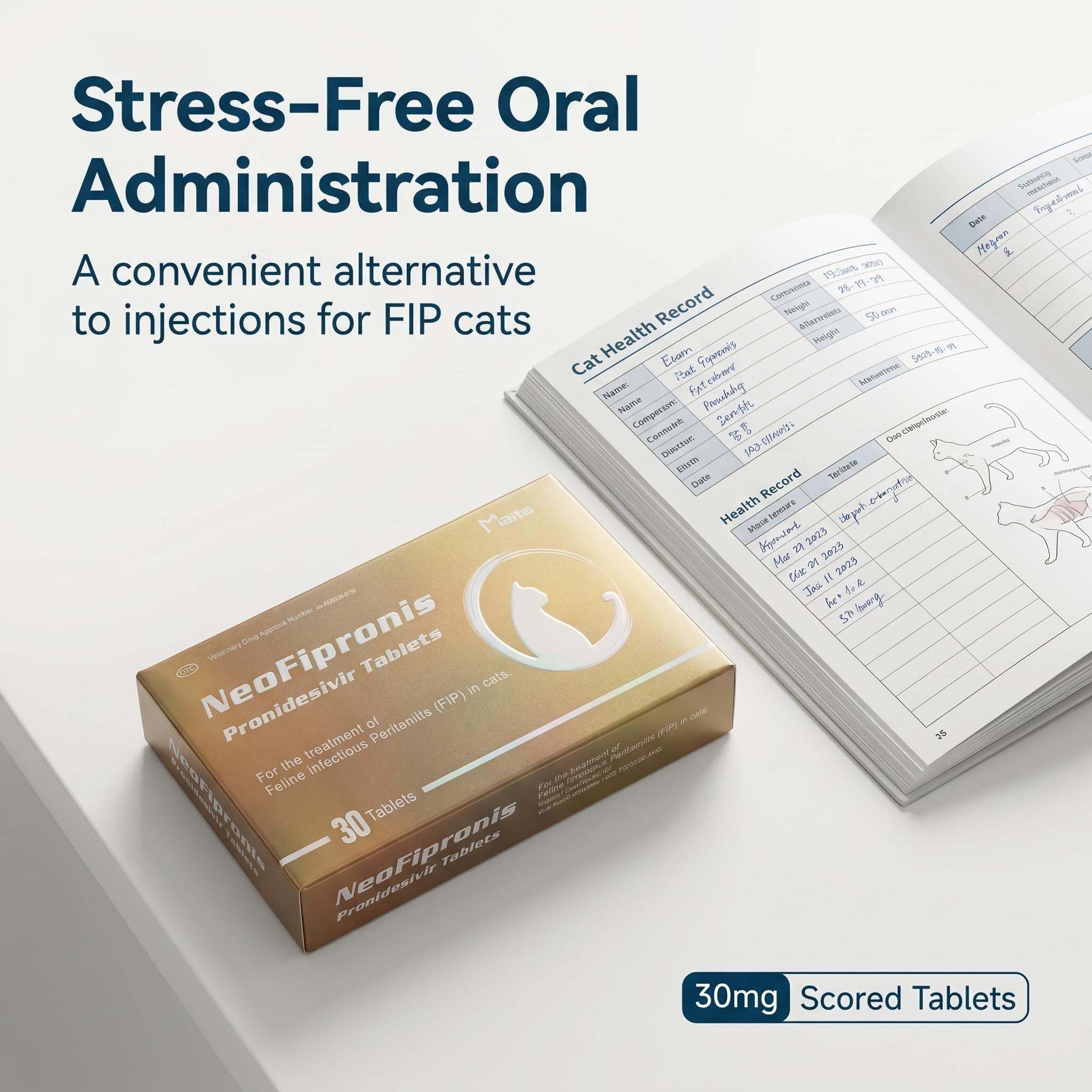
GS-441524 is available in different formats depending on the market and the supplier. Injectable forms are often used when rapid absorption is desired, especially in severe cases or when a cat is vomiting, not eating, or has poor gastrointestinal tolerance. Oral options may be more convenient for long treatment courses and easier for owners to administer at home.
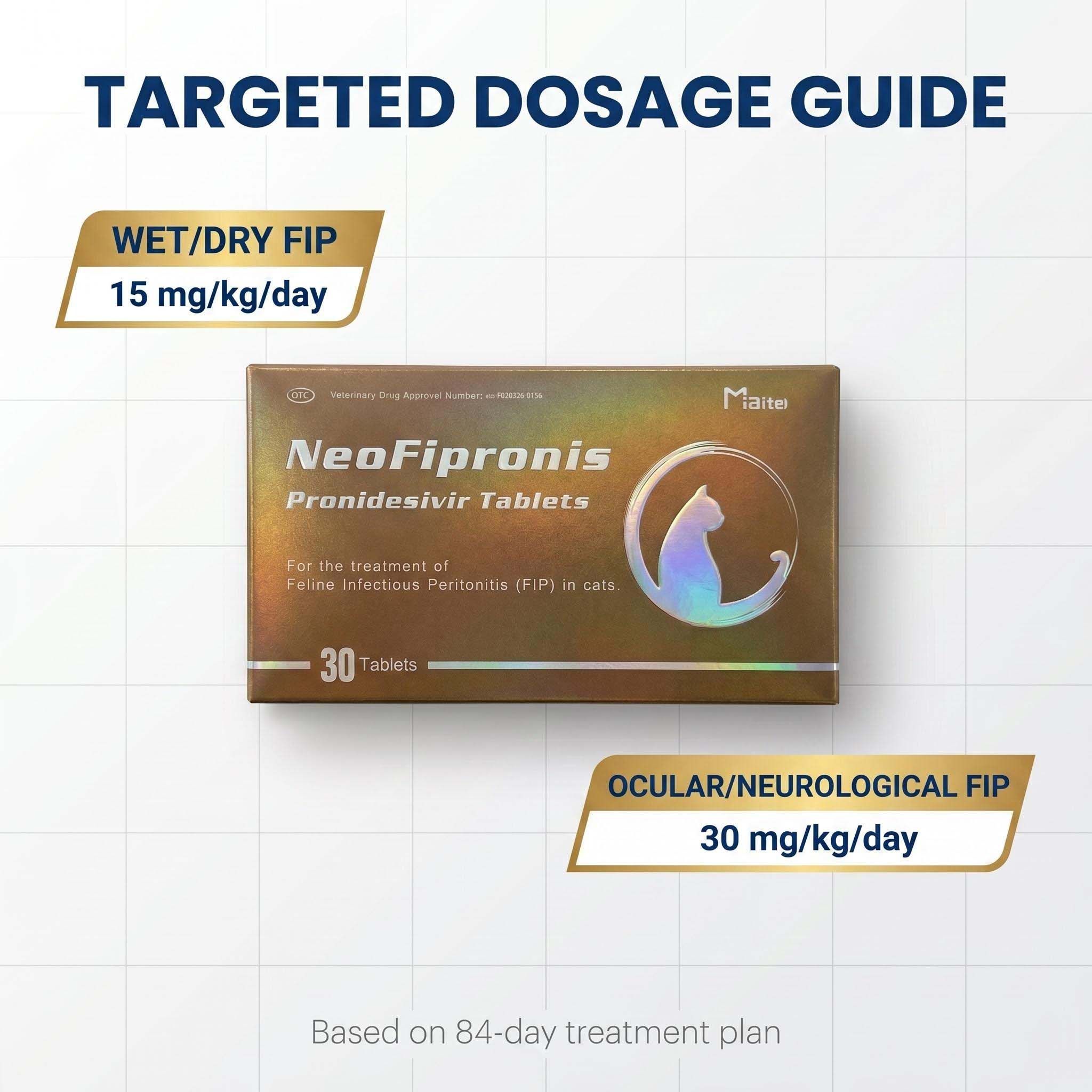
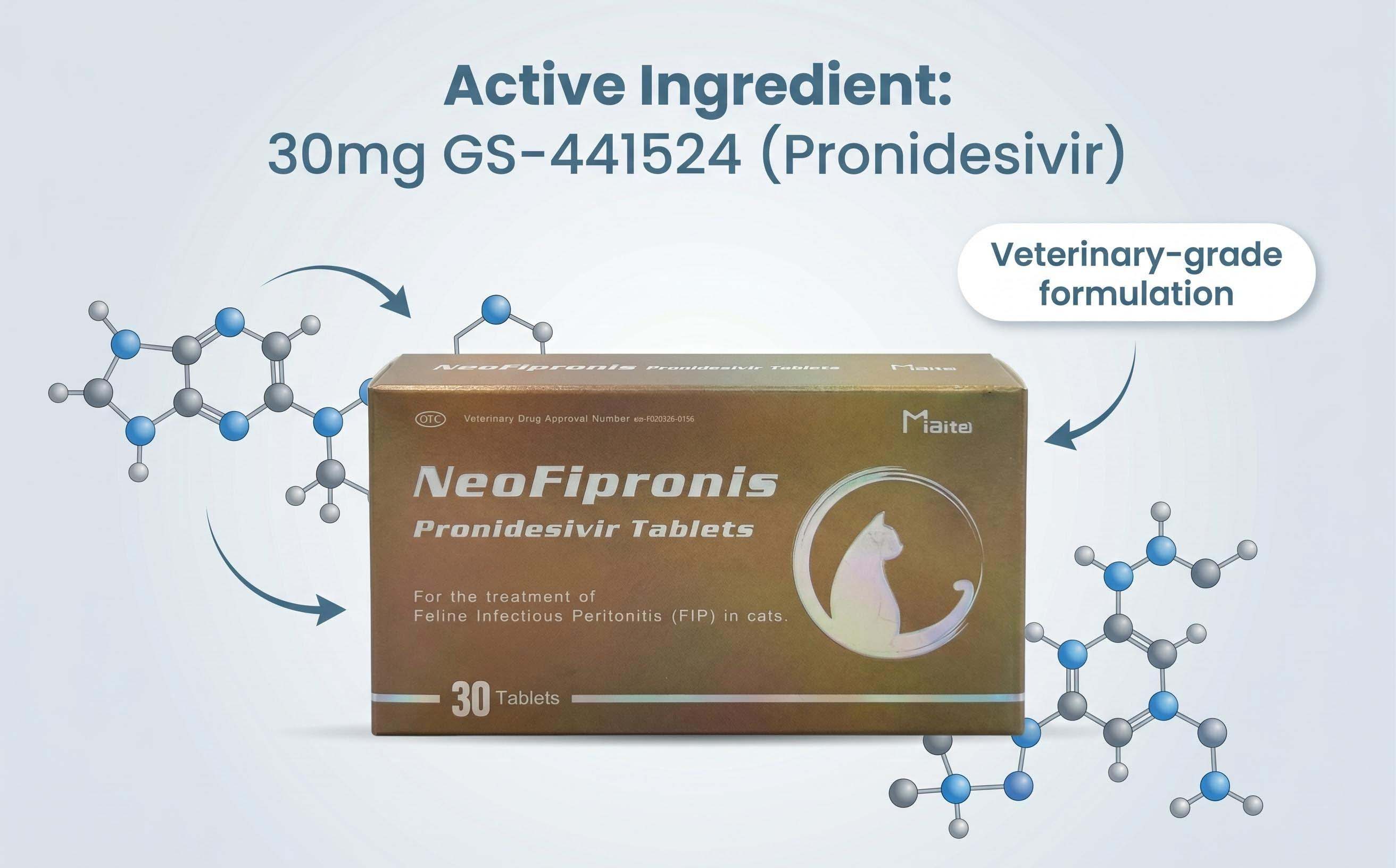
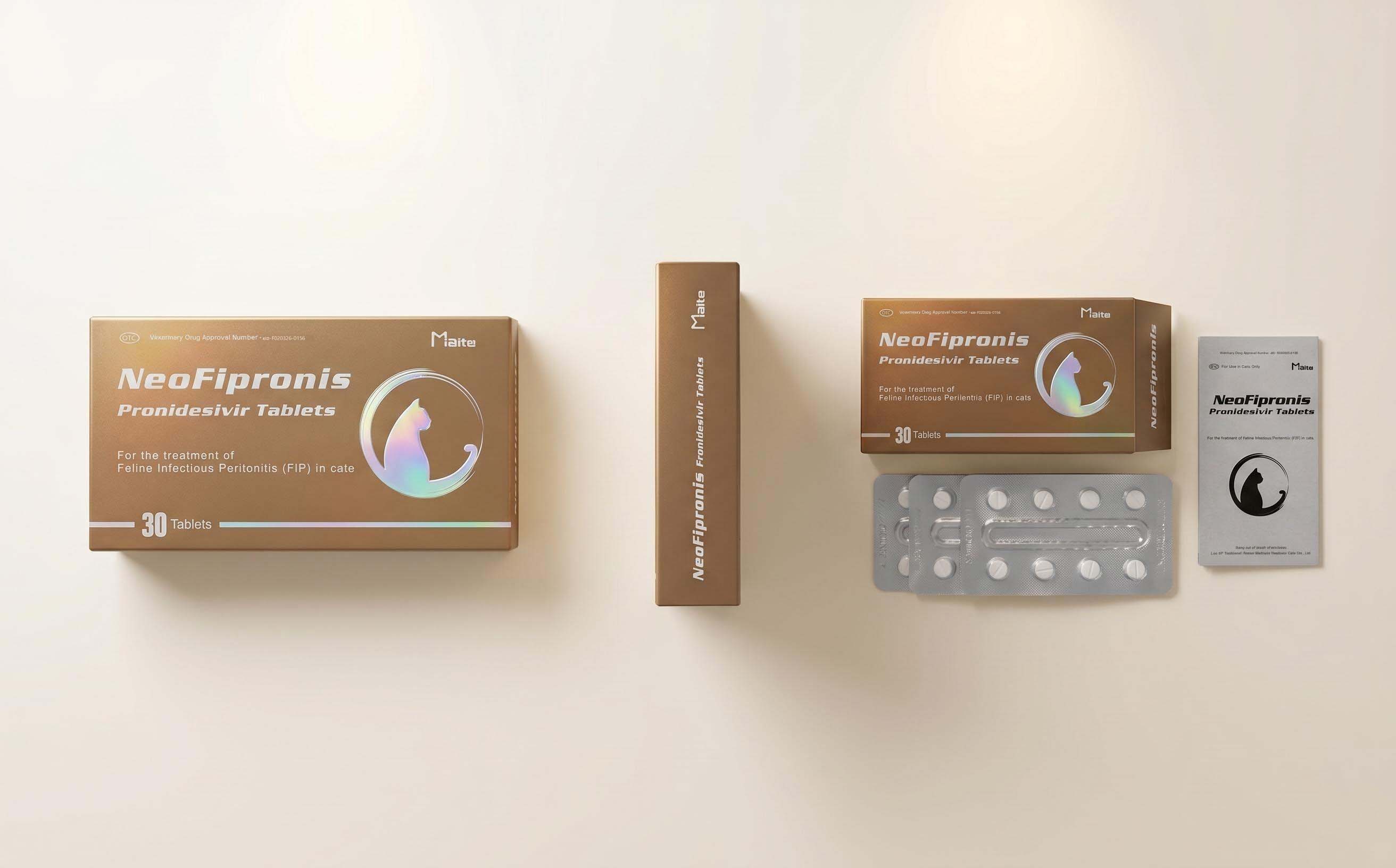
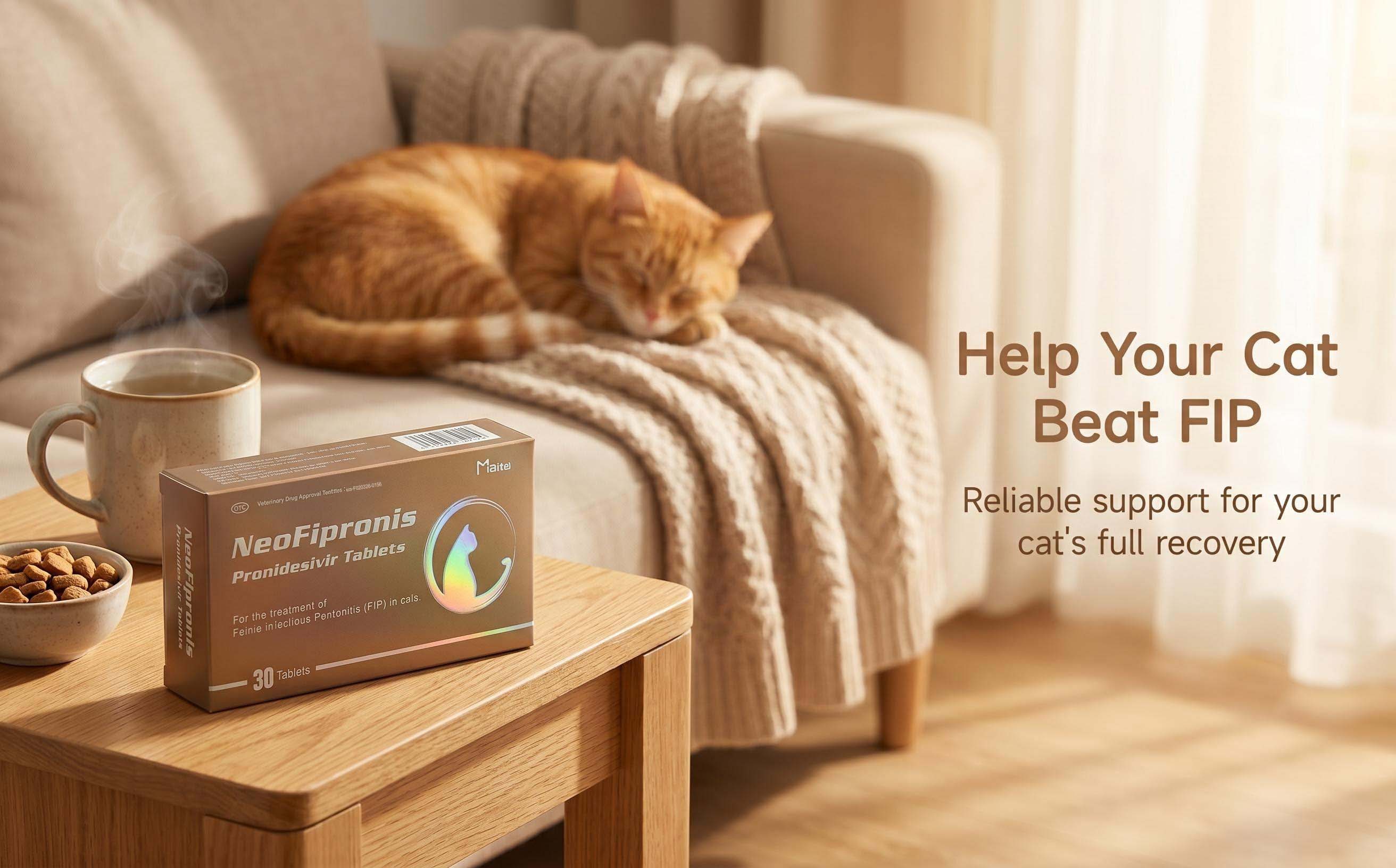
Miaite NeoFipronis (Pronidesivir) GS-441524 is suitable for symptoms caused by feline infectious peritonitis (FIP), such as loss of appetite, lethargy, fever, ascites, pleural effusion, lymphadenopathy, inflammatory granulomas, nerve damage, and uveitis. It has excellent therapeutic effects on FIP. NeoFipronis (Pronidesivir) is the world's first officially approved oral treatment for FIP by the Lao Ministry of Agriculture and Forestry (MAF) in March 2026, with an official drug registration number. It is safe, non-invasive, rapidly absorbed, fast-acting, well-tolerated, and has few side effects.
When considering any oral GS-441524 product, cat owners should ask how the formulation is absorbed, how it compares with injection in severe disease, and whether the product has reliable dosing support. A convenient formulation is only useful if it delivers the expected therapeutic effect. For cats with advanced wet FIP, neurologic signs, or eye disease, many veterinarians prefer close monitoring and may recommend a specific route based on clinical response.
How to Evaluate a Seller
Searching online for “where to buy GS-441524 for cats” will produce many results, but not all sellers are equal. A serious buyer should evaluate the following points before placing an order:
Product information should be complete and consistent. Look for exact concentration, dosage guidance, storage conditions, and formulation type. A seller should not use vague language or hide essential details.
Quality documentation matters. While not every seller can provide the same level of regulatory paperwork, responsible sources usually offer batch identification and some form of lab verification.
Veterinary support is valuable. Sellers that work alongside veterinarians or provide access to dosing guidance are often more dependable than anonymous marketplaces.
Customer communication should be clear and professional. If the seller avoids questions about shipping conditions, product origin, or expiry dates, caution is appropriate.
Packaging should protect the drug. Heat-sensitive products need appropriate storage and shipping. Delays in transit or poor temperature control can reduce effectiveness.
Refund and replacement policies can also be informative. A supplier confident in product quality will typically have a straightforward policy for damaged, delayed, or defective shipments.
Why Veterinary Oversight Matters
FIP treatment is not just a matter of buying the drug. It requires weight-based dosing, monitoring of clinical response, and attention to lab work when possible. Cats with dehydration, liver changes, anemia, or kidney stress may need individualized management. A veterinarian can help distinguish FIP from other diseases that mimic it and can guide the safest plan for treatment.
Monitoring should include appetite, body weight, temperature, activity level, abdominal distension, breathing pattern, and any eye or neurologic changes. Improvement can be dramatic, but treatment should not be stopped early without professional guidance. Premature discontinuation may increase the risk of relapse.
If the cat is very ill, hospitalized support may be necessary in addition to antiviral therapy. Fluid drainage, nutritional support, anti-nausea medication, pain control, and other interventions can improve comfort and increase the chance of recovery.
Common Risks When Buying Online
One of the biggest risks in the GS-441524 market is counterfeit or underdosed product. Because FIP treatment is time-sensitive, a weak or mislabeled product can lead to treatment failure. Another risk is ordering the wrong concentration and administering an incorrect dose. This is especially dangerous for small cats, kittens, and cats with neurological or ocular disease, where dosing precision is important.
Shipping issues also matter. Delays, temperature extremes, and customs problems can all interfere with treatment continuity. Owners should plan ahead to avoid interruptions, especially if a course of therapy is already underway. Buying from a supplier with dependable logistics is often worth the added cost.
Practical Buying Considerations for Cat Owners
Before buying, confirm the cat’s weight, disease form, and treatment plan with a veterinarian. Compare products based on formulation, documentation, storage needs, and seller responsiveness. Avoid websites that make extravagant promises without evidence or that pressure you into immediate purchase without answering basic questions.
A good buying decision should balance accessibility with medical responsibility. The goal is not just to obtain GS-441524, but to obtain a product that can be used safely, correctly, and consistently over the full course of treatment. For FIP, consistency is often as important as the medication itself.
References
Pedersen, N. C. “An Update on Feline Infectious Peritonitis: Diagnostics and Therapeutics.”
Addie, D. D., et al. “Feline Infectious Peritonitis.”
Textbook of Veterinary Internal Medicine.
Journal of Feline Medicine and Surgery.
Veterinary Clinics of North America: Small Animal Practice.
World Small Animal Veterinary Association guidelines on infectious disease management.
Proceedings of the International Feline Coronavirus and FIP Symposium.
Clinical Approaches to Feline Infectious Peritonitis Treatment.