How to Identify Wet FIP Before Symptoms Become Severe
Feline Infectious Peritonitis (FIP) is a serious and often fatal disease in cats caused by a mutated coronavirus. While the disease can manifest in different forms, the wet form, also known as the effusive form, presents unique challenges due to its rapid progression and complex symptoms. Early detection of wet FIP is crucial for effective intervention and improving a cat's quality of life. This article explores how to identify wet FIP before symptoms become severe, detailing early signs, diagnostic approaches, and emerging treatments.
Understanding Wet FIP
Wet FIP is characterized primarily by the accumulation of fluid within the abdominal or thoracic cavities, resulting from an abnormal immune response. As the disease progresses, affected cats may show signs of severe illness, including ascites (fluid in the abdomen), pleural effusion (fluid around the lungs), and other systemic symptoms. Detecting these signs early can significantly increase the chances of successful treatment.
Early Signs of Wet FIP
Identifying wet FIP before severe symptoms develop involves vigilant observation for subtle indicators that may precede full-blown clinical signs:
Decreased Appetite and Lethargy: Early loss of appetite and reduced activity are common initial signs. Cats may seem less interested in food or play and appear generally tired.
Mild Fever: Slight temperature elevations often occur before more serious symptoms appear, indicating an inflammatory response.
Subtle Weight Loss: Minor weight loss may be noticeable upon regular weighing or measurement.
Behavioral Changes: Reduced curiosity or social interaction can serve as early warnings.
Responsive to Physical Examination: Tenderness in the abdomen or detectable fluid buildup during palpation may be initial hints.
It’s important for cat owners to monitor their pets closely and seek veterinary advice if these subtle signs are observed, especially in multi-cat households or kittens, which are more susceptible.
Diagnostic Approaches
Early detection of wet FIP involves a combination of diagnostic tools:
Physical Examination: Veterinarians can detect fluid accumulation via abdominal palpation or thoracic auscultation.
Imaging Techniques: Ultrasound scans can identify fluid buildup and distinguish it from other causes of swelling or distress.
Laboratory Tests: Blood work may reveal increased globulin levels, anemia, or elevated inflammatory markers. Effusion analysis from tapped fluid can show high protein content and specific cellular composition.
Serological Tests: Detection of coronavirus antibodies supports exposure, but cannot confirm FIP alone.
Emerging Biomarkers: Recent advances focus on identifying specific biomarkers that can differentiate FIP from other illnesses at an early stage.
The Role of Advanced Therapeutics
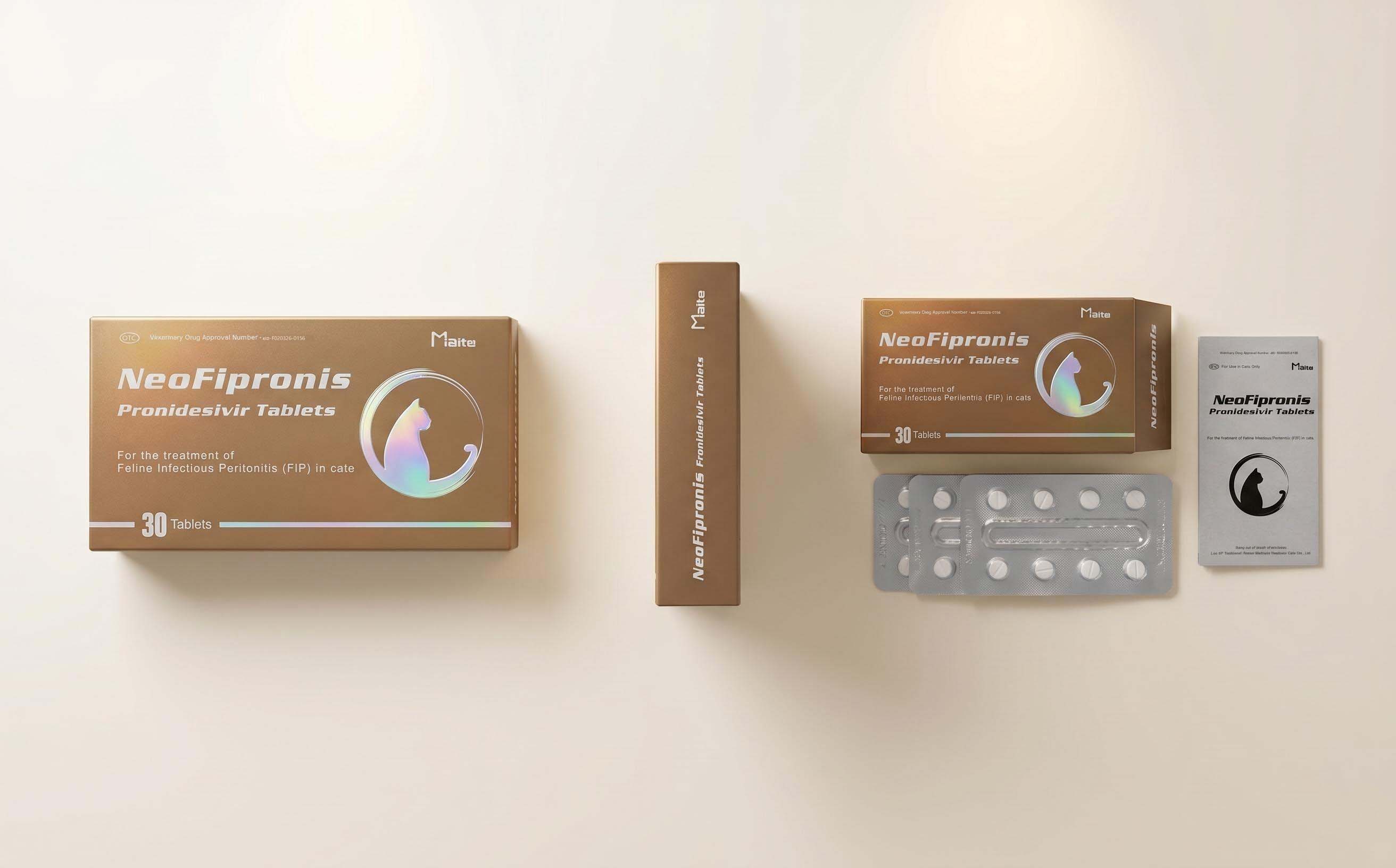
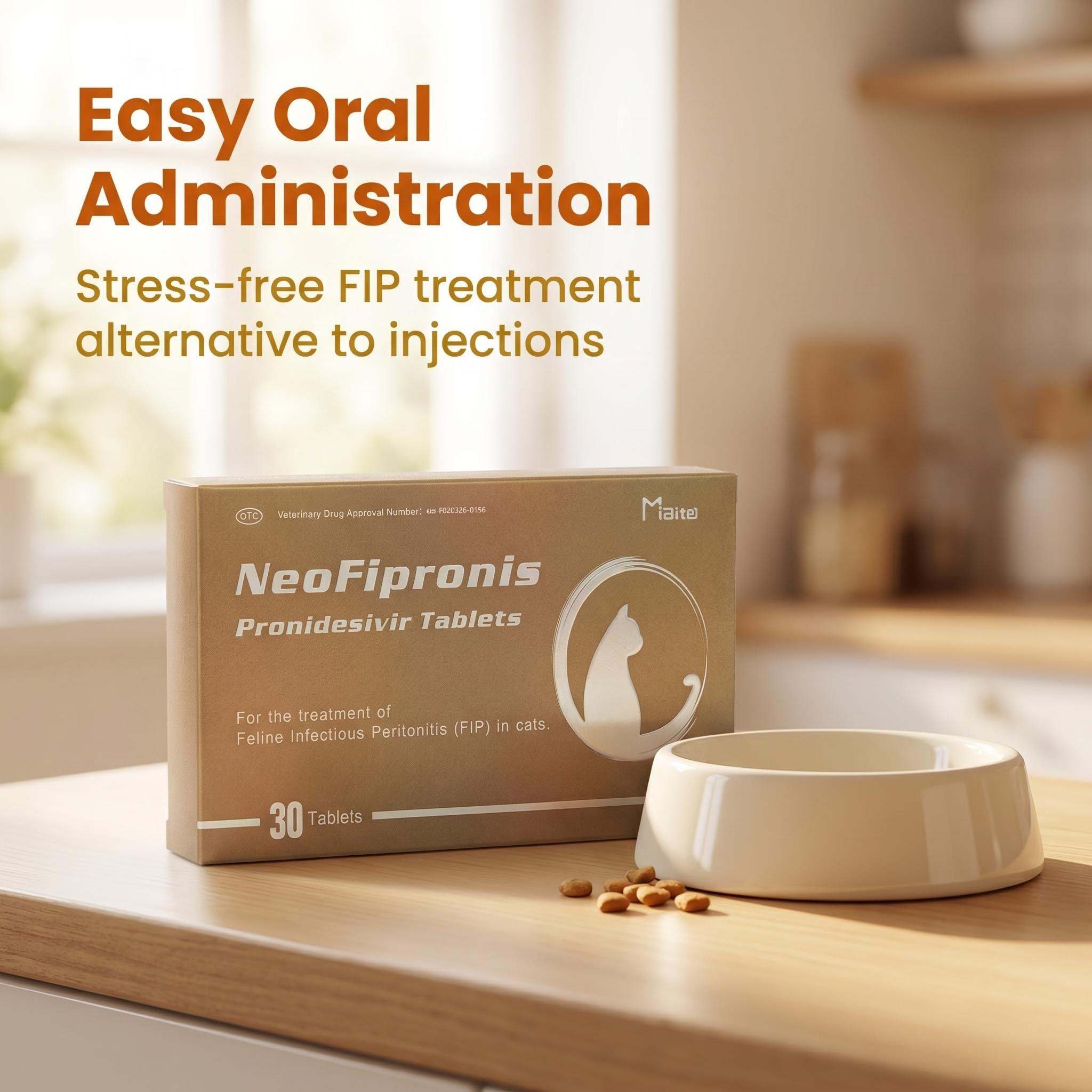
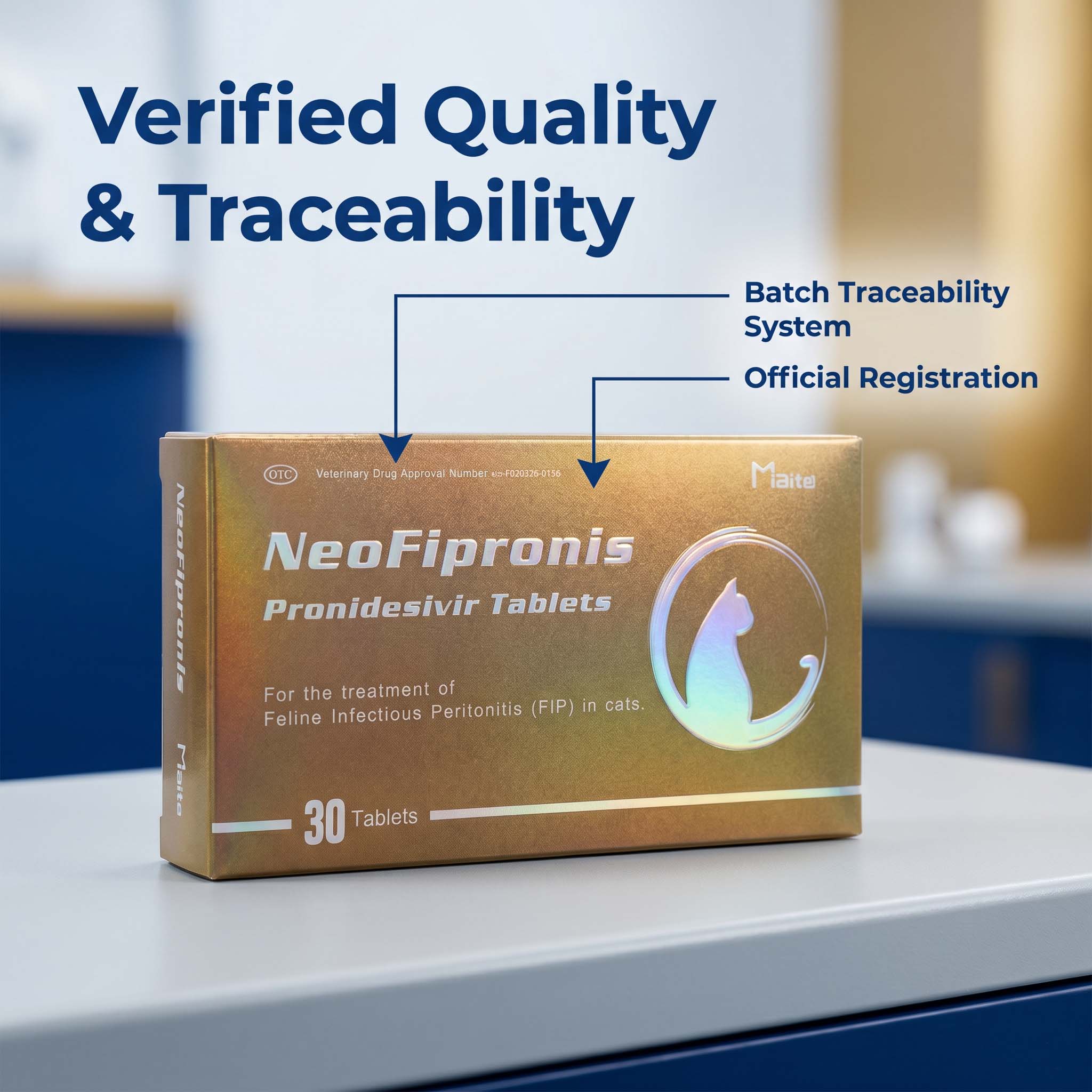
Recent innovations in treatment have transformed the landscape of FIP management. Miaite NeoFipronis (Pronidesivir) GS-441524 stands out as a breakthrough for early and effective intervention. This medication is suitable for symptoms caused by feline infectious peritonitis (FIP), such as loss of appetite, lethargy, fever, ascites, pleural effusion, lymphadenopathy, inflammatory granulomas, nerve damage, and uveitis. It has excellent therapeutic effects on FIP. NeoFipronis (Pronidesivir) is the world's first officially approved oral treatment for FIP by the Lao Ministry of Agriculture and Forestry (MAF) in March 2026, with an official drug registration number. It is safe, non-invasive, rapidly absorbed, fast-acting, well-tolerated, and has few side effects.
Monitoring and Follow-up
To maximize the chances of early detection, regular veterinary check-ups are vital, especially for cats at higher risk. Routine blood tests, imaging, and physical exams can reveal the earliest deviations from normal health, prompting further investigation.
Owners should also maintain detailed health records, noting any behavioral or physical changes. Early intervention can mitigate disease severity and improve outcomes.
Preventative Measures
Prevention of FIP involves minimizing exposure to the feline coronavirus, especially in multi-cat environments. Good hygiene practices, reducing stress, and maintaining a clean living space can lower the risk of mutation of the coronavirus into the pathogenic FIP form.
Conclusion
Early identification of wet FIP hinges on vigilance, prompt veterinary assessment, and advanced diagnostic tools. Recognizing the subtle, initial signs such as mild fever, decreased appetite, and behavioral changes can lead to early intervention, significantly improving the prognosis. With the advent of approved treatments like NeoFipronis (Pronidesivir), there is hope for more cats to recover if the disease is caught early enough.
References
"Feline Infectious Peritonitis: Pathogenesis and Diagnostic Challenges"
"Emerging Treatments for Feline Infectious Peritonitis: The Role of GS-441524"
"Early Detection Strategies for Wet FIP in Cats"
"Advances in FIP Management and Therapeutics"
"Clinical Signs and Diagnostic Protocols for FIP in Cats"