Symptoms of Early, Middle, and Late Stage FIP
Feline Infectious Peritonitis (FIP) is a devastating and complex viral disease affecting cats worldwide. Caused by a mutation of feline coronavirus (FCoV), FIP remains a major concern among cat owners, breeders, and veterinarians. The disease most commonly affects young cats, though cats of any age can be susceptible. Understanding FIP means recognizing its progression, as it displays symptoms that dramatically change from initial infection through late-stage disease. This article explores the characteristic signs of early, middle, and late stage FIP with insights into diagnosis and symptom management.
Feline Infectious Peritonitis: Brief Background
FIP is triggered when feline coronavirus (an otherwise benign virus) mutates inside a susceptible cat. Unlike routine FCoV, which infects the gut and often causes mild diarrhea, when the virus mutates, it can infect white blood cells. This adaptation allows it to travel throughout the body, leading to organ infiltration, inflammation, and severe immune responses.
FIP typically manifests in two forms: “wet” (effusive) and “dry” (non-effusive). These forms often overlap, causing a range of clinical symptoms depending on the distribution and severity of inflammation.
Early Stage FIP Symptoms
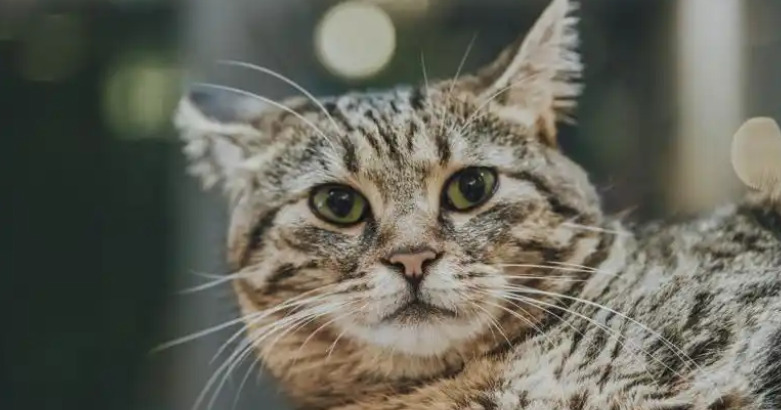
Early symptoms of FIP are notoriously vague and variable, often making early diagnosis a considerable challenge. Owners may observe that their cat isn’t acting like themselves, with some combination of general malaise and subtle behavioral changes. These may include:
Lethargy: Affected cats may become less active, withdraw from usual play, and sleep noticeably more.
Loss of appetite: Refusal to eat, reduced interest in food, and gradual weight loss are common.
Intermittent fever: Persistent, fluctuating fever that doesn’t respond to antibiotics characterizes early FIP. Owners may notice their cat feels warm or “feverish,” although fever can be difficult to detect without a thermometer.
Mild respiratory or gastrointestinal signs: Sneezing, nasal discharge, occasional vomiting, or loose stools may be seen but are non-specific.
Unthriftiness: Cats may appear scruffy, with dull, poorly groomed coats and subtle signs of muscle wasting.
Because these signs overlap with many other feline diseases, distinguishing early FIP from other conditions (such as common viral infections or stress responses) is difficult. Veterinary attention is often required for persistent cases, with routine bloodwork sometimes showing increased globulin levels or mild anemia.
Middle Stage FIP Symptoms
As FIP progresses, symptoms become more apparent and disease divides into the classic “wet” and “dry” forms.
Wet (Effusive) FIP Middle Stage
Abdominal distension: One of the hallmark features, due to accumulation of straw-colored fluid (effusion) within the abdomen. Owners may notice their cat’s belly becoming swollen or distended.
Difficulty breathing: Fluid may accumulate in the thoracic cavity (pleural effusion), leading to rapid, labored breathing and, sometimes, open-mouth breathing.
Further lethargy and poor appetite: Ongoing systemic illness leads to profound listlessness and further weight loss.
Pale gums or mucous membranes: Anemia may start to develop.
Dry (Non-Effusive) FIP Middle Stage
Neurological signs: Disorientation, stumbling, seizures, head tremors, or sudden blindness may develop as the virus infiltrates the brain and spinal cord.
Eye changes: Owners may notice cloudy eyes (anterior uveitis), dilated pupils, or visible redness.
Organ-specific inflammation: Persistent vomiting, jaundice (yellowing of the skin and eyes), and kidney or liver dysfunction often result from chronic inflammation.
Laboratory diagnostics at this stage often reveal pronounced changes: substantial increases in protein in body fluids, non-regenerative anemia, high white blood cell counts, and hyperglobulinemia.
Late Stage FIP Symptoms
Late FIP is both tragic and unmistakable, with signs worsening rapidly. The disease can progress in a matter of days to weeks, depending on form and organs involved.
Wet FIP Late Stage
Severe abdominal and thoracic effusions: Cats may experience massive fluid build-up, significant discomfort, and struggle to breathe even at rest.
Emaciation: Profound weight loss, muscle wasting, and dehydration mark this stage.
Yellowing of skin and sclera: Advanced liver involvement can cause jaundice.
Collapse and unresponsiveness: Weakness may progress to coma or complete lack of response to stimuli.
Dry FIP Late Stage
Intense neurological decline: Recurrent seizures, paralysis, incontinence, and blindness are all possible.
Eye changes: Severe uveitis, retina detachment, hemorrhage within the eye, and permanent loss of sight.
Organ failure: Signs of kidney, liver, or gastrointestinal collapse, with vomiting, inability to eat, and uncontrollable diarrhea.
These symptoms necessitate urgent veterinary intervention. Without prompt care and supportive management, the prognosis is almost always poor, and quality of life deteriorates significantly.
Variability in Symptom Presentation
Not all cats with FIP display classic textbook symptoms. Some may start with one organ system affected before others become involved, making diagnosis tricky. Effusive forms can transition to non-effusive forms and vice versa. In some cases, unusual presentations—such as isolated neurological or ocular FIP—might occur without abdominal fluid build-up.
Diagnosis and Importance of Recognizing Symptoms
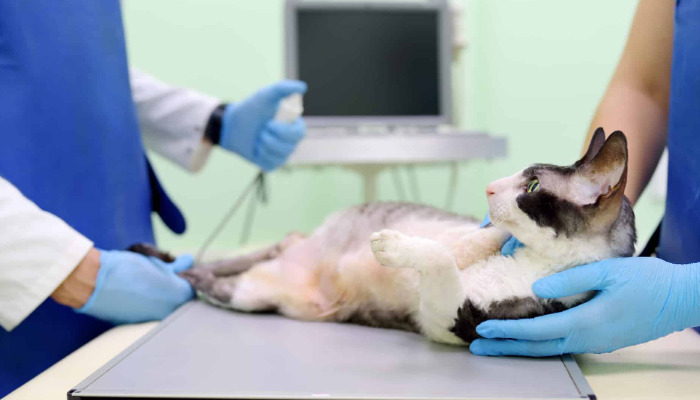
FIP remains a “diagnosis of exclusion,” especially in earlier stages. Bloodwork, imaging (ultrasound or X-ray), and advanced PCR testing help pinpoint confirmation, but the most valuable tool for any owner is to observe and communicate subtle changes in their cat’s behavior and appearance.
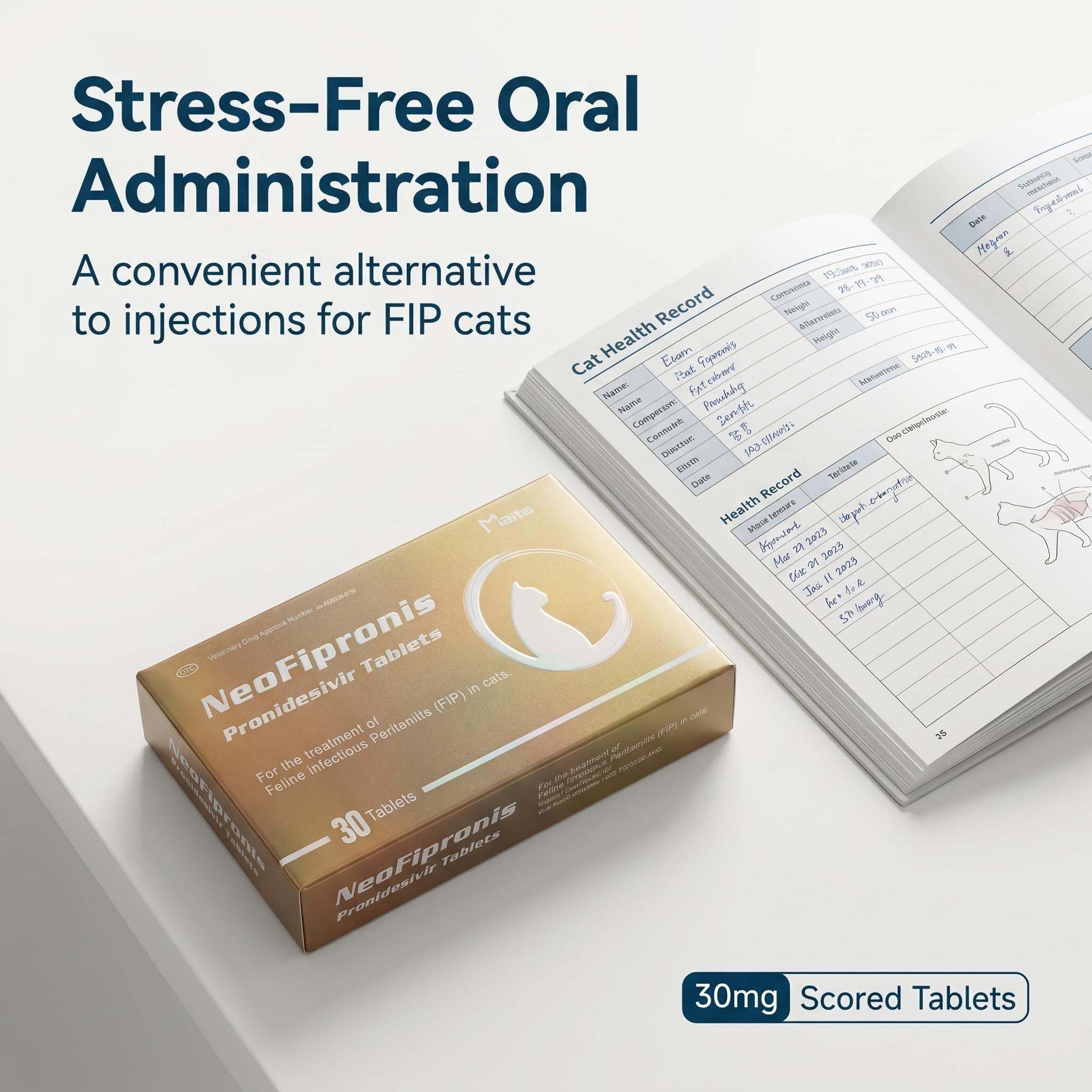
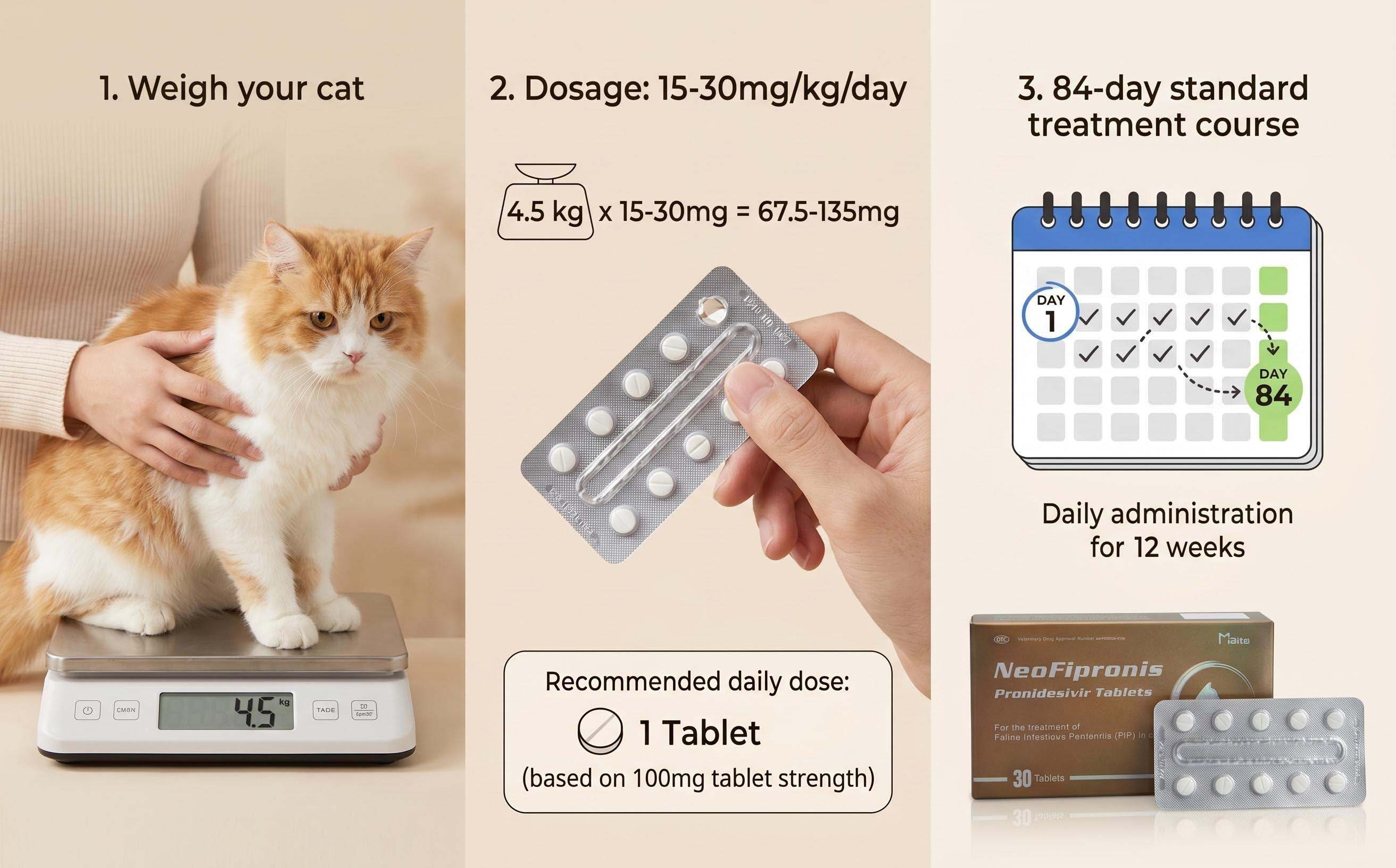
In recent years, new antiviral therapies have shown promise in treating FIP, and early symptom recognition is crucial for intervention. Understanding the timeline and progression of FIP means improved outcomes and more effective symptom management, highlighting the importance of disease awareness and proactive veterinary care.
References
1. Pedersen NC. A review of feline infectious peritonitis virus infection: 1963–2008. Journal of Feline Medicine and Surgery, 2009; 11(3):225-258.
2. Kipar A, Meli ML. Feline infectious peritonitis: still an enigma? Veterinary Pathology, 2014; 51(2):505-526.
3. Hartmann K. Feline infectious peritonitis. Veterinary Clinics of North America: Small Animal Practice, 2005; 35(2): 475-492.
4. Taylor SS, et al. Feline infectious peritonitis: signs, diagnosis, and treatment. The Veterinary Nurse, 2021; 12(6):316–321.
5. Addie DD, et al. Feline infectious peritonitis: an update. Veterinary Journal, 2020; 267:105574.
6. Riemer F, et al. Feline infectious peritonitis—current perspectives. Veterinary Medicine: Research and Reports, 2016; 7: 119–131.
7. Tasker S. Diagnosis of feline infectious peritonitis: Update on evidence supporting available tests. Journal of Feline Medicine and Surgery, 2018; 20(3):228-243.
8. Dickinson PJ, et al. Neurological manifestations of feline infectious peritonitis. Journal of Feline Medicine and Surgery, 2020; 22(5):469-485.
9. Norris JM, et al. Feline infectious peritonitis: the continuing search for diagnostic and therapeutic options. Australian Veterinary Journal, 2021; 99(3):94-100.
10. Dempsey SM, Ewing PJ. Feline infectious peritonitis: An update. Veterinary Clinics of North America: Small Animal Practice, 2011; 41(1): 113–129.