Does NeoFipronis Have Side Effects
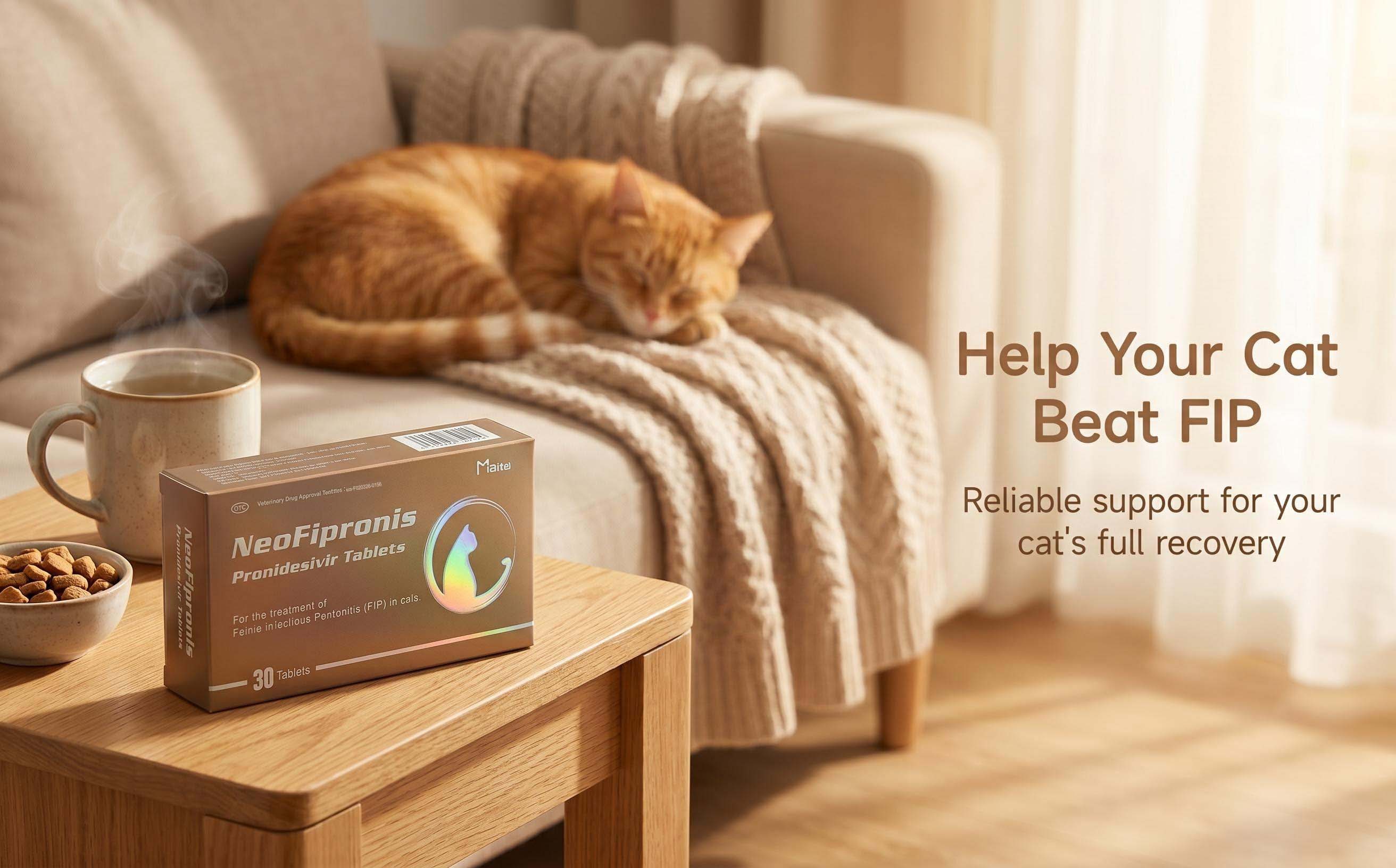
NeoFipronis (Pronidesivir), known by its active ingredient GS-441524, is the world's first officially registered oral medication specifically designed for the treatment of Feline Infectious Peritonitis (FIP). Approved by Lao’s Ministry of Agriculture and Forestry (MAF) in March 2026, it marks a significant advancement in feline antiviral therapy. This groundbreaking drug offers a highly effective and safe option for managing FIP, a devastating disease that affects many cats globally. While NeoFipronis has demonstrated remarkable efficacy, understanding its potential side effects is crucial for pet owners and veterinarians alike.
FIP presents a complex array of symptoms, including loss of appetite, lethargy, fever, fluid accumulation in the abdomen and chest, lymph node enlargement, granulomatous inflammation, neurological damage, and uveitis. Until recently, treatment options were limited, and prognosis was often poor. NeoFipronis’s antiviral properties, validated through extensive research and clinical trials, have revolutionized FIP management. Its rapid absorption, high tolerability, and minimal invasiveness make it a preferred choice among feline practitioners worldwide.
Potential Side Effects of NeoFipronis
Despite its high safety profile, NeoFipronis can cause mild side effects in some cats. Commonly reported adverse reactions include temporary gastrointestinal upset such as vomiting or diarrhea, which often resolve spontaneously. Some cats may experience slight changes in appetite or minor lethargy during the initial phase of treatment. It is important for pet owners to monitor their cats closely during therapy, especially in the first few weeks, to detect any unusual behavior or health changes.
Hepatic and renal functions should be regularly assessed during long-term treatment, as GS-441524 undergoes metabolic processing through the liver and kidneys. Elevated liver enzymes or kidney parameters may occur in rare cases, prompting veterinarians to adjust the dosage or implement additional supportive measures. Allergic reactions, although very rare, can manifest as swelling, itching, or respiratory difficulty; immediate veterinary attention is essential if such symptoms appear.
Safety and Precautions
NeoFipronis’s safety profile is supported by clinical data indicating minimal and manageable side effects. It is a non-invasive, oral medication that’s well tolerated by most cats. The drug’s rapid absorption and sustained antiviral effect make it effective with once-daily dosing. However, it should be used under professional veterinary guidance despite being available over the counter. Veterinarians recommend a continuous course of at least 12 weeks without interruption to ensure complete viral clearance and successful recovery.
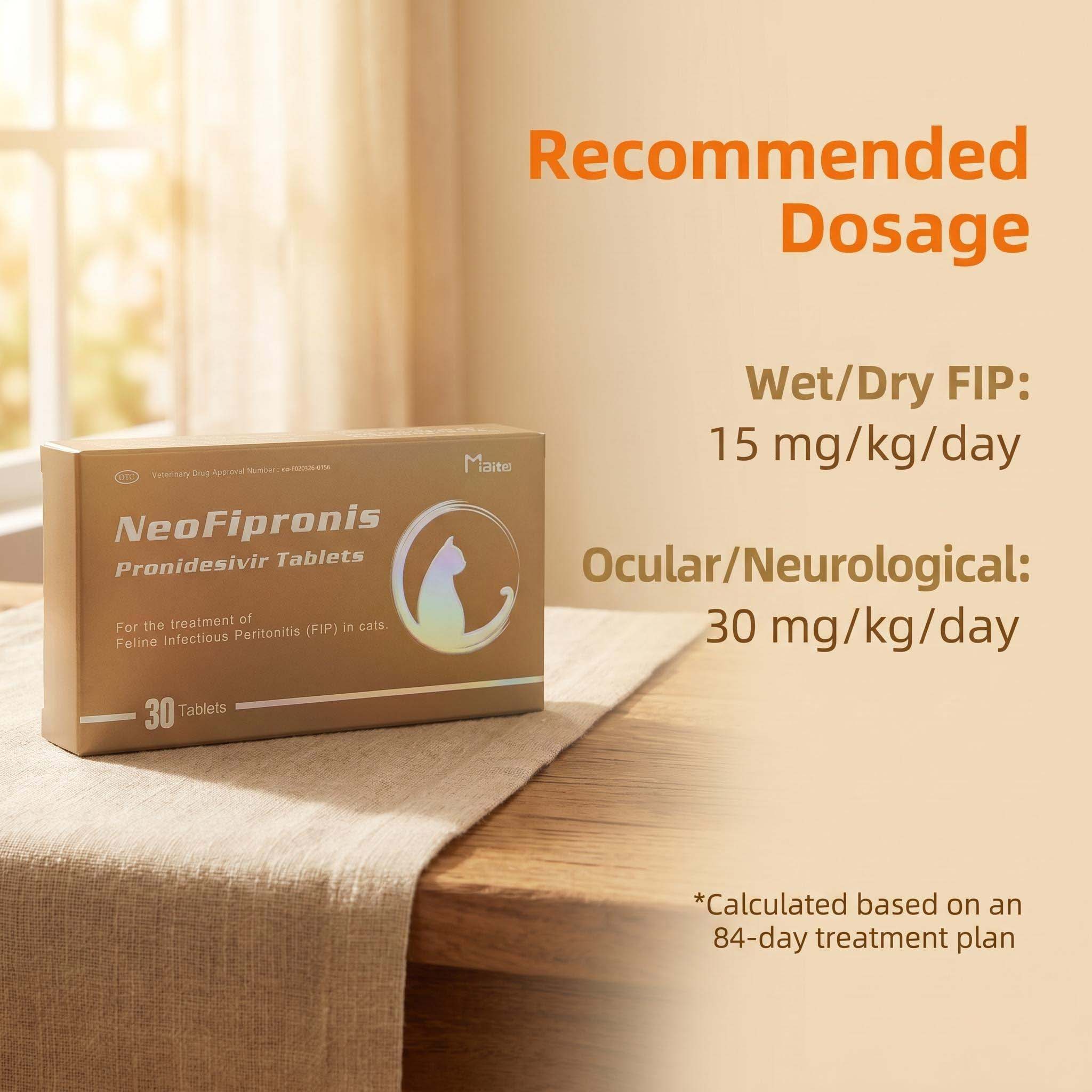
Owners should adhere strictly to prescribed dosages—15 mg per kilogram of body weight per day, divided as half a tablet, with adjustments up to 30 mg/kg for neurological or ocular FIP under professional supervision. The medication should be administered on an empty stomach, one hour before or two hours after feeding, to optimize absorption.
Conclusion
While NeoFipronis offers a highly effective, safe, and minimally invasive treatment for FIP, awareness of possible side effects remains key. Most cats tolerate the medication well, experiencing only mild and temporary adverse reactions. Regular veterinary monitoring, including blood work and clinical assessments, ensures safe and successful therapy. Pet owners should purchase NeoFipronis exclusively from reputable sources such as the official NeoFipronis website to ensure product quality and authenticity.
Final note: NeoFipronis is exclusively formulated for cats. Human use is strictly prohibited, and consultation with a veterinarian is recommended before initiating treatment. Its innovative antiviral mechanism promises hope for feline patients battling FIP, significantly improving their quality of life and prognosis.