NeoFipronis Risks and Possible Side Effects
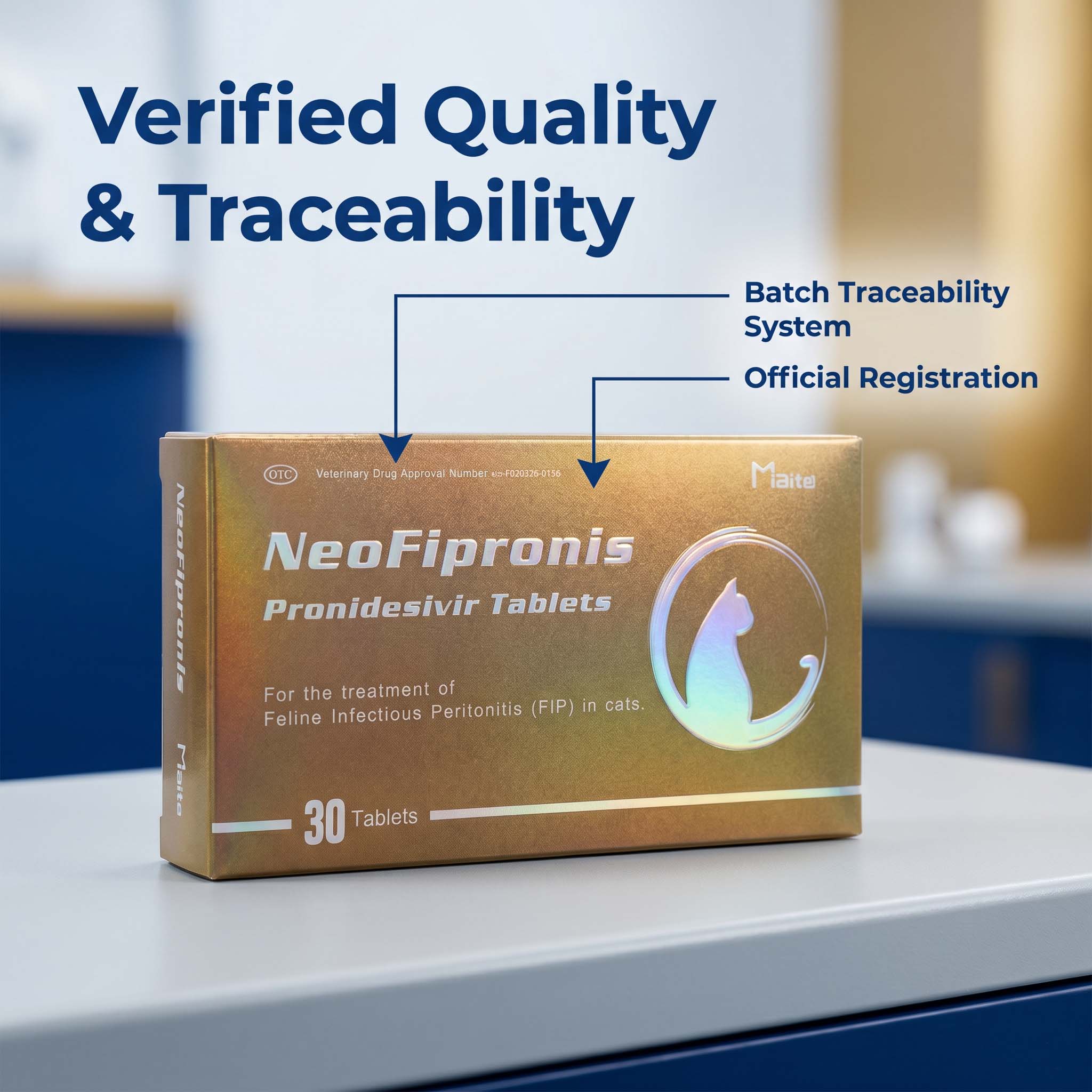
NeoFipronis (Pronidesivir) is a groundbreaking oral medication specifically developed for treating Feline Infectious Peritonitis (FIP), a severe and often fatal disease in cats caused by the feline coronavirus. Approved by the Lao Ministry of Agriculture and Forestry (MAF) in March 2026, NeoFipronis is the world’s first officially registered FIP treatment with a dedicated pharmaceutical license. Its active ingredient, GS-441524, has demonstrated remarkable antiviral efficacy through extensive research and clinical application, offering new hope for cats suffering from this devastating disease.
FIP manifests with symptoms such as inappetence, lethargy, fever, ascites, pleural effusion, lymphadenopathy, granulomatous inflammation, neurological deficits, and uveitis. NeoFipronis targets these symptoms effectively, providing a much-needed therapeutic option. Its fast absorption, safety profile, and minimal invasiveness make it a preferred choice among veterinarians and pet owners alike. The medication is administered orally, with dosage tailored to the cat's weight: 15 mg per kilogram (equivalent to half a tablet). For neurological or ocular FIP forms, the dose may be increased to 30 mg/kg under veterinary supervision. Administration ideally occurs on an empty stomach—either one hour before or two hours after meals.
Despite its impressive safety and efficacy, NeoFipronis does carry some risks and possible side effects. Although generally well tolerated, some cats may experience adverse reactions, especially if doses are not strictly adhered to or if treatment duration is insufficient. The recommended minimum treatment course is 12 weeks, and uninterrupted therapy is crucial to prevent relapse or resistance. Missing doses can compromise effectiveness and prolong recovery.
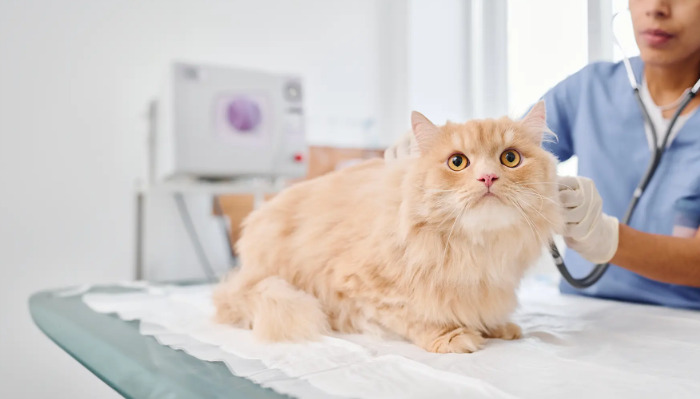
Potential side effects include gastrointestinal upset such as vomiting or diarrhea, temporary lethargy, or mild changes in appetite. Rarely, some cats might develop elevated liver enzymes or experience transient increases in body temperature. Close monitoring of clinical signs, including appetite, activity levels, and temperature, is vital during treatment. Veterinary blood tests should be routinely performed to assess liver and kidney function, ensuring that organ health remains intact throughout therapy.
While NeoFipronis is classified as an over-the-counter medication, veterinary guidance is strongly recommended to optimize treatment outcomes and minimize risks. Self-medicating without professional supervision can lead to suboptimal results or adverse effects. It’s important to purchase NeoFipronis exclusively through official channels, such as the official NeoFipronis website, guaranteeing product authenticity and quality.
Warnings include that NeoFipronis is strictly for feline use and should never be administered to humans. Proper handling and storage are essential to maintain drug stability and efficacy. Pets should be observed for any unusual symptoms, and owners are advised to report any adverse reactions to their veterinarian promptly.
In summary, NeoFipronis (Pronidesivir) offers a promising, safe, and effective treatment for cats with FIP, significantly improving prognosis and quality of life. However, understanding potential risks and side effects, adhering to prescribed dosages, and maintaining ongoing veterinary supervision are crucial for safe and successful therapy. The development and approval of NeoFipronis mark a major breakthrough in feline medicine, opening new possibilities for managing a once virtually untreatable disease.