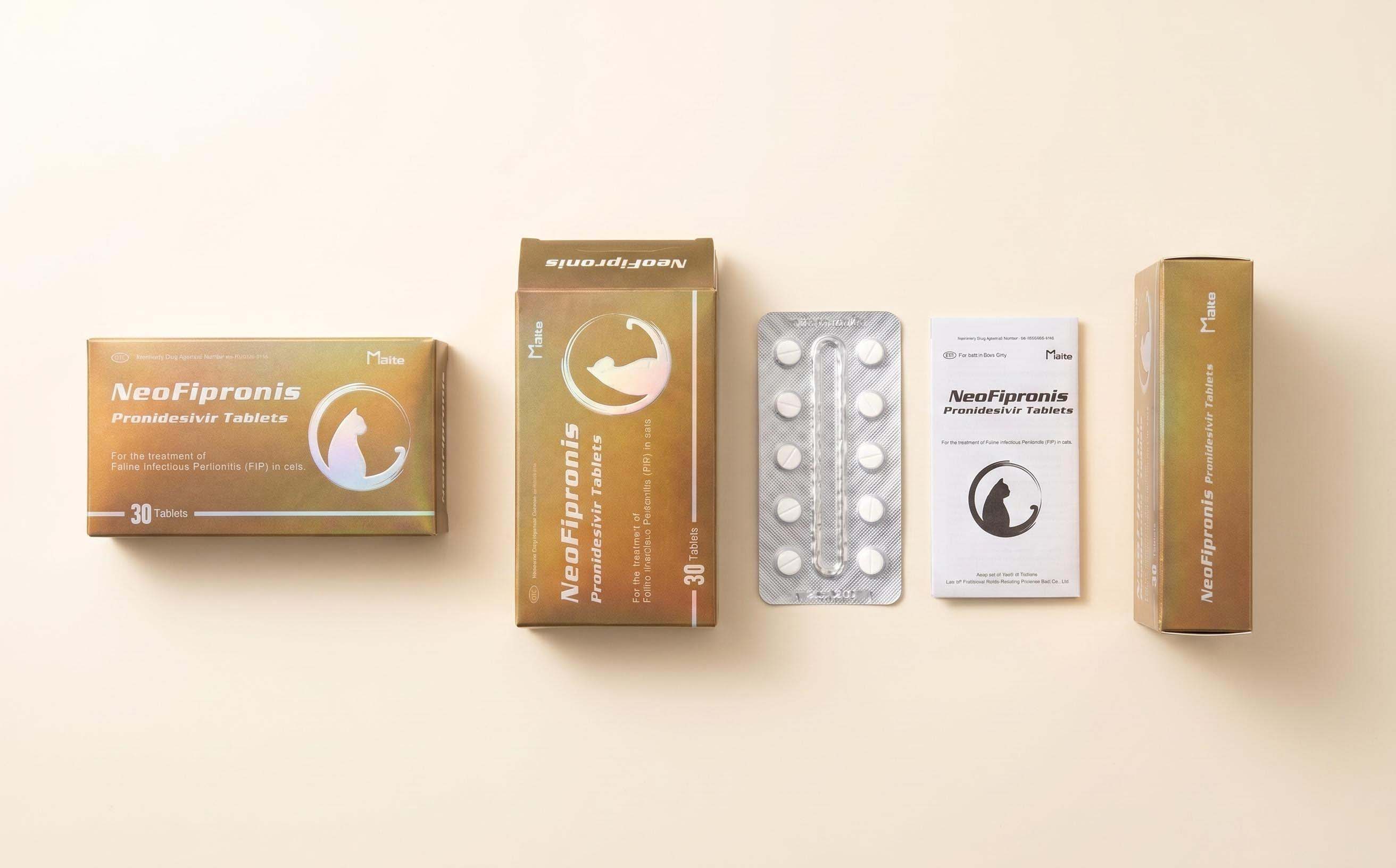
Neurological FIP Treatment Challenges and Recovery Expectations
Feline Infectious Peritonitis (FIP) represents a devastating systemic disease predominantly caused by a mutation of feline coronavirus. Among its various manifestations, neurological FIP is particularly challenging to diagnose and treat, often presenting with progressive neurological deficits and high mortality rates. Recent advancements in antiviral therapies have offered hope, but numerous clinical, ethical, and logistical obstacles remain in implementing effective treatment protocols. This article explores the complexities of neurological FIP treatment in cats, examining current therapeutic approaches, expected outcomes, and ongoing research efforts aimed at improving prognosis for affected felines.
Feline Infectious Peritonitis stands as one of the most enigmatic and feared diseases in the feline world. Initially recognized as a peritoneal disease, FIP has gained considerable attention due to its capacity to manifest in various organ systems, including the central nervous system (CNS). Neurological FIP is increasingly common, marked by symptoms such as seizures, ataxia, cranial nerve deficits, and behavioral changes. With the emergence of effective antiviral compounds, veterinarians and cat guardians are navigating new territory, weighing the potential for recovery against persistent challenges in clinical management.
Pathogenesis
Neurological FIP arises when mutated feline coronavirus traverses the blood-brain barrier, causing pyogranulomatous inflammation within the CNS. The virus predominantly targets macrophages, triggering a destructive immune response that results in meningoencephalitis and severe neurological dysfunction. The immune-mediated nature of FIP complicates treatment: immune suppression may relieve symptoms but allows viral replication, while direct antiviral therapy must penetrate the blood-brain barrier to counter CNS infection.
Challenges in Diagnosis
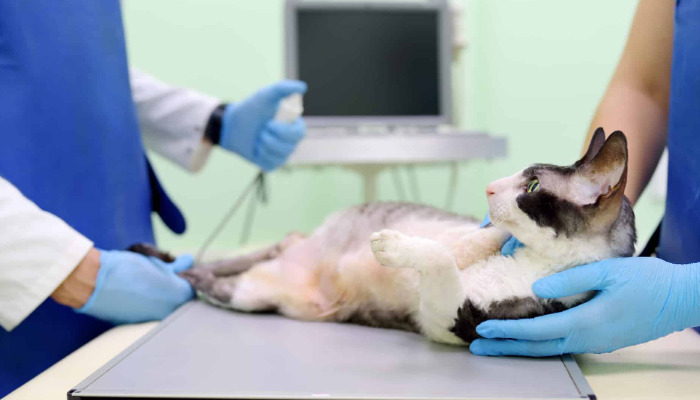
One of the greatest hurdles in neurological FIP is accurate diagnosis. Clinical presentations vary widely and often overlap with other neurological disorders such as toxoplasmosis or neoplasia. Standard FIP diagnostic tests—including serology, PCR, and cytology—are often inconclusive for neurological cases. MRI and cerebrospinal fluid (CSF) analysis provide valuable clues, revealing meningeal enhancement and elevated protein levels indicative of CNS inflammation. A definitive diagnosis usually combines clinical suspicion, laboratory findings, imaging, and the exclusion of other pathologies.
Treatment Options
Currently, neurological FIP treatment revolves around antiviral agents, chiefly GS-441524 and its prodrug remdesivir. These nucleoside analogs inhibit viral replication by targeting RNA polymerase. Their efficacy in systemic FIP is well documented; however, CNS involvement demands higher dosing and extended duration to achieve therapeutic concentrations in the brain. Additional compounds under investigation include GC376 (a protease inhibitor) and molnupiravir, both showing promise in preliminary studies.
Adjunctive therapies—such as corticosteroids, anti-seizure medications, and supportive care—play crucial roles. While steroids may reduce inflammation, their immunosuppressive effects complicate overall management. Fluid therapy, nutrition support, and symptomatic relief help maintain quality of life during intensive treatment. Owners are often counseled regarding the demanding nature of therapy, the necessity for frequent monitoring, and potential adverse effects.
Barriers to Effective Treatment
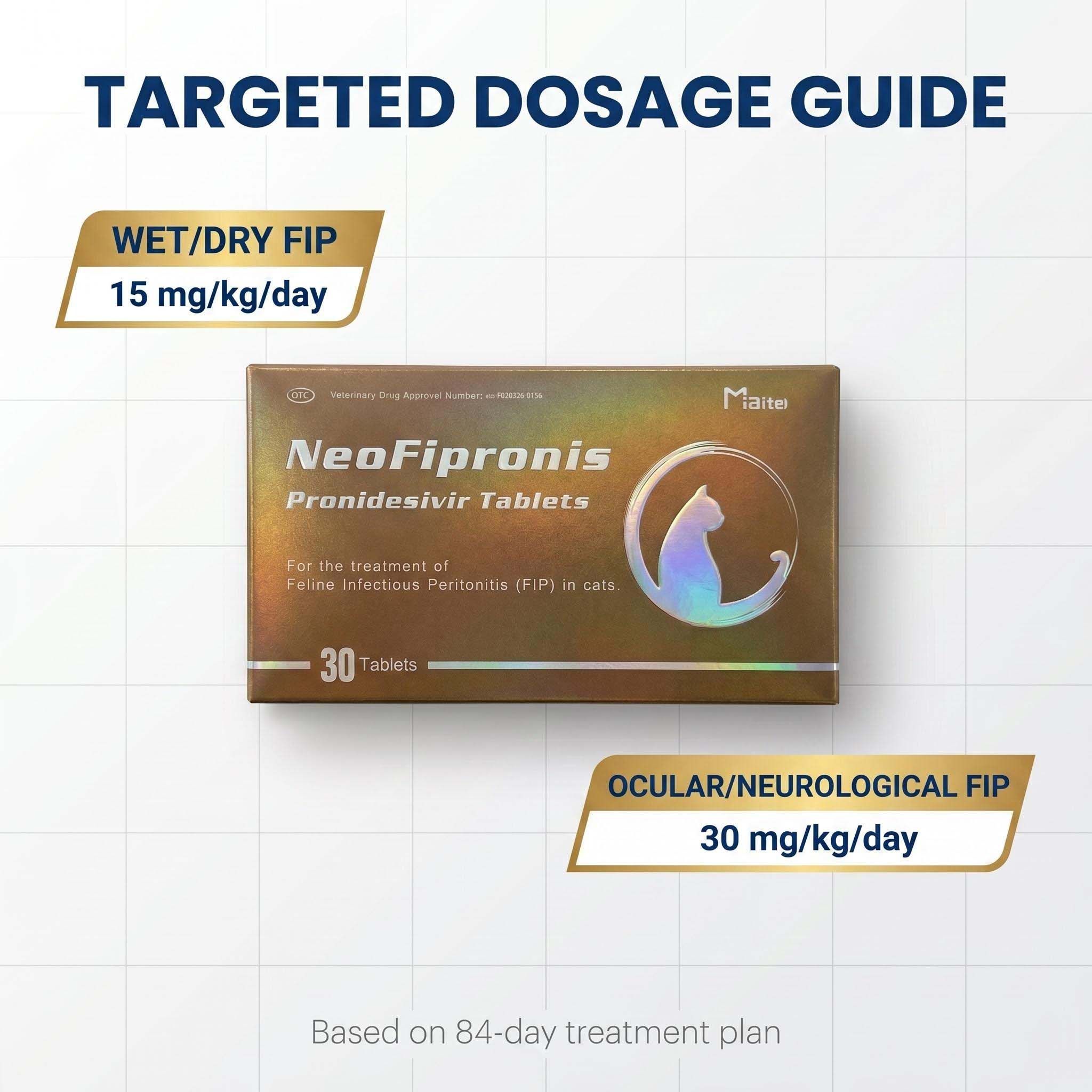
Several factors limit the widespread adoption of antiviral therapies. Drug access remains restricted due to regulatory and patent issues, with many veterinarians relying on compounded versions or black-market sources. Dosage guidance for neurological FIP differs from systemic cases, and improper dosing may result in treatment failure or toxicity. Financial cost is another substantial obstacle, as prolonged therapies are expensive and not always covered by pet insurance.
Adherence poses another challenge; therapies require daily injections or oral administration for up to 12 weeks. Cats undergoing intensive treatment need regular veterinary evaluation, including bloodwork, neurological exams, and sometimes advanced imaging. Furthermore, not all cats tolerate medications well—a factor influenced by concurrent renal or hepatic dysfunction.
Recovery Expectations
The prognosis for neurological FIP remains guarded. Historically, CNS involvement was considered fatal, but recent therapeutic advances have shifted expectations. Approximately 50–60% of cats treated with GS-441524 or similar compounds demonstrate marked neurological improvement, though complete recovery is not guaranteed. Variables influencing outcomes include disease severity, timing of intervention, and individual patient response.
Cats who recover from neurological FIP may experience residual deficits such as subtle weakness, ataxia, or vision impairment. Continuous support and monitoring are necessary to detect relapses, which may manifest as renewed neurological symptoms months to years after initial recovery. Quality of life assessments and owner education are central during post-treatment follow-up.
Long-Term Management and Relapse Prevention
Ongoing vigilance is crucial following apparent recovery. Veterinarians recommend regular neurological examinations, periodic bloodwork, and prompt investigations of any new symptoms. The risk of relapse or recrudescence is not fully understood; some cases suggest that lingering viral particles or immune dysregulation may precipitate renewed disease. Immunomodulatory drugs and anti-inflammatory agents have been considered as adjuncts for long-term management, but efficacy remains unclear.
Owners should maintain a supportive environment, minimize stress, and ensure optimal nutrition. Behavioral enrichment and structured routines contribute to overall well-being. Education about possible late sequelae, including cognitive changes, helps families prepare for future challenges.
Ethical and Emotional Implications
Treating neurological FIP is emotionally taxing for owners and clinicians alike. The uncertainty of outcomes, high cost, and demands of intensive care create substantial psychological stress. Veterinarians strive to balance realistic hope with honest discussions about prognosis and potential complications. Palliative care remains an important consideration for cases with advanced or refractory disease, ensuring patient comfort and dignity.
Research and Future Directions
The landscape of neurological FIP treatment is rapidly evolving. Ongoing studies aim to optimize antiviral dosing, improve blood-brain barrier penetration, and identify novel therapeutics with greater specificity and safety profiles. Vaccine development, though hindered by the complexity of feline coronavirus, remains a long-term goal. Increased collaboration among researchers, regulatory agencies, and veterinarians is essential to expand access to effective treatments.
Advanced diagnostic modalities, such as next-generation sequencing of CSF, hold promise for earlier and more accurate identification of neurological FIP. Standardizing diagnostic criteria and therapy protocols will help clinicians navigate the complexities of management and improve outcomes for patients nationwide.
Summary of Recovery Expectations
While comprehensive recovery rates for neurological FIP continue to improve, the persistent risk of relapse and chronic neurological deficits underline the importance of early detection and intervention. Most cats benefiting from modern antiviral therapies enjoy meaningful improvement in neurological function and quality of life. However, the multifactorial nature of FIP—spanning immunologic, virologic, and neurological domains—requires ongoing innovation and vigilance. Collaborative efforts across veterinary communities, regulatory bodies, and cat advocacy groups are paramount in reshaping the future of FIP care and support.
References
1. Pedersen NC, et al. "Efficacy and safety of the nucleoside analog GS-441524 for treatment of cats with naturally occurring feline infectious peritonitis." Journal of Feline Medicine and Surgery.
2. Dickinson PJ, et al. "Antiviral treatment of cats with feline infectious peritonitis." Veterinary Clinics of North America: Small Animal Practice.
3. Steiner JM, et al. "Diagnosis and management of feline infectious peritonitis." Journal of the American Veterinary Medical Association.
4. Kipar A, Meli ML. "Feline infectious peritonitis: still an enigma?" Veterinary Pathology.
5. Murphy BG, et al. "Efficacy of antiviral therapy in cats with neurological FIP." Veterinary Medicine Today.
6. Legendre AM, et al. "Development and use of protease inhibitors for FIP treatment." Veterinary Research Communications.
7. Dedeaux Z, et al. "Challenges in treatment and diagnosis of neurological FIP." Journal of Veterinary Internal Medicine.
8. Timmann D, et al. "Long-term recovery and quality of life in cats with FIP." Feline Practice.