Can a Cat’s Diet Be Changed During FIP Treatment

Feline Infectious Peritonitis (FIP) is one of the most challenging and complex diseases affecting domestic cats. Caused by a mutated form of the feline coronavirus, FIP often leads to severe health decline and requires careful management. Since nutrition plays a vital role in supporting a cat’s immune system and overall health, understanding whether and how a cat’s diet can be adjusted during FIP treatment becomes crucial for pet owners and veterinarians alike.
Understanding FIP and Its Impact
FIP manifests primarily in two forms: effusive (wet) and non-effusive (dry). Both types cause significant symptoms such as weight loss, lethargy, fever, and fluid accumulation in body cavities. Managing FIP is complicated, as no definitive cure exists; however, recent advances in antiviral therapies and supportive care have improved prognosis in some cases. During treatment, maintaining optimal nutrition is key to supporting the immune response and improving quality of life.
Nutritional Challenges in FIP Management
Cats with FIP often face decreased appetite, weight loss, and gastrointestinal disturbances. These issues complicate their nutritional intake, making dietary modifications essential. The goal is to provide easily digestible, highly palatable, and nutrient-dense food to prevent further deterioration.
Can Diet Be Changed During FIP Treatment?
Adjusting a cat’s diet during FIP treatment is both possible and often necessary. However, the changes should be made thoughtfully under veterinary guidance to ensure nutritional adequacy and support recovery.
Types of Dietary Adjustments
Increased Caloric Density: Cats suffering from weight loss require high-calorie diets to meet energy demands. Specialized commercial diets or home-prepared recipes with added fats can be beneficial.
Enhanced Protein Content: Adequate protein supports immune function and tissue repair. Moderate increases, especially with high-quality animal proteins, can help cats recover or maintain muscle mass.
Easily Digestible Food: Gastrointestinal symptoms may necessitate a shift to easily digestible diets such as highly digestible commercial formulas or boiled chicken and rice.
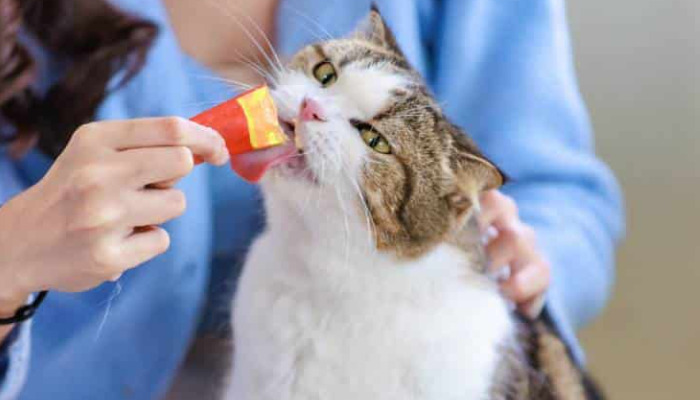
Palatability Enhancement: Cats undergoing illness often lose interest in food. Warming the food, adding flavor enhancers, or offering small, frequent meals can stimulate appetite.
Supplements and Additives: Omega-3 fatty acids, antioxidants, and vitamins can support immune health. These should be added based on veterinary advice.
Special Considerations
While some cats tolerate dietary changes well, others may have specific needs based on organ involvement or concurrent health issues. For example, cats with kidney involvement might require a low-protein diet, while those with gastrointestinal problems may need dietary fiber adjustments.
Risks of Excessive or Inappropriate Dietary Changes
Overly aggressive diet modifications without expert guidance can lead to nutritional imbalances, further gastrointestinal issues, or decreased intake. It is crucial to monitor the cat’s response and adjust as needed under veterinary supervision.
Integration with Medical Treatment
Diet modifications should complement medical treatments such as antivirals or corticosteroids, rather than replace them. Regular veterinary check-ups and monitoring bloodwork can help tailor dietary plans to the evolving needs of the cat.
The Role of Nutritional Support in Prognosis
Adequate nutrition can improve quality of life and potentially extend survival time, especially when combined with antiviral therapy. It also helps maintain strength and energy, which are vital during recovery or palliative care.
Practical Tips for Pet Owners
Consult your veterinarian before making any dietary changes.
Prioritize high-quality, easily digestible, and palatable foods.
Offer small, frequent meals to stimulate appetite.
Use nutritional supplements as recommended by your vet.
Monitor weight, activity levels, and appetite closely, adjusting diet as needed.
Conclusion
Dietary modifications during FIP treatment are both feasible and beneficial when executed with professional guidance. Tailoring nutrition to the cat’s specific needs can support immune function, improve comfort, and enhance the overall effectiveness of treatment plans. While no diet alone can cure FIP, proper nutritional management plays a critical supportive role in managing this complex disease.
References
1. Pedersen, N. C., & Liu, H. (2012). Feline infectious peritonitis: update. Veterinary Clinics of North America: Small Animal Practice, 42(3), 421-440.
2. Addie, D. D., & Jarrett, O. (2013). Feline coronavirus and feline infectious peritonitis. The Veterinary Journal, 198(2), 195-201.
3. Hartmann, K., et al. (2015). Feline infectious peritonitis: ABCD guidelines on prevention and management. Journal of Feline Medicine and Surgery, 17(7), 610-615.
4. Thiry, E., et al. (2017). Advances in understanding feline infectious peritonitis: the interplay between the virus and the immune system. Veterinary Immunology and Immunopathology, 193, 50-59.
5. Weng, H., & Pedersen, N. C. (2016). Nutritional management of cats with infectious diseases. Journal of Feline Medicine and Surgery, 18(1), 12-21.