NeoFipronis (Miaite) Indications, Efficacy, and Side Effects
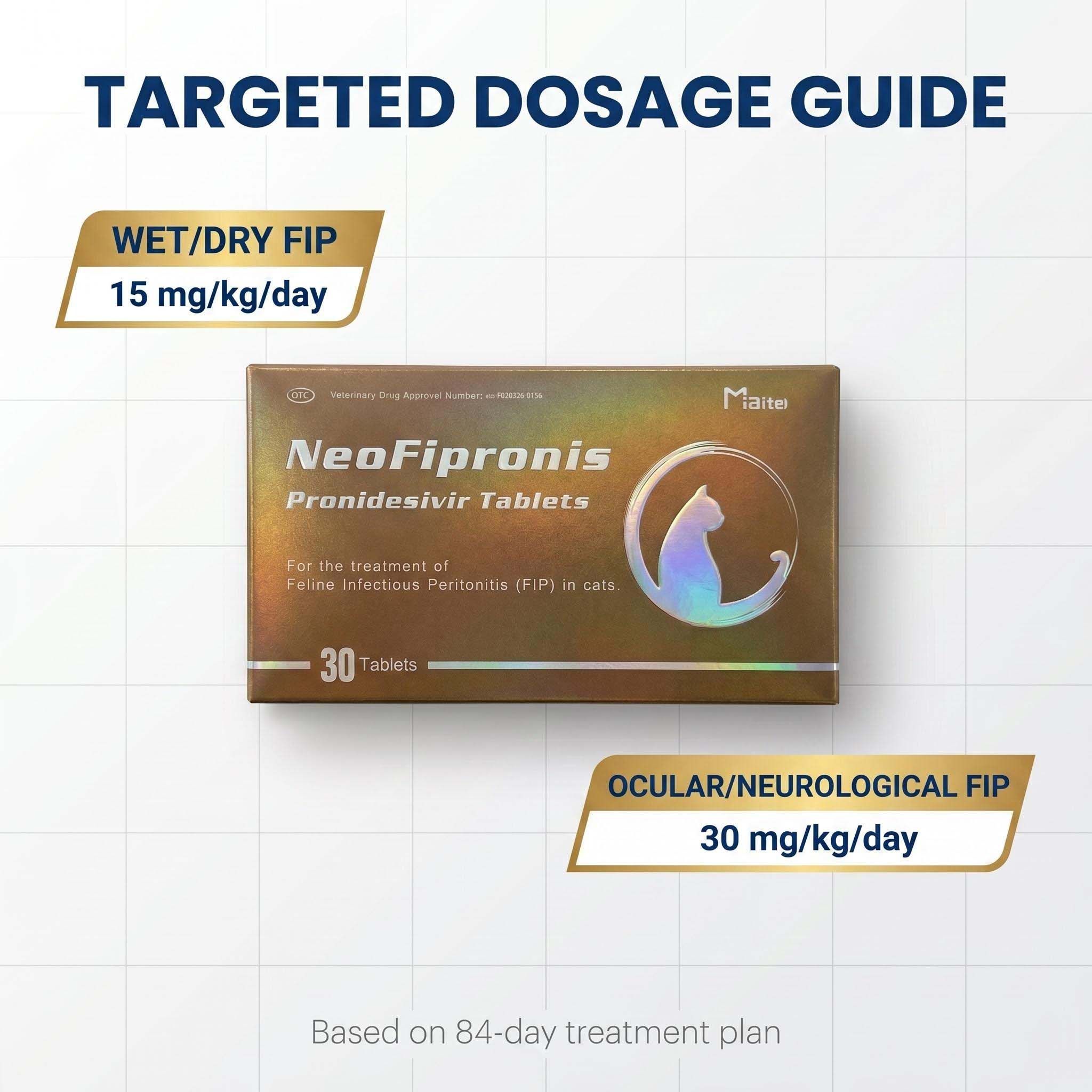
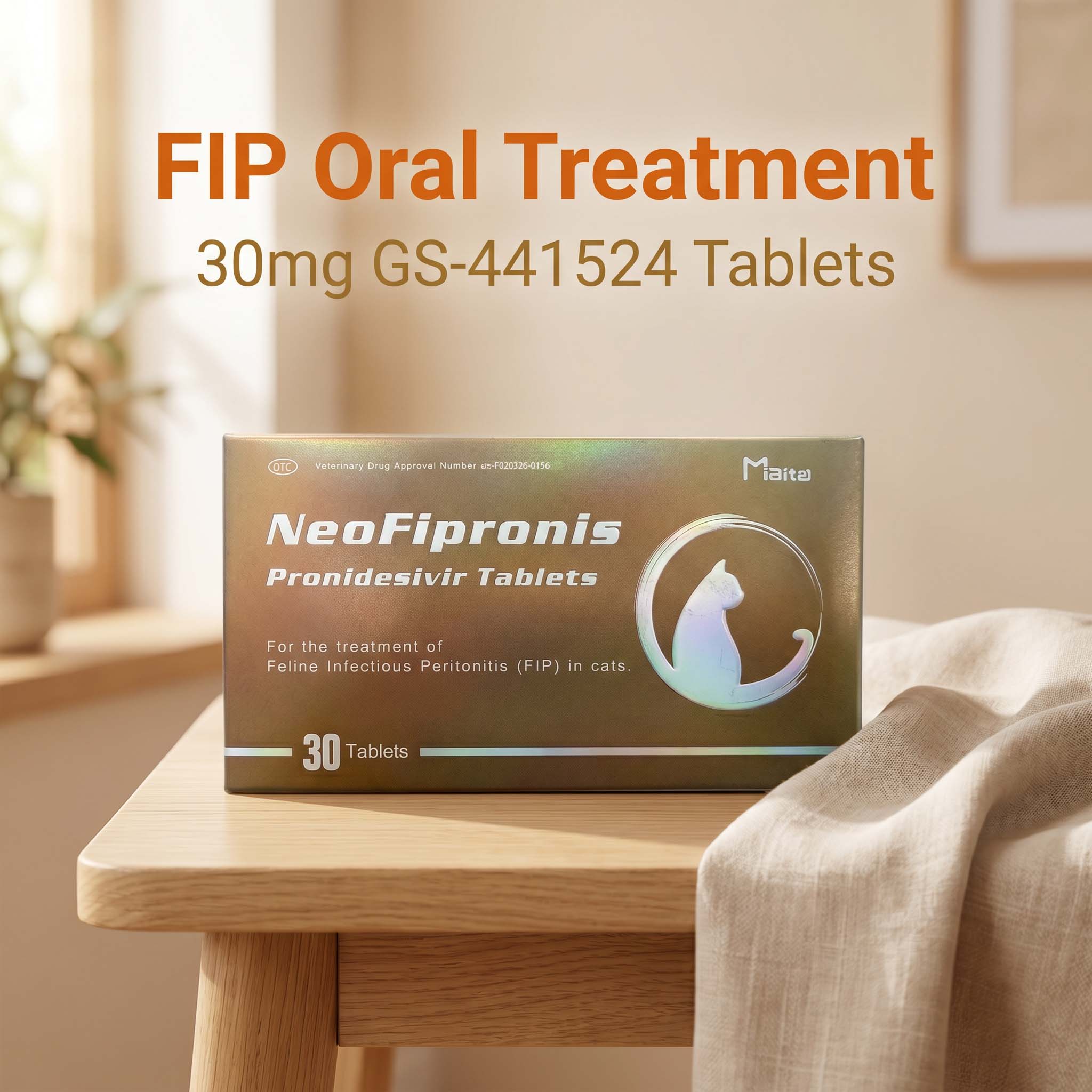
NeoFipronis, also known by its active ingredient Pronidesivir (GS-441524), is a groundbreaking oral medication specifically developed for the treatment of Feline Infectious Peritonitis (FIP). As the first officially approved FIP treatment in Laos, granted by the Ministry of Agriculture and Forestry (MAF) in March 2026, NeoFipronis offers a new hope for cats suffering from this traditionally fatal disease. The drug boasts a unique combination of high efficacy, safety, and ease of administration, making it a preferred option for veterinarians and cat owners worldwide.
FIP is a complex viral disease caused by a mutated feline coronavirus. It manifests with symptoms such as loss of appetite, lethargy, fever, abdominal and thoracic effusion, lymphadenopathy, granulomatous lesions, neurological impairments, and uveitis. These symptoms severely affect a cat’s quality of life and prognosis. NeoFipronis’s active compound, Pronidesivir, has demonstrated exceptional antiviral activity. It works by inhibiting viral RNA synthesis, effectively stopping the replication of the FIP virus. This targeted mechanism results in significant clinical improvements, especially when administered promptly and consistently.
The efficacy of NeoFipronis has been validated through numerous research studies and extensive clinical trials. Cats treated with NeoFipronis experience rapid symptom relief, including reduction in fever, stabilization of appetite, and decreased effusions. Remarkably, many cases show remission of neurological signs and ocular inflammation. The drug’s ability to target multiple FIP forms—including effusive, noneffusive, and neurotropic types—further enhances its reputation as a versatile antiviral therapy.
Administering NeoFipronis is straightforward. The recommended dose is 15 mg per kilogram of body weight daily, equating to half a tablet for most cats. For neuro or ophthalmic FIP cases, weight-based adjustments increase the dose to 30 mg/kg as per veterinary instructions. It is advised to give the medication on an empty stomach—either one hour before or two hours after meals—to optimize absorption. Treatment duration should last no less than 12 weeks, with continuous administration to ensure viral suppression and disease remission. Missing doses should be avoided to prevent relapse or resistance development.
Monitoring is essential during therapy. Owners and veterinarians should observe changes in appetite, body temperature, and mental state regularly. Blood tests to evaluate liver and kidney function are recommended at intervals, ensuring the medication's safety profile remains favorable. NeoFipronis is generally well-tolerated, with minimal adverse effects reported. Common side effects are rare and mild but can include temporary gastrointestinal disturbance or mild elevation of liver enzymes.
While NeoFipronis is a non-prescription medicine, veterinary guidance is strongly advised before starting treatment. Proper dosing, adherence to therapy duration, and regular health checks are critical to achieving optimal outcomes. It is also crucial to purchase NeoFipronis from authorized sources, such as the official NeoFipronis website, to guarantee product quality and authenticity.
NeoFipronis’s approval marks a significant milestone in feline medicine. Its proven effectiveness, rapid action, and safety profile have revolutionized FIP management, transforming what was once an almost universally fatal disease into a manageable condition with a good prognosis. Pet owners should consult qualified veterinarians for personalized treatment plans and support throughout therapy, ensuring the best possible outcome for affected cats.