How Much Does FIP Treatment Cost on Average
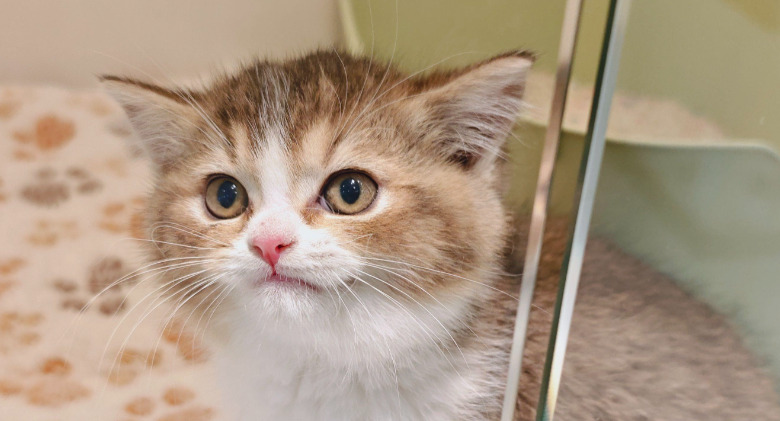
Feline Infectious Peritonitis (FIP) is a devastating disease that affects thousands of cats globally each year, with an especially emotional toll on pet owners. Once considered invariably fatal, groundbreaking treatments have recently changed outcomes, but these come at a significant cost. Understanding the average cost of FIP treatment, the factors influencing expenses, and ways to make therapy more affordable is crucial for responsible cat owners navigating this challenging journey.
What is FIP?
FIP arises from a mutation in the feline coronavirus. While most cats encounter the benign feline enteric coronavirus (FECV), only a small percentage experience viral mutation, allowing it to attack immune cells and spread throughout the body. Two main forms exist—wet (effusive), involving fluid accumulation, and dry (non-effusive), marked by granuloma formation in organs. The disease often presents with fever, lethargy, weight loss, and effusions, progressing rapidly if untreated.
Recent Advances in FIP Treatment
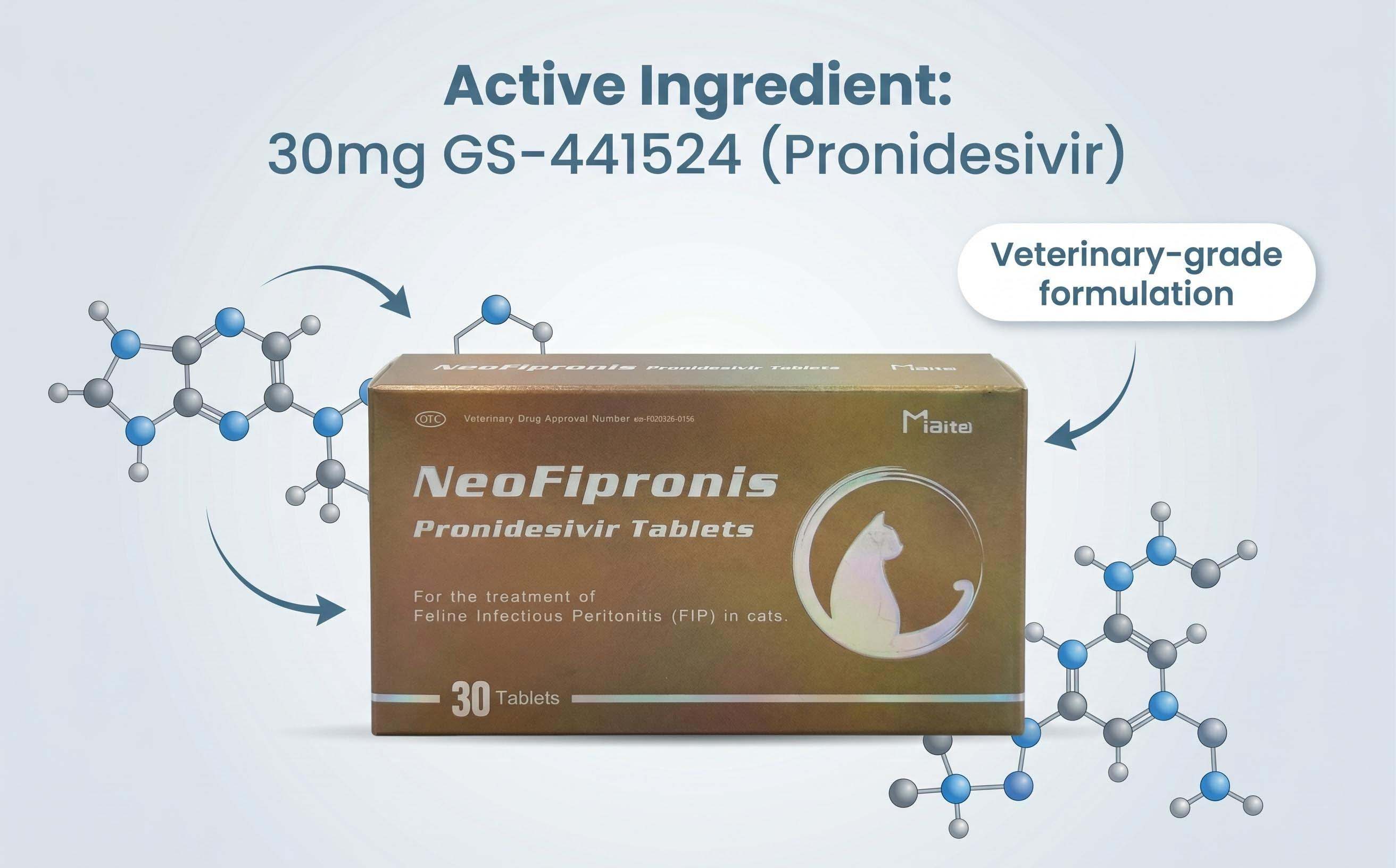
Until 2019, FIP was universally viewed as a death sentence, with only supportive care offered. The landscape shifted with the discovery that antiviral drugs, such as GS-441524, remdesivir, and molnupiravir, could halt disease progression, resulting in remission and restored health for many cats. While these medications are not FDA-approved for veterinary use in the U.S., they are legally available in other countries and frequently sourced via underground networks by American cat owners.
Factors Influencing FIP Treatment Costs
Drug Pricing
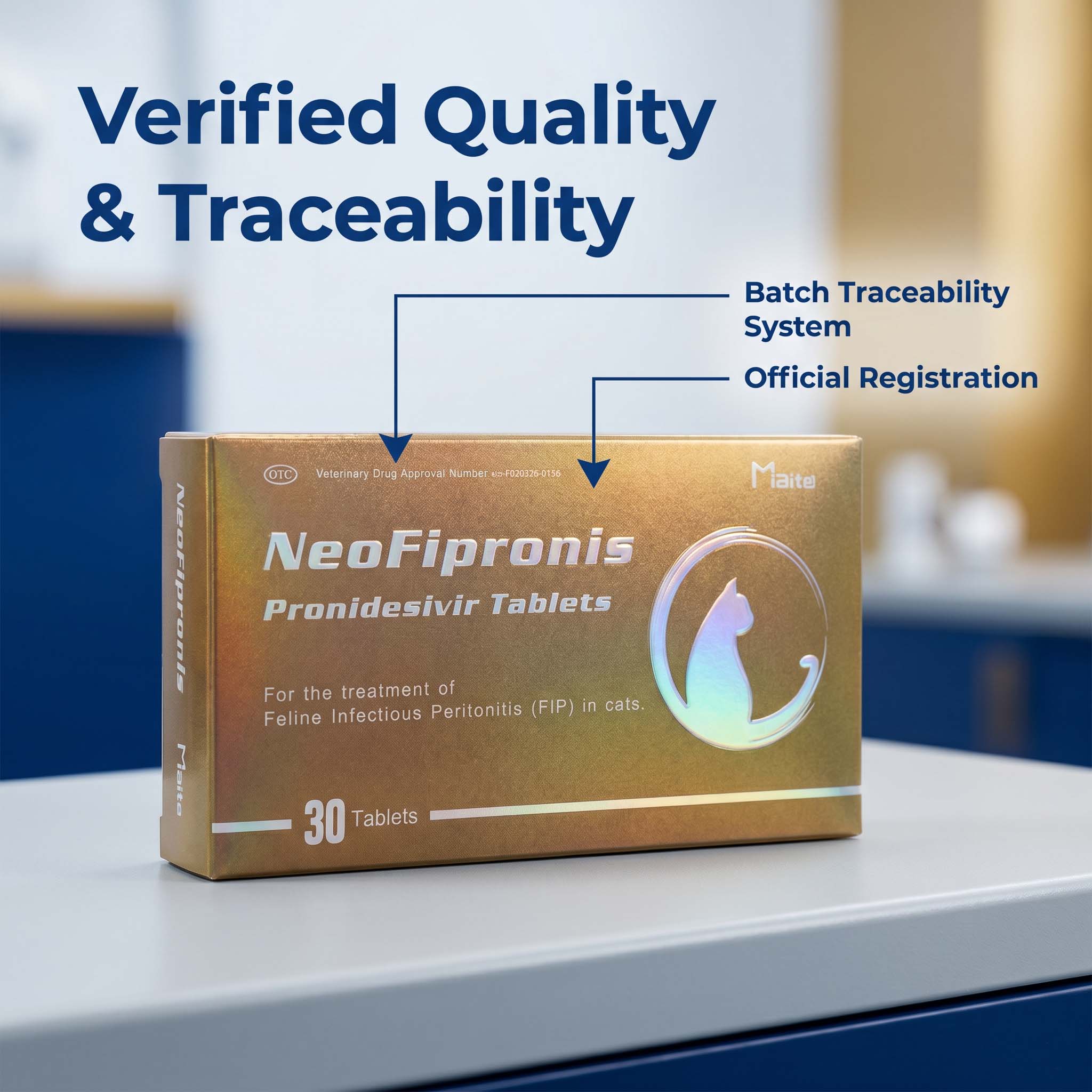
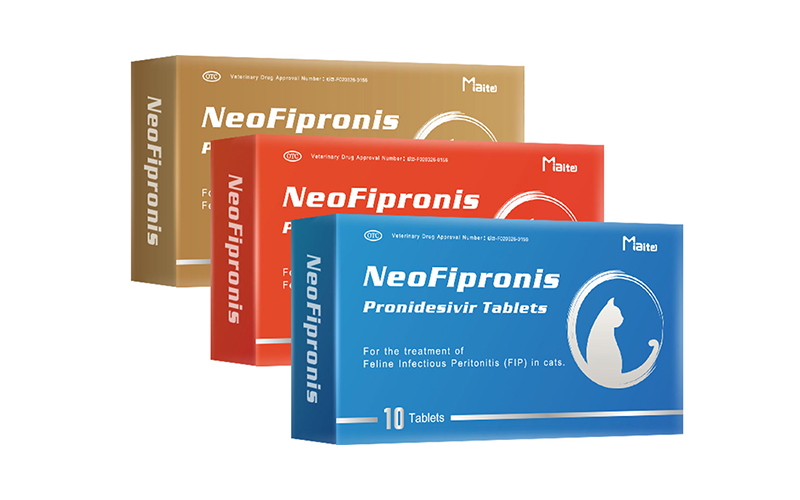
The backbone of FIP treatment is GS-441524, a nucleoside analog. Most protocols prescribe a daily subcutaneous dose based on body weight (e.g., 4-6 mg/kg), lasting 84 days. The price per vial or tablet varies greatly, depending on vendor reliability, purity, and shipping costs. In 2024, costs range from $60 to $150 per vial/tablet, and a typical 8-10 lb cat may need up to 84 doses.
Diagnostic Tests
Proper diagnosis requires bloodwork, imaging (ultrasound, X-ray), effusion analysis, and sometimes PCR for coronavirus detection. Initial workups and follow-up tests to monitor response can add hundreds to thousands of dollars to the cumulative expense.
Veterinary Care
Ongoing veterinary supervision is critical during the 84-day antiviral therapy and afterward. Examinations, hospitalization for severe cases, fluid drainage, and management of concurrent complications drive costs up. Emergency care may be necessary for cats with severe symptoms.
Ancillary Medications
Support medications such as antibiotics, steroids, appetite stimulants, pain relievers, and nutritional supplements may be prescribed to control secondary infections or maintain comfort, further increasing total expenditures.
Geographical Location
Veterinary pricing varies widely by region. Urban clinics or specialty hospitals tend to charge higher fees for diagnostics and care. Access to underground drugs may also depend on proximity to shipping hubs or connections with local FIP support groups.
Average Cost Breakdown
GS-441524 and Alternatives
GS-441524 (injectable or oral): For an average cat (4-5 kg), treatment for 84 days can cost between $3,500 and $7,000, depending on supplier and dosage.
Remdesivir (IV/oral): Used in some cases and countries, generally costs 20-30% more than GS-441524.
Molnupiravir (oral): Emerging data suggest similar pricing to GS-441524, but with limited availability in the U.S.
Diagnostic Workup
Initial diagnosis can cost $500 to $2,500, depending on the extent of imaging, laboratory testing, and specialist consultations.
Ongoing Veterinary Fees
Routine checkups, monitoring, and emergency care across three months may incur $500 to $2,000 in additional veterinary bills.
Total Estimated Cost
The cumulative cost for a single FIP treatment course for a typical cat ranges from $4,500 to over $10,000, depending on severity, region, and treatment protocol. These figures do not include possible relapse management.
Treatment Protocols and Cost-Saving Strategies
Self-Administration vs. Veterinary Administration
Some owners choose to administer GS-441524 at home, with guidance from FIP support groups or online resources. This approach can reduce veterinary administration fees, but requires diligent monitoring and precise dosing.
Sourcing Medications
Many owners in the U.S. obtain GS-441524 from black-market vendors or overseas sources, sometimes coordinated by support groups like FIP Warriors. While this may lower up-front costs, risks related to drug purity, legality, and shipping delays must be considered.
Financial Assistance Initiatives
Foundations and networks (e.g., The FIP Warriors 5.0, SOCK FIP) sometimes provide grants, fundraising help, or loan programs for families in need. Local humane organizations may also offer care credits or referrals to lower-cost clinics.
Insurance Coverage
Mainstream pet insurance companies typically exclude experimental, unapproved treatments like GS-441524, but associated diagnostics, hospitalization, or palliative care may be partially reimbursable. Carefully review policy fine print and file appeals if necessary.
Cost Implications of Relapse and Retreatment
While the majority of treated cats achieve remission, a small percentage experience relapse, necessitating an additional course of therapy. Retreatment can be just as expensive as the initial therapy, driving total costs even higher. Monitoring for early signs of relapse and prompt intervention are critical to optimizing outcomes and controlling costs.
Emotional and Financial Impact
The burden of FIP extends beyond financial costs. Owners often face emotional stress, difficult decisions regarding spending, and time-consuming daily injections or pill administration. Support groups offer not only practical drug sourcing but also a community of encouragement, shared experiences, and advice.
Future Directions and Cost Changes
As clinical trials progress and pressure mounts for FDA approval, legal access to GS-441524 and related antivirals may expand, potentially lowering market prices and easing financial strain for U.S. pet owners. Veterinary pharmaceutical companies are actively developing new FIP therapies, with oral formulations on the horizon that may further reduce ancillary costs.
Conclusion
Navigating treatment for FIP is as much about medical decision-making as financial planning. With average costs spanning thousands of dollars, it is essential for cat owners to understand the full spectrum of expenses, available support, and ongoing developments in the field. Every case is unique, and working closely with veterinarians, support networks, and financial advisors ensures the best outcome for the cat and its human family.
References
1. Pedersen, N.C. (2020). Feline Infectious Peritonitis (FIP): Historical Perspective and Review. Veterinary Pathology, 57(2), 293–308.
2. Dickinson, P.J. et al. (2020). Antiviral Treatment of Feline Infectious Peritonitis in Cats. Journal of Veterinary Internal Medicine, 34(5), 1967–1979.
3. FIP Warriors. (2023). “Cost of GS-441524 Treatment and Resources.” https://fipwarriors.com/cost-of-treatment/
4. SOCK FIP. (2024). “Financial Assistance for FIP Treatment.” https://sockfip.org/financial-assistance/
5. Addie, D.D. (2022). “Feline Infectious Peritonitis Resources for Cat Owners.” https://icatcare.org/advice/feline-infectious-peritonitis/
6. U.S. Food and Drug Administration (FDA). (2023). “Animal Drug Approval Process.” https://www.fda.gov/animal-veterinary/products/animal-drugs-feeds/animal-drug-approval-process
7. American Veterinary Medical Association (AVMA). (2022). “Feline Infectious Peritonitis: Treatment and Prognosis.” https://avma.org/fip-treatment-and-prognosis