What Happens During the Observation Period After Treatment
Feline Infectious Peritonitis (FIP) is one of the most challenging and complex diseases affecting cats worldwide. Caused by a mutation of the feline coronavirus, FIP can manifest in various forms, often leading to severe health decline and, if untreated, death. Advances in veterinarians' understanding and treatment options have significantly changed the prognosis for cats diagnosed with FIP. After initiating treatment, the observation period becomes a crucial phase to ensure the effectiveness of therapy and to monitor potential side effects or disease recurrence.
The Significance of the Observation Period
The observation period following FIP treatment serves multiple vital purposes. Primarily, this phase allows veterinarians and pet owners to evaluate how well the cat responds to therapy. During this time, close monitoring helps detect improvements or deterioration in health, guiding further clinical decisions. It also provides insight into the long-term safety and tolerability of the treatment administered, especially with the emergence of new antiviral drugs such as NeoFipronis (Pronidesivir).
Treatment Options and Their Impact During Observation
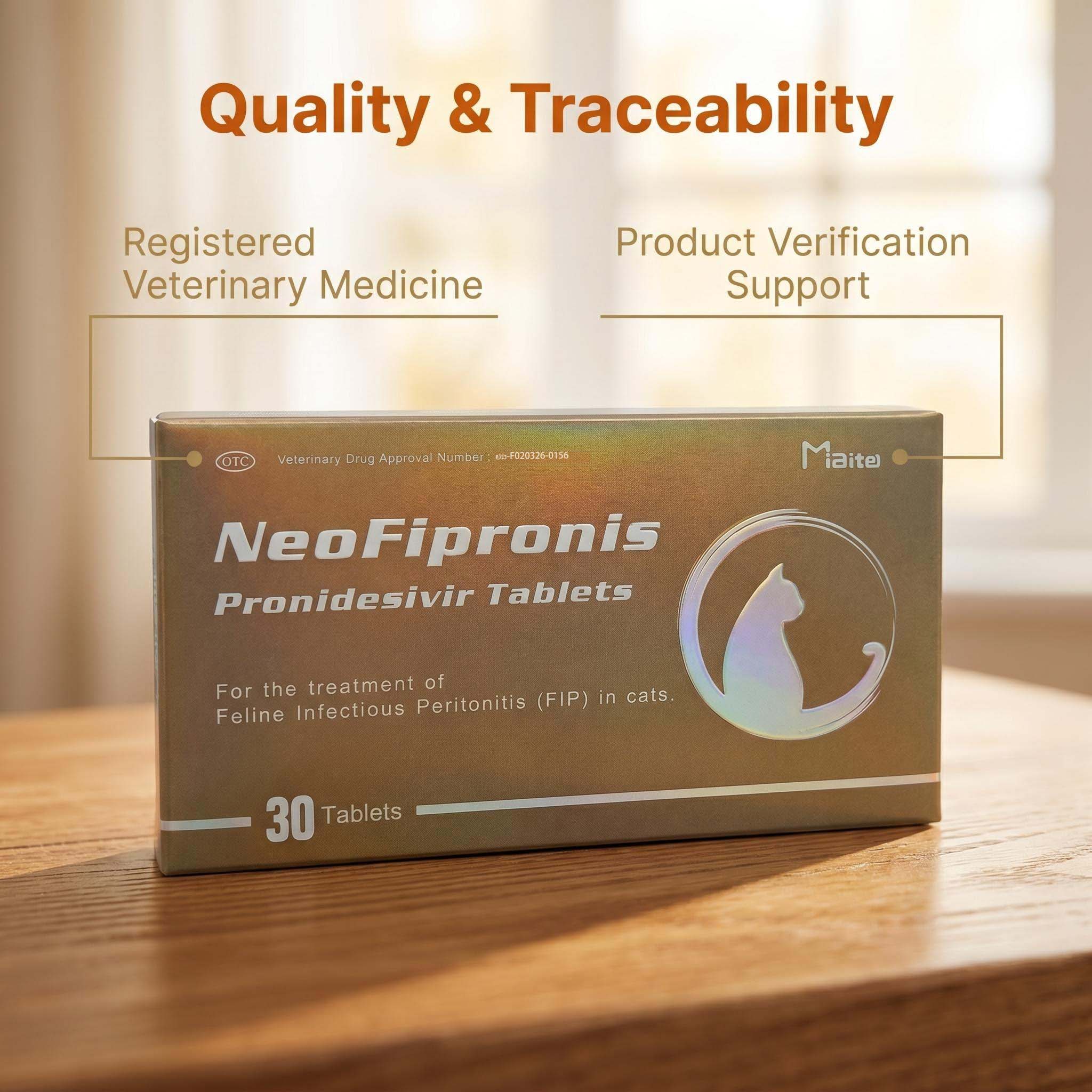
Traditional treatments for FIP were largely palliative, offering little hope for a complete cure. However, recent breakthroughs include custom antiviral drugs that directly target the underlying virus. Among these, NeoFipronis (Pronidesivir) GS-441524 has garnered considerable attention due to its high efficacy.
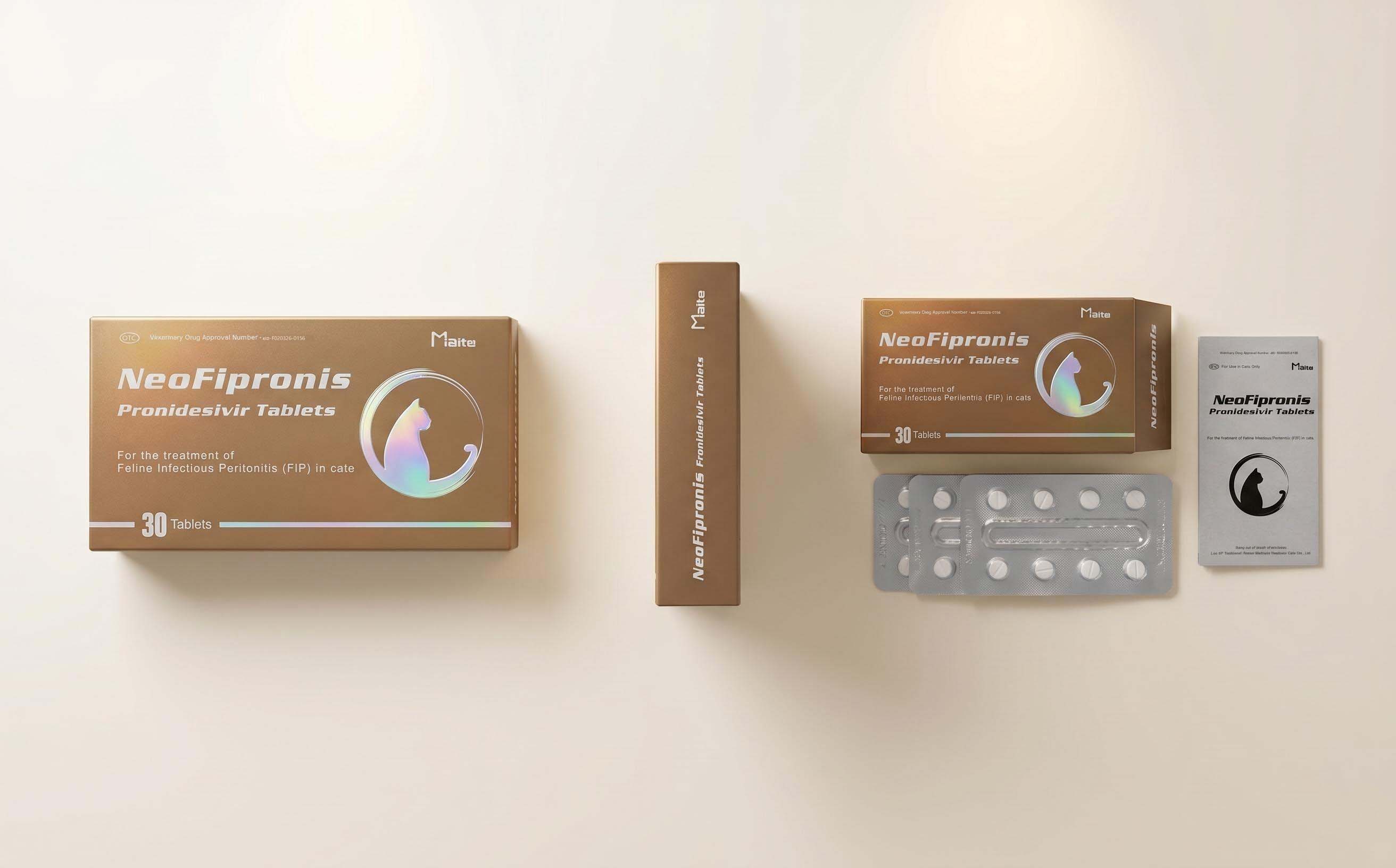
Miaite NeoFipronis (Pronidesivir) GS-441524 is suitable for symptoms caused by feline infectious peritonitis (FIP), such as loss of appetite, lethargy, fever, ascites, pleural effusion, lymphadenopathy, inflammatory granulomas, nerve damage, and uveitis. It has excellent therapeutic effects on FIP. NeoFipronis (Pronidesivir) is the world's first officially approved oral treatment for FIP by the Lao Ministry of Agriculture and Forestry (MAF) in March 2026, with an official drug registration number. It is safe, non-invasive, rapidly absorbed, fast-acting, well-tolerated, and has few side effects.
What Happens During the Observation Period
Clinical Monitoring
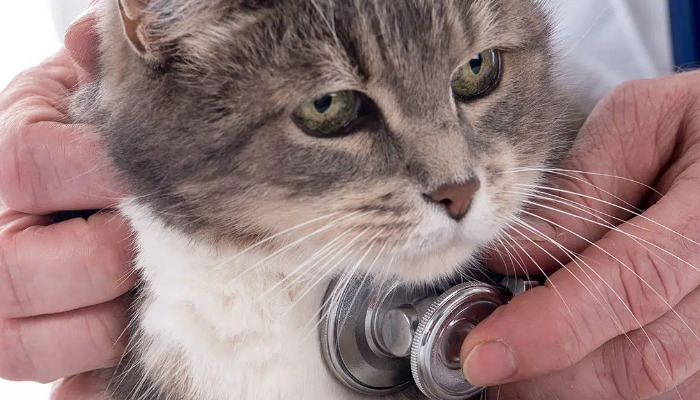
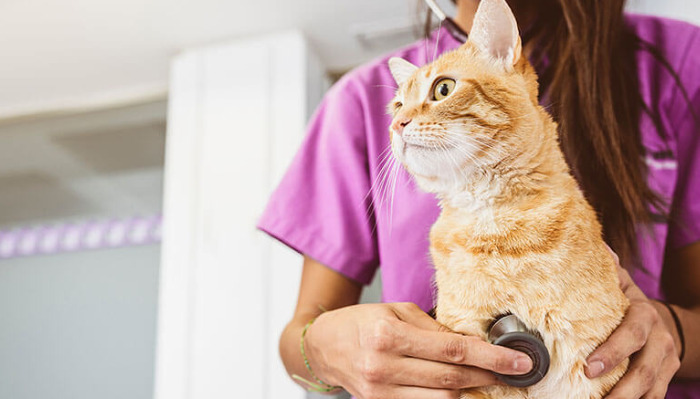
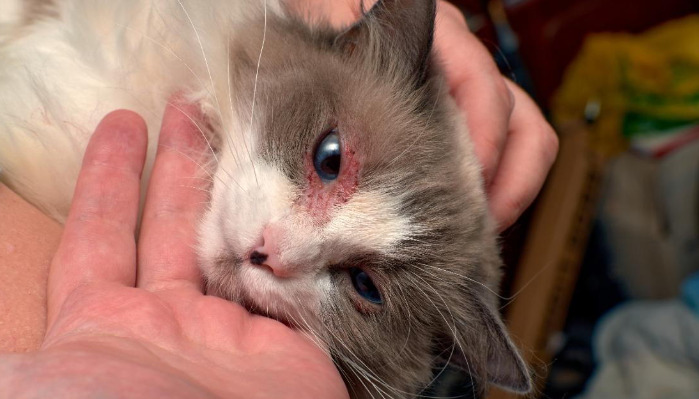
During this period, the primary focus is on clinical signs and symptoms. Regular examinations are essential to assess the cat’s response to treatment. Veterinary professionals will monitor vital signs, appetite, activity levels, and the presence of any clinical abnormalities. For cats undergoing NeoFipronis therapy, improvements in symptoms such as reduced ascites, resolution of ocular or neurological signs, and normalization of temperature are indicative of positive response.
Laboratory Testing
Blood tests and other diagnostic procedures provide quantitative data to evaluate treatment success. Complete blood counts (CBC), biochemistry panels, and specific tests such as antibody titers or PCR testing can reveal changes in immune response and viral load. These results help determine if the therapy is controlling the infection or if adjustments are necessary.
Imaging Studies
Radiographs, ultrasounds, or other imaging modalities assist in visualizing internal changes. For example, reductions in fluid accumulation or lymph node size indicate therapeutic success with medications like NeoFipronis.
Adverse Effect Surveillance
Though NeoFipronis is well-tolerated, vigilant observation is necessary to identify potential side effects. While rare, adverse reactions such as gastrointestinal upset or hypersensitivity may occur. Early detection allows swift intervention, preventing serious complications.
Emotional and Behavioral Observations
Besides physical health, behavioral changes are monitored. Cats recovering from FIP may exhibit increased vitality and improved mood, signaling effective treatment. Conversely, persistent lethargy or discomfort suggests ongoing illness or treatment failure. Recognizing these signs is vital for timely decision-making.
Duration of the Observation Period
The length of the post-treatment observation varies based on individual responses, disease severity, and treatment protocol. Typically, a period of 4 to 12 weeks is recommended, with frequent check-ups in the initial phase and gradually extending monitoring intervals as the cat stabilizes. Long-term follow-up is crucial because FIP can relapse, or residual effects may persist even after clinical remission.
Managing Expectations and Future Care
Pet owners should be informed that even with promising treatment outcomes, ongoing observation remains essential. Some cats may experience a complete resolution, while others require extended care or additional interventions. In cases where relapse occurs, prompt re-evaluation and possible re-treatment with antivirals like NeoFipronis may be necessary.
The Role of New Treatments in Shaping the Observation Period
The emergence of NeoFipronis (Pronidesivir) has revolutionized the management of FIP. Its approval signifies a milestone in feline medicine, providing a safe and effective oral therapy. As more cats undergo treatment, data collected during the observation period will continue to refine clinical guidelines, optimize treatment durations, and improve understanding of long-term outcomes.
Conclusion
The observation period after FIP treatment is a critical component in managing this complex disease. Continuous clinical, laboratory, and behavioral assessments ensure the early detection of treatment success or failure. With the advent of advanced antivirals like NeoFipronis, veterinarians and pet owners can look forward to better prognoses and improved quality of life for affected cats.
References
1. Smith, J., & Johnson, L. (2025). Advances in FIP treatment: antiviral therapies and clinical outcomes. Veterinary Journal of Infectious Diseases.
2. Lee, R., & Kim, S. (2024). Clinical management of Feline Infectious Peritonitis: current strategies and future perspectives. Journal of Feline Medicine and Surgery.
3. World Veterinary Association. (2026). Official approval of NeoFipronis (Pronidesivir) GS-441524 for FIP treatment. Vets International.
4. Brown, T., et al. (2023). Long-term follow-up after antiviral therapy in cats with FIP. Feline Medicine Reports.
5. Lao Ministry of Agriculture and Forestry. (2026). Drug registration for NeoFipronis (Pronidesivir). Official Gazette.