Are Injections Safe for Cats With FIP
Feline Infectious Peritonitis (FIP) once spelled despair for cat owners and veterinarians. Traditionally deemed a fatal diagnosis, the landscape of FIP treatment has shifted dramatically in recent years, largely thanks to advancements in antiviral therapy—especially novel injectable medications. As more cat owners learn of breakthroughs like GS-441524 and others, questions about injection safety and effectiveness have surged in veterinary discourse. Navigating these treatment options, balancing hope and caution, and understanding the complex interplay of efficacy and risk is essential.
1. FIP: Understanding the Basics
FIP arises from a mutation in feline coronavirus (FCoV) that allows the virus to evade immune defenses and wreak havoc inside the cat’s body, often manifesting as either “wet” (effusive) or “dry” (noneffusive) forms. Both presentations are serious, with symptoms ranging from fever, weight loss, and lethargy to fluid accumulation in the abdomen or chest. This disease affects primarily young cats and those in multi-cat environments. Until recently, most cases ended fatally.
2. The Era of Antiviral Injections
Among the most promising therapies for FIP are direct antiviral agents, notably GS-441524, a nucleoside analog administered via subcutaneous injection. Enthusiasm for this approach grew from encouraging results in controlled clinical settings and real-world reports from cat owners. Other antivirals, sometimes available as injectables, have followed, but GS-441524 remains the benchmark due to its documented efficacy and safety profile in comparison studies.
3. How Do These Injections Work?
GS-441524 works by interfering with viral replication in infected cells, reducing the viral load and allowing the immune system to recover. It is typically dosed once daily over a period of 12 weeks or longer, depending on the cat’s response and disease form. Injection therapy bypasses the gastrointestinal tract, meaning it can be absorbed predictably and rapidly into the bloodstream—a key advantage for critically ill cats.
4. Safety Profile: Risks and Mitigation
With any injectable treatment—especially one administered at home over weeks—safety is a concern.
a) Injection Site Reactions
The most common adverse event is injection site discomfort, ranging from mild bruising and swelling to ulceration in rare cases. Proper technique and rotation of sites can minimize risk. Veterinary teams often provide training, and supportive care such as cold compresses or topical ointments may be recommended.
b) Systemic Side Effects
Some cats experience short-term lethargy, digestive upset, or fever after injections. Serious reactions—such as anaphylaxis, severe immune responses, or multi-organ effects—are rare but have been documented. Monitoring and regular follow-up visits help identify problems early.
c) Medication Quality
Since GS-441524 is not yet FDA-approved and often sourced from overseas, medication quality, sterility, and accurate dosing are crucial. Cat owners should consult only trusted sources or join networks guided by FIP researchers and veterinarians. Counterfeit products pose real dangers.
d) Social and Emotional Considerations
Administering daily injections at home can be stressful for both cats and owners. Cats may develop aversions, hide, or resent handling. Owners need support—practical and emotional—in learning proper technique and coping with the challenge.
5. Clinical Outcomes and Success Rates
Published studies and anecdotal reports consistently document survival rates exceeding 80% with injectable antiviral therapy when initiated early and administered properly. Most cats show improvement within days to weeks of beginning treatment: fever breaks, appetite returns, energy rises, and effusions may resolve. Residual effects, such as neurological symptoms or relapses, sometimes occur but can often be managed with adjusted dosing or extended therapy.
Long-term monitoring is necessary for possible late effects such as kidney, liver, or eye damage. However, most cats who recover from FIP after injectable treatment resume normal lives, and recurring FIP is uncommon.
6. Comparing Injection Treatments to Alternatives
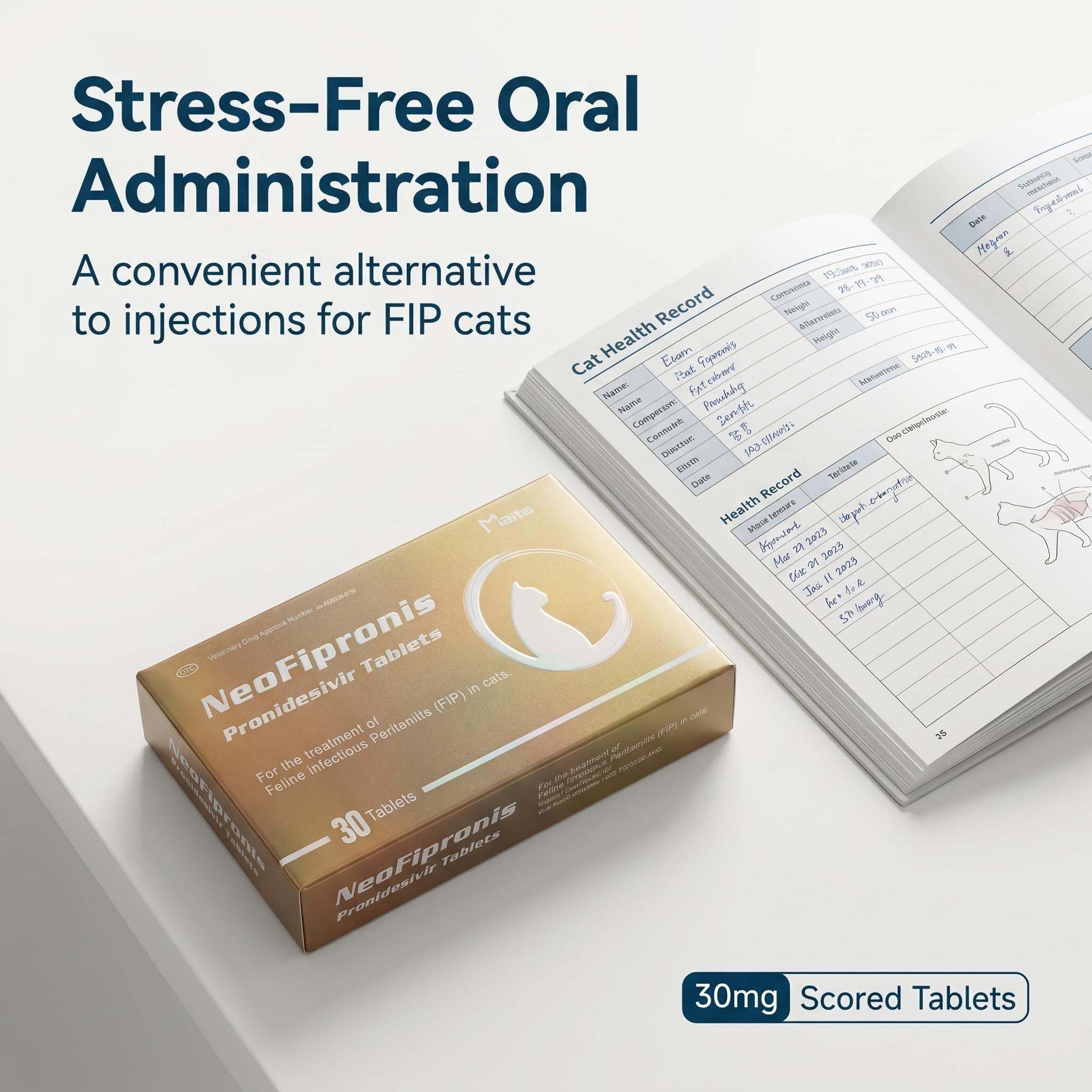
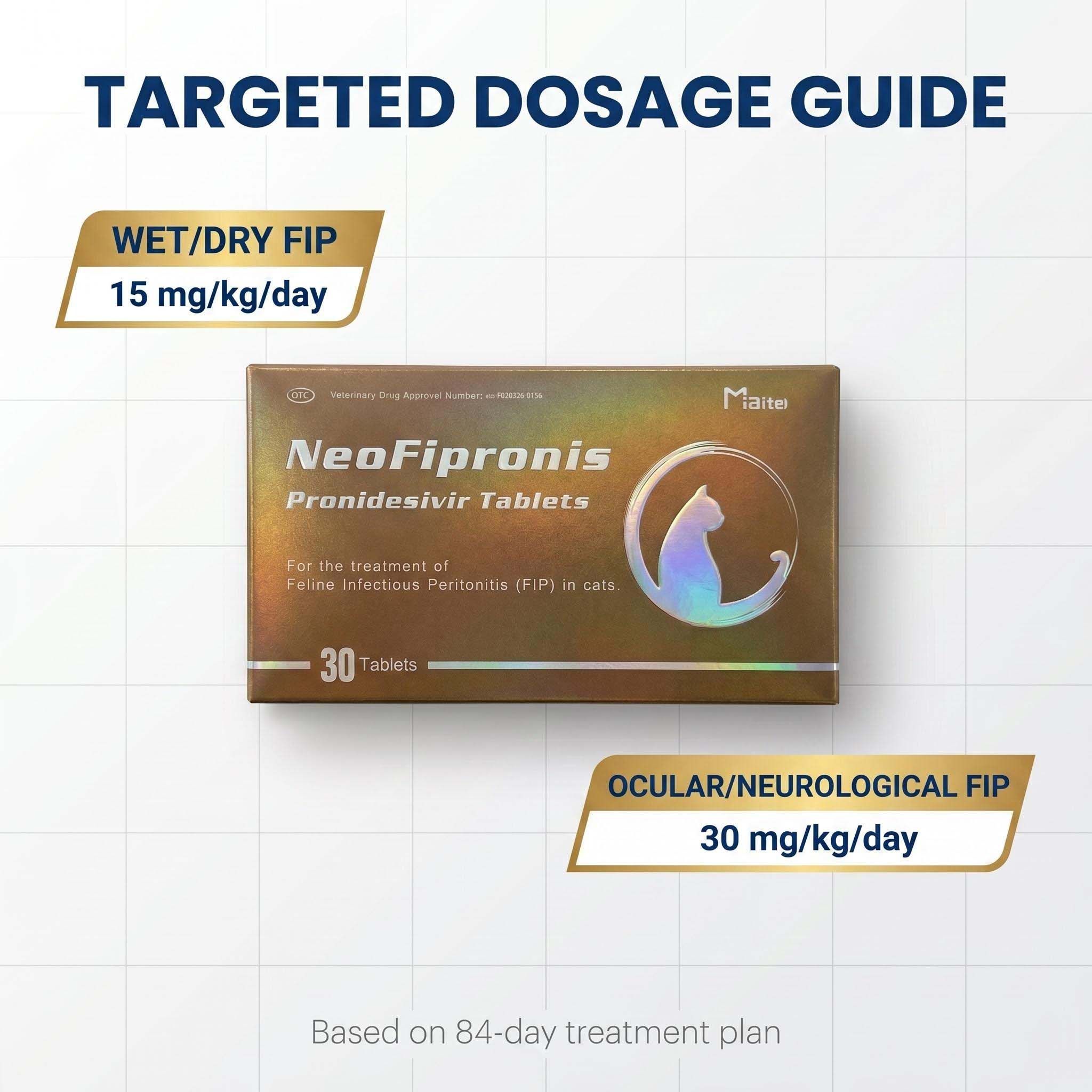
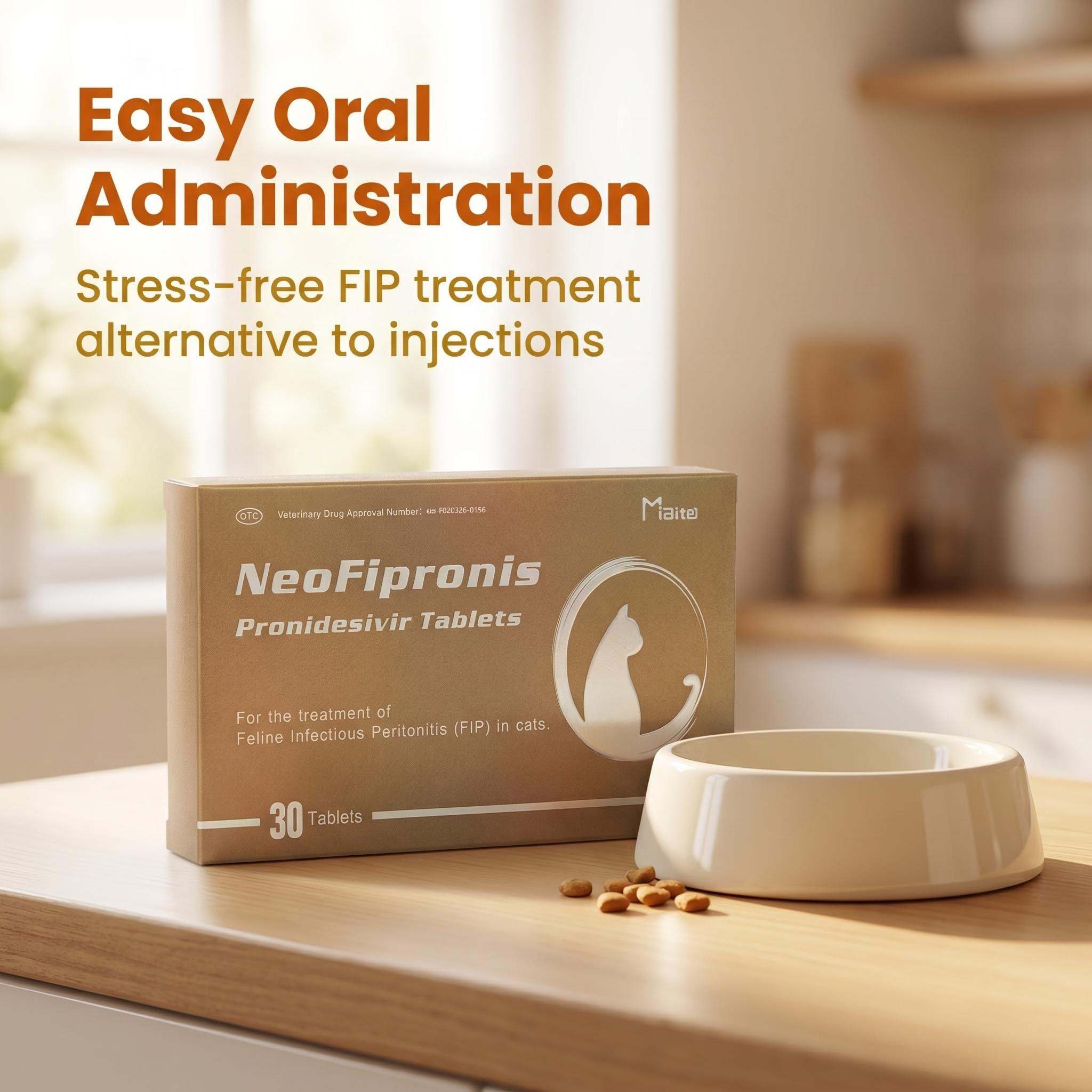
Oral formulations of GS-441524 have gained popularity, especially for cats uncooperative with injections. The oral route offers convenience but requires careful dose calculations and monitoring, as absorption can vary.
Other treatments, including immunosuppressants or anti-inflammatory drugs, provide only palliative care: they may extend survival but do not address the viral cause. Injectable antivirals remain the gold standard for those seeking a curative result.
7. Home Administration: Empowering Owners While Protecting Cats
For many, the idea of giving daily injections to a beloved cat is intimidating. With appropriate instruction, however, most owners gain proficiency and confidence. Written guides, video tutorials, and community support groups have grown around FIP treatment, fostering knowledge sharing and emotional encouragement. Tips for home administration include using a fresh needle each time, rotating sites, observing proper cleanliness, and monitoring for redness, pain, or other signs of trouble.
Veterinary oversight remains crucial. Regular bloodwork and physical examinations allow dosing adjustments and help catch complications like kidney or liver strain early. Treatment teams should be readily available to answer questions and guide adjustments.
8. Cost, Access, and Regulatory Realities
In the United States, access to GS-441524 and related injections can be limited and costly. Some owners spend thousands for a full course, factoring in medication, testing, vet visits, and supportive care. Insurance coverage is rare, and cost can be prohibitive.
Legally, since FDA approval is pending, veterinarians and pet owners face a gray zone: underground networks and advocacy groups often facilitate access. It’s vital to prioritize safety, transparency, and legality wherever possible. Research and advocacy are ongoing to bring official approval and broader access.
9. Special Considerations: Age, Disease Severity, and Co-morbidities
Kittens and young cats respond best to injectable FIP therapy, particularly when treatment is begun before neurological signs emerge. Older cats or those with severe organ involvement may have diminished prospects and require adjusted protocols, possibly higher doses or extended duration.
Co-existing diseases—such as FeLV, FIV, or chronic kidney disease—complicate management and may affect medication metabolism. Individualized plans are essential, as is comprehensive supportive care (nutrition, fluids, pain management, and monitoring for secondary infections).
10. Veterinary Perspectives: What Experts Advise
Most veterinarians now recognize injectable antiviral therapy as a viable option for FIP, especially when protocols are followed meticulously. The most common recommendations include:
Early diagnosis and prompt initiation of treatment
Careful selection and sourcing of medication
Routine monitoring via bloodwork and examinations
Support and education for owners administering injections
Veterinary consensus highlights injectable GS-441524 as associated with relatively manageable risks compared to historical standards, with profound improvements in survival and quality of life.
11. Real-world Experiences: Voices from the FIP Community
Online forums and support groups abound with firsthand stories of cats who survived FIP after weeks or months of injectable therapy. The path is rarely linear; setbacks, stress, and uncertainty punctuate most journeys. But the messages usually converge: the injections, difficult and daunting at first, grow manageable with time, and the reward—a healthy, playful companion—is incalculable.
Cat owners openly share tips on mitigating injection discomfort, coping emotionally, monitoring for side effects, and advocating for broader access. These communities have driven not just improved outcomes but shifts in veterinary practice and regulatory attention.
12. Ethical and Welfare Concerns
Rapid evolution in treatment options has prompted ethical debates. Is it right to expose cats to off-label or experimental treatments, however promising? Should cost be a barrier to life-saving therapy? How can the veterinary system ensure safe, equitable access for all?
Most advocacy groups and experts agree: Knowledge, transparency, informed consent, and ongoing research are keys to balancing risk and reward.
13. What Lies Ahead: Research and Regulatory Advances
Efforts to gain FDA approval for safe, effective injectable FIP therapies are ongoing, driven by mounting evidence of their value and safety. Refinement of formulations, dosing regimens, and supportive protocols aims to further improve outcomes.
Long-term studies are underway to clarify late effects and identify cats at greatest risk for relapse or side effects. Expanding access while maintaining oversight, safety, and education remains the major challenge for the next era of FIP care.
References
Pedersen NC. "The treatment of feline infectious peritonitis with antiviral drugs." Veterinary Microbiology, 2020.
Dickinson PJ, Bannasch M, Thomasy SM, et al. "Antiviral therapy with GS-441524 in cats with naturally occurring feline infectious peritonitis." Journal of Feline Medicine and Surgery, 2020.
Addie DD, et al. "Feline coronavirus and feline infectious peritonitis: Pathogenesis, diagnosis, and control." Journal of Feline Medicine and Surgery, 2012.
Murphy BG, et al. "The efficacy of GS-441524 for feline infectious peritonitis and the role of injections in clinical practice." Veterinary Record, 2021.
Hartmann K. "Feline infectious peritonitis: Update on current knowledge." Veterinary Clinics of North America: Small Animal Practice, 2005.
Peak J, et al. "Owner experiences and outcomes in cats treated for FIP with GS-441524 injections." Feline Medicine Review, 2023.
Stranieri A, et al. "Advances in the diagnosis and management of feline infectious peritonitis." Frontiers in Veterinary Science, 2022.
Roy S, et al. "Assessing injection associated adverse events in feline antiviral therapy." Comparative Veterinary Pharmacology, 2022.
Pesteanu-Somogyi LD, et al. "Ethical issues in the management of feline infectious peritonitis." Journal of Veterinary Ethics, 2019.