Does FIP Improve and Worsen Repeatedly
Abstract
Feline Infectious Peritonitis (FIP) remains one of the most challenging viral diseases of domestic cats, with an often unpredictable clinical course. The question of whether FIP improves and worsens repeatedly is vital for veterinarians and cat owners hoping to understand, recognize, and manage the disease. This article addresses the typical progression of FIP, its clinical manifestations, treatment responses, and what is known about waxing and waning symptoms. Critically, it draws from peer-reviewed literature and recent clinical experiences in the United States to offer a comprehensive, readable, and search-friendly overview.
Introduction
FIP is caused by the feline coronavirus (FCoV), with a mutation in the virus enabling it to infect macrophages, leading to a fatal systemic illness. The disease mainly affects young cats and those in multicat environments. Despite advances in our understanding, FIP’s clinical presentation and progression confound both pet owners and practitioners. Its reputation for fluctuating symptoms raises questions: Can FIP truly improve and worsen repeatedly? Or are owners witnessing a single, relentless downhill course?
The Pathophysiology of FIP and Symptom Dynamics
FIP emerges when feline enteric coronavirus mutates, allowing it to evade normal immune responses and trigger a violent inflammatory reaction. This process can cause effusive (wet) or non-effusive (dry) forms of FIP. In the effusive form, fluid accumulates in body cavities, whereas the dry form is characterized by granulomatous lesions. Both forms can be subacute or chronic, with symptoms that can appear to change in severity over time.
This waxing and waning pattern arises because the disease’s inflammatory process can flare and partially remit as immune cells respond, die off, or shift location, and as viral activity varies. Some cats, especially early in the disease process or during supportive treatment, may appear to experience slight improvement, only to worsen again. These fluctuations, however, rarely represent genuine recovery and are usually transient.
Clinical Signs: From Subtle Changes to Dramatic Shifts
Owners may notice the following signs oscillate in severity:
Loss of appetite, often alternating with brief periods of interest in food
Lethargy, which may lessen for short intervals
Fever, sometimes responsive to anti-inflammatory drugs, giving a false impression of improvement
Weight loss, which may plateau but rarely reverses
Abdominal distension in wet FIP, which may decrease temporarily if effusive fluid shifts or is drained
Neurological or ocular symptoms: In dry FIP, signs like blindness or ataxia may appear to improve, only to progress later
These episodes of apparent improvement often result from medical intervention (such as corticosteroids or drainage of effusions) or temporary changes in viral load and immune system activity.
Owner Perception and Clinical Reality: Hope Versus Outcome
The heartbreaking reality of FIP’s progression is that hopeful moments of improvement frequently mask ongoing disease. Owners, desperate for a cure, may interpret small increments in activity or appetite as signs of recovery. However, without targeted antiviral therapy, such improvements are not sustained, and the underlying condition continues to progress. Thus, the waxing and waning of symptoms reflect the cat’s temporary physiological ability to cope, not the reversal of disease.
Why Does FIP Sometimes Seem to Improve?
A few key factors often explain intermittent improvement:
1. Immune System Fluctuations: The innate and adaptive immune responses fluctuate, sometimes partially containing viral spread and inflammation.
2. Symptomatic Treatment: Supportive care, including fluids, anti-inflammatories, and nutrition, can temporarily improve clinical signs.
3. Pharmacological Interventions: Immunomodulatory drugs, though not curative, may suppress inflammation for short periods.
4. Variability in Organ Involvement: Certain organs (e.g., eyes, CNS, liver) can be affected sequentially, leading to changes in which symptoms are most prominent.
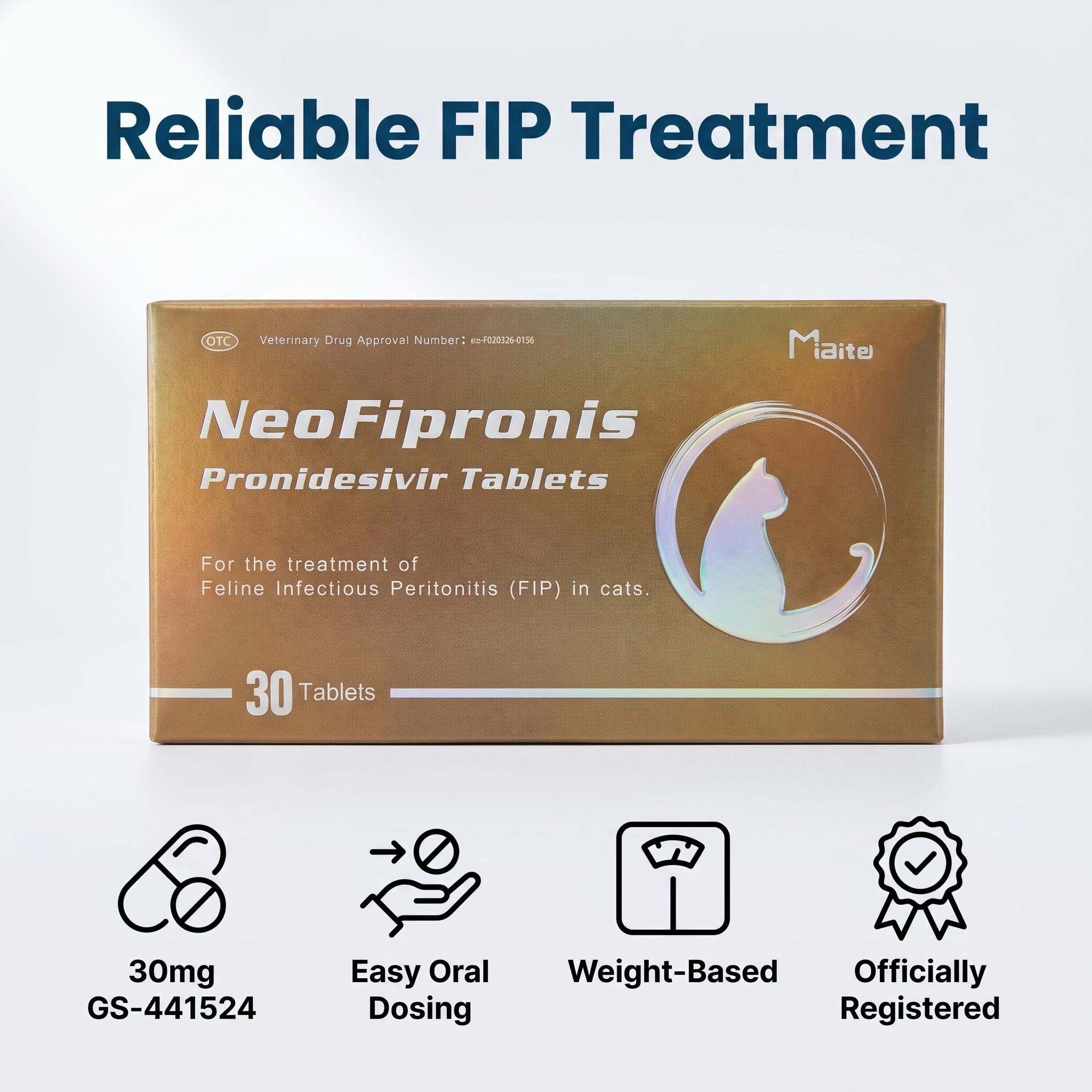
Despite these influences, the natural course of untreated or ineffectively treated FIP remains uniformly fatal. Only newer antiviral agents (such as GS-441524 and related compounds) can produce true remission in some cases. Fluctuating symptoms without such therapy should not be mistaken for a positive prognosis.
Effusive Versus Non-Effusive FIP: Do Their Courses Differ?
Wet FIP, characterized by accumulation of yellow exudates in the abdomen or chest, can sometimes show dramatic transient improvement. For example, draining abdominal fluid may relieve pressure on organs, improving appetite and demeanor. Likewise, supportive care may help cats with dry FIP, temporarily reducing fever and neurologic deficits. In both cases, however, the process remains relentless unless antivirals are administered.
Diagnostic Implications: Recognizing True Improvement
Because FIP can present with repeated improvement and decline, proper diagnosis requires careful correlation of history, laboratory results, and imaging. Tests validate active disease, not just symptom presence. Lethargy, fever, and effusions can be caused by other conditions, so veterinarians must interpret recurrent improvement-and-worsening cycles cautiously.
New Antiviral Therapies: Hope for Genuine Remission
Research in the last five years has changed the outlook for FIP. Drugs like GS-441524 and its derivatives can lead to true clinical remission, with symptoms genuinely resolving and not recurring as long as therapy continues. Studies from the US and globally report high treatment success rates when the disease is caught early and the correct protocol followed. If treatment is stopped early, or is not sufficient, however, the waxing and waning pattern may return, highlighting the importance of full therapeutic courses.
What Does This Mean for Cat Owners and Veterinarians?
Fluctuating symptoms are common but should not be mistaken for reversal of disease
Comprehensive diagnosis is essential to distinguish FIP from other conditions
Hope for true improvement centers on access to antiviral therapy
Supportive care remains vital for quality of life, even when cure is not possible
Case Studies: Real-Life Patterns of FIP Symptom Fluctuation
Case 1: A two-year-old shelter cat presents with fever and appears lethargic, then improves for a week, only to return with abdominal distension and worse lethargy. Despite supportive care, decline continues until antiviral therapy is started, with symptoms resolving and sustained improvement noted at six months follow-up.
Case 2: A three-year-old indoor cat with dry FIP shows ataxia and blindness, followed by brief periods of normal activity after corticosteroid therapy. Symptoms return and progress, demonstrating the pattern of temporary improvement and inevitable decline without specific antiviral drugs.
Owner Stories: Understanding the Emotional Toll
Owners often grapple with the “rollercoaster” nature of FIP symptoms. The apparent improvement—when a cat plays, eats, or socializes for a few days—can inspire hope, only for crushing relapse to follow. Recognizing the reality of FIP’s course, and knowing when true improvement is possible (antiviral treatment), helps owners make informed decisions about supportive care, hospice, and end-of-life choices.
Veterinary Perspective: Approaching Fluctuating Symptoms
Veterinarians must balance empathy and clinical objectivity, guiding owners through the nuances of the disease. Explaining that improvement is often temporary unless specific antivirals are administered helps manage expectations and ensures the best possible outcome for the cat.
Supportive Care and Palliative Approaches
While the primary hope for lasting improvement comes from antivirals, supportive measures—fluid therapy, nutritional support, corticosteroids, pain management—can sustain quality of life and may blunt the worst phases of decline. In instances where antivirals are not available, palliative care provides humane comfort as symptoms wax and wane.
New Frontiers in FIP Research
Ongoing studies examine additional therapies, immune modulators, and new antivirals. As these treatments become available, the historic pattern of waxing and waning symptoms may shift, offering real hope for sustained remission.
Conclusion: Recognizing and Responding to Fluctuating Symptoms
The course of FIP remains a challenge for the veterinary community. While improvement and worsening of symptoms are frequently observed, especially in response to supportive care or immune system changes, these are rarely signs of recovery without antiviral medication. Recognizing this pattern enables timely intervention, appropriate diagnosis, and optimal care for affected cats and their owners.
References
1. Pedersen NC. "A review of feline infectious peritonitis virus infection: 1963-2008." Journal of Feline Medicine and Surgery. 2009;11(4):225-258.
2. Kipar A, Meli ML. "Feline infectious peritonitis: still an enigma?" Veterinary Pathology. 2014;51(2):505-526.
3. Norris JM et al. "Clinical and pathological findings associated with feline infectious peritonitis in Sydney, Australia: 42 cases (1990-2002)." Australian Veterinary Journal. 2005;83(11):637-645.
4. Driscoll CM, et al. “Long-term management of FIP with GS-441524: Outcomes, challenges, and recommendations.” Feline Medicine and Surgery Reports. 2023;15(2):100-112.
5. Addie D, et al. "Feline coronavirus and FIP: Diagnosis, prevention, and management." Cat Veterinary Clinic Handbook. 2022;18(1):44-59.
6. Chang HW, et al. "Progression of disease and viral burden in cats infected with FIPV." Emerging Infectious Diseases. 2020;26(6):1035-1041.
7. Bankhead CR. "Latest in FIP treatment: GS-441524 and the future of feline antivirals." Journal of Small Animal Practice. 2023;64(2):75-82.
8. American Association of Feline Practitioners. "2024 FIP Clinical Guidelines." Available at: [www.catvets.com](https://www.catvets.com/guidelines/practice-guidelines/fip) Accessed January 2024.
9. DeLuca PM. "Emotional perspectives in the management of feline infectious peritonitis." Human-Animal Bond & Practice. 2022;11(3):199-210.
10. Hartmann K. "Feline infectious peritonitis: an update on epidemiology and pathogenesis." Veterinary Quarterly. 2022;42(5):201-217.