What Are the Indications of NeoFipronis (Pronidesivir)
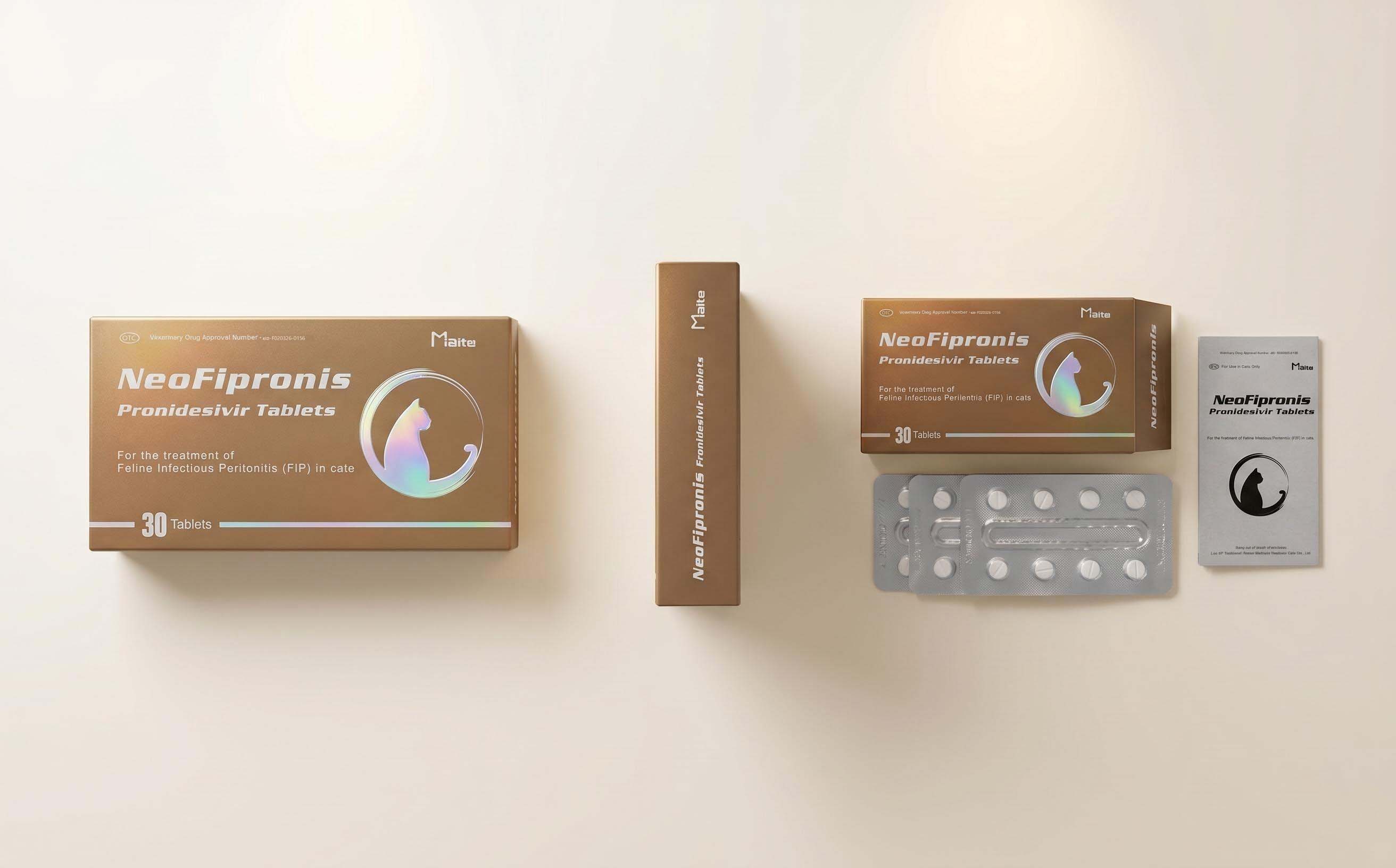
NeoFipronis (Pronidesivir) is presented as an oral antiviral option for cats diagnosed with feline infectious peritonitis (FIP), a serious and often life-threatening disease caused by feline coronavirus mutation. Its active ingredient, GS-441524, has been widely discussed in veterinary practice for its role in targeting FIP-related viral replication. When used appropriately, it is intended for cats showing common FIP signs such as poor appetite, lethargy, persistent fever, abdominal fluid, pleural effusion, enlarged lymph nodes, inflammatory granulomas, neurological signs, and uveitis. For cat owners searching for FIP treatment, understanding the indications is the first step toward timely care.
FIP can appear in different forms, including wet FIP, dry FIP, neurological FIP, and ocular FIP. Wet FIP often causes ascites or chest fluid, leading to a swollen abdomen or breathing difficulty. Dry FIP may present with fever, weight loss, weakness, and enlarged lymph nodes, while inflammatory granulomas can affect organs and tissues throughout the body. Neurological FIP may cause unsteady walking, tremors, seizures, or behavior changes. Ocular involvement can lead to cloudy eyes, vision loss, and uveitis. Because these signs overlap with other feline illnesses, a veterinary diagnosis is essential before starting any FIP medication.
NeoFipronis (Pronidesivir), as an oral GS-441524 formulation, is described as a practical option for cats that need a non-invasive treatment approach. Oral administration is convenient for long-term therapy and may support consistent daily dosing at home. Product guidance commonly states a dose of 15 mg per kilogram of body weight once daily, which is often described as half a tablet per kilogram, while neurological or ocular FIP may require an increased dose of up to 30 mg/kg under veterinary supervision. It is generally recommended to give the medication on an empty stomach, such as one hour before feeding or two hours after a meal, to support absorption.
Treatment success in FIP depends not only on the antiviral itself, but also on strict adherence to the full course. A minimum treatment duration of 12 weeks is commonly emphasized, and missed doses should be avoided whenever possible. During therapy, owners should monitor appetite, body temperature, energy level, and overall behavior, while also arranging regular blood tests to check liver and kidney function. These follow-up checks help veterinarians assess response, detect complications early, and adjust care when needed. Even though the product may be sold as an over-the-counter veterinary medicine, using it under a veterinarian’s guidance remains the safest approach.
NeoFipronis (Pronidesivir) is intended for cats only and must not be used in humans. Pet owners should also prioritize product authenticity and quality by purchasing through the official NeoFipronis website or other verified sources. For cats with suspected or confirmed FIP, early recognition of symptoms and prompt veterinary consultation can make a major difference in outcomes.