What to do if FIP is incurable
Feline Infectious Peritonitis (FIP) remains one of the most challenging diseases in feline medicine. Once diagnosed, many pet owners feel overwhelmed, especially since current treatments cannot cure the condition. While FIP often leads to a poor prognosis, understanding how to manage the disease and provide the best quality of life for your cat is essential.
Prioritize Comfort and Palliative Care
In cases where FIP is deemed incurable, the focus should shift toward palliative care. This involves alleviating pain, reducing discomfort, and maintaining dignity in the cat’s final stages. Regular veterinary consultations are vital to monitor symptoms and adjust care strategies accordingly. Pain-relieving medications, anti-inflammatory drugs, and supportive therapies can significantly improve your cat’s well-being during this period.
Maintain a Stress-Free Environment
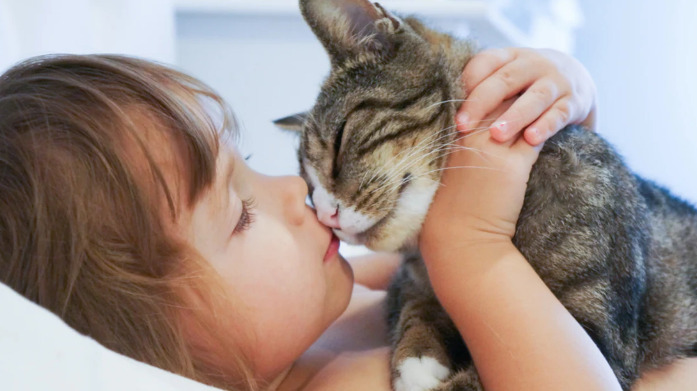
Stress can exacerbate symptoms and diminish your cat’s comfort. Creating a calm, predictable environment helps manage anxiety and supports immune system function. Ensure your cat has a quiet space, consistent routines, and minimal disruptions. Enrichment such as soft bedding and gentle interaction can also provide emotional comfort.
Support Nutritional Needs
Proper nutrition is crucial for cats facing an incurable disease. Offer easily digestible, high-quality diets tailored to their condition. Sometimes, appetite stimulants or specialized prescription diets are recommended to prevent weight loss and support immune health. Hydration should not be overlooked—encourage fluid intake through water or appetite-enhancing treats.
Monitor and Manage Symptoms Effectively
FIP can cause various symptoms, including fever, lethargy, abdominal swelling, and neurological signs. Regularly assess your cat for changes in activity, appetite, or behavior. Many veterinarians may recommend specific treatments to manage symptoms such as abdominal effusion, which can be alleviated through drainage procedures. Maintaining close communication with your vet ensures timely intervention and symptom control.
Consider Experimental and Supportive Therapies
While no definitive cure exists, some recent advancements have shown promise. Antiviral drugs like GS-441524 have been used compassionately off-label to prolong life or improve quality of life. However, these are often expensive and may not be universally accessible. Alternative options include immune-modulating therapies and supplements aimed at supporting your cat’s health and resilience. Consulting with a veterinary specialist can help determine whether such options are appropriate.
Plan for End-of-Life Care
Planning ahead ensures your cat’s comfort and dignity as the disease progresses. Palliative euthanasia may be the most humane choice when suffering becomes unmanageable. Discussing this openly with your veterinarian allows for compassion-centered decision-making. Keep in mind that each cat’s journey is unique, and honoring their quality of life takes precedence over prolonging life at all costs.
Emotional Support and Compassion
Caring for a cat with incurable FIP can be emotionally taxing. Seeking support from pet care communities, friends, or mental health professionals helps owners cope during this difficult time. Celebrating the companionship and memories with your feline friend can provide solace and reinforce the importance of compassionate caregiving.
Exploring Future Horizons
Research into viral mechanisms and novel therapies for FIP is ongoing. Breakthroughs in antiviral treatments and vaccine development may soon change the landscape of FIP management. Staying informed about scientific advancements and clinical trials opens doors to potential new options and offers hope for future cures.
Managing an incurable disease like FIP emphasizes the importance of compassionate care, symptom management, and emotional resilience. While the prognosis remains challenging, prioritizing your cat’s comfort and dignity ensures they experience love and care during their final chapters.