Does a Cat Need Special Care During FIP Treatment
Feline Infectious Peritonitis (FIP) is a complex and potentially fatal disease affecting domestic cats, caused by a mutation of the feline coronavirus. Once considered almost always fatal, advancements in antiviral medications such as GS-441524 and remdesivir now give many cats a chance at recovery. However, FIP treatment is demanding, both medically and emotionally. Special care is essential during FIP therapy—not only for the administration of medication but also for the overall wellbeing, safety, and comfort of the cat. This article explores in detail the unique needs of cats undergoing FIP treatment, offering guidance and insight backed by current veterinary literature.
Understanding FIP and Its Treatment
FIP manifests in two forms: effusive (wet) and non-effusive (dry). Wet FIP is marked by fluid accumulation in the abdomen or chest, causing breathing difficulties and a swollen belly. Dry FIP involves granulomas and inflammation in various organs. Diagnosing FIP is difficult; it typically involves bloodwork, imaging, and exclusion of other diseases.
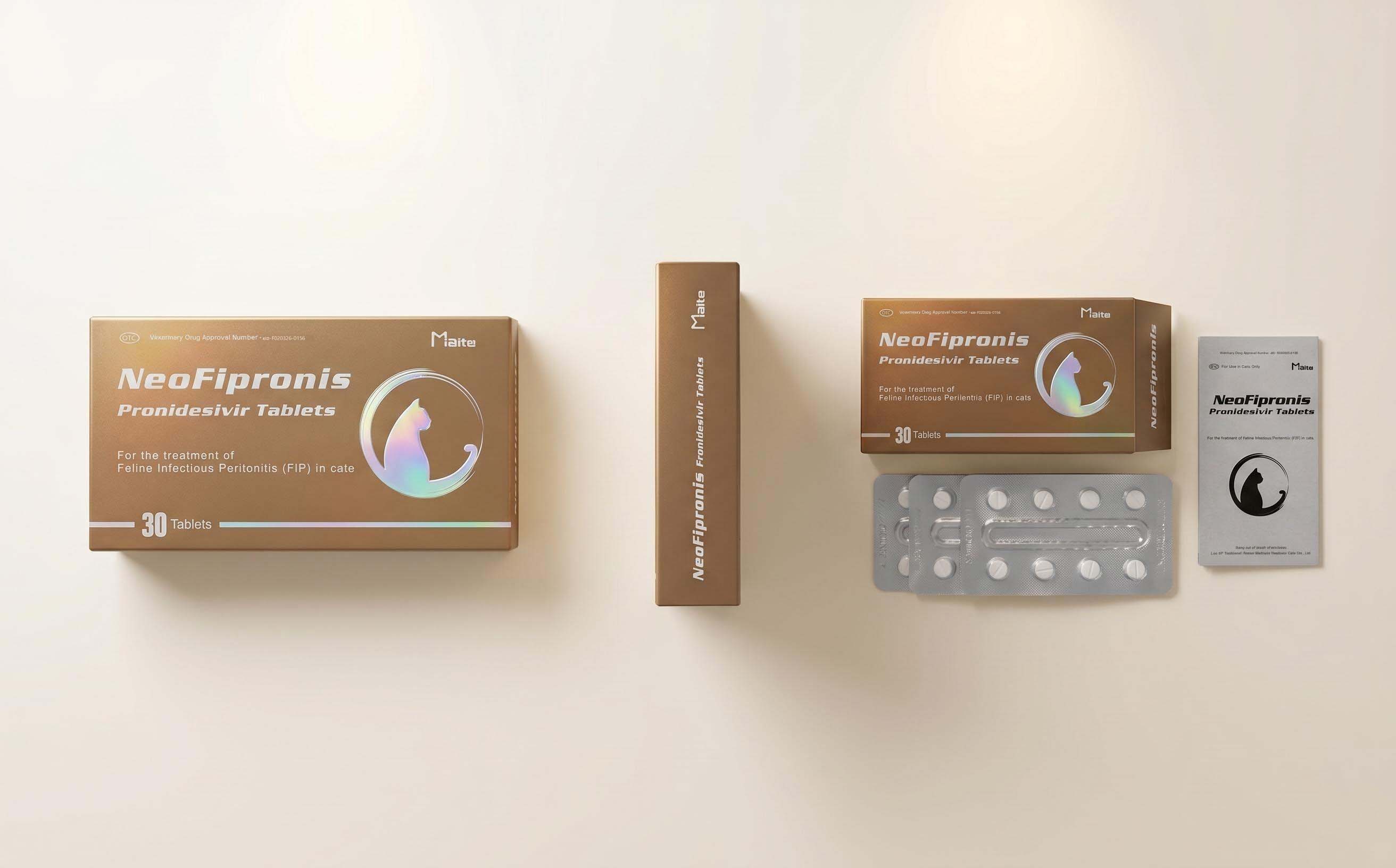
Therapeutic protocols for FIP have evolved rapidly. Antivirals like GS-441524 are now widely used, sometimes in research settings or under compassionate-use policies, as they are not uniformly FDA-approved. Treatment typically lasts 12 weeks, requiring daily administration of medications, often via injection, and careful monitoring of the cat's response.
Medical Management and Monitoring
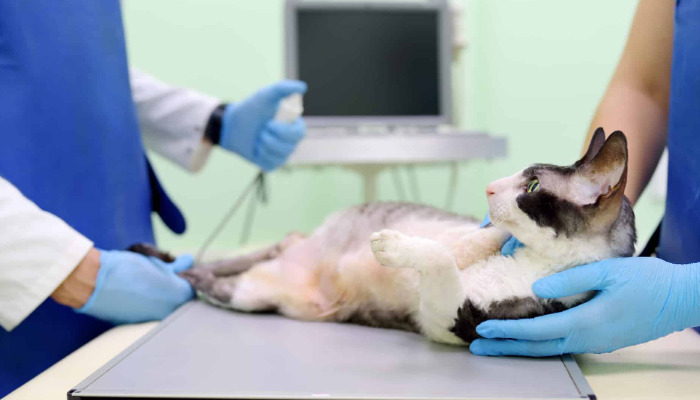
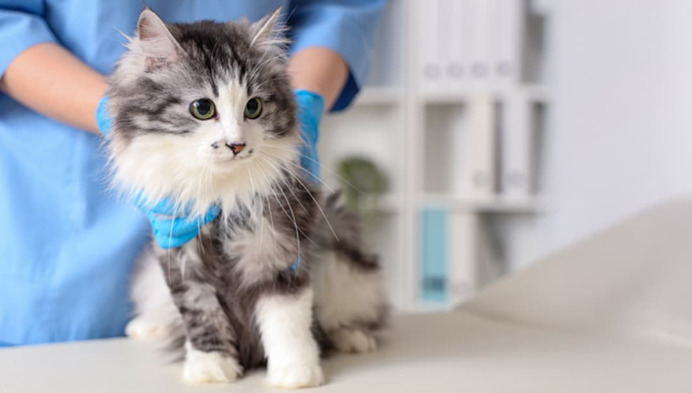
Frequent monitoring is critical. Veterinarians usually recommend regular blood tests—CBC, biochemistry panels, and acute phase proteins like globulin, albumin, and AG ratio. This helps gauge progress and detect complications like anemia, liver, or kidney dysfunction, and secondary infections.
Owners must be vigilant about clinical signs. Watch for changes in appetite, water intake, urination, defecation, breathing, behavior, and energy levels. Deterioration may suggest complications, adverse medication reactions, or need for dosage adjustments.
Fluid therapy may be necessary, especially for cats with dehydration, poor appetite, or after fluid drainage procedures in wet FIP cases. Pain control, anti-nausea medications, appetite stimulants, and antibiotics are sometimes recommended as supportive care based on individualized needs.
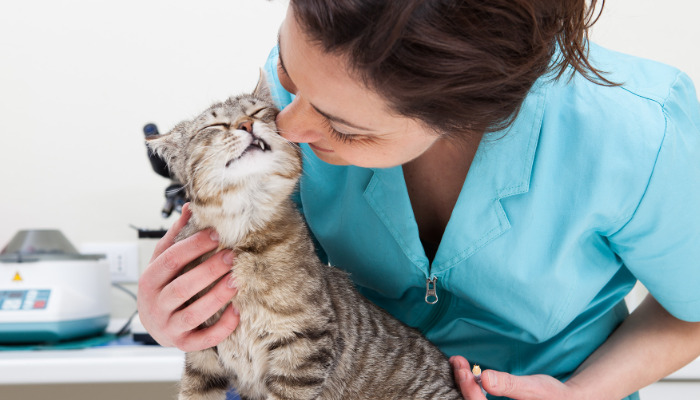
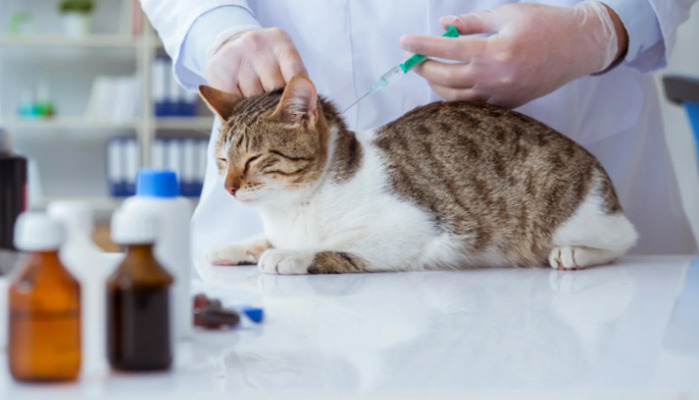
Medication administration requires precision. GS-441524 is usually given by injection, which can be painful; cats often require comfort and gentle restraint. Adhering strictly to dosing intervals minimizes resistance risk and maximizes effectiveness.
Diet and Nutritional Needs
Cats with FIP often become anorexic or lose weight rapidly. High-quality nutrition is central to recovery. Offer palatable, species-appropriate wet food, which is easier to eat and helps keep the cat hydrated. Supplementing diets with high-calorie gels, cooked chicken, or baby food (without onion or garlic) can encourage reluctant eaters. Some veterinarians recommend omega-3 fatty acids or B vitamins to support healing.
Monitor for food allergies, intolerance, or gastrointestinal disturbances. Small, frequent meals are better tolerated by weak cats. Ensure constant access to fresh water. Avoid forcing a cat to eat, as this increases stress and can provoke aversion.
Safe and Comfortable Environment
Stress reduction is crucial. Cats respond negatively to environmental changes, and FIP compromises their immune systems further. Create a quiet, comfortable resting area, free from loud noises, other pets, or excessive foot traffic. Use soft bedding and maintain ambient warmth, especially for cats with fever or poor body condition.
Sanitation is key. Clean litter boxes frequently and minimize exposure to other cats, as secondary infections can complicate recovery. FIP itself isn’t considered contagious in its mutated form, but cats undergoing treatment are immunocompromised and vulnerable to additional pathogens.
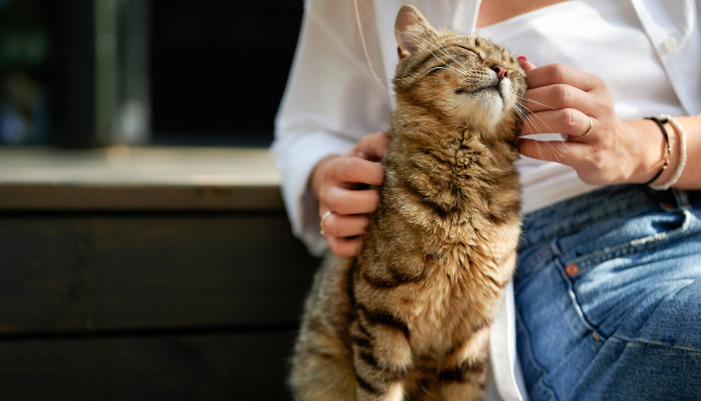
Minimize handling when possible, but interact gently for necessary treatments, affection, and mental enrichment. Prevent overexertion and encourage only mild play activities suited to the cat’s energy level.
Emotional Support and Enrichment
Chronic illness affects both cats and their owners emotionally. Cats sense stress and anxiety, which may impact their response to treatment. Maintain a calm demeanor and provide reassuring touch or voice interactions. Some cats find comfort in familiar routines, gentle grooming, or the presence of comforting items such as favorite blankets or toys.
Mental stimulation is beneficial but should not be overwhelming. Puzzle feeders, scent games, window perches, and soft music can serve as gentle enrichment. Respect the cat’s cue—never force play or interaction.
Managing Side Effects and Complications
During FIP treatment, side effects may occur. Pain at injection sites is common; rotate locations and apply cool compresses after administration if approved by your veterinarian. Bruising, swelling, or abscess formation should be monitored, and severe reactions demand veterinary attention.
Digestive disturbances such as vomiting, diarrhea, or constipation are possible. Adjust diets accordingly, and inform your veterinarian promptly if signs persist. Weight or muscle loss may develop despite adequate intake, reflecting underlying metabolic changes. Supplements such as L-carnitine or muscle support therapies can be considered under guidance.
Watch for secondary infections, which may present as upper respiratory symptoms, oral ulcerations, or skin infections. Promptly address any signs of illness, as immunosuppressed cats deteriorate quickly.
Liver or kidney toxicity may occur in rare cases from antiviral agents or supportive drugs. Monitor bloodwork closely and adjust therapy as needed. Long-term, most FIP survivors do not sustain lasting organ damage if managed correctly during therapy.
The Role of Isolation and Social Contact
Isolating a cat during FIP treatment is a subject of debate. Some experts recommend minimal contact with other pets, not because FIP is contagious but to prevent injury and stress. If other household cats are healthy and not immunocompromised, brief, supervised interactions may be permitted.
Owners should strictly segregate food bowls, water dishes, and litterboxes during therapy. Sanitize all materials frequently. Avoid introducing new pets to the home until the FIP-treated cat is recovered and cleared by a veterinarian.
Veterinary Collaboration and Owner Education
Successful FIP therapy requires close communication with an experienced veterinarian. Owners must keep detailed records of medications, doses, side effects, and daily observations. Telemedicine follow-ups are increasingly common, allowing for frequent monitoring and timely intervention.
Understand medication protocols, handling instructions, and what constitutes a medical emergency. Learn safe injection techniques if administering drugs at home and keep a supply of necessary first aid equipment on hand.
Educate yourself about FIP research and resources. Communities such as social media support groups, veterinary blogs, and reputable nonprofit organizations (e.g., SOCKFIP) provide practical advice and emotional support. However, confirm all information with a qualified veterinary professional—misinformation abounds online.
Transitioning Out of Treatment
As FIP therapy concludes, transition from medical management to routine wellness care requires attention. Bloodwork, urinalysis, and imaging confirm remission, though relapses remain possible. Gradually wean cats off supportive medications under veterinary guidance.
Reintroduce normal feeding routines, exercise, and social activities as tolerated. Most recovered cats resume typical lives, though some may exhibit lingering health concerns. Schedule regular checkups every 6–12 months, or sooner if health changes emerge.
FIP survivors may have special nutritional, digestive, or immune needs. Tailor their care accordingly and maintain vigilance for signs of relapse, which are rare but possible within the first year post-treatment.
Special Considerations for At-Risk Populations
Young cats, purebred cats, and those in multi-cat environments are at increased FIP risk and may require even more meticulous care. Kittens and immunosuppressed animals are especially vulnerable to dehydration, malnutrition, and secondary infections during treatment. Consult with a veterinary specialist if treating high-risk animals.
Consider preventive measures for other household cats, such as isolating symptomatic cats, routine deworming, and reducing environmental stressors. Report illness promptly and seek appropriate diagnostics if any cat develops fever, lethargy, or neurological signs.
Financial and Practical Aspects
Treating FIP can be expensive and logistically challenging. Medications, supportive therapies, frequent vet visits, and monitoring add up quickly. Engage with veterinary staff to anticipate costs and explore payment plans if needed. Some organizations offer grants or discounts for compassionate-use treatments.
Practical support for caretakers is equally important. Caring for a critically ill pet strains mental and emotional resources; seek help from friends, family, or pet support groups. Delegate duties when possible, and take time for self-care to maintain resilience throughout the therapeutic journey.
Long-Term Outcomes and Quality of Life
The prognosis for treated FIP has improved dramatically. With early intervention and proper support, many cats survive and enjoy normal lifespans. Chronic complications are rare but vigilance remains warranted. Owners of FIP survivors must commit to regular veterinary assessment and maintain a stable, healthy environment for optimal lifelong wellbeing.
A cat undergoing FIP treatment requires not just medication, but comprehensive care addressing medical, nutritional, environmental, and emotional needs. Special care is essential—ensuring comfort, safety, and support throughout therapy maximizes the likelihood of recovery and resilience. With informed strategies and compassionate dedication, owners can provide the best possible life for their FIP-affected companions.
References
1. Pedersen NC. Feline infectious peritonitis. Veterinary Immunology and Immunopathology. 2009;134(3-4):216-219.
2. Izes AM, Kim Y, Hu K, et al. Feline infectious peritonitis therapeutics: current and future options. Veterinary Medicine: Research and Reports. 2020;11:119-138.
3. Kipar A, Meli ML. Feline infectious peritonitis: Still an enigma? Veterinary Pathology. 2014;51(2):505-526.
4. Dickinson PJ, Bannasch MJ, Thomasy SM, et al. Antiviral treatment of neurologic feline infectious peritonitis. Journal of Veterinary Internal Medicine. 2020;34(6):2373-2387.
5. Murphy BG, Perron M, Murakami E, et al. The nucleoside analog GS-441524 strongly inhibits feline infectious peritonitis (FIP) virus in tissue culture and experimental cat infection studies. Veterinary Microbiology. 2018;219:226-233.
6. De-Moraes AM, da Silva Costa ACB, Kmetiuk LB, et al. Supportive care for cats receiving FIP antiviral treatment. Journal of Feline Medicine and Surgery. 2022;24(8):642-649.
7. SOCKFIP. FIP informational resources and support. https://sockfip.org.accessed January 2024.
8. American Association of Feline Practitioners. Guidelines for feline infectious peritonitis. https://catvets.com/guidelines/fip. Accessed January 2024.