Can Indoor Cats Still Get FIP What Owners Should Know
Feline Infectious Peritonitis (FIP) is one of the most feared diagnoses among cat owners and veterinarians. Often devastating, this disease has historically been considered a death sentence, with enigmatic roots and elusive prevention. For cat guardians who keep their companions strictly indoors, a common question arises: does living inside keep cats safe from FIP?
What is FIP?
FIP stands for Feline Infectious Peritonitis, a disease caused by a mutation of the feline coronavirus (FCoV). While many cats might acquire FCoV at some stage—especially in multi-cat households—the virus typically causes minimal symptoms (such as mild diarrhea). However, in rare cases, the benign virus mutates within a particular cat and transforms into FIP, a condition characterized by severe, systemic infection and often, a rapidly deteriorating prognosis.
How FIP Develops
Most cats infected with FCoV do not develop FIP. The process by which some cats develop this severe disease involves several steps:
1. Exposure to FCoV through fecal-oral transmission.
2. Virus replication in the intestines, sometimes with mild symptoms.
3. Mutation of this common virus inside the cat’s body.
4. The mutated virus gains ability to infect white blood cells.
5. Immune system response leads to the serious inflammation that defines FIP.
FIP comes in two forms. The ‘wet’ form (effusive) produces fluid buildup in the abdomen or chest, while the ‘dry’ form (noneffusive) involves granulomas (inflammatory masses) in various organs, leading to diverse symptoms.
Transmission of FCoV vs. FIP
FCoV is transmitted through oral exposure to contaminated feces, shared litter boxes, bowls, or grooming among cats. Crucially, FIP itself is not directly contagious—only the initial FCoV virus spreads between cats. The dangerous mutation occurs inside a single cat, not from an external infectious FIP agent.
Can Indoor Cats Get FIP?
Indoor cats do have a reduced risk of FIP compared to those with outdoor access, because they are less likely to encounter infected feces or new cats carrying FCoV. However, “reduced risk” does not mean “impossible.” Several scenarios can still put an indoor cat at risk:
Multiple Cats in Household: FCoV is common in multi-cat homes, shelters, and catteries.
Adoption from Shelter or Rescue: Cats may bring the virus or encounter it moving into a new environment.
Recent Additions to Home: A new cat introduced to a household can shed the virus to resident cats.
Cat Shows or Boarding: Temporary contact with outside cats still carries risk.
Contaminated Objects: FCoV can survive outside the body for hours to days on shared litter boxes, bedding, or food dishes.
Even cats who never go outdoors can indirectly come into contact with FCoV through these mechanisms. Once infected, the mutation leading to FIP depends on individual and environmental factors, not exposure alone.
Factors Influencing FIP Risk Among Indoor Cats
Several elements affect whether an indoor cat develops FIP:
Genetic Susceptibility: Some breeds (such as Bengals, British Shorthair, and Abyssinians) show higher FIP rates, possibly due to genetic immune differences.
Age: FIP is most common in kittens and young cats; immunity and response change with age.
Stress: Environmental changes can affect immune function, making mutation more likely.
Viral Load: The number of FCoV particles in the household matters. Densely housed cats see higher transmission.
Concurrent Illness: Lowered immune status increases risk.
Signs and Symptoms of FIP
Owners should be vigilant for symptoms, especially in multi-cat homes or following major changes (adoption, moving, illness). Collective signs can include:
Persistent fever unresponsive to antibiotics
Lethargy and loss of appetite
Weight loss
Abdominal swelling (ascites) in wet FIP
Breathing difficulty (fluid in chest)
Yellowish gums or eyes (jaundice)
Neurological signs (ataxia, seizures; often in dry FIP)
Symptoms are variable because FIP affects many organs, and its inflammatory process takes different forms in each cat.
Diagnosing FIP
Diagnosing FIP remains challenging, as there is no single definitive test. Veterinarians use several methods to assemble evidence:
Physical Exam: Fluid accumulation, fever, weight loss.
Blood Tests: Elevated globulins, anemia, lymphopenia.
Effusion Analysis: Fluid removed from chest or abdomen; high protein concentration can indicate FIP.
PCR Testing: Detects FCoV RNA; newer tests aim to find mutations linked to FIP.
Imaging: Ultrasound and X-rays show organ changes and effusions.
Diagnosis is based on accumulated findings and exclusion of other diseases. Owners should be aware that symptoms may mimic other illnesses.
Prevention Strategies for Indoor Cats
Because indoor living reduces but does not eliminate risk, certain practices can help:
Limit Cat Density
Avoid overcrowding, especially in enclosed spaces with multiple cats. Fewer cats usually mean less viral shed and exposure.
Hygiene and Litter Box Management
Scoop litter boxes daily and keep them clean.
Use separate litter boxes in multi-cat homes.
Regularly disinfect bowls, bedding, and toys.
Careful Introduction of New Cats
Quarantine new arrivals for at least two weeks. Test for FCoV antibodies if possible before new cats are introduced.
Reduce Stress
Indoor cats sometimes get stressed from environmental change, visitors, or competing for resources; provide stable routine, ample space, and enrichment.
Limit Outside Cat Exposure
Boarding, grooming, or showing cats can increase risk if contact with unfamiliar felines occurs.
Vaccination
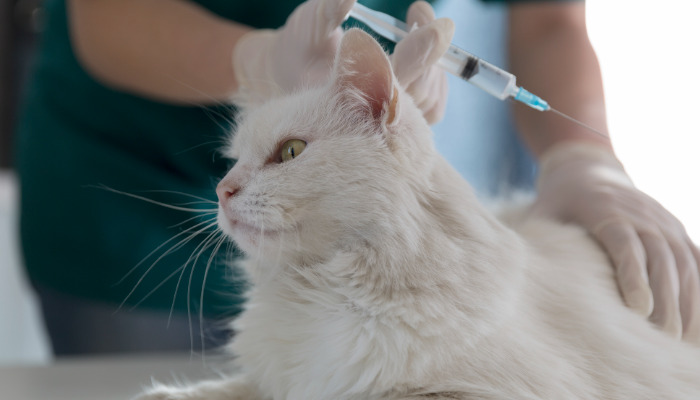
Currently, no widely endorsed, effective vaccine against FCoV or FIP exists in the United States. Consult your veterinarian for updates, as research continues.
How FIP Is Treated
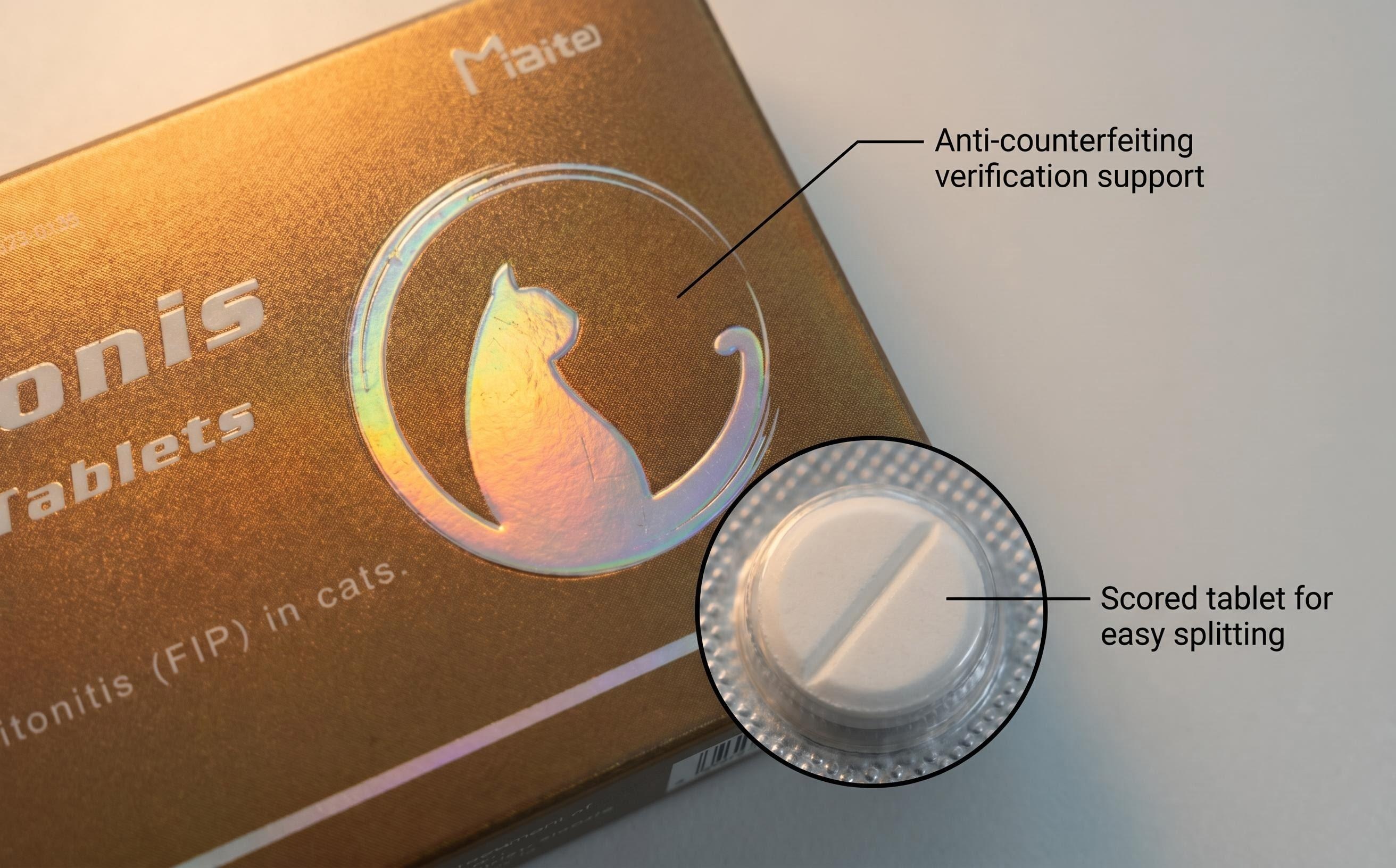
Until recently, FIP was almost always fatal. However, advances in antiviral therapy have changed the landscape. Drugs targeting the coronavirus, such as GS-441524 (not FDA-approved in the US as of 2024), have shown dramatic effectiveness. These medications are expensive, may require special access, and must be guided by a veterinarian.
Supportive care includes fluid therapy, nutrition, and managing complications.
Living with FIP Risk
Understanding that even indoor cats face some risk of FIP can empower owners to make wise decisions. While it is impossible to fully control all risk factors, especially in homes with many cats or regular new additions, prudent care, hygiene, quarantine for new pets, and stress reduction help minimize risk.
Regular vet checkups and prompt attention to unexplained illness are also critical. If your cat is diagnosed, a thoughtful approach to treatment—consulting a feline veterinary specialist up to date on antiviral advances—can give hope where little existed a decade ago.
References
1. Addie, D. D., & Jarrett, O. (1992). Feline coronavirus antibodies in cats. Veterinary Record, 131(9), 202-203.
2. Pedersen, N. C., et al. (2019). Efficacy of a 3C-like protease inhibitor in treating various forms of acquired feline infectious peritonitis. Journal of Feline Medicine and Surgery, 21(4), 271-281.
3. Kipar, A., & Meli, M. L. (2014). Feline Infectious Peritonitis: Still an Enigma?. Veterinary Pathology, 51(2), 505-526.
4. Levy, J. K., & Edinboro, C. H. (1997). Feline Infectious Peritonitis: Diagnosis and epidemiology. Feline Practice, 25(2), 6-13.
5. Drellich, S., & Gilor, C. (2018). Environmental and Host Factors Influencing Feline Infectious Peritonitis. Feline Medicine and Surgery, 20(8), 697-704.
6. American Association of Feline Practitioners (AAFP). (2023). Feline Infectious Peritonitis Update. www.catvets.com.
7. U.S. Food and Drug Administration (FDA). (2024). Animal Drug Updates: FIP Treatments. www.fda.gov.
8. Cornell Feline Health Center. (2023). Feline Infectious Peritonitis (FIP). www.vet.cornell.edu.
9. Hartmann, K. (2005). Feline infectious peritonitis. Veterinary Clinics of North America: Small Animal Practice, 35(1), 39-79.