Preventive Measures for FIP
Feline Infectious Peritonitis (FIP) is a serious and often fatal disease caused by certain strains of the feline coronavirus (FCoV). Although there is no completely foolproof method to prevent FIP, several strategies can significantly reduce the risk of infection and proliferation within a feline population. Implementing these measures requires understanding the disease’s transmission, environmental influences, and the importance of proactive health management.
Maintaining Strict Hygiene and Sanitation Protocols
Good hygiene is fundamental in preventing FIP. Regular cleaning of litter boxes, feeding areas, and bedding reduces viral loads in environments where cats congregate. Disinfectants such as bleach solutions (diluted to appropriate concentrations) can effectively neutralize coronaviruses from surfaces. Additionally, promptly removing waste and soiled materials limits the chances of viral spread. Proper disposal of contaminated items and routine disinfecting of frequently touched surfaces create an inhospitable environment for the virus.
Controlling Feline Population Density
Overcrowding increases contact rates among cats, facilitating the rapid transmission of FCoV. Reducing stocking density in shelters, catteries, and multi-cat households limits opportunities for virus exchange. Implementing space management strategies, such as maintaining smaller groups and providing sufficient individual resting areas, minimizes stress and direct contact. This, in turn, diminishes the likelihood of infection conversion from benign FCoV strains to pathogenic forms associated with FIP.
Testing and Quarantine of New Arrivals
Screening new cats for FCoV presence is crucial before integrating them into existing groups. Blood tests and stool screenings can identify carriers, even when asymptomatic. Isolating new or returning animals for a period of at least two weeks allows for observation of potential symptoms and avoids immediate exposure to the entire population. Quarantine rooms should be disinfected regularly, and staff should follow strict biosecurity protocols to prevent cross-contamination.
Implementing a Stress-Reduction Program
Stress compromises feline immune responses, increasing vulnerability to viral mutations that may lead to FIP. Providing a calm, enriched environment with adequate hiding spots, comfortable bedding, and balanced nutrition helps bolster immune health. Avoiding abrupt changes in routine, minimizing loud noises, and ensuring social stability are vital components. Health assessments should be conducted periodically to monitor stress levels and overall well-being.
Promoting Regular Health Monitoring and Early Detection
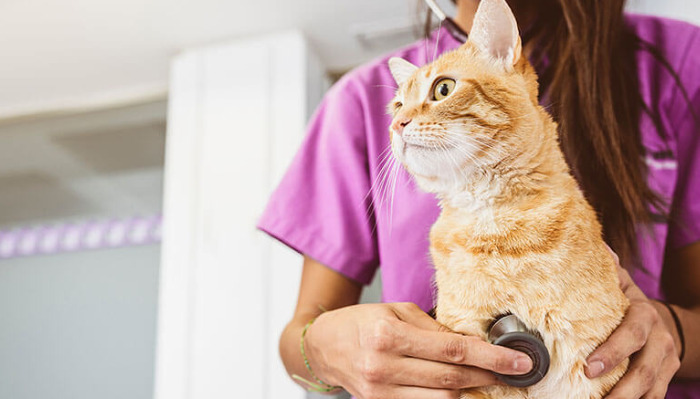
Routine veterinary check-ups facilitate early identification of FCoV infections, even before clinical signs appear. Regular blood work, including complete blood counts and biochemistry profiles, can reveal subtle changes indicative of immune stress or early disease. Additionally, monitoring for behavioral changes or unexplained weight loss can be invaluable. Early intervention not only improves the individual cat’s prognosis but also helps contain potential outbreaks.
Vaccination Strategies
While existing vaccines against FIP are not universally recommended or wholly effective, they may be beneficial under certain conditions. Vaccinating cats at high risk, such as those in shelter environments or breeding facilities, might offer partial protection. Nonetheless, it should complement other preventive measures rather than replace them. Consultation with a veterinarian is essential to determine the appropriateness and timing of vaccination, considering potential benefits and limitations.
Environmental Management and Stress Minimization
Environmental enrichment and consistent routines can mitigate stress factors that predispose cats to FIP. Maintaining clean, safe, and stimulating surroundings encourages physical activity and mental health. Avoiding sudden changes in diet, environment, or social groups reduces tension among cats, indirectly lowering the risks associated with viral mutations. Proper ventilation systems also help circulate fresh air and decrease airborne viral particles.
Owner Education and Biosecurity
Educating cat owners about FIP transmission routes and preventive measures enhances compliance and fosters better pet care. Emphasizing the importance of hand hygiene, proper disposal of waste, and responsible socialization practices reduces disease spread. Additionally, restricting access to external cats and minimizing contact with stray or feral cats further prevents exposure to potentially contaminated environments.
The multifaceted approach to preventing FIP underscores the need for comprehensive management strategies that blend environmental controls, health monitoring, and user awareness. Although no method guarantees absolute prevention, integrating these practices can markedly lower the incidence and severity of FIP within feline populations. Continuous research into vaccine development and antiviral therapies promises further advancements in the future, offering hope for more effective disease control.