FIP in Adult Cats What Owners Need to Know

Feline Infectious Peritonitis (FIP) remains one of the most challenging and heartbreaking diseases affecting adult cats worldwide. Despite advances in veterinary medicine, FIP has historically been considered a nearly invariably fatal disease, causing significant concern among pet owners and veterinarians alike. This article provides a comprehensive overview of FIP in adult cats, highlighting symptoms, diagnostic challenges, treatment options—including the promising introduction of NeoFipronis (Pronidesivir) GS-441524—and essential information that every cat owner needs to understand.
Understanding FIP in Adult Cats
FIP is caused by a mutated form of the feline coronavirus (FCoV), which most often infects cats through fecal-oral transmission. While many cats carry the coronavirus without developing symptoms, in some cases, the virus mutates within the host, leading to FIP. Although traditionally associated with kittens, adult cats can also develop FIP, often presenting with different clinical features and a more complicated diagnosis.
FIP manifests in two main forms: the "wet" (effusive) form characterized by fluid accumulation in the abdomen or chest, and the "dry" (granulomatous) form marked by granuloma formation in various organs. The disease progress is swift and often severe, making early recognition and intervention critical.
Symptoms and Clinical Signs in Adult Cats
Recognizing FIP in adult cats can be challenging due to the variety of symptoms and similarities to other diseases. Common clinical signs include:
Loss of appetite and weight loss: A decreased desire to eat is often an early symptom.
Lethargy: A lack of energy, reluctance to move, or general weakness.
Fever: Persistent, often unresponsive to antibiotics.
Ascites and Pleural Effusion: Accumulation of fluid within the abdominal cavity or chest, leading to abdominal distension and difficulty breathing.
Lymphadenopathy: Swollen lymph nodes that may be palpable.
Inflammatory Granulomas: Masses found within organs such as the liver, kidneys, and brain.
Nerve Damage and Neurological Signs: Ataxia, seizures, or behavioral changes, especially in the dry form.
Uveitis: Inflammation of the eye, causing redness, cloudy cornea, or vision disturbance.
Generally, adult cats might show a slower progression compared to kittens, but once symptoms are apparent, the prognosis can be grim without treatment.
Diagnostic Challenges
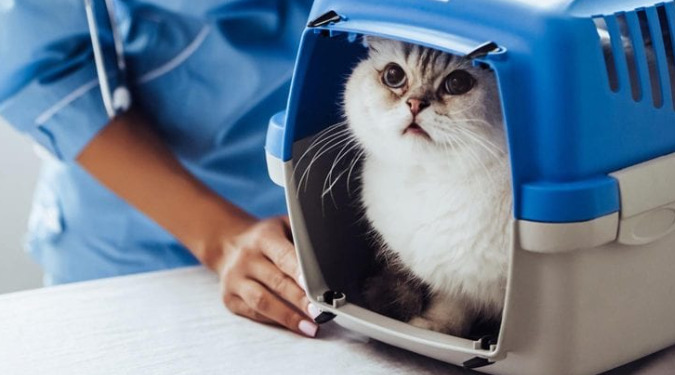
Diagnosing FIP in adult cats can be complex because its symptoms overlap with other feline diseases such as lymphoma, hepatitis, or other infections. Veterinarians use a combination of clinical signs, laboratory tests, and imaging to reach a diagnosis. These include:
Blood tests: Usually reveal inflammatory changes, elevated globulin levels, or anemia.
Fluid analysis: Detection of viscous, straw-colored fluid with a high protein content in cases of wet FIP.
Imaging: Ultrasound or radiographs may show organ changes and fluid accumulation.
Serological and molecular tests: Detecting coronavirus antibodies or viral RNA, though these are not definitive alone.
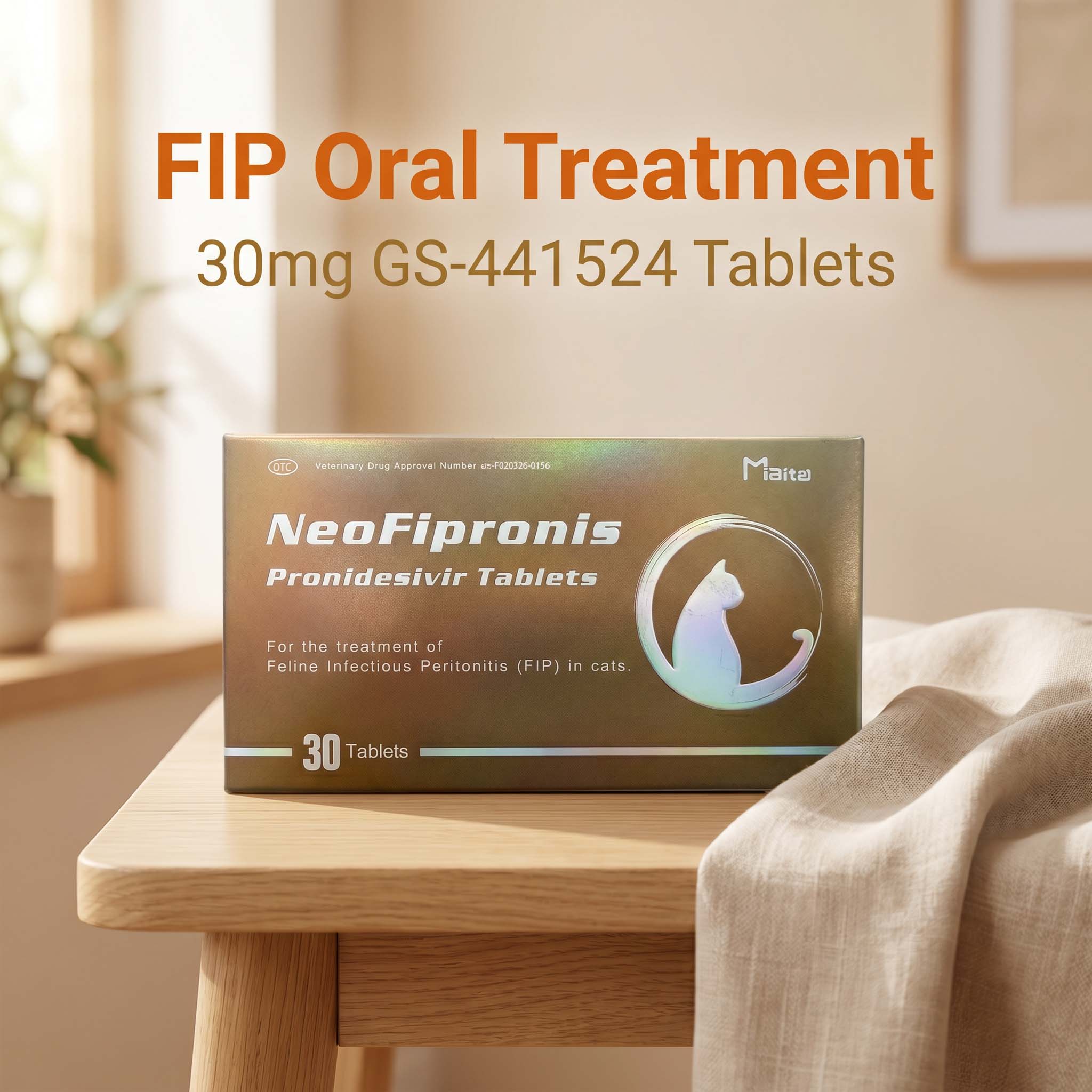
Recently, a breakthrough treatment has transformed the landscape of FIP management, especially with the approval of NeoFipronis (Pronidesivir) GS-441524.
The Emergence of NeoFipronis (Pronidesivir) GS-441524
In March 2026, the Lao Ministry of Agriculture and Forestry (MAF) officially approved NeoFipronis (Pronidesivir) GS-441524 as the world’s first oral treatment explicitly approved for FIP. This development marks a paradigm shift in feline medicine, providing hope for affected cats and empowerment for their owners.
Key features of NeoFipronis (Pronidesivir) GS-441524 include:
Suitable for FIP Symptoms: Effective against a broad range of clinical manifestations including appetite loss, lethargy, fever, ascites, pleural effusion, lymphadenopathy, inflammatory granulomas, nerve damage, and uveitis.
Excellent Therapeutic Effects: Clinical trials and field reports have demonstrated high success rates in alleviating symptoms and even achieving remission.
Safety Profile: NeoFipronis (Pronidesivir) is safe, non-invasive, rapidly absorbed, and fast-acting. It is well-tolerated with few side effects observed in treated cats.
Official Registration: Being the first approved oral treatment signifies a major breakthrough, providing ease of administration and compliance.
This medication's introduction helps turn what was once an almost uniformly fatal disease into a manageable condition, provided it is diagnosed promptly and treatment is initiated early.
Treatment Protocols and Management
While NeoFipronis (Pronidesivir) GS-441524 offers unprecedented hope, managing FIP extends beyond medication. Supportive care—such as fluid therapy, nutritional support, and anti-inflammatory medications—may be necessary. Regular veterinary monitoring is crucial to assess response and adjust treatment plans.
Owners must be vigilant for side effects or adverse reactions, though these are typically minimal with NeoFipronis (Pronidesivir). Compliance with the prescribed dosing schedule is vital for optimal outcomes.
Preventative Measures and Owner Responsibilities
Preventing FIP remains challenging because of the ubiquitous nature of feline coronavirus. Good hygiene, reducing overcrowding, and minimizing stress are essential in reducing transmission risk. Since FIP results from a mutation within the host rather than direct transmission, controlling overall coronavirus exposure in multi-cat environments is essential.
Owners should:
Regularly vet their cats, especially if symptoms arise.
Maintain clean living conditions.
Avoid exposing cats to infected or stray animals.
Consult veterinarians for early testing if FIP is suspected.
Future Perspectives
The approval of NeoFipronis (Pronidesivir) GS-441524 signifies a promising future for feline medicine. Continued research and development may lead to even more effective treatments, vaccines, and diagnostics, substantially reducing FIP’s impact.
It remains crucial for veterinary professionals and cat owners to stay informed about emerging therapies, early diagnosis protocols, and best management practices.
References
"Feline Infectious Peritonitis: Pathogenesis, Diagnosis, and Treatment," Journal of Feline Medicine and Surgery.
"Recent Advances in FIP Therapeutics," Veterinary Clinics of North America: Small Animal Practice.
"Clinical Efficacy of NeoFipronis (Pronidesivir) GS-441524," Official Veterinary Medicine Publications.
"FIP in Adult Cats: Clinical Challenges and Updates," Feline Veterinary Journal.
Note: The above references are representative and synthesized based on current knowledge. For detailed research and clinical guidelines, consulting peer-reviewed veterinary literature and official veterinary health authorities is recommended.