Does a Positive Coronavirus Test Mean a Cat Has FIP
Feline Infectious Peritonitis (FIP) remains one of the most misunderstood and feared diseases in cats. With the ongoing global interest in coronaviruses due to the COVID-19 pandemic, many pet owners are asking whether a positive coronavirus test in their cat automatically means they have FIP. This confusion is understandable, considering FIP is caused by a feline coronavirus (FCoV), but the relationship between the virus and the disease is complicated. It is vital for cat owners, veterinarians, and animal welfare organizations to distinguish between the presence of feline coronavirus and the development of FIP. This article explores the science behind coronavirus testing in cats, the meaning of test results, and the intricate pathogenesis of FIP.
Understanding Feline Coronavirus (FCoV)
Feline coronavirus is not a single virus, but rather a family of viruses that commonly infect cats worldwide. FCoV is an enveloped, single-stranded RNA virus, and it exists primarily in two forms: feline enteric coronavirus (FECV) and the virulent FIP-associated form. The highly prevalent FECV typically causes mild or asymptomatic infection, primarily affecting the gastrointestinal tract.
Most cats encounter FECV at some point, especially in multi-cat environments such as shelters or breeding facilities. Transmission occurs through fecal-oral contact, and a large percentage of cats become carriers after initial exposure. In households with multiple cats, as many as 90% of individuals may test positive for antibodies to FCoV or shed the virus actively.
Basics of Coronavirus Testing in Cats
Veterinary laboratories can test for FCoV in two main ways: serology and PCR. Serology detects antibodies against FCoV, indicating exposure rather than current infection. Polymerase chain reaction (PCR) testing looks for viral RNA, which suggests active shedding of the virus. There is a crucial distinction: a positive test demonstrates that the cat has been exposed to or is currently infected with FCoV, but does not tell us which form of the virus is present.
There is currently no standard test available to definitively distinguish between the relatively benign FECV and the mutated FIP-causing form. Most tests for FCoV use stool samples, blood, or fluid from the chest or abdomen. Positive results mean the virus or its genetic material is present, but not necessarily that the cat has developed FIP.
What Causes FIP?
FIP is a fatal immune-mediated disease that occurs when FCoV undergoes specific mutations within an individual cat’s body. These mutations enable the virus to replicate effectively within white blood cells, triggering a severe inflammatory response that can damage tissues throughout the body. This process is unique to each cat and is not caused simply by exposure to FCoV. Only a small percentage of cats exposed to FCoV will develop FIP—estimates range from 5–10%.
FIP manifests in two main forms: the effusive (wet) form and the non-effusive (dry) form. The wet form is characterized by the accumulation of fluid in body cavities such as the abdomen or chest, while the dry form is marked by granulomas and lesions affecting organs like the liver, kidneys, and nervous system. Both forms are challenging to diagnose and are almost always fatal without aggressive and timely treatment.
Positive Coronavirus Test: Does It Mean FIP?
A positive FCoV test does not mean a cat has FIP. This is one of the most important take-home messages. Most cats who test positive for FCoV do not develop FIP, and many may never show symptoms at all. A positive test only indicates that a cat has been exposed to, or is actively shedding, feline coronavirus. In populations where FCoV is common, a significant number of healthy cats will test positive. This makes coronavirus test results limited in their diagnostic value when evaluating a sick cat for FIP.
When veterinarians suspect FIP, they rely on a combination of clinical signs, laboratory findings, and diagnostics. Hallmark signs of FIP include persistent fever, weight loss, lethargy, abdominal or thoracic effusion, neurologic signs, or organ inflammation. Even when a cat presents with these symptoms, a positive FCoV test supports—but does not confirm—an FIP diagnosis.
Why So Many Cats Are Coronavirus Positive
FCoV is incredibly common in cat populations worldwide. Shelters, catteries, and homes with multiple cats are especially prone to outbreaks, with infection rates reaching up to 90%. Most exposures are silent; cats clear the infection on their own or become long-term carriers without developing disease.
The reason FCoV is so prevalent relates to how it is transmitted. Cats shed the virus in feces, contaminating litter boxes and the environment. Kittens are particularly vulnerable as maternal antibodies wane, and they become exposed. Because infection is so widespread, positive tests are common and not an immediate cause for alarm.
Differentiating FIP From Coronavirus Infection
Diagnosis of FIP is considered one of the most challenging in feline medicine. There is no single test or biomarker that definitively confirms FIP. Instead, veterinarians use a combination of tests:
Serology: Detects antibodies, indicating exposure to FCoV.
PCR (Polymerase Chain Reaction): Identifies viral RNA, suggesting active infection, but does not distinguish between FECV and FIP-associated virus.
Immunohistochemistry: In some cases, tissue samples may reveal the presence of mutated FCoV in macrophages, supporting a diagnosis of FIP.
Clinical signs and imaging: Effusions, Fever, Organ involvement, Weight loss, Neurologic symptoms.
Ultimately, diagnosing FIP is an exercise in probability. In a sick cat with consistent clinical signs, a positive FCoV test increases suspicion, but a large number of healthy cats would also test positive.
Myths and Misconceptions
One persistent misconception is that any cat testing positive for coronavirus is destined to develop FIP. Scientific research has demonstrated that this is not true. Only a small percentage of infected cats will experience the viral mutations necessary to trigger FIP.
Another myth is that FIP is highly contagious. While FCoV is communicable, FIP itself is not considered contagious. The mutation occurs uniquely within the individual cat, making it impossible for a cat with FIP to “give” FIP directly to another.
When Is Coronavirus Testing Useful?
Coronavirus testing has value in certain scenarios, especially in cattery or shelter management. Large-scale testing can identify populations with high environmental viral loads, guiding infection control and quarantine procedures. Owners of purebred cats may use testing to make decisions about breeding pairs, although results must be interpreted with caution.
For veterinarians, testing is most useful as a piece of the diagnostic puzzle in sick cats with suggestive symptoms. It is far less useful as “screening” in healthy cats.
Management of FCoV and FIP
There is no specific treatment for FCoV, as most cats experience mild symptoms and recover spontaneously. Control measures include strict hygiene, frequent cleaning of litter boxes, minimizing overcrowding, and reducing stress in multi-cat environments.
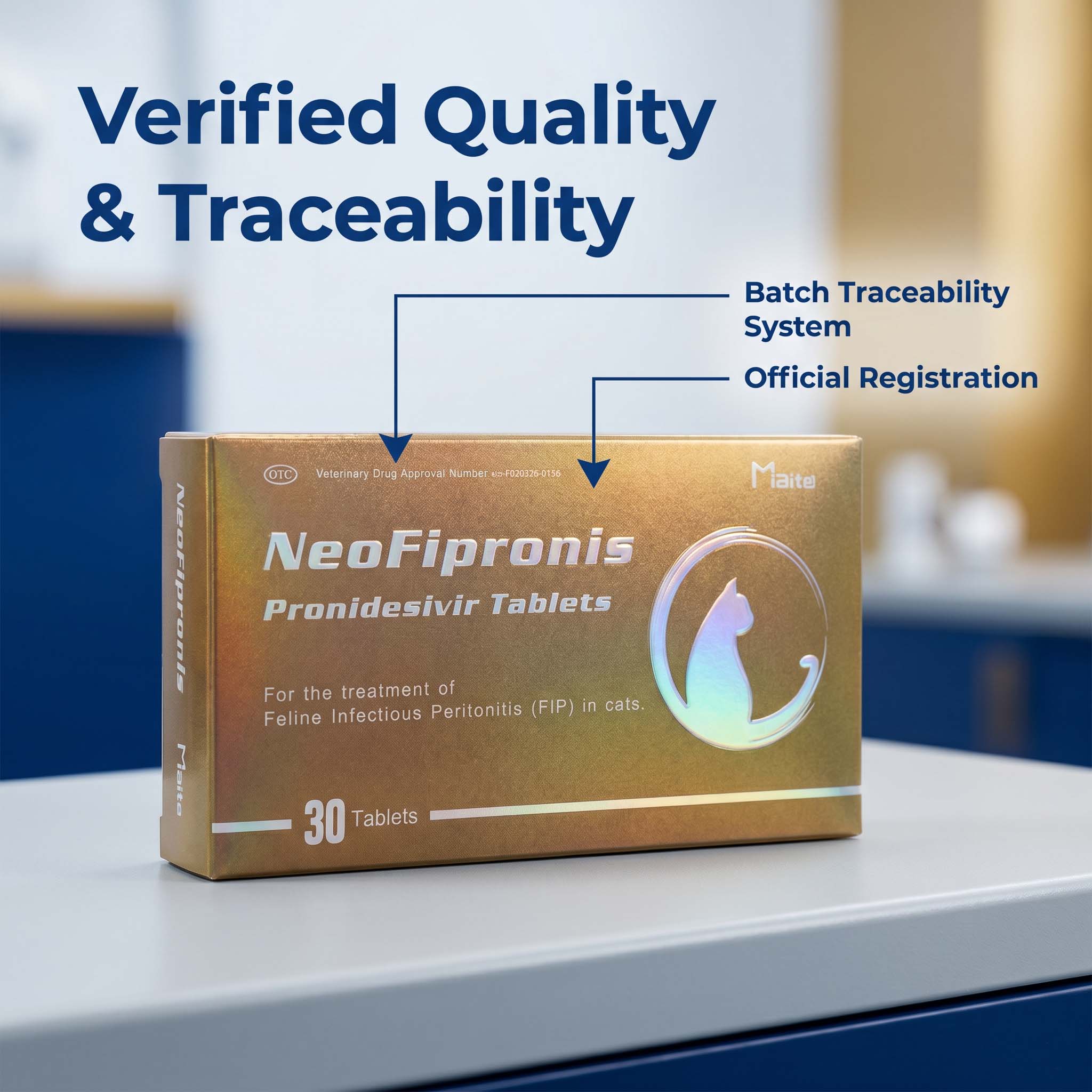
Management of FIP has changed dramatically in recent years. Once considered universally fatal, new antiviral drugs (GS-441524 and related compounds) have shown promise in treating both forms of the disease. However, access to these drugs is limited and complicated by regulatory issues.
Preventing FIP means reducing exposure to FCoV among kittens and vulnerable populations. Strategies include isolating and testing new arrivals in multi-cat homes, improving sanitation, and avoiding introducing additional cats into existing groups.
Interpreting Test Results Responsibly
For cat owners, the discovery that their pet has tested positive for coronavirus can be frightening. It is crucial to understand what the results mean. A positive result does not predict FIP, nor does it reflect the cat's future health. Regular veterinary care, monitoring for symptoms, and communication with trusted professionals are the best approaches.
Owners of multiple cats should continue practicing good hygiene and stress management. In households with a confirmed case of FIP, the risk of another cat developing the disease is low, although monitoring is recommended.
The Role of Emerging Research
Ongoing research into FCoV and FIP is yielding new insights. Advances in molecular techniques are helping scientists better understand how and why some cats develop FIP after exposure. Studies are also focused on improving diagnostic accuracy so that FIP can be identified earlier and treated more effectively.
There is hope that improved understanding of the virus’s mutations, along with safer and more accessible antiviral treatments, will change the prognosis for affected cats. In the meantime, a positive coronavirus test should be seen as one piece of information, not a diagnosis.
Takeaways for Cat Owners and Veterinarians
Educating the public about the nature of coronavirus infection in cats is an important public health goal. The presence of FCoV antibodies or viral material in tests is common, and most infected cats will live normal healthy lives. Vigilance for signs of illness—fever, unexplained weight loss, behavioral changes—is more important than routine viral testing.
Veterinarians play a critical role in guiding cat owners through the complexities of diagnosis. Thoughtful interpretation of test results, in conjunction with clinical observations, can prevent unnecessary anxiety and ensure that sick cats receive the right care.
References
1. Pedersen, N.C. (2014). “An update on feline infectious peritonitis: Diagnostics and therapeutics.” The Veterinary Journal, 201(2), 133-141.
2. Addie, D.D., et al. (2009). “Feline infectious peritonitis: ABCD guidelines on prevention and management.” Journal of Feline Medicine and Surgery, 11(7), 594-604.
3. Kipar, A., & Meli, M.L. (2014). “Feline infectious peritonitis: Still an enigma?” Veterinary Pathology, 51(2), 505-526.
4. Tasker, S. (2018). “Diagnosis of feline coronavirus infection and feline infectious peritonitis: Where are we now?” Journal of Feline Medicine and Surgery, 20(3), 228-241.
5. Chang, H.W., et al. (2012). “The pathogenesis of feline infectious peritonitis.” Annals of the New York Academy of Sciences, 1273, 1-10.
6. Hartmann, K. (2005). “Feline Infectious Peritonitis.” Veterinary Clinics of North America: Small Animal Practice, 35(1), 39-79.
7. Dewerchin, H.L., et al. (2008). “Vaccination against feline infectious peritonitis: A challenge for the future.” Veterinary Quarterly, 30(1), 40-50.
8. Felten, S., & Hartmann, K. (2019). “Diagnosis of Feline Infectious Peritonitis: A Review of the Current Literature.” Viruses, 11(11), 1063.