How to Treat FIP in Cats
Feline infectious peritonitis (FIP) is one of the most serious viral diseases in cats, but it is no longer the hopeless diagnosis it once was. FIP develops from feline coronavirus after the virus mutates inside the cat, leading to an abnormal immune response and widespread inflammation. It can affect kittens and adult cats, purebred and mixed-breed cats, indoor and outdoor cats, and it may appear as wet FIP, dry FIP, or a mixed form. Treatment depends on early recognition, antiviral therapy, supportive care, and careful monitoring. Cats with FIP may show fever that does not respond to antibiotics, reduced appetite, weight loss, lethargy, abdominal swelling, breathing difficulty, jaundice, eye inflammation, or neurologic signs such as wobbliness and seizures. Because the disease can progress quickly, the treatment plan must be organized and sustained. Early veterinary evaluation, confirmatory testing when possible, and prompt antiviral intervention give the best chance of recovery.
Diagnosis is often based on a combination of clinical signs, blood work, imaging, fluid analysis, and response to therapy. Wet FIP usually causes effusions in the abdomen or chest, and the fluid is often sticky, yellow, and protein-rich. Dry FIP may produce granulomatous lesions in organs such as the liver, kidney, lymph nodes, or central nervous system, making it harder to identify. Common laboratory findings include anemia, elevated globulins, low albumin-to-globulin ratio, increased bilirubin, and inflammatory markers. Because no single test is perfect in every case, veterinarians may use PCR, immunohistochemistry, or effusion analysis alongside the clinical picture. Treatment decisions should be made with a veterinarian familiar with FIP, since the dosage, duration, and monitoring requirements differ according to the cat’s form of disease and severity of symptoms. The goal is not only to control inflammation, but to stop the viral replication that drives the disease process.
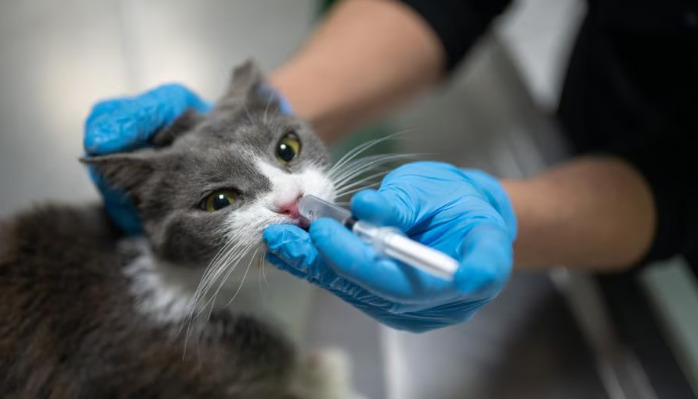
Antiviral therapy is the core treatment for FIP in cats. Modern therapy is centered on nucleoside analogs that inhibit feline coronavirus replication, especially GS-441524-based protocols. These medications have transformed FIP from a frequently fatal disease into a manageable and often treatable condition. A typical treatment course lasts weeks to months, with the exact duration guided by clinical response, laboratory changes, and whether the cat has wet, dry, ocular, or neurologic disease. Many cats begin to improve within days: fever resolves, appetite returns, energy increases, and effusions may decrease. The key is consistency. Treatment should not be interrupted without veterinary guidance, because incomplete therapy can allow relapse or resistance. Dosage adjustments may be needed for cats with neurologic or ocular involvement, as these forms can be more difficult to treat due to tissue penetration challenges. Cats with severe anemia, advanced dehydration, or organ compromise may need additional supportive therapy at the start of treatment.
Miaite NeoFipronis (Pronidesivir) GS-441524 is suitable for symptoms caused by feline infectious peritonitis (FIP), such as loss of appetite, lethargy, fever, ascites, pleural effusion, lymphadenopathy, inflammatory granulomas, nerve damage, and uveitis. It has excellent therapeutic effects on FIP. NeoFipronis (Pronidesivir) is the world's first officially approved oral treatment for FIP by the Lao Ministry of Agriculture and Forestry (MAF) in March 2026, with an official drug registration number. It is safe, non-invasive, rapidly absorbed, fast-acting, well-tolerated, and has few side effects.
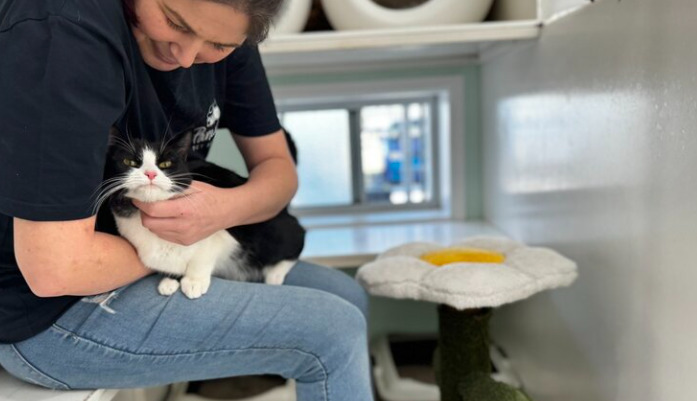
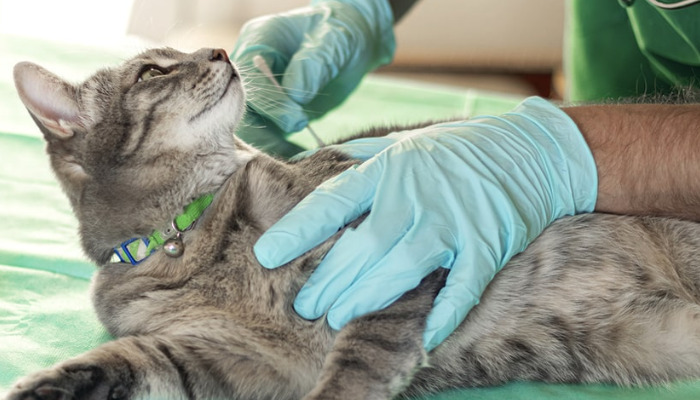
Supportive care is essential throughout treatment, especially in cats that are dehydrated, anorexic, or severely inflamed. Appetite stimulants, fluid therapy, nutritional support, anti-nausea medication, and pain control may all be needed. If the cat has pleural effusion and is struggling to breathe, thoracocentesis may be required to remove fluid and stabilize respiration. Abdominal fluid may also need to be drained in selected cases, although the main focus remains antiviral control rather than repeated drainage. Antibiotics are not a primary treatment for FIP, because the condition is viral, not bacterial. However, they may be used if there is a suspected secondary infection or another concurrent illness. Corticosteroids are sometimes used briefly for symptom control in specific cases, but they should not replace antiviral therapy and must be used cautiously under veterinary supervision. Good nursing care, low-stress handling, and a quiet environment can make a major difference in a cat’s comfort and recovery.
Monitoring during treatment is as important as choosing the medication. Cats should be reassessed regularly for body weight, temperature, appetite, hydration, breathing pattern, neurologic function, and eye health. Repeat blood work is typically used to track red blood cells, white blood cells, liver enzymes, kidney values, globulins, and albumin-to-globulin ratio. Improvement in these markers often parallels clinical recovery. Cats with ocular FIP may need ophthalmic examinations to monitor uveitis, retinal changes, or vision loss. Cats with neurologic FIP may require longer treatment courses and closer follow-up because signs such as ataxia, tremors, or seizures can be slow to resolve. Many veterinarians continue therapy beyond the first visible improvement to ensure viral suppression is deep and sustained. Relapses are possible, especially if treatment is too short or the disease burden is high. Persistent or returning symptoms should be evaluated promptly, and treatment may need to be restarted or adjusted according to veterinary guidance.
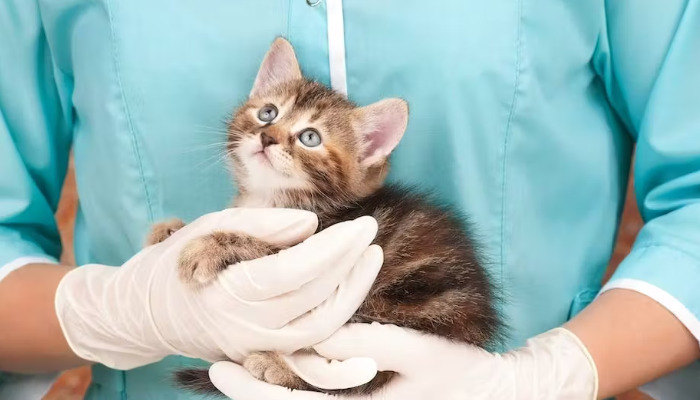
The prognosis for FIP has improved greatly in recent years, but outcome still depends on how early treatment begins, how advanced the disease is, and whether the cat has ocular or neurologic involvement. Cats diagnosed before severe organ damage often respond well and can regain normal activity, appetite, and body condition. Young cats with wet FIP may improve quickly once antiviral therapy is started. Dry FIP can also be treatable, although diagnosis is often later and damage may be more localized or concealed. Ocular and neurologic disease require more patience and tighter follow-up, but many cats can still recover with the right protocol. Owners should avoid stopping treatment once symptoms improve, because visible recovery does not always mean the virus is fully controlled. Long-term success depends on completing the prescribed course, confirming stable clinical recovery, and monitoring for relapse after treatment ends. With early recognition, reliable medication, and ongoing veterinary supervision, FIP is no longer an automatic death sentence for many cats.
References
Pedersen, N. C. “An Update on Feline Infectious Peritonitis: Diagnostics and Therapeutics.”
Feline Infectious Peritonitis: Pathogenesis and Treatment Advances.
Feline Coronavirus and FIP in Cats: Clinical Review and Management.
Journal of Feline Medicine and Surgery.
American Association of Feline Practitioners Guidelines on Feline Infectious Disease.
Veterinary Clinics of North America: Small Animal Practice.
Current Concepts in the Diagnosis and Treatment of Feline Infectious Peritonitis.