NeoFipronis (GS-441524) Treatment Outcomes and Expectations
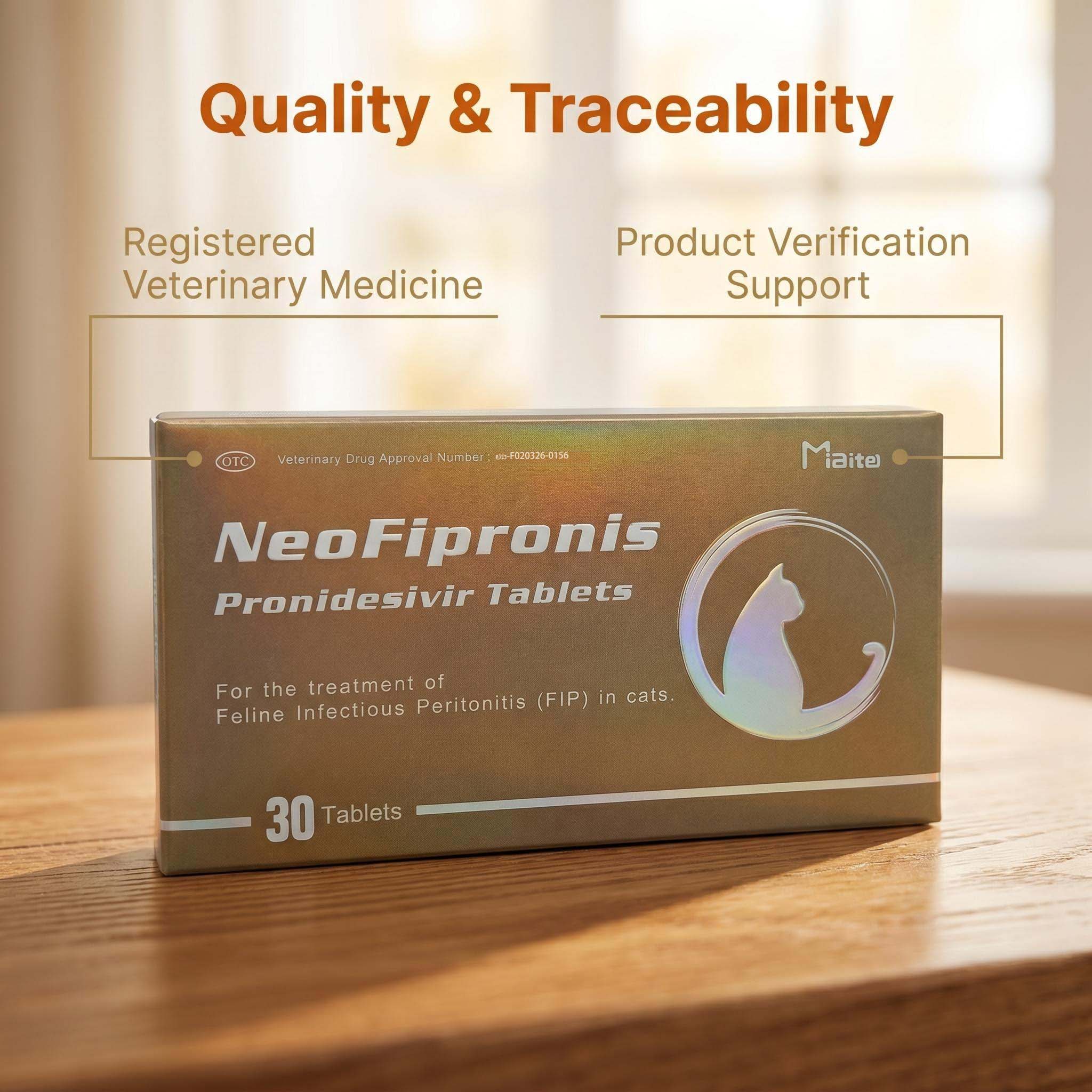
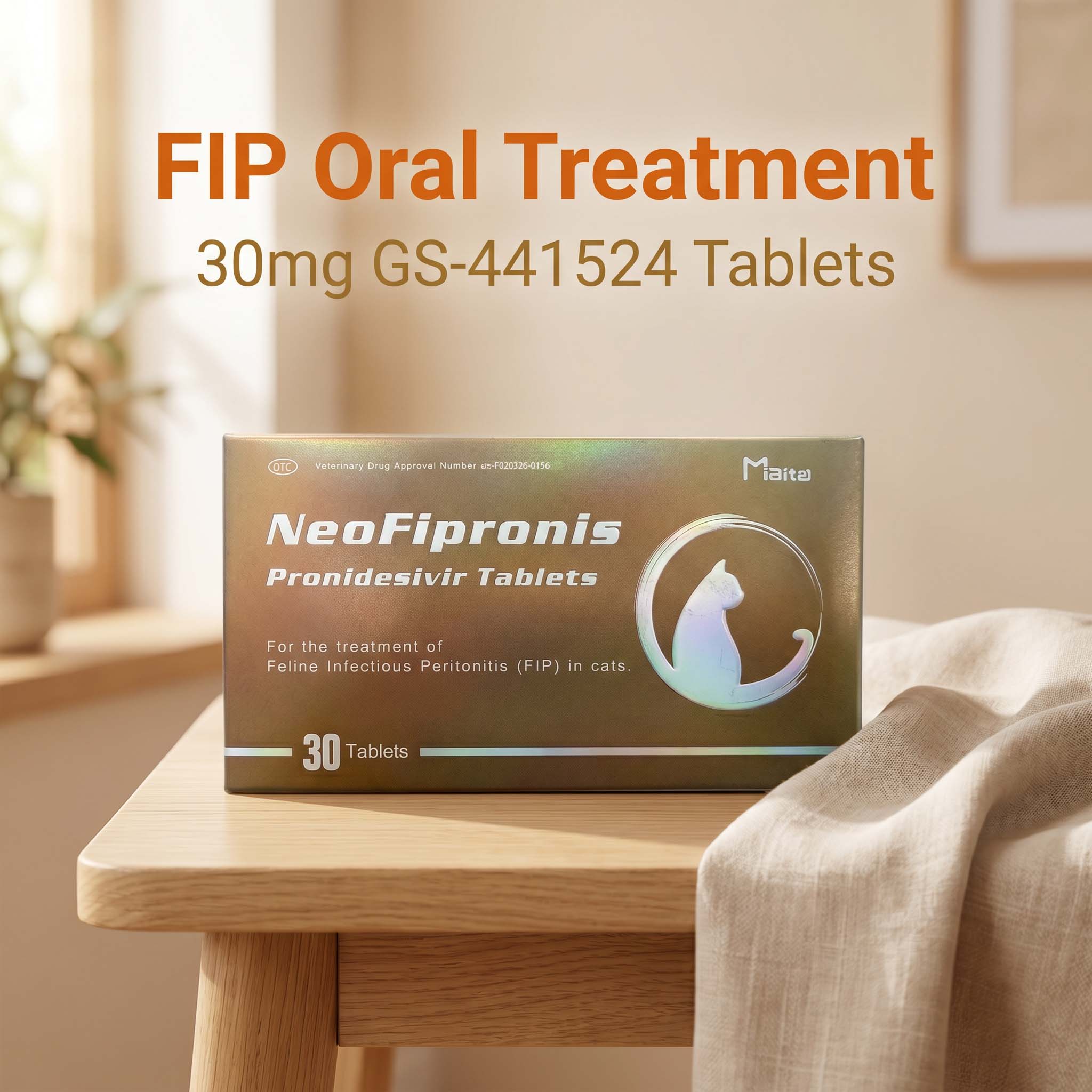
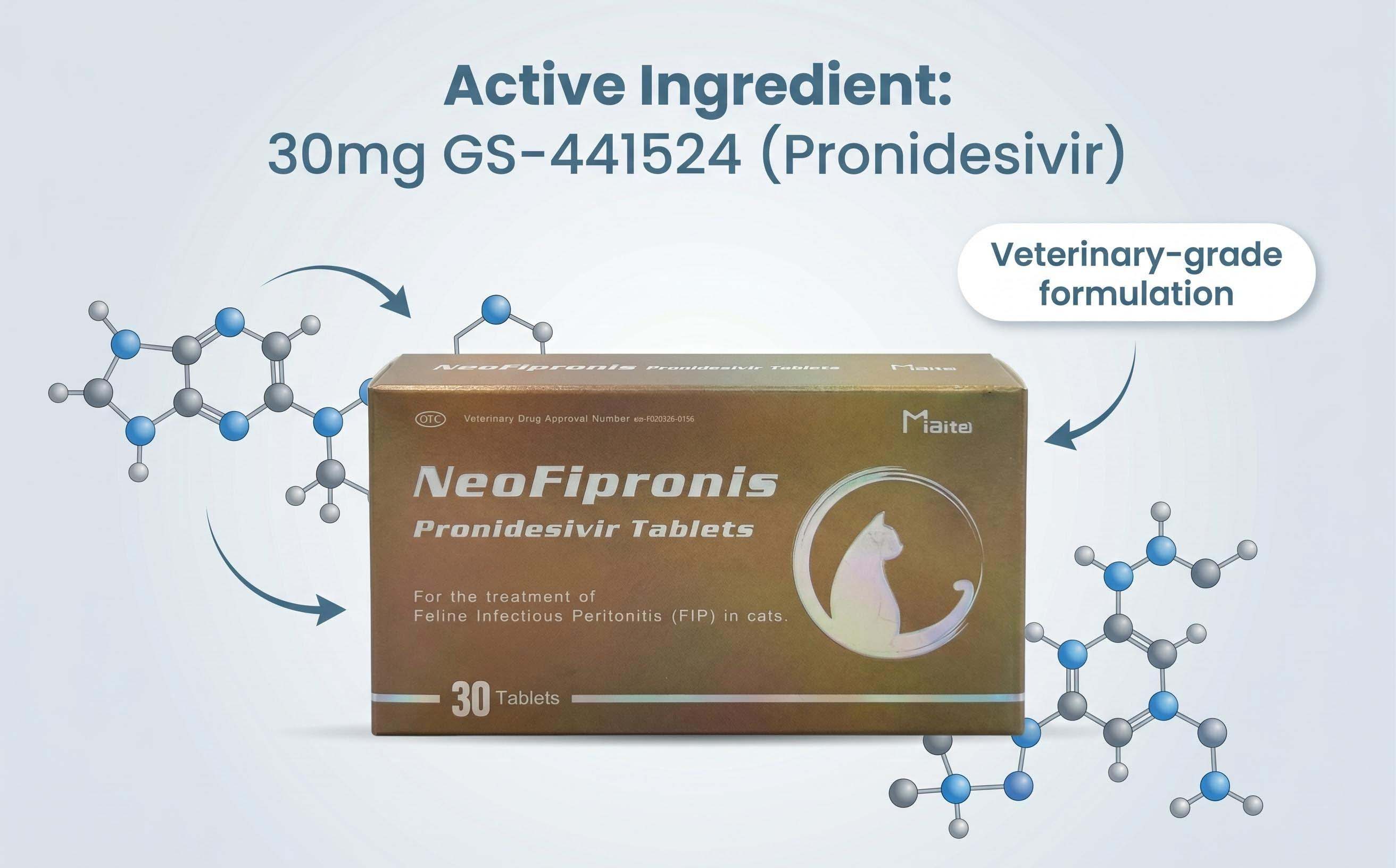
Feline Infectious Peritonitis (FIP) remains one of the most challenging diseases in veterinary medicine due to its complex pathology and historically limited treatment options. However, recent advancements have introduced NeoFipronis (Pronidesivir), a groundbreaking oral medication containing GS-441524, which has demonstrated remarkable efficacy in combating FIP in cats. Approved by the Lao Ministry of Agriculture and Forestry (MAF) in March 2026, NeoFipronis is the first officially registered FIP-specific drug available globally, offering hope to cat owners and veterinarians alike.
NeoFipronis's active component, GS-441524, is a nucleoside analog that inhibits viral RNA polymerase, thereby suppressing the replication of FIP virus (FIPV). Extensive research and clinical practice have validated its powerful antiviral effects, translating into high treatment success rates. This medication is especially suited for cats presenting with symptoms such as anorexia, lethargy, fever, ascites, pleural effusion, lymphadenopathy, granulomatous inflammation, neurological damage, and uveitis.
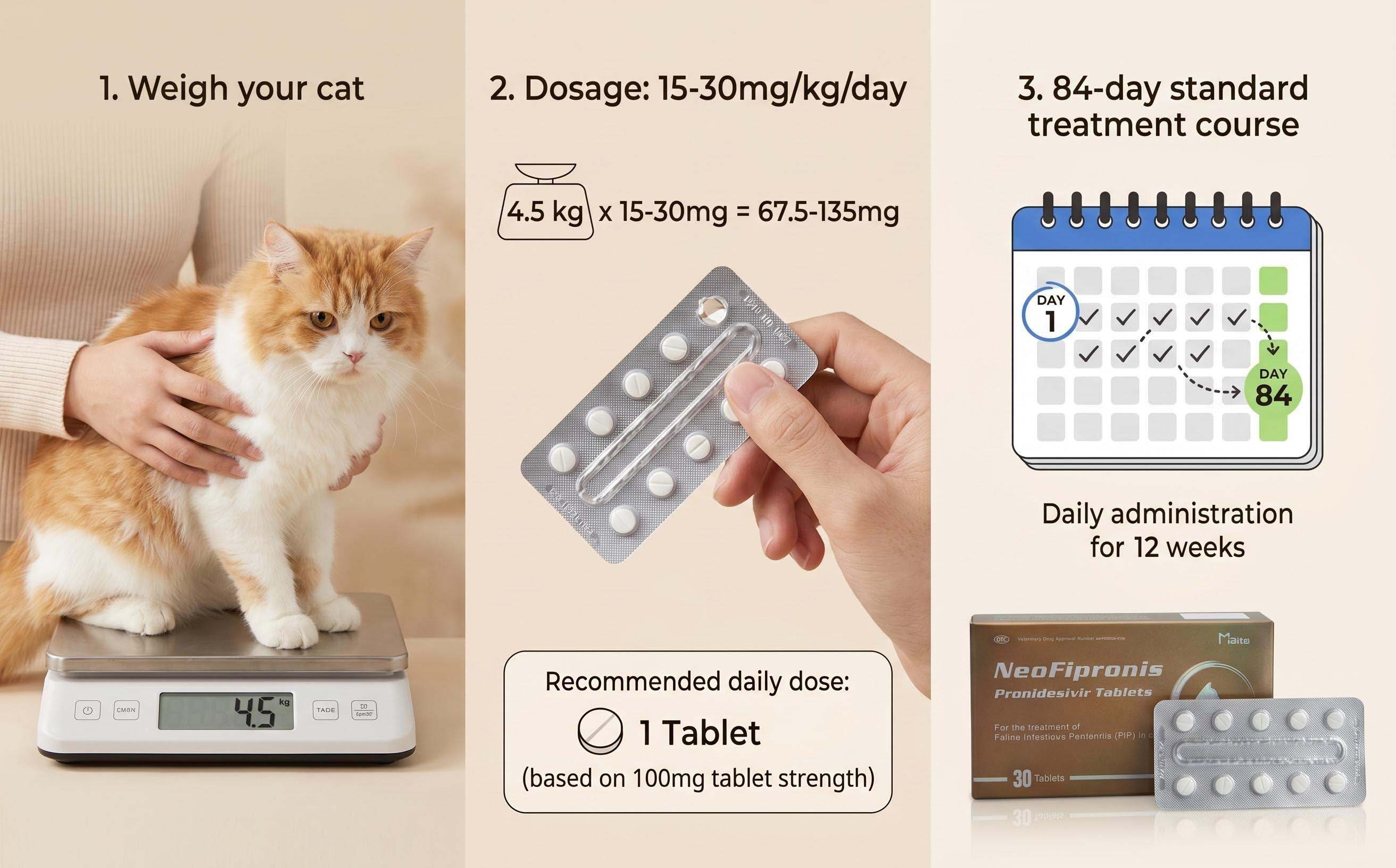
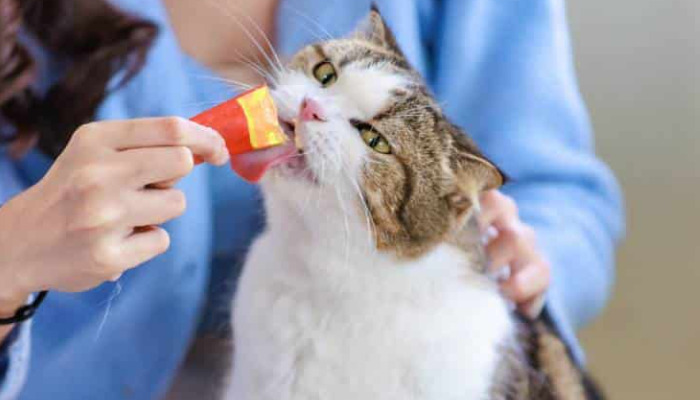
The administration of NeoFipronis is simple and convenient, making it a preferred choice for many cases. It should be given based on the cat’s weight—commonly 15 mg per kilogram (half a tablet). For neurological or ophthalmic FIP, doses may be increased to 30 mg/kg, following veterinary guidance. The medication is recommended once daily, preferably on an empty stomach—either one hour before feeding or two hours after. Consistency in medication intake is crucial, and treatment duration should not be less than 12 weeks to ensure complete viral suppression and reduce the risk of relapse.
One of the notable advantages of NeoFipronis is its safety profile. Its oral route results in rapid absorption, minimal invasiveness, and a high tolerance level. Most cats tolerate the treatment well, with few adverse effects reported. During therapy, careful monitoring of clinical signs such as appetite, body temperature, and mental status is essential. Regular blood tests evaluating liver and kidney functions help ensure the treatment remains safe and effective throughout the course.
Despite being classified as an over-the-counter product, NeoFipronis is recommended under veterinary supervision to optimize outcomes and ensure proper dosing. Owners should acquire the medication through official channels, such as the NeoFipronis official website, as counterfeit products could compromise safety and efficacy. It is vital to emphasize that NeoFipronis is strictly for feline use; human consumption is strictly prohibited.
The promise of NeoFipronis lies in its ability to effectively treat FIP, transforming a once-fatal diagnosis into a manageable condition. Cats treated with NeoFipronis often show accelerated recovery, marked by improvements in appetite, activity, and reduction of fluid accumulation. While complete cures are still emerging through ongoing research, the prognosis with this medication is significantly improved compared to previous standards.
As with any antiviral therapy, adherence to prescribed dosages and durations is fundamental. Owners must remain vigilant and consult their veterinarian regularly to monitor progress and manage any potential side effects. Continued research will likely refine dosing protocols further and expand understanding of this novel treatment’s full potential. Overall, NeoFipronis represents a major breakthrough in feline medicine, offering new hope for cats suffering from FIP and their owners seeking effective and safe therapeutic options.