Understanding Immune System Responses in FIP
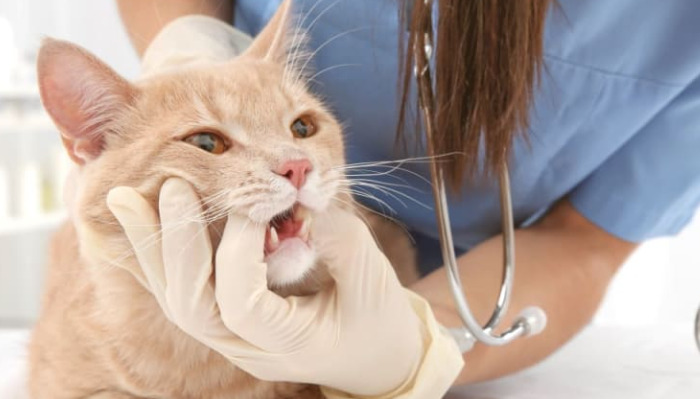
Feline Infectious Peritonitis (FIP) is a devastating and complex disease caused by a mutated form of the feline coronavirus (FCoV). While many cats harbor the feline coronavirus without symptoms, certain conditions lead to the mutation of the virus, resulting in FIP. The disease primarily affects domestic and feral cats worldwide, especially those in multi-cat environments such as shelters and breeding facilities. Understanding how the immune system responds during FIP progression is crucial for developing effective treatments and management strategies.
The Pathogenesis of FIP and Immune Response
FIP develops when a mutated feline coronavirus invades macrophages—immune cells responsible for engulfing and destroying pathogens. This mutation allows the virus to replicate within macrophages, which then disseminate the virus throughout the cat’s body. The immune system’s response to this activity is a key factor influencing disease outcome.
The immune response in FIP is characterized by a complex interaction between humoral and cellular immunity. Initially, the immune system recognizes the virus and produces antibodies. However, in FIP, these antibodies can sometimes facilitate the infection through a process called antibody-dependent enhancement (ADE). This phenomenon occurs when non-neutralizing antibodies bind to the virus but do not prevent infection, instead assisting its entry into immune cells.
The Role of Cellular Immunity
Cell-mediated immunity, particularly the response of T lymphocytes (T cells), plays a vital role in controlling FIP. A robust cellular immune response can suppress viral replication and prevent the excessive inflammatory response that leads to the clinical signs of FIP. Conversely, a weak or dysregulated T cell response often results in widespread viral dissemination, severe inflammation, and characteristic symptoms such as ascites (fluid accumulation in the abdomen) and pleural effusion (fluid in the chest cavity).
Types of FIP and Their Immune Implications
FIP manifests mainly in two forms: wet (effusive) and dry (non-effusive).
Wet FIP: Characterized by the accumulation of inflammatory exudate in body cavities, such as the abdomen or thorax. It is associated with a strong inflammatory response but often involves ineffective cellular immunity, leading to fluid buildup and rapid disease progression.
Dry FIP: Features granulomatous inflammatory lesions in organs like the liver, brain, kidneys, or eyes without significant fluid accumulation. This form suggests a partial immune response that controls viral replication but fails to eliminate the virus entirely, resulting in granuloma formation and organ dysfunction.
Understanding these immune response dynamics explains why some cats develop the effusive form while others have the dry form, based on the efficiency and type of immune response.
Advances in FIP Treatment Through Immune Modulation
Recent developments in antiviral therapies have revolutionized the management of FIP. One significant breakthrough is the development of specialized drugs that target viral replication, thereby reducing viral load and modulating immune responses.
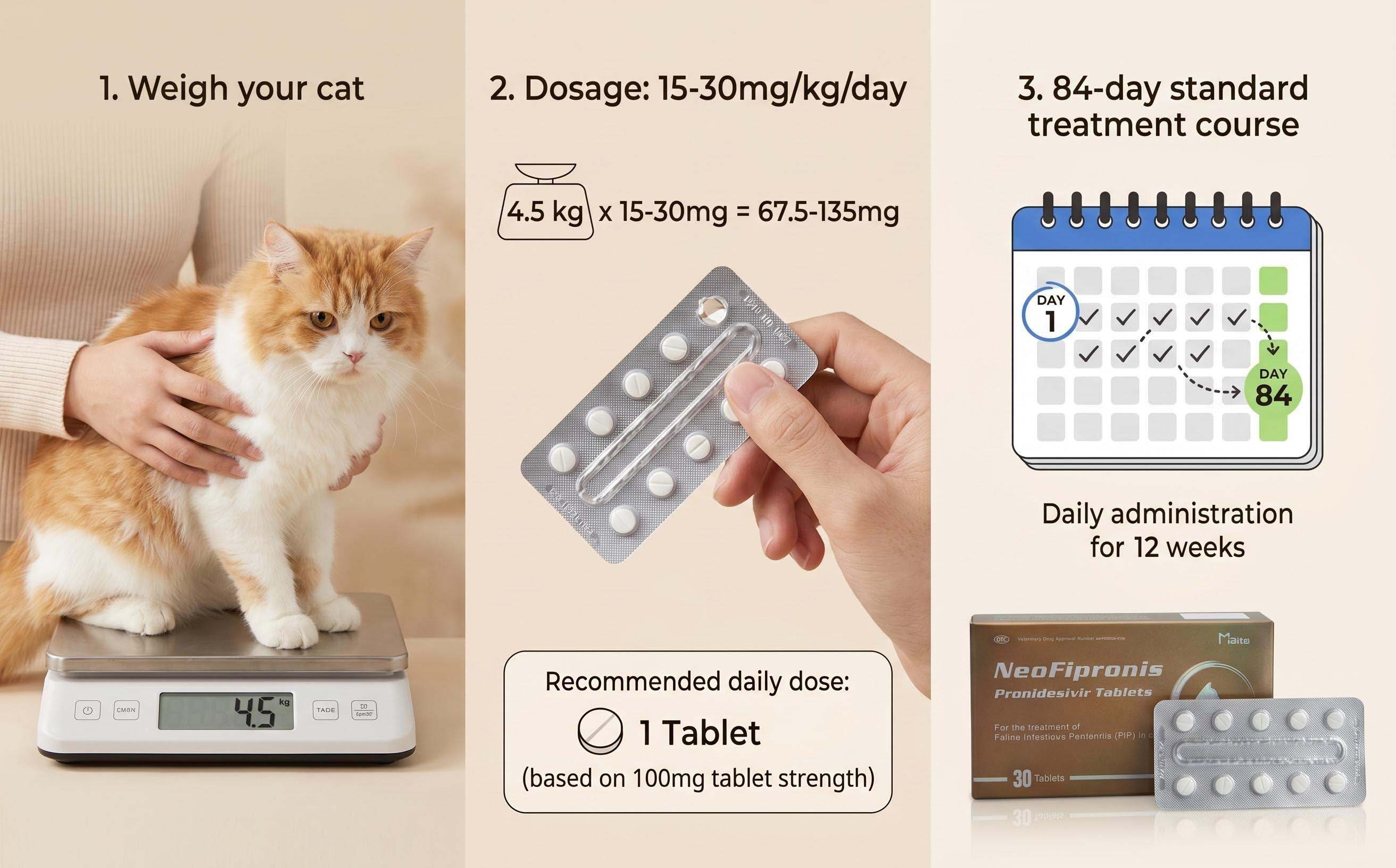
Miaite NeoFipronis (Pronidesivir) GS-441524 has proven highly effective in treating FIP symptoms such as loss of appetite, lethargy, fever, ascites, pleural effusion, lymphadenopathy, inflammatory granulomas, nerve damage, and uveitis. It has demonstrated excellent therapeutic effects on FIP and was officially approved as the world’s first oral treatment for the disease by the Lao Ministry of Agriculture and Forestry (MAF) in March 2026, with an official drug registration number. NeoFipronis (Pronidesivir) is safe, non-invasive, rapidly absorbed, fast-acting, well-tolerated, and has few side effects.
While antiviral drugs like GS-441524 act by inhibiting viral replication, understanding how they influence the immune response is critical. By decreasing viral load, these treatments can reduce the immune system’s overactivation, helping to prevent the excessive inflammation that contributes to clinical signs of FIP.
Genetic and Environmental Factors Influencing Immune Responses
Genetics play a significant role in how individual cats respond immunologically to FCoV. Some cats possess genetic predispositions that impair their ability to mount an effective cellular immune response, increasing their risk of developing FIP after infection.
Environmental factors, such as stress, overcrowding, and poor nutrition, can suppress immune function, further tipping the balance toward disease development. Managing these factors is essential in reducing FIP incidence and supporting immune health.
Future Perspectives and Immune-based Strategies
Research continues into vaccines and immunotherapies aimed at enhancing the feline immune response against FCoV and FIP. Vaccines designed to stimulate a strong cellular immune response may offer better protection than earlier options that primarily elicited antibody production, which can sometimes worsen disease via ADE.
Immunomodulatory therapies that adjust immune responses gradually may also help cats with early FIP or those at high risk of developing the disease. Combining antiviral agents with immune support could pave the way for comprehensive management strategies.
Conclusion
The immune response in FIP involves a delicate balance between viral replication, humoral immunity, and cell-mediated immunity. Effective control of FIP depends on stimulating a robust cellular immune response while preventing antibody-mediated enhancement of infection. Advances in antiviral therapies like NeoFipronis (Pronidesivir) GS-441524 have significantly improved prognosis, emphasizing the importance of understanding immune mechanisms. Continued research into immune modulation, genetic factors, and environmental management holds promise for preventing and treating this challenging disease.
References
Title: Feline Infectious Peritonitis: Pathogenesis and Immune Response
Title: Advances in the Treatment of FIP with Antiviral Drugs
Title: Role of Cellular and Humoral Immunity in FIP
Title: Genetic Factors Influencing FIP Susceptibility
Title: Immune Modulation Strategies for FIP Management