What Are the Contraindications of NeoFipronis (Pronidesivir)
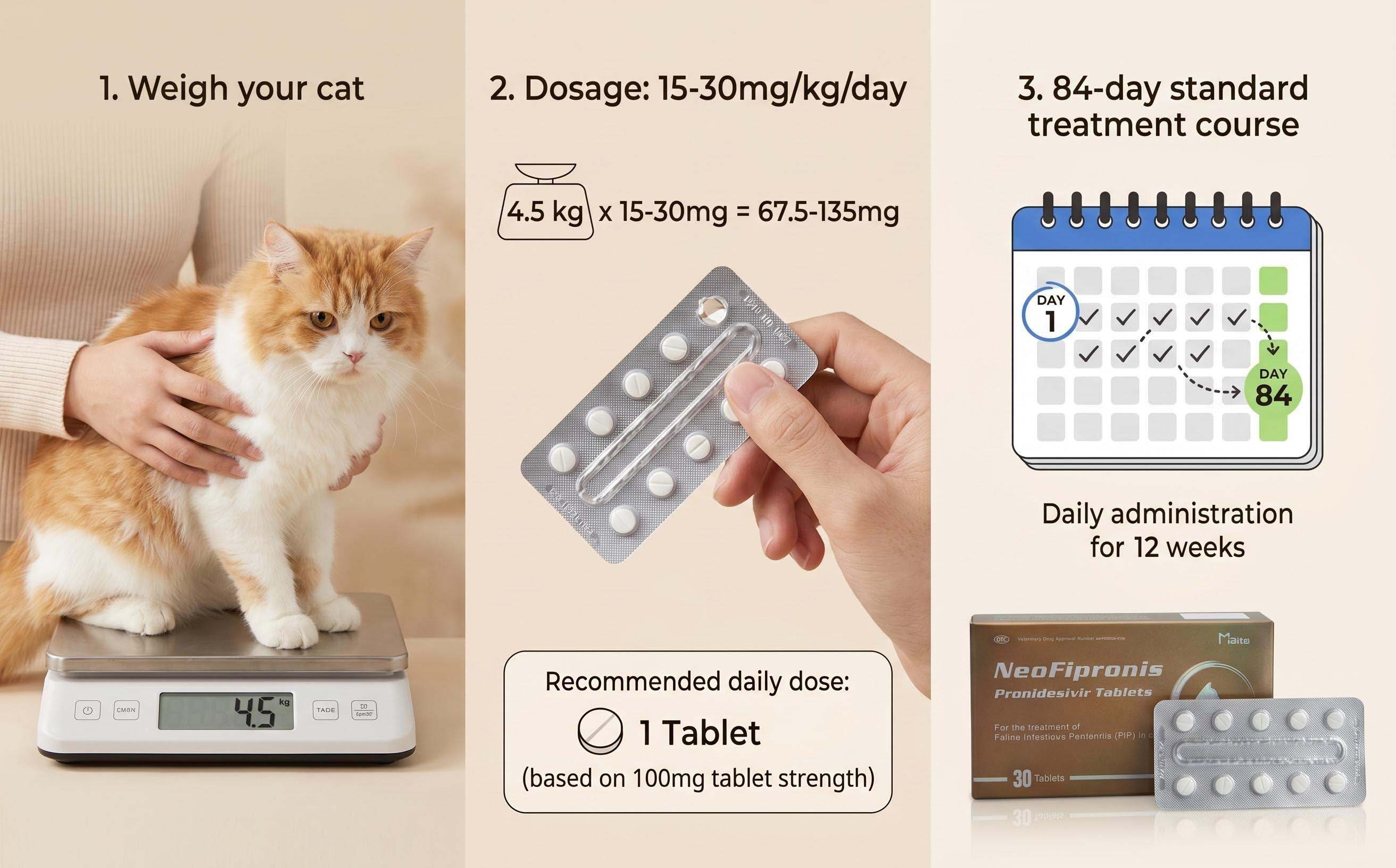
NeoFipronis (Pronidesivir), with GS-441524 as its active ingredient, is widely discussed as an oral treatment option for feline infectious peritonitis (FIP). It is used in cats showing signs such as poor appetite, lethargy, fever, ascites, pleural effusion, lymph node enlargement, inflammatory granulomas, neurologic damage, and uveitis. Even when a medication is considered effective and well tolerated, understanding the contraindications is essential for safe use and better treatment outcomes.
The most important contraindication is hypersensitivity to the active ingredient or any excipients in the formulation. Cats that have shown an allergic reaction to GS-441524 or similar antiviral compounds should not receive NeoFipronis unless a veterinarian specifically approves a carefully monitored alternative plan. Any history of severe vomiting, facial swelling, hives, or breathing difficulty after antiviral therapy should be treated as a serious warning sign.
NeoFipronis is intended for cats only and must never be used in humans or in other animal species without veterinary direction. It should also be avoided in kittens, pregnant cats, or nursing queens unless a veterinarian determines that the expected benefit outweighs the potential risk. Because FIP can affect the liver, kidneys, and blood values, cats with severe organ dysfunction require close professional evaluation before treatment begins.
Cats with advanced dehydration, uncontrolled vomiting, profound weakness, or shock-like symptoms may not be ideal candidates for immediate oral therapy. In these cases, supportive care may be needed first to stabilize the patient. Oral treatment also requires the cat to be able to swallow and retain medication reliably, since missed doses can reduce antiviral effectiveness and may complicate the treatment course.
Drug interactions are another important concern. Although NeoFipronis is generally described as well tolerated, it should still be used cautiously alongside other medications that may affect the liver, kidneys, or gastrointestinal tract. If a cat is receiving corticosteroids, antibiotics, immunomodulators, or supportive supplements, the veterinarian should review the full treatment plan to reduce unnecessary risk.
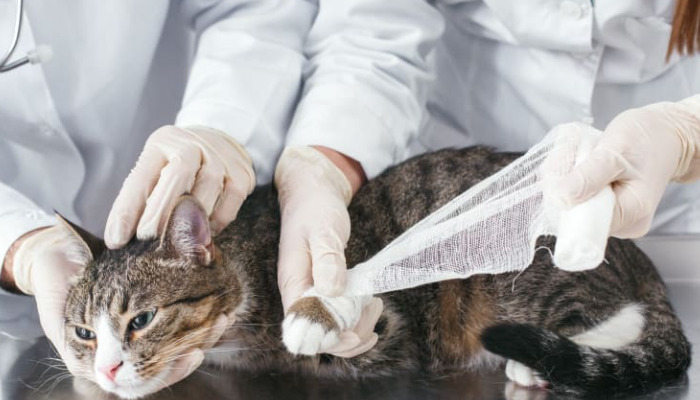
Monitoring remains essential throughout the entire course of treatment. Even when the drug is used correctly at the recommended body-weight-based dosage, cats should be observed for appetite changes, body temperature, energy level, vomiting, diarrhea, or worsening neurologic and ocular signs. Regular blood tests, including complete blood count and liver-kidney function checks, help identify problems early and guide dose adjustments when needed.
NeoFipronis (Pronidesivir) may offer strong therapeutic value for FIP, but it is not a universal option for every cat in every condition. The safest approach is to confirm the diagnosis, review the cat’s medical history, and use the medication under veterinary supervision. For product quality and correct sourcing, cat owners should purchase only from the official NeoFipronis website and follow the prescribed treatment protocol exactly.