Are FIP Diagnostic Costs High

Feline Infectious Peritonitis (FIP) is a complex, often devastating disease affecting cats. The diagnostic process for FIP can be lengthy, costly, and emotionally taxing for pet owners. This article provides a comprehensive overview of the costs associated with FIP diagnostics in the U.S., explores why these costs can be high, and offers strategies for cat owners to navigate this financial and medical landscape.
Introduction: Understanding FIP and Its Diagnostic Challenges
FIP, or Feline Infectious Peritonitis, is caused by certain mutations of feline coronavirus (FCoV) within the cat’s body. It manifests in two main forms: effusive (wet) FIP, with fluid accumulation, and non-effusive (dry) FIP, which involves granuloma formation in organs without fluid buildup.
Diagnosing FIP poses unique challenges due to its variable clinical signs and the lack of a single definitive test that works for all cases. Veterinarians rely on a combination of history, clinical signs, blood work, imaging, and laboratory tests, which often results in a lengthy and costly diagnostic process.
1. The Diagnostic Journey: What Tests Are Involved?
The process of diagnosing FIP requires ruling out other possible causes of similar symptoms. Typically, the following steps and tests are involved:
Physical Examination: An initial assessment based on history and visible signs.
Complete Blood Count (CBC) & Biochemistry Panel: Evaluate immune responses, anemia, and organ function. Cost: $50–$150.
Coronavirus Antibody Titer: Detect presence but not specific FIP mutation. Cost: $30–$80.
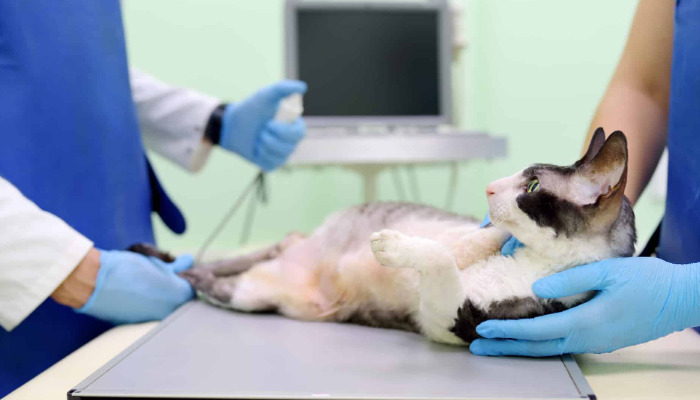
Imaging (Ultrasound/X-rays): Identify fluid accumulation or organ changes. Ultrasound: $300–$500.
Sampling Fluids: Fluid analysis from abdomen or chest, including protein level, cytology, and PCR. Cost: $100–$250.
Polymerase Chain Reaction (PCR): Detect FCoV mutation. PCR panels can cost $150–$350.
Histopathology: Biopsies for tissue examination; often the most definitive but expensive, ranging from $300 to $700.
Immunohistochemistry: Adds specificity to biopsy results. Additional $200–$400.
Multiple tests may be needed to reach a diagnosis, each adding to the total expense.
2. Cost Analysis: Why Is FIP Diagnosis Expensive?
a. Multiple Tests Required
No single test can confirm FIP confidently in all cases. Wet FIP may be easier to diagnose because of characteristic fluid findings, but dry FIP is elusive, often requiring advanced diagnostics.
b. Specialized Laboratories
Certain tests, such as PCR for FCoV mutation or immunohistochemistry, are only performed at specialized labs, leading to higher shipping, handling, and test fees.
c. Imaging Costs
Ultrasound and X-rays are necessary for detecting fluid build-up or lesions. Board-certified radiologists or sonographers may be required, raising costs.
d. Expertise
Veterinary internists, pathologists, and radiologists command higher fees than general practitioners, especially in complicated cases.
e. Regional Price Variability
Prices vary by region, with urban areas and specialty practices charging more than rural clinics.
f. Ancillary Costs
Consultations, repeat exams, anesthesia (for biopsies), and hospitalization may add hundreds more dollars.
Typical Total Bill
Pet owners in the United States report spending between $500 and $2,500 for comprehensive FIP diagnosis, depending on the complexity and region.
3. Comparing FIP Diagnostic Costs to Other Cat Diseases
a. Common Illnesses
Routine diagnostics for illnesses like urinary tract infections or diabetes may cost under $300, usually requiring only blood work and urinalysis.
b. Rare or Complex Diseases
Diagnosing rare conditions (e.g., lymphoma, heart disease) can rival FIP in complexity and cost, especially when advanced imaging or biopsies are needed.
c. Why FIP Stands Out
The absence of a gold-standard, widely available rapid test for FIP, plus the need for rule-out diagnostics, make costs higher than many other diseases.
4. Insurance Coverage and Financial Assistance
a. Pet Insurance
Most pet insurance policies in the U.S. cover diagnostic costs for FIP if the coverage predates symptoms. Deductibles and annual or per-condition caps apply. Owners should check if FIP testing (including biopsies and advanced imaging) is included.
b. Charitable Funds
Various non-profits (e.g., The Pet Fund, RedRover) may provide financial aid for emergency diagnosis and treatment, though coverage is often limited.
c. Payment Plans
Many veterinary practices offer CareCredit or installment plans for costly diagnostic workups.
5. Strategies to Minimize Diagnostic Costs without Compromising Care
a. Communication with Veterinarians
Keep open communication about cost constraints. Vets can prioritize essential tests and explain the clinical reasoning for each step.
b. Utilizing Local/University Veterinary Hospitals
Teaching hospitals sometimes offer tests at reduced costs for educational purposes and may have more advanced diagnostics.
c. FIP Suspect Panel Bundles
Some commercial veterinary laboratories offer bundled panels for FIP suspects, reducing costs compared to ordering tests individually.
d. Seek Second Opinions
If initial tests are inconclusive and the costs are escalating, a second opinion may help target diagnostics better.
6. The Psychological and Financial Impacts on Pet Owners
For many, the emotional struggle of suspecting FIP in their cat is compounded by hefty diagnostic bills. Some owners feel pressured to make difficult choices about testing versus symptomatic treatment or even euthanasia if costs become prohibitive. Transparency about costs and prognosis helps owners make informed decisions.
7. Innovations and Future Directions in FIP Diagnosis
a. Rapid Testing
Researchers are developing novel, faster, and more cost-effective tests, such as point-of-care PCR devices and advanced serology. Their widespread availability may drive costs down.
b. Standardized Diagnostic Algorithms
Veterinary organizations are working to publish guidelines and decision trees to minimize unnecessary testing and streamline the process.
c. FIP Awareness
Growing awareness among owners and professionals may lead to earlier detection and better resource allocation, potentially reducing long-term diagnostic costs.
8. Cost Transparency and Advocacy
Pet owners benefit from itemized cost breakdowns from their veterinarians. Advocacy for transparent pricing and the development of affordable diagnostic tools can help reduce the burden on families and improve outcomes for cats with suspected FIP.
9. Key Takeaways for Cat Owners
Understanding the diagnostic process and its costs empowers owners to proactively manage FIP suspicions. While costs are high compared to average feline diseases, knowing what to expect and how to access support can make a profound difference.
References
1. Hartmann, K. (2022). Feline Infectious Peritonitis: Diagnosis, Pathogenesis and Advances in Treatment. Journal of Feline Medicine and Surgery, 24(8), 659–678.
2. Pedersen, N. C. (2014). An Update on FIP Diagnosis and Management. Veterinary Clinics: Small Animal Practice, 44(1), 95–108.
3. Addie, D. D., et al. (2020). Feline Infectious Peritonitis: ABCD Guidelines on Prevention and Management. Journal of Feline Medicine and Surgery, 22(7), 631–636.
4. American Veterinary Medical Association (AVMA). (2023). FIP Diagnostic Testing and Cost Analysis. Retrieved from https://www.avma.org/
5. The Pet Fund. (2023). Financial Assistance for Veterinary Costs. Retrieved from https://www.thepetfund.com/
6. RedRover. (2023). Urgent Care Grants for Pet Owners. Retrieved from https://redrover.org/
7. Veterinary Information Network (VIN). (2023). FIP Diagnostic Panels and Cost Comparison. Retrieved from https://www.vin.com/
8. Dr. Elsey’s Cat Medical Library. (2022). FIP: Symptoms, Diagnosis, Costs. Retrieved from https://www.drelseys.com/
9. Cornell University College of Veterinary Medicine. (2023). Laboratory Testing for FIP. Retrieved from https://www.vet.cornell.edu/
10. United States Pet Insurance Association (USPIA). (2023). Pet Insurance Coverage for FIP. Retrieved from https://www.uspia.org/