What Is the Difference Between Wet and Dry FIP Symptoms
Feline Infectious Peritonitis (FIP) is a devastating and complex viral disease in cats, caused by a mutation of the feline coronavirus. The spectrum of FIP is broad, but it is typically described as having two distinct clinical forms: "wet" (effusive) and "dry" (non-effusive) FIP. Both forms arise from the same underlying infection, but they differ in their pathogenesis, symptoms, progression, and impact on feline health. Understanding the differences between wet and dry FIP symptoms is crucial for cat owners, rescuers, and veterinarians, not only for accurate diagnosis but also for effective management of affected animals.
FIP: An Overview of the Disease
FIP develops after an initial infection with feline enteric coronavirus, which most cats contract early in life, often without serious consequences. In rare cases—estimated at 5-10%—the virus mutates inside the cat, transforming into the deadly FIP-virus that can escape the digestive tract and infect white blood cells. This triggers a widespread and intense immune response, causing inflammation of blood vessels (vasculitis) and allowing the virus to spread throughout the body. The form and severity of symptoms depend on the immune system’s response as well as the location and nature of the damage caused.
Wet (Effusive) FIP: Key Characteristics
Wet FIP is named for the abnormal accumulation of fluid within body cavities. It progresses rapidly and is generally considered the more acute and fatal form.
Pathophysiology
Effusive FIP results from severe inflammation of blood vessel walls, causing them to become leaky. This lets protein-rich fluid escape into spaces like the abdomen (peritoneal cavity), chest (pleural cavity), or even the sac around the heart (pericardial cavity). The fluid is yellowish, sticky, and often tinged with fibrin or cellular debris.
Primary Symptoms
The hallmark signs of wet FIP are related to fluid build-up. They include:
Abdominal distention: Cats often show a dramatically swollen belly due to fluid accumulation.
Respiratory distress: If fluid accumulates in the chest, rapid, shallow breathing or open-mouth breathing may occur as the lungs are compressed.
Pericardial effusion: Rarely, fluid surrounds the heart, causing weakness or collapse.
Fever: Persistent, unresponsive to antibiotics.
Lethargy and weakness: Cats may be less active and struggle with basic movements.
Loss of appetite and weight: Progressive and severe.
Secondary Findings
Veterinarians often discover:
Pale or yellow mucous membranes: Jaundice may develop as the liver is involved.
Lymphadenopathy: Swollen lymph nodes may be felt.
Laboratory results: High protein content in the effusion, low albumin to globulin ratio, anemia, and elevated white blood cell count.
Progression and Prognosis
Wet FIP typically progresses over days to weeks. Clinical decline is often rapid once fluid accumulation becomes apparent. Without treatment, most cats succumb within two to six weeks of symptom onset.
Dry (Non-effusive) FIP: Key Characteristics
Dry FIP is a more chronic, insidious form marked by granulomatous lesions forming in various organs and tissues, rather than fluid accumulation.
Pathophysiology
Dry FIP arises when the immune reaction is strong enough to prevent widespread leakiness of blood vessels, but still leads to chronic inflammation and the formation of granulomas—clusters of immune cells that wall off the virus in organs.
Primary Symptoms
Instead of visible fluid accumulation, dry FIP produces organ-specific signs that are often more subtle, including:
Persistent fever: Episodes may wax and wane, and the fever rarely resolves with typical antibiotics.
Lethargy and weight loss: Gradual, ongoing decline.
Unkempt coat: Coat quality often deteriorates due to chronic illness.
Appetite loss: May be severe or fluctuating.
Organ-Specific Manifestations
Symptoms depend on which tissues or organs are affected:
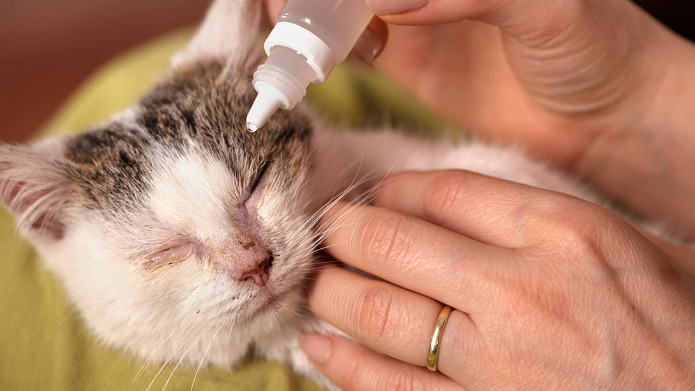
Eyes: Uveitis (inflammation inside the eye), retinal lesions, or blood in the anterior chamber. Eyes may appear cloudy or red.
Nervous system: Seizures, behavioral changes, ataxia (coordination problems), or paralysis can occur if the brain or spinal cord is involved.
Liver: Jaundice or enlarged liver.
Kidneys: Kidney dysfunction signs may develop.
Lymph nodes: Generalized swelling may be noted.
Intestines: Vomiting, diarrhea, or gastrointestinal bleeding.
Laboratory Findings
Bloodwork may show elevated globulin levels, anemia, and inflammatory markers. There may be specific findings depending on organ involvement, such as liver or kidney enzymes.
Progression and Prognosis
Dry FIP progresses over months, and clinical signs can fluctuate in severity. Although this form is somewhat slower, it remains uniformly fatal without effective antiviral therapy.
Comparing Wet and Dry FIP Symptoms
Fluid Accumulation
Wet FIP: Marked by dramatic build-up of fluid in body cavities, which is often one of the first and most visible signs.
Dry FIP: No abnormal fluid accumulation. Diagnosis is more challenging without physical fluid, and symptoms relate to organ dysfunction.
Onset and Progression
Wet FIP: Acute onset, swift progression. The time from earliest symptoms to life-threatening illness is short.
Dry FIP: Insidious and gradual. Signs may wax and wane or be apparent for months before diagnosis.
Nature of Clinical Signs
Wet FIP: Diffuse, system-wide symptoms, including pronounced abdominal distention and breathing issues.
Dry FIP: Localized, specific symptoms reflecting granuloma formation in particular organs (eyes, nerves, liver, kidneys).
Laboratory and Imaging Findings
Wet FIP: Imaging (ultrasound, x-ray) reveals fluid-filled spaces; fluid analysis is highly suggestive.
Dry FIP: Imaging may show abnormal masses, enlarged organs, or irregular tissue, but not free fluid.
Age and Predisposition
Both types are most common in young cats (under two years), especially those from multi-cat environments, rescues, or shelters.
Response to Therapy
Historically, FIP was considered uniformly fatal, but recent advances in antiviral treatments (e.g., GS-441524 protocols) have given hope. Response rates can vary, and prompt recognition of FIP type aids correct therapeutic choice and monitoring.
Diagnostic Challenges
Distinguishing wet and dry FIP is essential, as classic tests—coronavirus antibody titers, bloodwork, imaging—rarely give definitive answers alone. Wet FIP is easier to diagnose because of the characteristic fluid, which can be analyzed for protein content, cellular composition, and viral RNA by PCR. Dry FIP is trickier, usually requiring biopsy or finding coronavirus RNA in tissue granulomas. Neurological and ocular manifestations are especially challenging and may need specialist input.
Wet FIP and Dry FIP Overlap
Some cats have "mixed" signs, beginning as dry FIP and evolving to develop effusions, blurring the lines. Others may suffer simultaneous organ and cavity involvement. The form can partially depend on the cat’s immune response and the location of infected cells.
Prognosis and Quality of Life
Historically, both forms were fatal, with wet FIP claiming lives within weeks and dry FIP within months. New therapies can extend lifespan significantly, and some cats recover with aggressive antiviral treatment if diagnosed early. Cats with wet FIP often need urgent supportive care due to respiratory distress or abdominal pain. Cats with dry FIP may require tailored therapy based on neurological or organ involvement and benefit from ongoing quality of life assessment. Owners should be prepared for intensive and long-term care for cats undergoing treatment.
Why Do the Forms Differ?
The distinction between wet and dry FIP ultimately reflects the balance between viral pathogenicity and the cat’s immune response. In cases where the immune system is overwhelmed, high levels of immune complexes trigger vasculitis and leakage—leading to wet FIP. In cases of partial control, the virus is “walled off,” and discrete granulomas form—leading to dry FIP. Genetic factors, viral mutations, stress, and coinfections may influence which form develops, but predicting the outcome for an individual cat remains difficult.
Implications for Owners and Rescue Groups
Recognizing the classic symptoms of wet and dry FIP can be life-saving. Cats from catteries, shelters, or multi-cat homes with unusual fevers, abdominal swelling, or neurological changes should be evaluated promptly. Early diagnosis and intervention is crucial, as newly available antiviral treatments are most effective before severe decline. Rescue groups and breeders should focus on reducing stress, maintaining hygiene, and prompt isolation of sick cats to reduce overall risk.
Reviewing Treatment Options
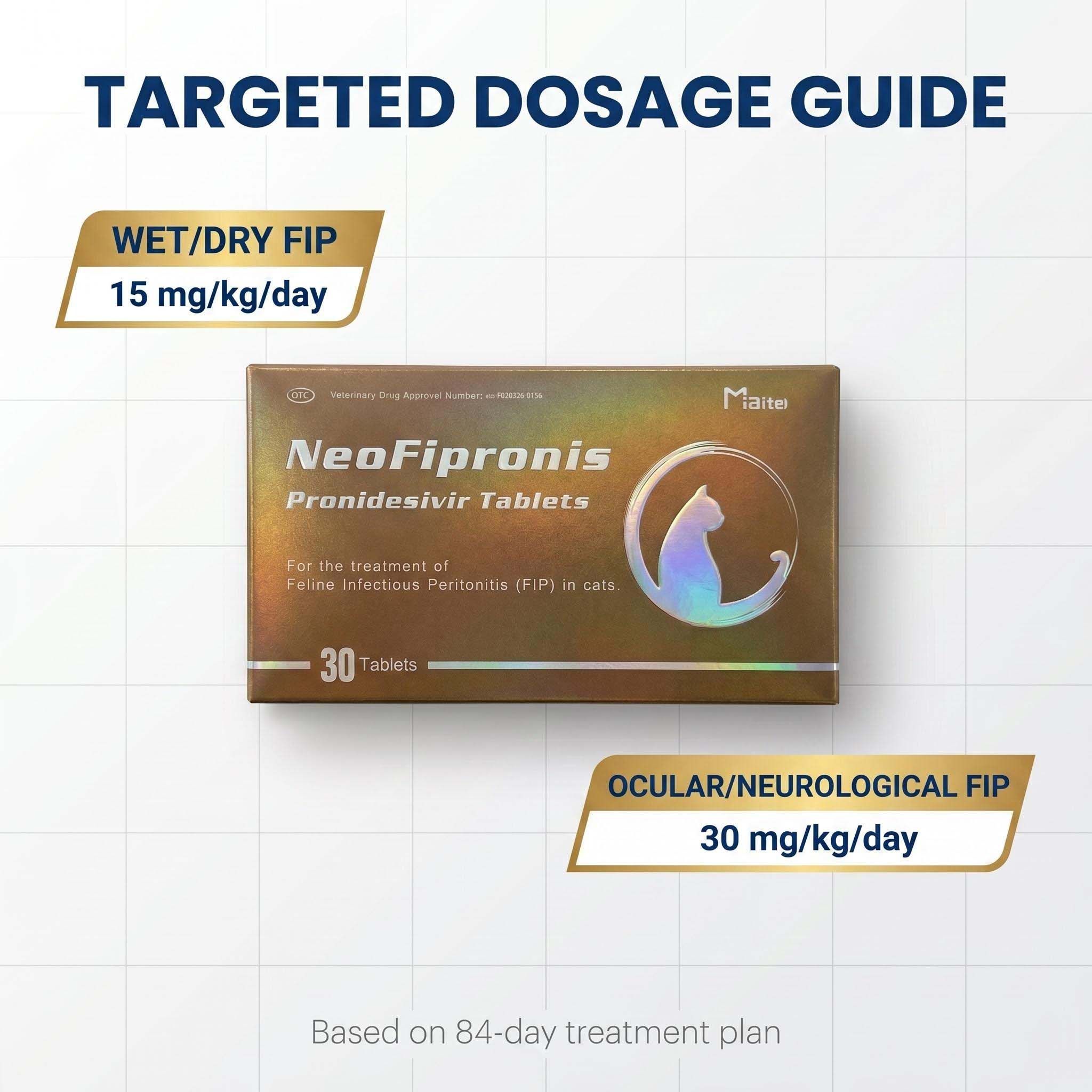
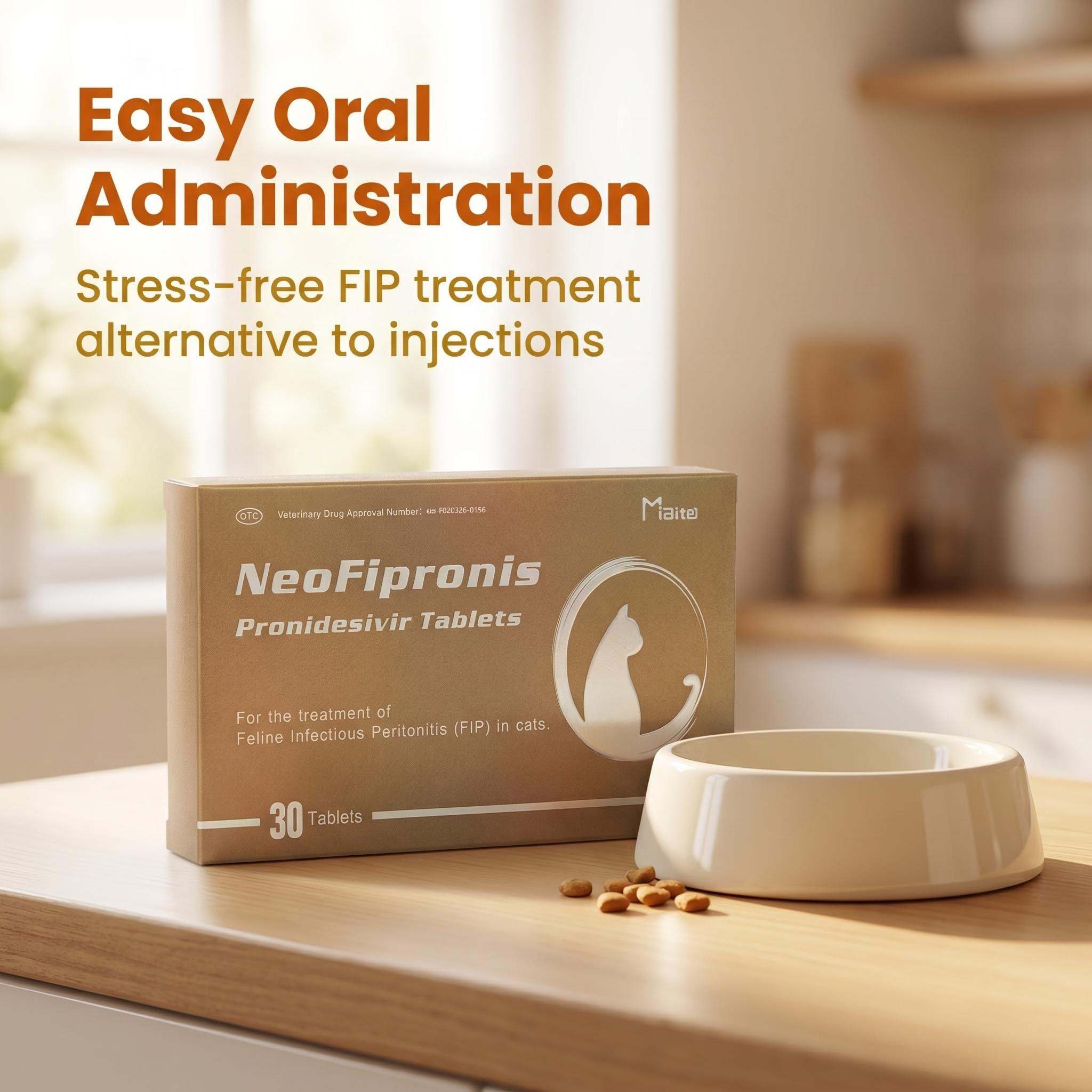
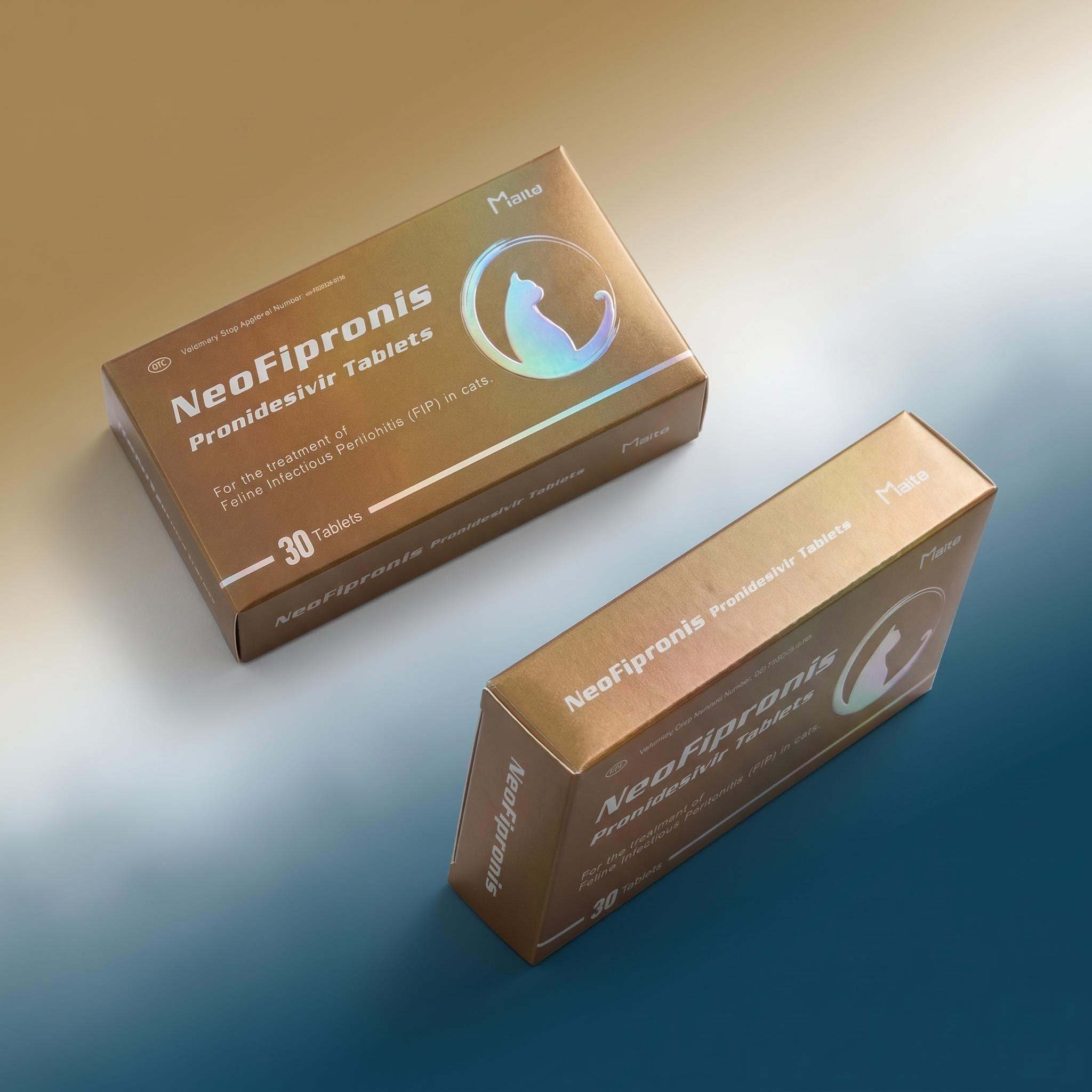
In both wet and dry FIP, antiviral drugs and supportive care have transformed outcomes. GS-441524, a nucleoside analog, is the front-line medication, with remdesivir and related compounds also showing promise. Supportive therapies—nutritional support, fluid removal, pain management, and anti-inflammatories—play a key role, especially as cats recover. Owners should consult veterinarians with FIP experience for tailored protocols.
The Role of Veterinary Teams
Diagnosis and management of FIP demands teamwork—internists, neurologists, ophthalmologists, and critical care specialists may be involved. Regular monitoring, fluid sampling and analysis, and advanced imaging may be needed. Compassionate communication with pet owners and rescue partners is essential due to the emotional toll of FIP.
Prevention: Reducing FIP Risk
FIP cannot be prevented entirely, but smart strategies can help:
Limit overcrowding in homes and shelters.
Segregate kittens and immunocompromised animals.
Ensure thorough cleaning and litter box hygiene.
Minimize stress through stable routines and enrichment.
Vaccines against feline coronavirus have historically shown limited efficacy against FIP and are not widely recommended, so environmental control remains the mainstay.
Final Remarks on Distinguishing Wet and Dry FIP
A clear understanding of wet versus dry FIP symptoms makes for better-outcome pathways. Recognizing the hallmark features, knowing how to seek a diagnosis, and staying up-to-date on advances in therapy can change the outlook for cats affected by this once-invariably fatal disease.
References
Pedersen, N. C., "A Review of Feline Infectious Peritonitis Virus Infection: 1963–2008," Journal of Feline Medicine and Surgery
Sparkes, A. H., "Feline Infectious Peritonitis: Drug Therapy and Immunomodulation," Veterinary Clinics of North America: Small Animal Practice
Felten, S., and Hartmann, K., "Diagnosis of Feline Infectious Peritonitis: A Review," The Veterinary Journal
Kipar, A., and Meli, M. L., "Feline Infectious Peritonitis: Still an Enigma?" Veterinary Pathology
Tasker, S., "Diagnosis and Clinical Management of Feline Infectious Peritonitis," Proceedings of the American Association of Feline Practitioners
Drisdale, E., "Treatment Advances for FIP in Cats," Journal of Veterinary Internal Medicine
Addie, D. D., "FIP and Coronavirus in Cats: Epidemiology and Control," Veterinary Research