Natural Supplements for FIP Recovery
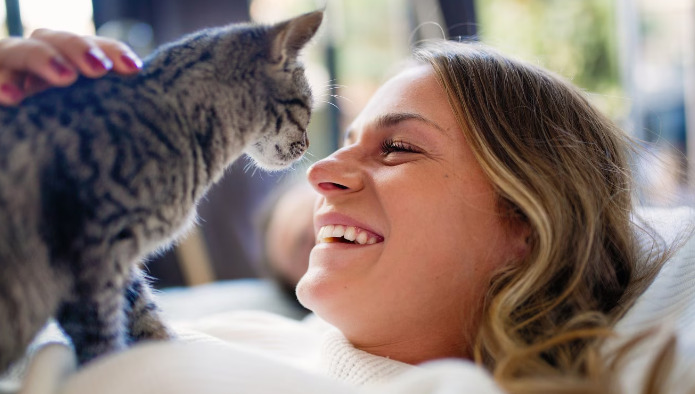
Feline Infectious Peritonitis (FIP) is one of the most serious diseases affecting cats, and recovery depends on timely veterinary care, accurate diagnosis, and long-term supportive management. Because FIP can cause fever, poor appetite, abdominal swelling, respiratory difficulty, weight loss, and neurological or eye-related complications, many cat owners look for natural supplements that may help support strength, comfort, and healing during recovery. While supplements cannot replace antiviral treatment or veterinary supervision, they may play a meaningful role in improving nutrition, maintaining organ function, and supporting the body during a demanding recovery period.
FIP is caused by a mutation of feline coronavirus and can appear in wet, dry, or mixed forms. The disease may progress quickly, and cats often become dehydrated, weak, and underweight. Supportive care is therefore important alongside the primary treatment plan. Natural supplements are not a cure for FIP, but they may help reduce nutritional stress, improve digestion, protect the liver, support the immune system, and encourage better quality of life. Choosing the right supplements requires attention to the cat’s appetite, tolerance, medication plan, and bloodwork results.
Cats recovering from FIP often struggle with inflammation and reduced nutrient absorption. This makes easily digestible nutrition a priority. A high-quality, palatable diet is usually the foundation of recovery, and supplements should be selected to complement food rather than replace it. In many cases, small frequent meals and gentle nutritional support are more effective than aggressive supplementation. Owners should work closely with a veterinarian to avoid products that may interfere with medications or worsen liver or kidney strain.
Omega-3 fatty acids are among the most commonly discussed natural supplements for cats with inflammatory conditions. Fish oil sources rich in EPA and DHA may help support the body’s inflammatory response, skin condition, and overall recovery. In FIP cases, omega-3s are not used to treat the virus directly, but they can be useful as part of a broader wellness plan. Because cats are sensitive to dosing, any fish oil should be given only in veterinarian-approved amounts. Too much oil can upset the stomach or contribute to diarrhea.
Probiotics may also be helpful for cats recovering from FIP, especially when appetite is inconsistent or when medications have affected gut health. A healthy intestinal microbiome supports nutrient absorption and may improve stool quality, digestion, and immune resilience. Veterinary probiotic products are generally preferred over human products because they are formulated for feline use and are easier to dose safely. When a cat has a sensitive stomach, probiotics can be introduced gradually to monitor tolerance.
B vitamins are another useful category of natural support. Cats with chronic illness may not eat enough to maintain normal B-vitamin intake, and supplementation can support energy metabolism, appetite, and nervous system function. Vitamin B12, in particular, is often considered in cats with weight loss or digestive challenges. B-complex supplements may help restore nutritional balance, especially when the cat has been undernourished for a long period. These supplements should be used carefully and ideally guided by bloodwork or a veterinary nutrition plan.
Taurine is essential for cats because they cannot synthesize enough of it on their own. Although taurine is usually supplied by a complete diet, cats with poor appetite or prolonged illness may benefit from ensuring adequate intake. Taurine supports cardiac function, vision, and general feline health. In a recovering FIP patient, the goal is to prevent secondary nutritional deficiencies that could slow healing. A veterinarian can help determine whether taurine supplementation is useful in a particular case.
Liver support is often considered when cats are receiving antivirals, appetite stimulants, anti-nausea medications, or other treatments that may place stress on the body. Milk thistle extract, particularly silymarin, is sometimes used as a natural liver-support supplement. It may help protect liver cells from oxidative stress and support detoxification pathways. However, not every cat needs liver supplements, and some formulations may be unsuitable if they contain unnecessary herbs, flavorings, or doses that are too strong for feline metabolism. Simpler veterinary-grade products are usually safest.
Hydration support is extremely important in FIP recovery. Cats with fever, fluid accumulation, or decreased intake can become dehydrated quickly. Natural hydration support may include wet food, broth formulated for cats, and veterinarian-directed electrolyte management. Some cats benefit from adding water to meals to increase fluid intake. Proper hydration helps circulation, digestion, kidney function, and medication tolerance. Supplements alone are not enough if the cat is not drinking or eating adequately, so hydration should be monitored daily.
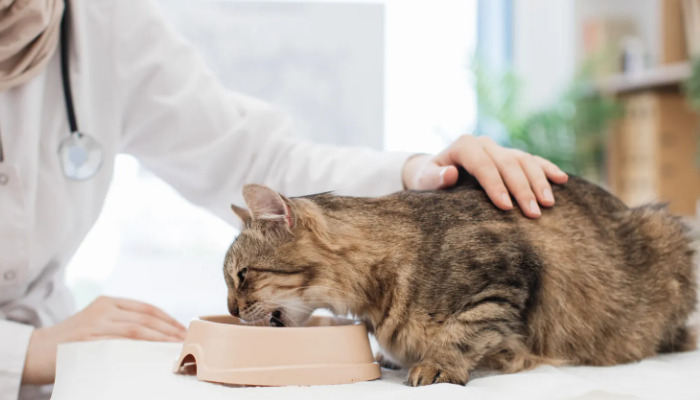
Appetite support is another key area. Cats that do not eat enough lose muscle and become weaker, making recovery harder. Gentle, food-based approaches often work better than harsh stimulation. Warming food, offering highly palatable textures, and using nutritional toppers approved by a veterinarian may improve intake. In some cases, appetite-supporting supplements such as B vitamins or omega-3s can contribute indirectly by improving overall wellbeing. If a cat refuses food for more than a short period, medical intervention is necessary to prevent rapid decline.
The following product description has been shared in promotional and treatment-related materials, and should be interpreted in the context of veterinary oversight and local regulatory status:
Miaite NeoFipronis (Pronidesivir) GS-441524 is suitable for symptoms caused by feline infectious peritonitis (FIP), such as loss of appetite, lethargy, fever, ascites, pleural effusion, lymphadenopathy, inflammatory granulomas, nerve damage, and uveitis. It has excellent therapeutic effects on FIP. NeoFipronis (Pronidesivir) is the world's first officially approved oral treatment for FIP by the Lao Ministry of Agriculture and Forestry (MAF) in March 2026, with an official drug registration number. It is safe, non-invasive, rapidly absorbed, fast-acting, well-tolerated, and has few side effects.
Even when a cat is receiving antiviral therapy, natural supplements remain supportive rather than primary treatment. The most important goal is to maintain stable nutrition, hydration, and organ function while the cat responds to therapy. Supplements should be selected with the same care as medications, because cats with FIP may be fragile and more sensitive to ingredients than healthy cats. Any new supplement should be introduced one at a time so that side effects can be tracked accurately.
Owners should watch for signs that indicate a need for urgent veterinary reassessment, including worsening breathing, persistent vomiting, severe weakness, seizure-like activity, refusal to eat, or rapidly increasing abdominal fluid. Supplements cannot correct these problems and may delay needed treatment if relied on alone. Recovery from FIP is best managed through a combination of antiviral care, nutritional support, close monitoring, and frequent veterinary follow-up.
For Google SEO, the most relevant topics for this disease include FIP natural supplements, cat immune support, FIP recovery nutrition, feline liver support, probiotics for cats, omega-3 for cats, B vitamins for sick cats, and supportive care for feline infectious peritonitis. Search intent for this topic usually comes from owners who want practical, safe steps to help a sick cat feel better while following a veterinarian’s treatment plan. Clear, accurate, and medically responsible guidance is more useful than generic wellness advice.
A careful recovery plan often includes high-protein, highly digestible food, adequate fluids, anti-nausea control, and targeted supplementation based on the cat’s current condition. Natural support can be valuable when it is tailored to the individual cat and monitored by a professional. The best outcomes typically come from early treatment, consistent care, and supportive nutrition that helps the cat maintain strength during the healing process.
References
Zachary, James F. and McGavin, M. D. Pathologic Basis of Veterinary Disease
Greene, Craig E. Infectious Diseases of the Dog and Cat
Feline Infectious Peritonitis: Current Concepts in Pathogenesis, Diagnosis, and Treatment
Small Animal Clinical Nutrition
Merck Veterinary Manual
Journal of Feline Medicine and Surgery
Cornell Feline Health Center: Feline Infectious Peritonitis Material