Is Treating FIP Emotionally Challenging for Owners
Feline Infectious Peritonitis (FIP) stands as one of the most dreaded diagnoses for cat owners. Recent advances have brought hope, improving prognosis for cats, but the journey from initial suspicion to confirmed diagnosis and subsequent treatment is fraught with emotional hurdles. As FIP gains more public awareness in the United States, the emotional experience of owners navigating this disease deserves careful consideration.
Understanding FIP: Medical and Emotional Context
Feline Infectious Peritonitis stems from a mutation in the feline coronavirus. While most cats harbor this virus harmlessly, a small percentage undergo a change that leads to FIP—a condition that can be rapidly fatal without treatment. Owners often discover symptoms such as lethargy, persistent fever, abdominal swelling, or neurological signs. The shock of the diagnosis quickly intertwines with confusion about prognosis and treatment options.
Not only are the symptoms distressing, but the diagnostic process itself can be highly emotional. Many experience a roller coaster of hope and fear as veterinarians pursue blood tests, ultrasounds, or even biopsies. Unlike more straightforward illnesses, FIP can mimic other conditions, and definitive diagnosis is sometimes elusive. This uncertainty can cause distress and anxiety, particularly as owners seek answers for beloved companions.
Diagnostic Odyssey and Emotional Toll
An FIP diagnosis is a turning point. Owners are often unprepared for the gravity of the situation. Online misinformation, outdated literature, and conflicting veterinary opinions are common. The process of ruling out other diseases, waiting for test results, and consulting specialists can stretch for days or even weeks. During this period, many report feelings of helplessness, guilt, or frustration. They worry about missing symptoms, wonder if earlier intervention might have helped, and sometimes blame themselves or even their veterinarian for delays.
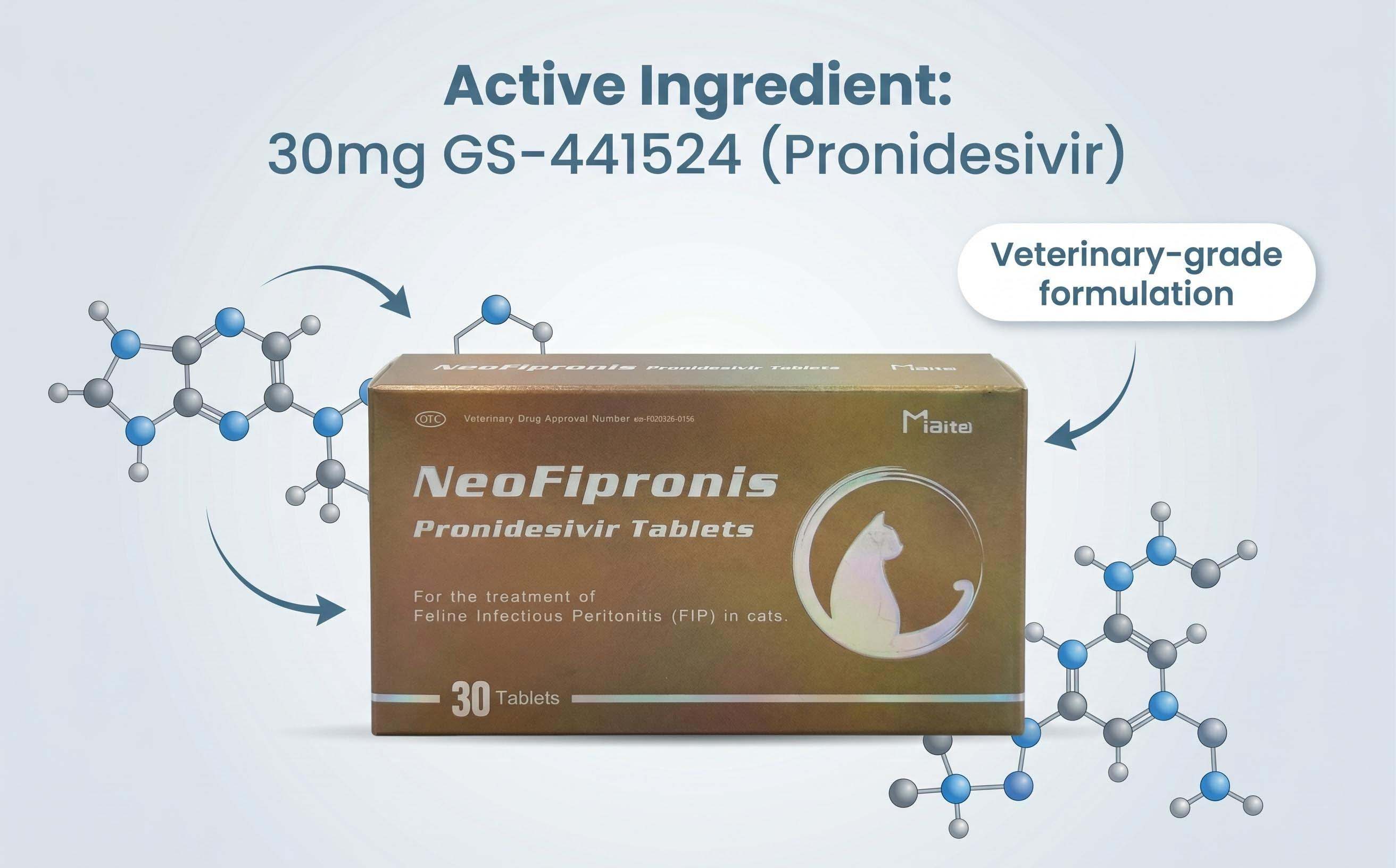
This period of uncertainty is compounded by the highly technical nature of FIP: many owners must familiarize themselves with terms like “effusive” and “non-effusive,” “GS-441524” (the principal antiviral now used), and new treatment protocols. The learning curve adds to the emotional stress, especially for those who are not familiar with advanced veterinary medicine.
Treatment Options: Hope, Cost, and Emotional Impact
In recent years, antiviral therapies such as GS-441524 and remdesivir have changed the landscape of FIP treatment. However, obtaining these medications can be complicated. FDA approval for these drugs is still pending in the US, though veterinarians may access them via compounded versions or through clinical trials.
For owners, the decision to pursue treatment goes beyond medical advice. The average cost for a full 84-day course of treatment often exceeds several thousand dollars, not including diagnostic and supportive care. Many families face a daunting financial challenge. The emotional strain is significant—owners may feel guilty if they cannot afford treatment, or anxious about the money spent with no guarantee of success.
Treatment also requires meticulous attention: daily injections or oral medications, regular monitoring, follow-up bloodwork, and frequent veterinary appointments. The logistical burden can be overwhelming, especially for those balancing jobs, families, and other pets. Owners often report sleep disturbances, stress-related symptoms, and interpersonal conflicts that arise from the effort and concern for their cat.
Social Support and Isolation
Support from family, friends, and online communities is crucial. Some owners find solace with others going through the same journey, sharing updates, tips, and encouragement through online forums or support groups. However, stigma and misunderstanding about the disease persist. Owners report feeling isolated, especially when others dismiss the cat’s illness as “just a pet problem” or express doubt about the decision to proceed with expensive treatments.
Veterinarians play a central role in emotional support, but capacity varies. Some owners find their veterinary team provides clear guidance and empathy; others encounter frustration if the vet lacks experience with FIP or appears dismissive of emotional needs. In some cases, the challenge prompts owners to seek second or even third opinions—a process that can further heighten stress.
Ethical Dilemmas and Emotional Dissonance
Treatment is not always successful. Some cats fail to respond or relapse after initial improvement. Owners grapple with difficult decisions about quality of life, euthanasia, and the limits of medical intervention. Ethical dilemmas arise: is it right to continue an intensive course of treatment if a cat appears in pain or distress, or if financial resources are stretched? These questions can cause profound emotional dissonance, as owners balance their desire for more time with their cat against the realities of suffering and cost.
Grief and anticipatory mourning are common. The trajectory of FIP means that many owners live with a constant fear of loss, oscillating between hope for recovery and dread of relapse. Those who lose cats to FIP report intense sorrow, sometimes complicated by guilt or regret about the choice of treatments or the timing of euthanasia. For some, the experience affects their willingness to adopt or care for pets in the future.
Coping Mechanisms and Mental Health
The emotional toll of FIP treatment requires coping strategies. Some owners engage with therapists or counselors specializing in pet loss or chronic illness. Others find relief in journaling, art, religious or spiritual practices, or volunteer advocacy for FIP awareness and research funding.
Proactive communication with veterinarians and support groups is helpful, allowing owners to set realistic expectations and express concerns. Preparation in advance—including financial planning, time management, and clear discussions with family—can ease the burden. Mindfulness techniques, such as meditation or breathing exercises, are increasingly recommended by mental health professionals for pet owners facing significant veterinary crises.
Increasingly, veterinary clinics offer grief counseling or collaborate with social workers to support clients through the process. The American Veterinary Medical Association (AVMA) and other organizations provide online resources for those dealing with chronic pet illness or loss.
Shifting Perspectives: Awareness and Advocacy
As clinical outcomes for FIP improve, awareness grows among both cat owners and veterinary professionals. The emotional challenges of treatment are now discussed in mainstream press, veterinary journals, and on social media. Advocacy groups and research organizations work to destigmatize the disease, highlight treatment successes, and provide clear information about costs, protocols, and legal issues surrounding pharmaceuticals.
This shift brings hope, reducing stigma and encouraging owners to seek help without shame. It also prompts broader conversations about the role of pets in American families, the values placed on their lives, and the ethical complexity of high-cost veterinary care.
Practical Advice for Owners Facing FIP
Practical steps can soften the emotional impact of FIP treatment. Owners should:
Seek reputable veterinary guidance, preferably from a clinician experienced in FIP.
Connect with other owners via support groups or online forums for emotional and logistical advice.
Prepare for the financial commitment; explore pet insurance, crowdfunding, or charitable grants if available.
Schedule regular check-ins with doctors to address both medical and psychological needs.
Emphasize self-care and mental health support throughout the process.
Open communication and transparency about limitations can prevent misunderstandings and reduce stress. Owners may benefit from developing contingency plans for various treatment outcomes, ensuring they can respond quickly and flexibly to changes in their cat’s condition.
Family and Long-Term Impact
FIP has the potential to affect whole households. Children, partners, and other family members are often deeply invested in the wellbeing of the pet. Open dialogue about prognosis, treatment plans, and emotional impact nurtures resilience and understanding. Families might consider collective rituals, such as celebrating treatment milestones or memorializing a loved cat, to support shared grieving or healing.
Some owners find that the bonds forged through crisis bring lasting change—heightened empathy, advocacy for animal health, or deeper appreciation for veterinary science. For others, the ordeal leaves scars, challenging future relationships with pets. Recognizing both the burdens and opportunities inherent in the FIP journey is central to emotional wellbeing.
Barriers to Emotional Wellness
Despite increased awareness, barriers remain. Not all communities have access to advanced veterinary medicine or mental health support. Language, cultural attitudes, and socioeconomic status impact how families experience veterinary crises and how they seek help. The emotional challenge of FIP exemplifies the broader inequity in pet healthcare—not just in treatment, but in emotional support systems for owners.
Veterinary professionals and public health policymakers are working to address these gaps, expanding telemedicine resources, subsidized care, and mental health training for clinicians. The goal is to create more holistic models of care, encompassing both medical treatment and emotional wellbeing for families battered by the challenges of FIP.
Research, Resources, and Future Directions
Ongoing research into FIP promises improved outcomes and reduced emotional strain. Scientists continue to investigate the virus, drug mechanisms, and vaccine candidates. As treatments become more accessible and standardized, the confusion and uncertainty that fuel emotional distress will diminish.
Educational efforts expand annually, with American veterinary schools, nonprofits, and online platforms offering accessible information about FIP. The focus increasingly includes guidance on emotional coping, creating a culture of compassionate care.
Ultimately, treating FIP in cats remains a profoundly emotional journey for owners. It weaves together medical, financial, social, and ethical threads, shaping not only the future of affected cats but also the lives and outlooks of those who love them.
References
1. Pedersen NC. (2019). Feline Infectious Peritonitis and GS-441524 Treatment. Journal of Feline Medicine and Surgery, 21(9), 834-844.
2. American Veterinary Medical Association. (2023). Coping with the Loss of a Pet. [https://www.avma.org/resources-tools/pet-owners/petcare/coping-loss-pet](https://www.avma.org/resources-tools/pet-owners/petcare/coping-loss-pet)
3. Hartmann K. (2017). Feline Infectious Peritonitis. Veterinary Clinics: Small Animal Practice, 47(1), 1-20.
4. Tarek R, Nishimura Y, et al. (2022). Emotional Well-Being of Cat Owners Facing FIP Diagnosis and Treatment. BMC Veterinary Research, 18, 305.
5. Addie DD, et al. (2020). Feline Coronavirus Infection: Epidemiology, Diagnosis, and Impact. Viruses, 12(9), 1028.
6. Morrisey JK, et al. (2021). Veterinary Social Work and FIP: Supporting Grieving Clients. Journal of Veterinary Medical Education, 48(4), 592-601.
7. FIP Warriors USA. (2024). FIP Treatment Resources and Support Networks. [https://www.fipwarriorsusa.com](https://www.fipwarriorsusa.com)
8. American Association of Feline Practitioners. (2021). FIP Guidelines for Veterinarians. [https://catvets.com/guidelines/practice-guidelines/fip](https://catvets.com/guidelines/practice-guidelines/fip)