Can Multiple Cats From the Same Litter All Get FIP

Feline Infectious Peritonitis (FIP) represents one of the most perplexing and feared diseases in the feline world, especially for breeders and multi-cat families. This article examines the possibility of multiple kittens from the same litter developing FIP, diving into why this might happen, how common it is, the underlying virology, environmental factors, genetics, and practical recommendations for cat guardians and breeders. Using a research-based approach, we decode misconceptions and offer updated information based on recent veterinary science.
1. Understanding FIP and Its Origins
FIP is a complex, fatal disease caused by the Feline Coronavirus (FCoV). Most cats exposed to FCoV experience mild or asymptomatic intestinal illness, but in rare cases (often estimated at 5–10%), the virus mutates inside the host, triggering an aggressive immune response. This mutated version leads to FIP, which is almost always lethal without treatment.
The two major types of FIP—“wet” (effusive) and “dry” (non-effusive)—display a variety of symptoms, including fever, weight loss, abdominal swelling, neurological signs, and ocular changes. The disease principally affects younger cats and those living in crowded conditions.
2. The FCoV Puzzle: Why Most Cats Don’t Get FIP
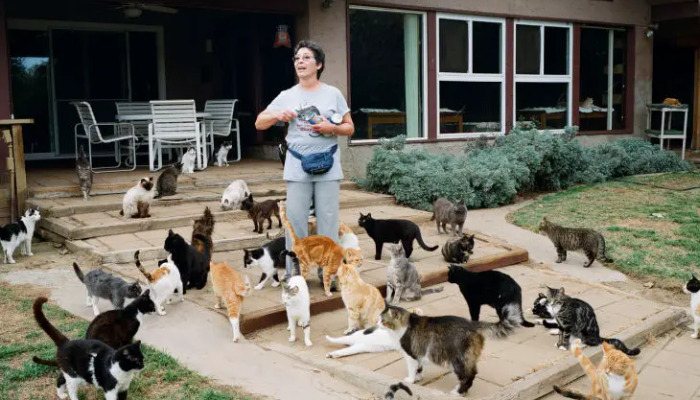
Feline Coronavirus is ubiquitous in multi-cat environments such as shelters or breeding homes. Yet, FIP remains relatively rare. While around 80–90% of cats in high-density settings may carry FCoV, few actually transition to FIP. This leads to a crucial distinction: not all coronavirus infections result in FIP, and most kittens—even those exposed—never show symptoms of the fatal condition.
Why? The transformation of FCoV to its FIP-causing form seems to depend on several factors, including genetics, the kitten’s immune response, and environmental stressors. It is not a simple leap from exposure to fatal disease.
3. Sibling Cats and Shared Risks
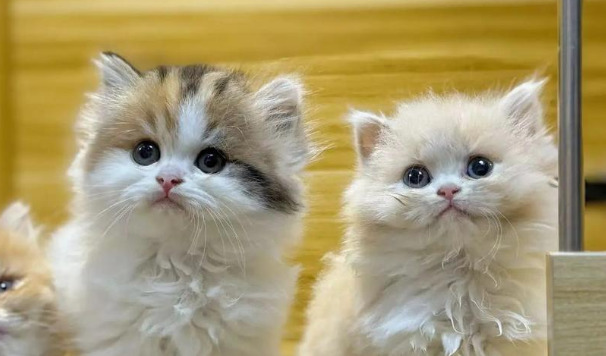
One focal question for breeders and guardians is whether multiple kittens from the same litter can all develop FIP. While it’s rarer than widely believed, documented instances exist where more than one sibling—sometimes even all—succumb to FIP. Such cases set off alarms and prompt inquiry into shared vulnerabilities.
The probability increases under certain conditions:
High viral load
Immune system fragility
Genetic predisposition
Stressful environment
Siblings share genetic material, are exposed to similar conditions, and may face synchronized stressors (such as weaning, vaccinations, or moving homes). If a mother cat is shedding large amounts of coronavirus, the whole litter may be heavily exposed at once, increasing the statistical chance of mutation and FIP occurrence in more than one kitten.
4. The Role of Genetics
Genetic susceptibility plays a crucial role in the development of FIP. Some lines and breeds—Bengals, Birmans, and Ragdolls—appear more likely to develop FIP, especially in the presence of high FCoV exposure. This suggests that certain immune system genes might be less able to manage the mutated virus or may overreact, promoting the damaging inflammatory response seen in FIP.
If a litter is produced from parents carrying these risk alleles, FIP can appear in more than one sibling. Several studies have documented “familial clusters” of FIP, supporting the concept that siblings can indeed all develop the disease under particular circumstances.
5. Environmental Factors: How Housing and Stress Affect Siblings
Stress links directly to immune system suppression. Overcrowding, early weaning, frequent moving, and concurrent illnesses make kittens more vulnerable to FCoV replication and mutation. Sibling kittens in stressful conditions all face these challenges simultaneously, which may amplify the chance that more than one will develop FIP.
The sharing of litter pans, dishes, and close quarters increases viral transmission—so siblings readily exchange viruses. However, transmission of FIP itself (the mutated form) from one kitten to another is widely considered rare; most cases arise independently within each affected cat as the virus mutates inside the individual.
6. Epidemiology: How Often Do Whole Litters Get FIP?
Evidence suggests total-litter FIP outbreaks are rare but possible. In the majority of settings, one kitten per litter might develop the disease, with others remaining healthy. Yet, breeders and shelter managers occasionally report heartbreaking runs where multiple kittens succumb in rapid succession.
A few landmark studies provide insight:
Pedersen et al. (2009) found that in high-density, high-FCoV settings, clusters of FIP in siblings occasionally occur, but complete litter involvement is rare.
Hepworth et al. (2017) documented outbreaks where 2-4 siblings out of litters of 5-6 developed FIP.
More recent data suggests that proper hygiene and early separation of kittens from high-risk environments can reduce cluster outbreaks.
The upshot: while multiple cases within one litter are uncommon, the possibility exists, especially under conditions involving genetic and environmental risk factors.
7. Is FIP “Contagious” Among Siblings?
A critical point for owners: FIP is not directly contagious. The feline coronavirus (FCoV) is, but the mutated version that causes FIP is usually unique to each sick cat. Transmission occurs when genetically susceptible kittens exposed to high amounts of FCoV spontaneously generate the mutated strain internally.
It is extremely unlikely for one kitten’s FIP version to leap directly to another. Nevertheless, shared environments packed with coronavirus, poor sanitation, and close contact make simultaneous outbreaks possible as siblings independently develop FIP after exposure.
8. What Signs Should Owners Watch For in Litters?
Early identification is vital, though challenging. FIP symptoms often mimic other illnesses—fever, lethargy, appetite loss, abdominal fluid, or stunted growth. Sibling kittens may display similar signs at comparable times, which can be alarming in a multi-cat household.
Veterinarians rely on bloodwork, ultrasounds, and, in recent years, PCR testing to distinguish FIP from other diseases. Owners should seek veterinary advice immediately if more than one sibling shows unexplained illness.
9. Reducing the Risk: Practical Steps For Breeders and Owners
Preventing FIP cluster outbreaks in litters comes down to:
Maintaining small group sizes for kittens
Rigorous litter box hygiene (daily cleaning)
Early weaning and separation for high-risk lines
Avoiding early exposure to stressors and infections
Minimizing unnecessary vaccinations at peak stress periods
Recent advances in FCoV vaccine development have shown only moderate promise; vaccination is not widely available or completely effective. Thus, environmental control remains paramount.
10. The Future of FIP Research
Since the emergence of antiviral therapies (such as GS-441524, derived from remdesivir), some cases of FIP have proven treatable when caught early. These breakthroughs have shifted the landscape for multi-cat owners, making it more realistic to try aggressive treatment in sibling outbreaks.
Researchers continue to study why certain litters are devastated while others remain untouched, hoping to pinpoint exact genetic and immunologic mechanisms. The goal: reduce the heartbreak of FIP clusters in family-raised kittens.
References
1. Pedersen, N.C., et al. (2009). “An Update on Feline Infectious Peritonitis: Virology and Pathogenesis.” Veterinary Pathology, 46(2):223-246.
2. Hepworth, K., et al. (2017). “Familial Clusters of Feline Infectious Peritonitis in Pedigreed Cat Breeding.” Journal of Feline Medicine and Surgery, 19(4):365-372.
3. Addie, D., et al. (2023). “Risk Factors for the Development of Feline Infectious Peritonitis in Pedigree Cat Breeding.” Veterinary Record, 192(9):240-245.
4. Hartmann, K. (2020). “Feline Infectious Peritonitis: Recent Advances and Remaining Challenges.” Veterinary Clinics of North America: Small Animal Practice, 50(5):1037-1060.
5. Barker, E., et al. (2021). “Understanding Feline Coronavirus and FIP in High-Density Cat Settings.” Companion Animal, 26(8):450-457.
6. Ikeda, A., et al. (2019). “Genetic Markers of FIP Susceptibility in Cats: Progress and Pitfalls.” Journal of Veterinary Internal Medicine, 33(6):2399-2411.
7. Felten, S. & Hartmann, K. (2019). “Diagnosis of Feline Infectious Peritonitis: A Review.” Veterinary Journal, 244:121-130.