How to Avoid FIP After Owning Cats for Many Years
Feline Infectious Peritonitis (FIP) remains one of the most concerning illnesses affecting domestic cats across America and globally. Though most cat owners become deeply familiar with common feline health challenges over the years, FIP poses unique diagnostic, treatment, and prevention difficulties. Understanding how FIP develops, how to manage lifelong risk factors, and how to optimize home environments can help dramatically reduce the odds of encountering this devastating disease. This in-depth guide provides current, research-backed strategies for minimizing FIP risk for cat owners at every stage of their feline journey.
Understanding FIP: What Every Cat Owner Should Know
FIP begins as a mutation of the common feline coronavirus (FCoV). While most cats will encounter FCoV during their lifetime, only a small percentage develop the virulent mutated form causing FIP. Infection can lead to a wide array of non-specific symptoms — fever, weight loss, lethargy, and abdominal swelling. FIP can appear in ‘wet’ (effusive) or ‘dry’ (non-effusive) forms, both serious, both often fatal without urgent intervention. Importantly, FIP is not directly spread from cat to cat, but rather arises when a cat’s own immune system reacts abnormally to the mutated virus.
Global studies estimate that 25-40 percent of American household cats test positive for FCoV exposure, but FIP appears in less than one percent overall. Still, multi-cat households, catteries, and shelters see higher rates, often owing to increased viral load and stress.
Long-Term Cat Ownership and FIP Risk
Owning cats for many years naturally brings special challenges. Cats age, immune systems decline, and households may experience additions and departures of feline companions. The risk of FIP fluctuates throughout a cat’s life and can be influenced by factors often overlooked in daily routine.
Key risk factors for FIP development include:
Multi-cat environments, which heighten both viral exposure and stress.
Poor litter box hygiene, increasing the risk of oral-fecal viral transmission.
Chronic stress or social tension among cats.
Young age: most cases occur in cats under two, but seniors can also be vulnerable as immune responses change.
Genetics: certain purebred lines may have higher FIP risk.
Rather than a single preventive action, risk reduction happens through ongoing care, vigilance, and environmental management.
Home Hygiene: Keeping FCoV at Bay
Since FIP arises from feline coronavirus, the first line of defense is limiting overall coronavirus presence in your home. FCoV spreads most commonly by ingestion of virus from contaminated surfaces — especially litter boxes and food bowls.
Litter box protocols: Use the highest-quality, easy-to-clean boxes. Scoop waste twice daily, thoroughly clean boxes with enzymatic cleaners weekly, and keep boxes in well-ventilated areas separate from food/water zones. For homes with multiple cats, provide at least one box per cat plus an extra.
Bowl management: Feed cats with ceramic or stainless-steel bowls, not porous plastic. Wash daily with hot, soapy water; avoid sharing food/water bowls between cats.
Residential cleaning: Maintain floors and carpets with frequent vacuuming, mop hard surfaces weekly, and use disinfectants safe for cats. Target areas around litter boxes and high-traffic feline hangouts.
Limiting fomite transmission: Wash hands after cleaning litter or handling multiple cats. Launder bedding on high heat, and rotate or replace soft furnishings routinely.
For those introducing new kittens or cats, consider initial FCoV testing, and consider quarantine for 2-3 weeks in a separate space to reduce viral spread.
Reducing Cat Stress: Crucial for FIP Prevention
Decades of research confirm a link between chronic stress and several feline diseases, including FIP. The coronavirus may mutate in response to ongoing immune stress. For cats, stress is unique and can appear in subtle forms: lack of privacy, changes in routine, excessive noise, or rough cohabitation with other animals.
Environmental enrichment: Offer multiple hideouts (boxes, cat trees), sunny perches, and window access. Rotate toys, climbing furniture, and introduce puzzle feeders to keep cats mentally stimulated.
Routine and predictability: Feed at regular times, maintain consistent bed and play areas, and avoid abrupt household changes when possible.
Safe spaces: In multi-cat homes, ensure every cat has access to private places for solitude. Avoid forcing interaction between cats that do not bond naturally.
Stress signals: Watch for over-grooming, hiding, aggression, or changes in appetite. Consult a veterinarian about behavioral interventions or natural stress-relief devices if needed.
Introducing new cats, moving homes, or remodeling can all raise household stress. Prepare ahead by gradually introducing changes and offering extra comfort during transition periods.
Managing Multi-Cat Homes: Special FIP Challenges
Households with multiple cats experience higher background rates of FCoV and unique management challenges.
Population control: Avoid overcrowding; research suggests more than five cats under one roof raises disease risk exponentially. If you foster or adopt regularly, keep permanent residents as a stable nucleus.
Segregation: In large homes or catteries, split cats into small groups based on temperament and social history. Maintain separate resources, including litter boxes and sleeping areas, for each group.
Routine health checks: Even healthy-appearing cats should have annual veterinary exams, with extra attention given to weight, coat, and alertness.
Isolation protocol: At any hint of illness, isolate affected cats until cleared. Minimize shared surfaces and wash your hands and clothes after caring for unwell felines.
Daily vigilance in multi-cat homes helps to intercept illness early and contain risk.
Diet, Immune Health, and FIP
A robust immune system dramatically lowers FIP risk. Diet is your most important tool. Cats need protein-rich food, plenty of moisture, and a careful balance of vitamins and minerals. Avoid low-end supermarket brands in favor of specialty formulas or veterinarian-recommended diets.
Protein: Ensure all food lists animal-based proteins such as chicken, turkey, or fish as primary ingredients.
Hydration: Many cats ignore water bowls; offer canned or wet food daily to boost fluid intake.
Supplements: Discuss immune-support supplements, like omega-3 fatty acids, taurine, and antioxidants, with your vet. Probiotics can encourage gut health, which plays a role in overall immunity.
Obesity prevention: Excess weight stresses all body systems. Weigh cats monthly and adjust food accordingly.
Dental care: Gum disease and oral infection can age the immune system; brush teeth or provide dental treats regularly.
Changes in food preferences, unexplained weight loss, or poor coat can all be warning signs requiring attention.
FIP Vaccination and Medical Advances
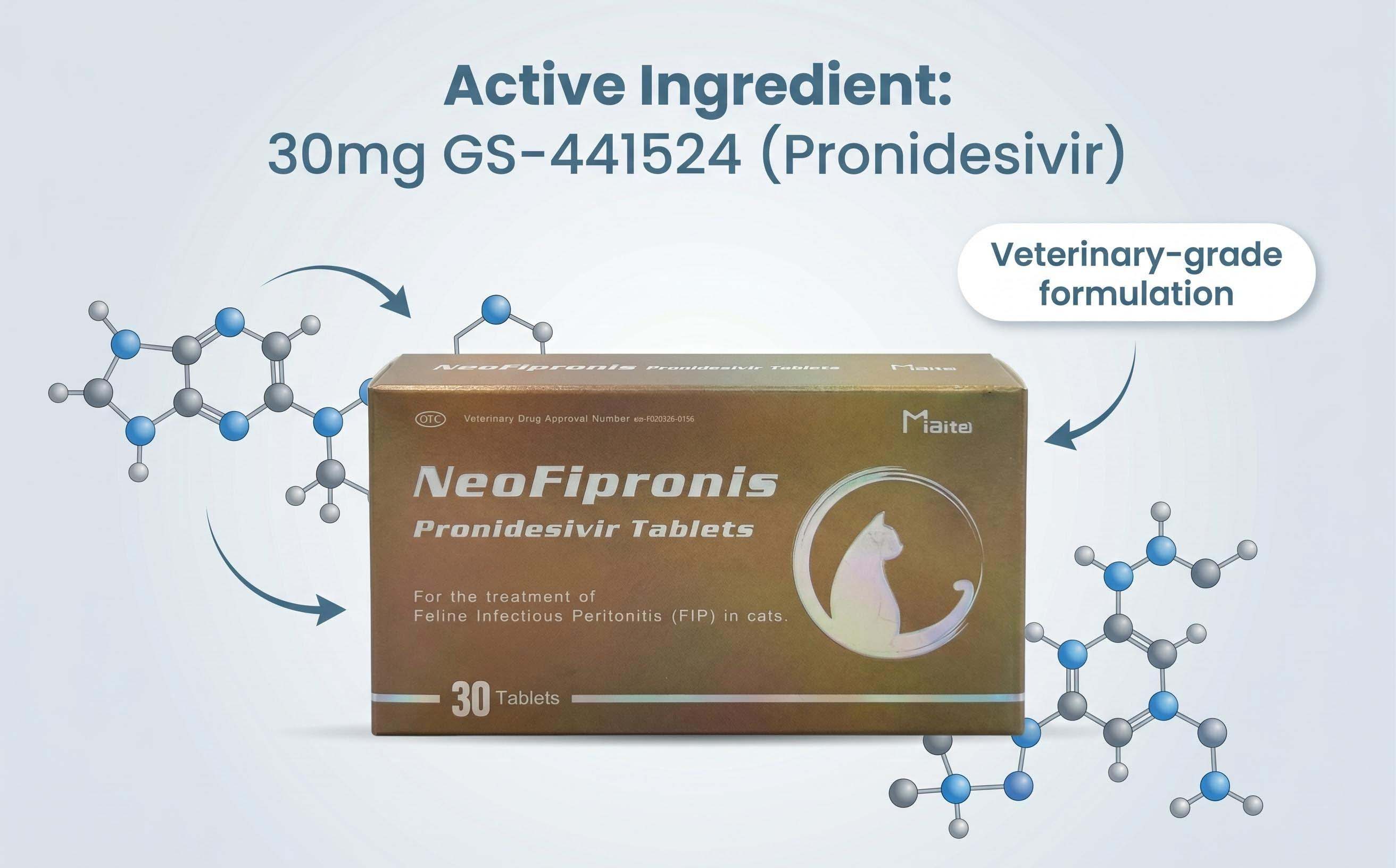
Presently, no FDA-approved FIP vaccine is on the market in the United States, and existing overseas options remain controversial with mixed efficacy. Veterinarian research is advancing, however, on both vaccines and targeted therapies like antivirals (e.g., GC376, remdesivir, and others).
Stay informed: Follow updates from organizations such as the American Association of Feline Practitioners (AAFP), the Winn Feline Foundation, and the AVMA.
Veterinary relationships: For long-term owners, a close relationship with a feline-friendly veterinarian provides access to the latest diagnostics and treatments. When FIP is suspected, early intervention is critical.
Regular testing: Yearly bloodwork (CBC, chemistry, and viral screening as suggested) helps to spot abnormalities early.
If your home has seen a case of FIP in the past, speak with your veterinarian about tailored prevention steps for remaining or future cats.
Genetics and Breeding: Reducing FIP Risk in Purebred Cats
Certain genetic lines show elevated risk for FIP, particularly among some purebred cats like Bengals, Ragdolls, and Abyssinians. If you adopt purebred cats, inquire with breeders about FIP history within their lines, and favor reputable sources who follow stringent disease control protocols.
Responsible breeders will:
Test for common feline viruses.
Limit litter sizes and avoid early weaning.
Maintain excellent sanitation and enrichment for kittens.
For those who breed cats or run shelters, collaborative work with veterinary researchers can identify and eliminate high-risk genetic profiles over time.
Understanding the Limitations: Why FIP Persists
Despite all efforts, FIP remains unpredictable and not entirely preventable. Coronavirus is ubiquitous, and ongoing mutation means no solution will be absolutely effective. The goal is risk mitigation, not total elimination. Permanent, vigilant care is required. Trusting intuition as an owner—recognizing behavioral changes or signs of malaise—often remains your best asset.
For advocates and shelter workers, supporting public education and advancing research dollars is vital. For everyday owners, thoughtful hygiene, stress management, and veterinary partnership compose the strongest defense.
References
1. Addie, D.D., et al. (2022). Feline infectious peritonitis: new insights into pathogenesis and prevention. Journal of Feline Medicine & Surgery, 24(5): 376-385.
2. Pedersen, N.C. (2020). FIP and the Feline Coronavirus: Update on Pathogenesis and Treatments. Veterinary Clinics: Small Animal Practice, 50(5): 1003-1015.
3. American Association of Feline Practitioners. (2023). Feline Infectious Peritonitis: Diagnosis and Management. https://catvets.com
4. Hartmann, K. (2024). Feline Infectious Peritonitis: Epidemiology and Current Approaches to Prevention. Veterinary Journal, 269: 105648.
5. Levy, J.K., et al. (2023). Management of environmental FCoV in multicat households and shelters. Animal Shelter Management Today, 33(2): 55-63.
6. U.S. Food & Drug Administration. (2024). Animal Drugs@FDA: FIP Treatments and Vaccines in Development. https://www.fda.gov
7. Winn Feline Foundation. (2024). FIP Research Updates. https://www.winnfelinefoundation.org/research/health-topics/fip
8. Royal Veterinary College. (2023). FIP FAQ and Owner Guidance. https://www.rvc.ac.uk/
9. Hosie, M.J., et al. (2021). Feline coronavirus: stability, transmission, and mutational risk. Veterinary Microbiology, 262: 109265.
10. Lappin, M.R. (2024). Use of dietary supplements and probiotics for feline immune enhancement. Veterinary Nutrition Review, 12(1): 14-20.