Sudden Clingy Behavior in Cats — Is It a Health Warning
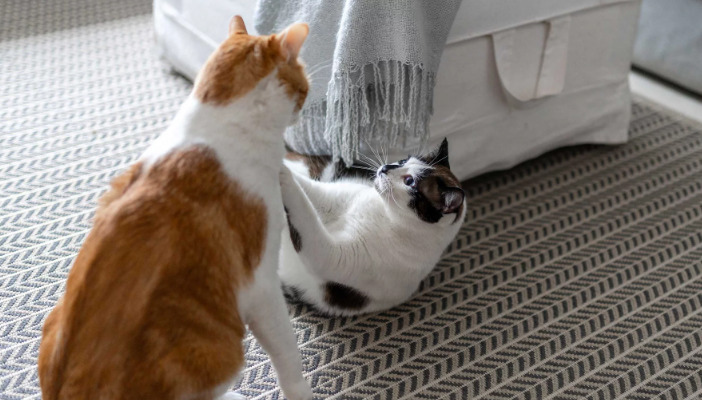
Cats are renowned for their independent nature. Unlike dogs, who often crave company and attention, most felines prefer moments of solitude intertwined with gentle affection on their own terms. This is why a sudden change in your cat’s behavior — particularly if they become clingy out of nowhere — can be both surprising and concerning for pet owners. Observing a cat switch from aloof to needy may simply indicate a changed emotional state or shifting household dynamics, but sometimes, it points to underlying health issues that require careful attention.
Understanding why a cat may suddenly become overly affectionate is crucial, not only for their emotional welfare but also as a potential indicator of serious medical conditions. Among the possible health threats is Feline Infectious Peritonitis (FIP), a complex and often devastating disease. This article explores the link between sudden clinginess and feline health, especially focusing on FIP, and provides actionable insights for concerned cat parents.
Recognizing Sudden Clinginess in Cats
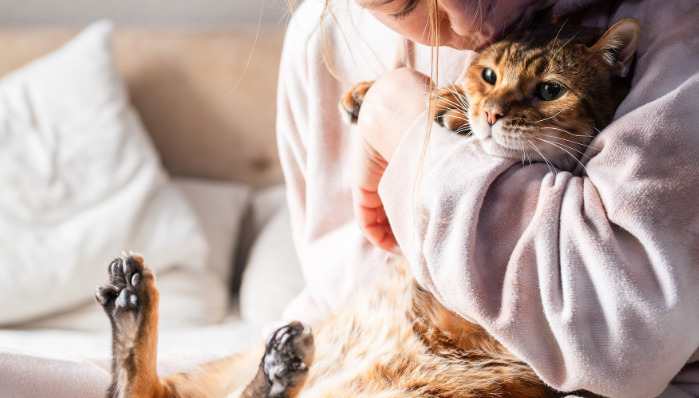
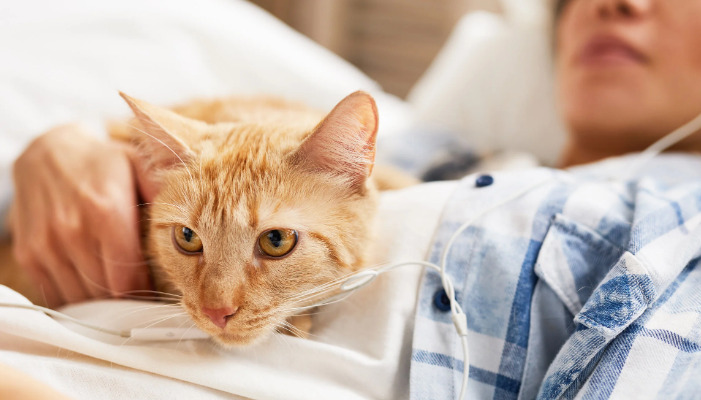
Typical feline behavior includes independent play, periodic affection, and established routines, often including favored sleeping spots. Clinginess in cats is characterized by demanding constant attention, following their owner everywhere, vocalizing excessively, sitting atop laps for long periods, or displaying unusually persistent purring and kneading. This behavior is concerning if it emerges abruptly, disrupts usual patterns, and persists beyond a few days.
Sudden behavioral changes are best documented. Observing when your cat becomes clingy — whether it coincides with new stressors, environmental changes, or occurs without apparent cause — helps distinguish between emotional and medical causes. Clinginess with accompanying symptoms, such as lethargy, loss of appetite, or hiding, may be a red flag for health issues.
Common Causes of Clingy Behavior
Understanding the root causes behind a cat’s sudden clinginess is vital before jumping to conclusions about specific diseases. Typical reasons include:
Environmental Stressors: Moving, a new pet, or household disruptions can prompt anxiety, making cats seek comfort from their owners.
Separation Anxiety: If a cat’s beloved human has been absent or is about to leave, heightened affection can manifest.
Aging: Older cats may become more attached as their senses decline, seeking security.
Past Trauma: Rescued or formerly stray cats may develop separation anxiety, leading to sudden demands for attention.
However, unexplained clinginess may signal physical discomfort or illness. Cats often hide illness, but some seek more closeness for reassurance or warmth. Recognizing when attention-seeking is abnormal is key.
Medical Reasons: Focusing on Feline Infectious Peritonitis (FIP)
Feline Infectious Peritonitis represents one of the most serious viral diseases affecting domestic cats. Caused by a mutation of feline coronavirus, FIP is rare but nearly always fatal if untreated. Its symptoms are wide-ranging, and sometimes the earliest indication is a change in behavior, such as sudden clinginess.
FIP: Overview
Feline coronavirus typically leads to mild gastrointestinal symptoms. In rare cases, it mutates into the form capable of causing FIP. This viral mutation allows the disease to spread throughout the cat’s body, triggering severe inflammation in organs and body cavities.
There are two types of FIP:
Wet (Effusive) FIP: Characterized by accumulation of fluid in the abdomen and/or chest, causing visible swelling, breathing difficulties, and discomfort.
Dry (Non-effusive) FIP: Marked by granulomas (inflammatory lesions) in body organs. Symptoms may include neurological issues, eye disorders, and non-specific signs.
Both types share underlying immune system involvement, but the outward signs may differ.
Behavioral Signs Linked to FIP
Cats suffering from the initial phase of FIP may exhibit subtle personality shifts. Owners sometimes first report that their cat has become unusually attached, seeking constant comfort, likely due to mild discomfort or anxiety.
Behavioral indicators include:
Persistent following
Increased vocalizations or crying for attention
Reluctance to be alone
Sleeping only near people
Seeking body warmth with excessive cuddling
These signs alone do not confirm FIP but suggest a need for closer observation.
Progression and Other Symptoms
As FIP progresses, distinct clinical symptoms develop. Alongside clinginess, look for:
Reduced appetite
Uncharacteristic lethargy
Weight loss
Fever (often cyclic or persistent)
Difficulty breathing (especially with wet FIP)
Jaundice (yellowing of skin or eyes)
Neurological symptoms (stumbling, tremors)
Eye inflammation (uveitis)
Not every case of FIP presents identically. Behavioral changes may be early clues, especially if paired with physical symptoms. Any combination warrants urgent veterinary attention.
Why Do Health Problems Cause Clinginess?
Cats’ behavior changes are often coping mechanisms. Unlike hiding — a common response to severe pain — some cats seek closeness with familiar people when unwell. Theories include:
Comfort: Physical contact may ease anxiety and provide warmth.
Safety: Sick animals instinctively look for security; their owner represents safety.
Disorientation: FIP-related neurological symptoms may cause confusion, prompting cats to cling for reassurance.
Pain or malaise: Discomfort pushes some cats to seek help or support.
Understanding this dynamic prevents misinterpretation of emotional needs versus health warnings.
Diagnosing the Cause of Clinginess
Any change in a cat’s behavior warrants observation. If unusual attachment lasts more than a few days or accompanies physical symptoms, seeking veterinary advice is crucial.
What to Expect at the Vet
Veterinarians approach most cases by:
1. Taking a full behavioral and medical history: Duration, other symptoms, household changes.
2. Conducting a physical exam: Checking for fever, dehydration, jaundice, abdominal swelling, neurological deficits.
3. Running diagnostic tests: Bloodwork, imaging (ultrasound/X-ray), and specific FIP tests (coronavirus titers, PCR analysis from fluids).
Not all clingy cats have FIP, but diagnostic steps are aimed to rule out infectious, metabolic, or organ diseases.
Importance of Early Detection
FIP is particularly aggressive, and early detection improves outcomes. While new treatments have emerged, prognosis varies, highlighting the need for prompt veterinary care whenever behavioral changes, such as clinginess, are noted.
Other Diseases Associated With Sudden Clingy Behavior
While the focus is on FIP, sudden clinginess may stem from other diseases, including:
Hyperthyroidism: Causes restlessness and behavioral changes.
Kidney or liver disease
Pain from arthritis or injury
Gastrointestinal disturbances
Neurological disorders
Distinguishing between these requires careful veterinary assessment and diagnostic workup.
How To Respond to Sudden Clinginess
Cat owners play a critical role in monitoring changes and seeking help. Recommended steps include:
Keep behavioral records: Note when clinginess began, associated events, and any physical changes.
Observe for illness: Watch for fever, vomiting, diarrhea, lethargy, or difficulty breathing.
Provide reassurance: Gently comfort your cat but avoid forcing interaction. Cats in pain may react unpredictably.
Schedule a vet visit: Especially if symptoms persist or worsen. Early intervention is essential.
Treatment Options for FIP and Related Conditions
Until recently, FIP was almost universally fatal. However, recent breakthroughs have provided hope.
Emerging Treatments
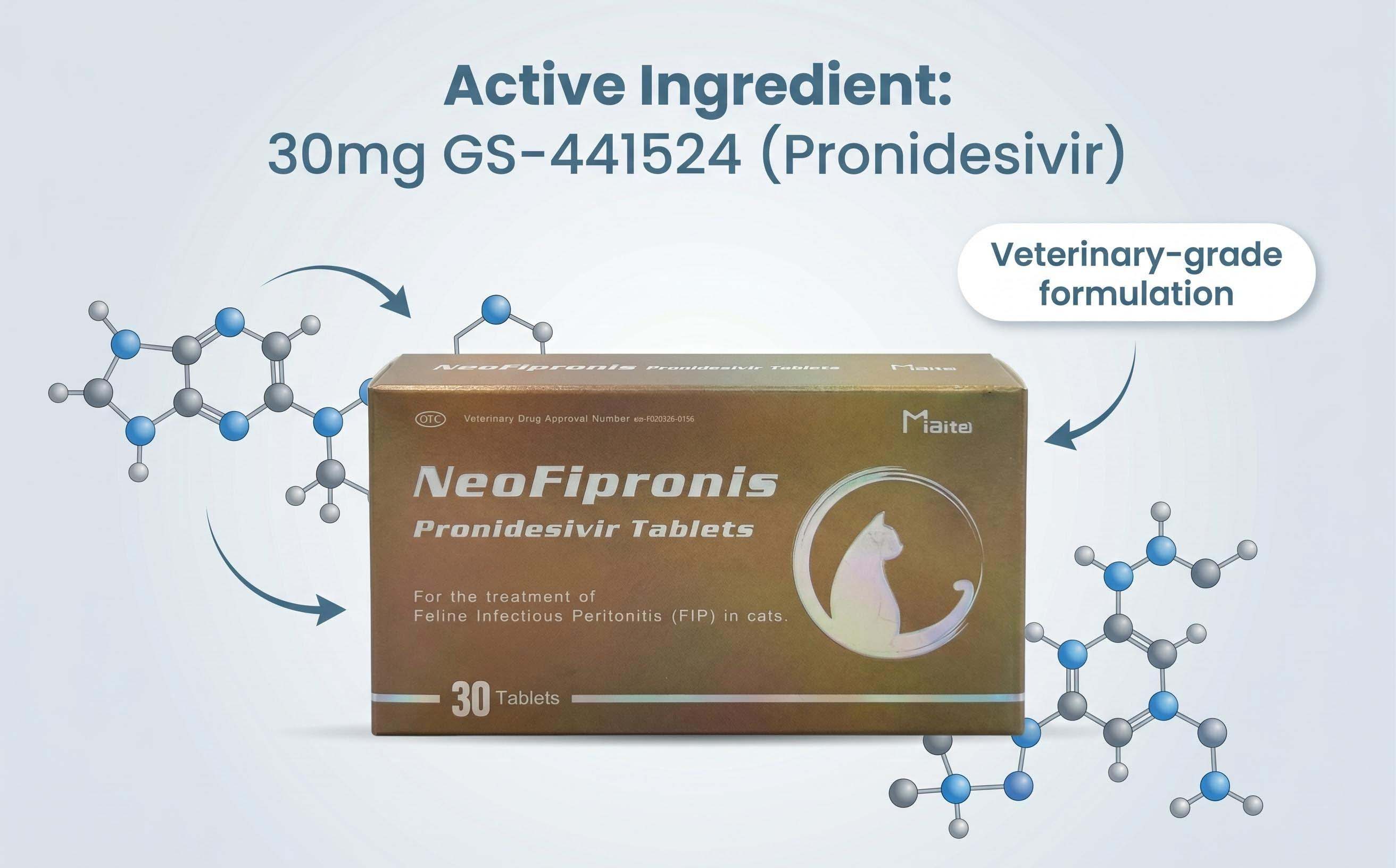
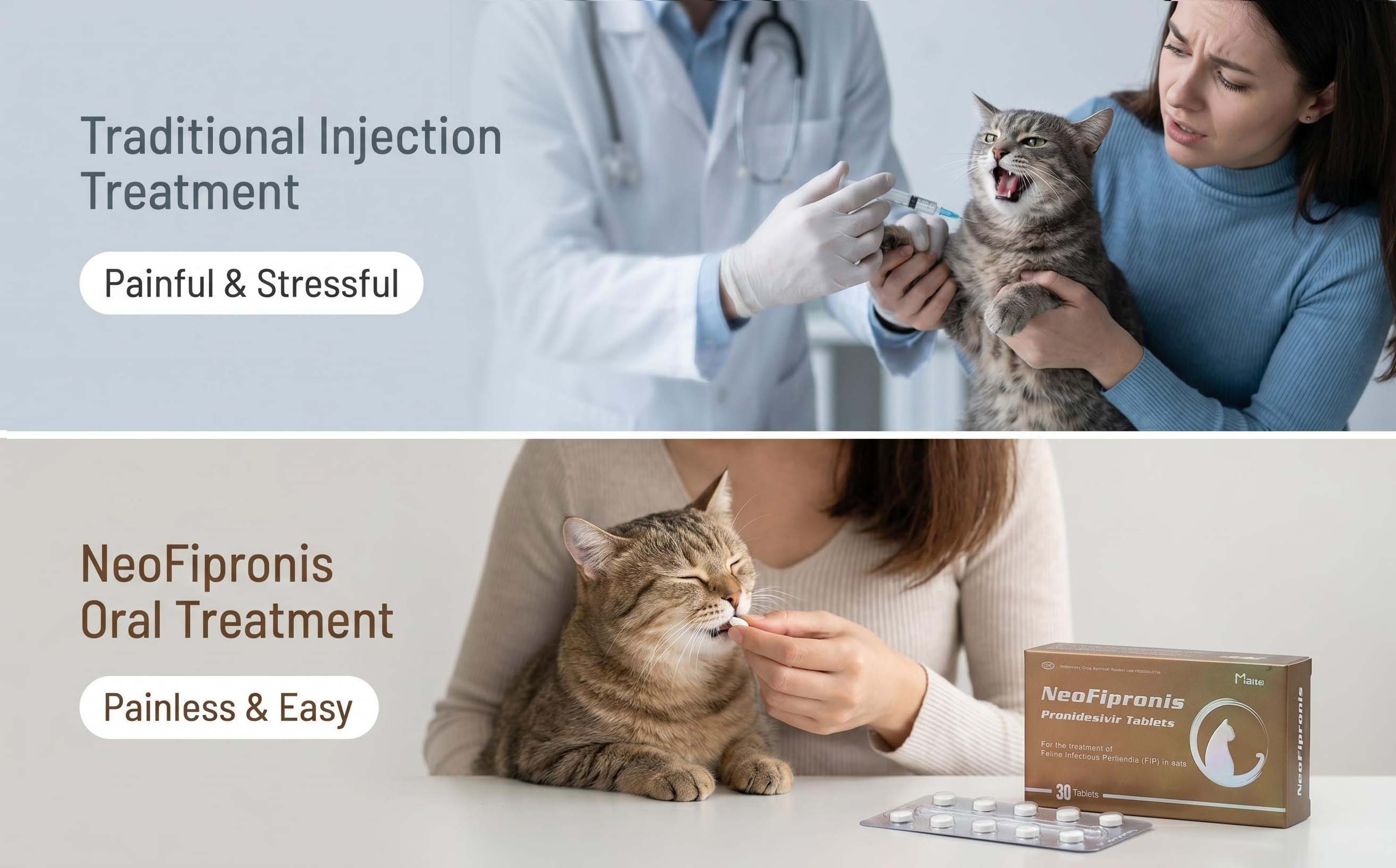
Antiviral medications: New drugs, such as GS-441524 (not FDA-approved but used in clinical trials), have shown promise in treating FIP.
Supportive care: Includes pain control, hydration, nutrition, and managing secondary infections.
Monitoring response: Close observation allows adjustment of treatments. Some cats have achieved remission.
Discuss these options with a knowledgeable veterinarian. Do not attempt self-treatment; FIP management is complex and evolving.
Preventing FIP and Maintaining Cat Health
While FIP is unpredictable, steps to reduce risk and promote wellness include:
Providing a stress-free environment: Minimize household disturbances and ensure a safe space.
Routine veterinary check-ups: Allows early detection of abnormalities.
Promoting a healthy lifestyle: Balanced diet, regular exercise, appropriate vaccinations.
Reducing exposure: Keep cats indoors or limit contact with unknown cats to lower chances of coronavirus transmission.
Prompt attention to behavioral changes: Act quickly if your cat suddenly becomes clingy without clear cause.
Knowing When To Worry
Not all clingy behavior portends illness. Sometimes, cats simply need more comfort. When assessing your cat, consider:
Duration: Acute, prolonged clinginess is concerning.
Associated symptoms: Physical changes are always a red flag.
Response to environment: Is the clinginess tied to a specific stressor (guests, renovations, schedule changes) or random?
Medical history: Pre-existing conditions heighten concern for disease.
Practical Tips for Cat Owners
Document every behavioral shift.
Keep emergency vet contacts handy.
Educate household members about signs and symptoms.
Stay calm; stress from owners impacts pets.
Use vet-approved calming aids, if anxiety is suspected but illness ruled out.
Conclusion
Cats communicate through behavior. Sudden clinginess is never something to ignore. Whether rooted in anxiety, household changes, or serious illness like FIP, paying close attention to such warning signs ensures the best chances for your cat’s health and happiness. Immediate veterinary intervention and a strong understanding of the links between behavior and illness empower pet owners to keep their feline companions safe.
References
1. Pedersen, N.C. (2020). An update on feline infectious peritonitis: Virology and immunopathogenesis. Veterinary Journal, 263, 105405.
2. Addie D., Belák S., Boucraut-Baralon C., et al. (2009). Feline infectious peritonitis: ABCD guidelines on prevention and management. Journal of Feline Medicine and Surgery, 11(7), 594-604.
3. Hartmann, K. (2005). Feline infectious peritonitis. Veterinary Clinics of North America: Small Animal Practice, 35(1), 39-79.
4. Legendre, A.M., Kuritz, T., Galyon, G., et al. (2017). Polyprenyl immunostimulant in treating cats with feline infectious peritonitis: a randomized controlled clinical trial. Frontiers in Veterinary Science, 4, 120.
5. Neimi, S., Jacks, S., et al. (2022). Clingy behavior in cats: New insights into feline attachment and stress response. Animals, 12(4), 334.
6. Riemer, F., Müller, C., et al. (2016). Pain and behavioral changes in cats: Recognition and assessment. Journal of Feline Medicine and Surgery, 18(7), 477-485.
7. U.S. Food and Drug Administration (FDA). (2023). Feline Infectious Peritonitis — Treatment Considerations. Retrieved from https://www.fda.gov/
8. Cornell Feline Health Center. (2022). Feline Infectious Peritonitis (FIP). Cornell University College of Veterinary Medicine. Retrieved from https://www.vet.cornell.edu/
9. American Association of Feline Practitioners (2021). Cat Owner’s Guide to Behavioral Changes. Retrieved from https://catfriendly.com/
10. Little, S. (2021). The Cat: Clinical Medicine and Management (2nd Ed.). Elsevier.