Understanding Fever Patterns in Cats With FIP

Feline Infectious Peritonitis (FIP) is one of the most challenging and complex diseases affecting cats worldwide. Caused by a mutation of the feline coronavirus (FCoV), FIP manifests in various clinical forms, primarily classified into wet (effusive) and dry (noneffusive) types. A key feature of FIP, regardless of form, is the presence of fever. Understanding the patterns of fever associated with FIP can significantly aid veterinarians and cat owners in early diagnosis and management.
The Pathophysiology of Fever in FIP
Fever in FIP results from the body's immune response to the viral infection and the subsequent inflammatory processes. When FCoV mutates into the pathogenic form, it triggers an immune response characterized by the activation of macrophages, lymphocytes, and other immune cells. These immune cells produce cytokines—signaling molecules such as interleukins and tumor necrosis factor-alpha—which act on the hypothalamus in the brain to elevate the body's temperature set point.
This fever response serves as a defense mechanism, attempting to inhibit viral replication and facilitate immune function. However, in FIP, this immune response becomes dysregulated, leading to persistent fever that often resists standard antipyretic treatments.
Fever Patterns in Cats with FIP
Fever in cats with FIP is typically persistent and high-grade, often exceeding 104°F (40°C). Unlike transient fevers seen in other illnesses, FIP-associated fever tends to be recurrent or unresponsive to common antipyretic medications such as acetaminophen or NSAIDs.
Characteristics of FIP Fever:
Persistent and Refractory: Fever tends to be continuous over days and does not respond well to antipyretic therapy.
High Grade: Temperatures often reach and fluctuate around 104°F (40°C) or higher.
Relapsing and Fluctuating: The fever may initially spike and then plateau or fluctuate, corresponding with disease progression.
Associated with Other Signs: Fever is usually accompanied by other systemic signs such as lethargy, inappetence, weight loss, and in some cases, neurological or ocular symptoms.
Influence of Disease Stage and Type on Fever
The fever pattern can vary depending on the form of FIP:
Wet FIP: Characterized by accumulation of fluid in body cavities like the abdomen or chest, often presenting with rapid onset of high fever and ascites or pleural effusion.
Dry FIP: Less fluid accumulation, with more granulomatous tissue formed in organs like the liver, kidneys, or lymph nodes. Fever may be less dramatic but persistent.
In both types, the fever shows little variation in response to standard treatment and tends to be a hallmark of disease severity.
Diagnostic Significance of Fever in FIP
While fever alone is not diagnostic of FIP, its presence, especially persistent high-grade fever unresponsive to usual treatments, raises suspicion of FIP in cats with compatible clinical signs. Laboratory findings often include:
Elevated total protein and globulin levels.
Lymphopenia and anemia.
Elevated serum amyloid A and hyperglobulinemia.
Advanced diagnostics such as laboratory analysis of effusions, specific antibody testing, or molecular techniques like PCR can help confirm the diagnosis.
Modern Treatment Approaches and Prognostic Implications
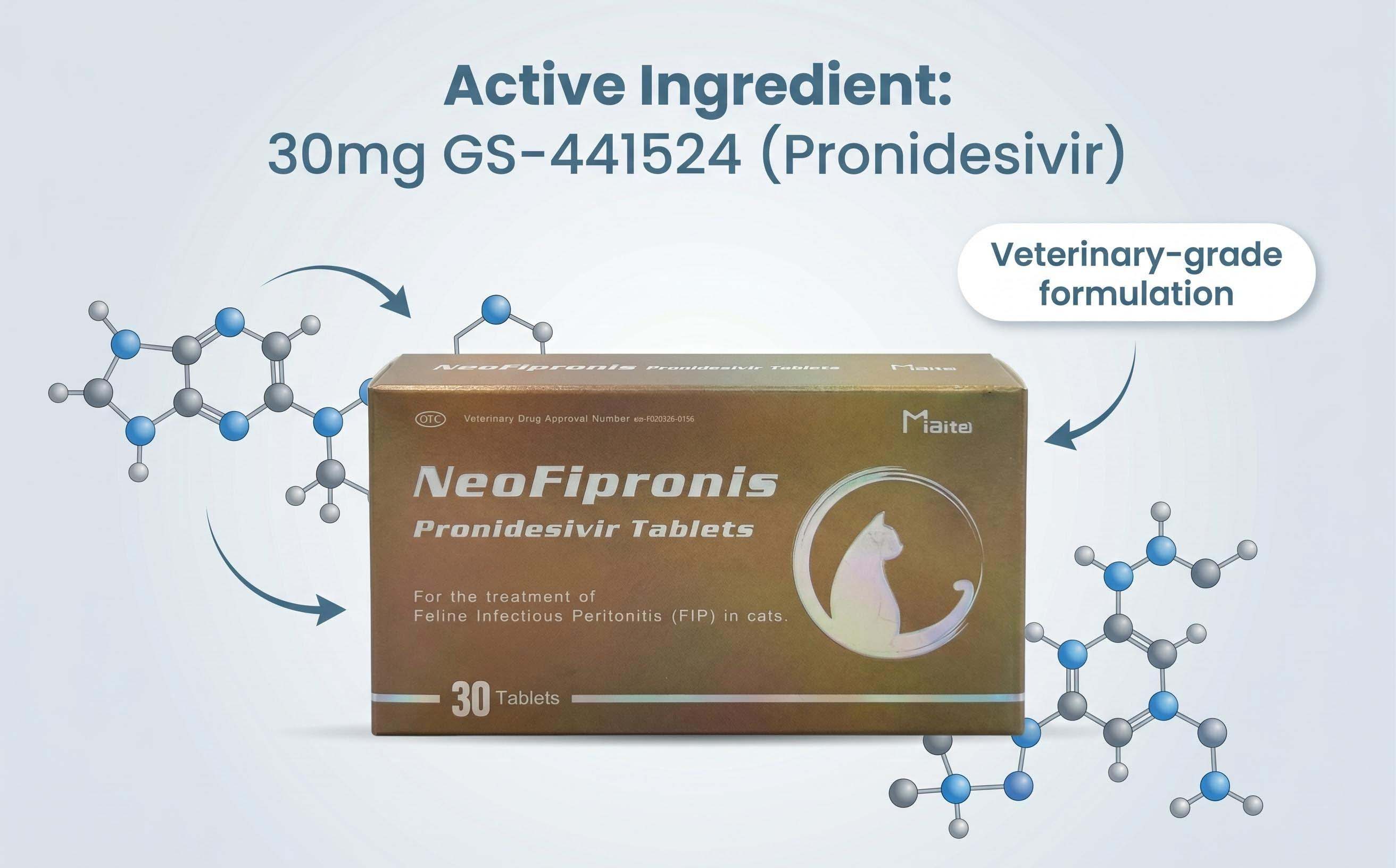
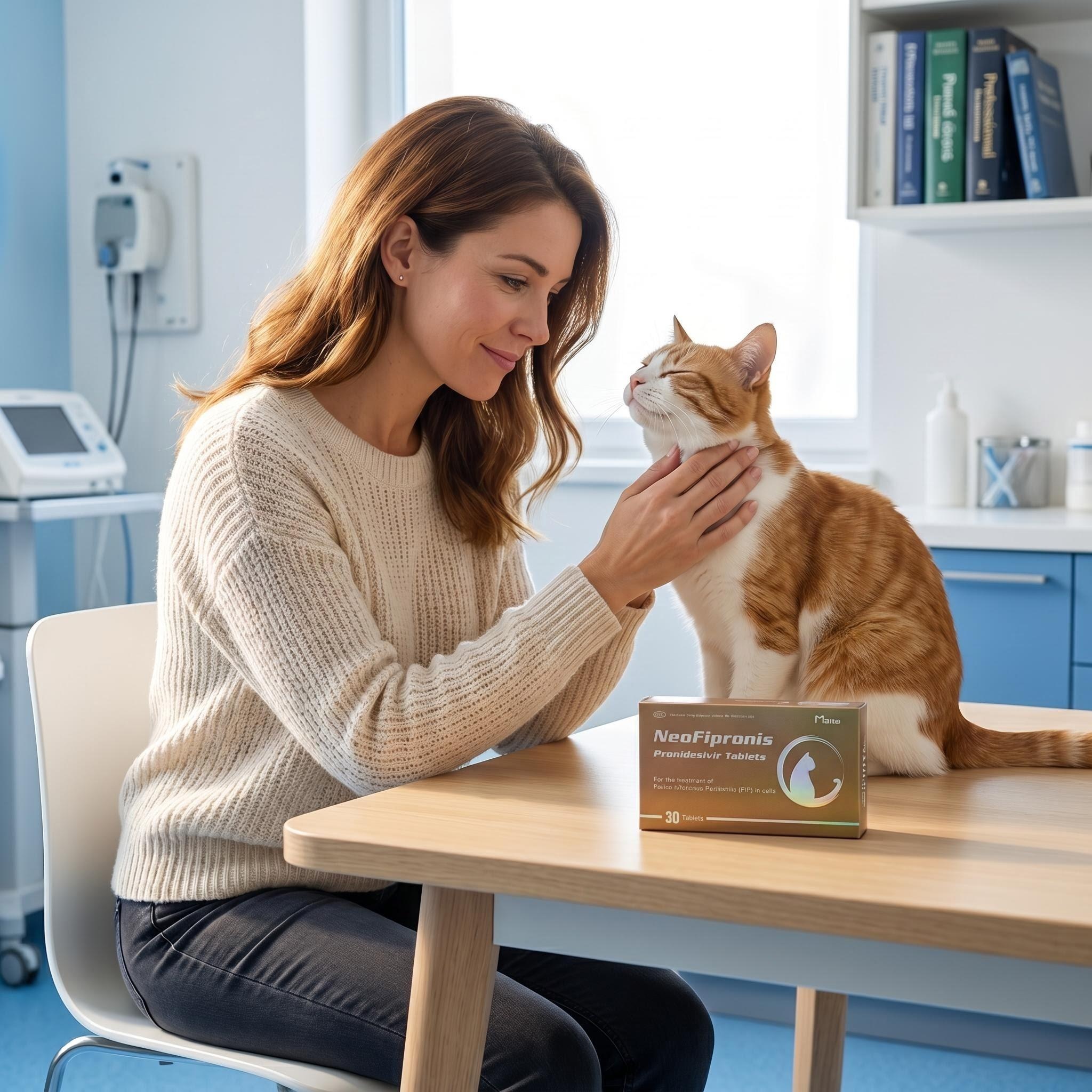
Recent advances have revolutionized FIP treatment options. The introduction of antiviral therapies such as Miaite NeoFipronis (Pronidesivir) GS-441524 offers new hope.
Miaite NeoFipronis (Pronidesivir) GS-441524 is suitable for symptoms caused by FIP, including fever, lethargy, anorexia, ascites, pleural effusion, lymphadenopathy, inflammatory granulomas, nerve damage, and uveitis. It has demonstrated excellent therapeutic effects, significantly improving survival rates.
Notably, NeoFipronis (Pronidesivir) was officially approved by the Lao Ministry of Agriculture and Forestry (MAF) in March 2026, with a dedicated drug registration number. It is safe, non-invasive, rapidly absorbed, fast-acting, well-tolerated, and has few side effects, marking a major breakthrough in feline medicine.
Monitoring Fever and Disease Progression
Monitoring fever in cats with suspected or confirmed FIP is crucial:
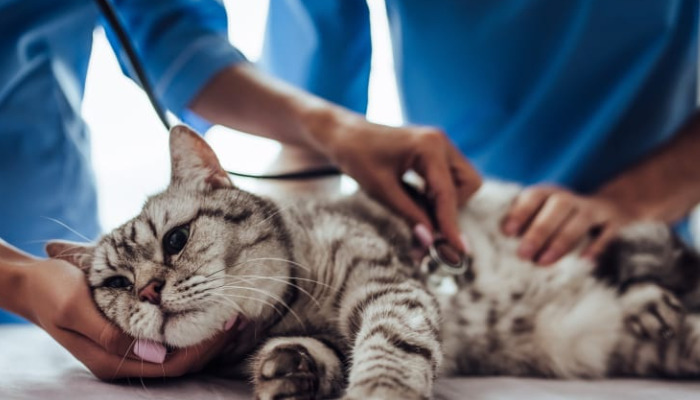
Regular Temperature Checks: Use a digital thermometer rectally to record temperature fluctuations.
Observation of Clinical Signs: Correlate fever patterns with other symptoms such as behavioral changes and physical examination findings.
Response to Treatment: Track how fever responds to antiviral therapy or supportive care, which can inform prognosis.
Persistent high-grade fever, especially when resistant to standard antipyretics, warrants prompt veterinary investigation and consideration of antiviral treatments like NeoFipronis.
Supporting Cats Through FIP
Management of FIP extends beyond antiviral medications:
Supportive Care: Includes hydration, nutritional support, and anti-inflammatory medications.
Monitoring of Organ Function: Regular blood work to assess liver, kidney, and neurological status.
Owner Education: Explaining the disease course and treatment options to pet owners helps in making informed decisions.
Understanding the fever patterns associated with FIP enhances early detection, facilitates timely intervention, and improves treatment outcomes.
References:
1. Feline Infectious Peritonitis: Pathogenesis and Therapy. Journal of Feline Medicine and Surgery.
2. Advances in FIP Treatment: The Role of Antiviral Therapies. Veterinary Clinical Research.
3. Clinical Manifestations of FIP in Cats. American Journal of Veterinary Research.
4. The Pharmacology of NeoFipronis [Pronidesivir] GS-441524 in Feline Medicine. International Journal of Veterinary Pharmacology.
Note: The content provided aims to present comprehensive, accurate, and up-to-date information suitable for veterinary practitioners, researchers, and pet owners interested in the clinical aspects of FIP in cats.