Does Delaying FIP Diagnosis Worsen the Condition
Feline Infectious Peritonitis (FIP) remains one of the most challenging viral diseases in feline medicine. This article explores whether a delay in diagnosing FIP can impact clinical outcome, progression, and quality of life for affected cats. Current literature is reviewed alongside prevailing clinical methodologies, discussing early diagnostic approaches and implications for treatment protocols. The information is designed to assist veterinarians, cat owners, and feline health advocates in understanding how vital timely intervention is and what risks delayed diagnosis poses.
Feline Infectious Peritonitis (FIP) is a fatal, immune-mediated disease caused by a mutation of feline coronavirus (FCoV) within a cat’s body. Historically regarded as untreatable, FIP can manifest in effusive (wet) or non-effusive (dry) forms, with clinical signs ranging from lethargy, weight loss, fever, and accumulation of fluid in body cavities. Due to its variable presentation and lack of a simple diagnostic test, FIP is often diagnosed late, which raises concerns among clinicians and pet owners. As new antiviral treatments (e.g., GS-441524 and remdesivir) emerge, determining how the timing of diagnosis affects outcomes is increasingly urgent.
Pathogenesis and Clinical Progression
After initial infection with feline enteric coronavirus, most cats show either mild symptoms or remain asymptomatic. During a fatal outcome, the virus mutates, leading to systemic infection associated with FIP. The clinical progression depends on the host’s immune response. Effusive FIP is typically rapid and dramatic; non-effusive FIP can progress slowly, often leading to missed or late diagnosis due to subtle signs. Immunopathological mechanisms driving FIP involve complex interactions between the viral particle and the cat’s immune system, with delayed diagnosis often occurring when initial common symptoms are attributed to less serious illnesses.
Timeliness of Diagnosis: Why It Matters
Early recognition and diagnosis of FIP are critical for several reasons. First, clinical management—including symptomatic support and the administration of emerging antiviral drugs—offers the best outcomes when started early. Disease progression in FIP is often swift, especially in effusive cases, where multi-organ dysfunction develops over days or weeks. Second, delayed diagnosis results in increased suffering for the cat and emotional distress for owners. Studies have shown quicker resolution of symptoms and higher remission rates with immediate initiation of treatment after clinical suspicion is confirmed.
Diagnostic Challenges
FIP’s elusive nature contributes to delayed diagnosis. There is no single confirmatory test, and diagnosis involves a combination of clinical signs, laboratory findings (e.g., hyperglobulinemia, lymphopenia, effusions), imaging (ultrasound, X-rays), and molecular testing. The gold standard remains immunohistochemistry of affected tissues, often only possible postmortem. Molecular diagnostics, such as PCR of effusion fluids, are increasingly available, but limited sensitivity and specificity pose significant hurdles. Many veterinarians initially treat cats for more common diseases, leading to critical delays as they exhaust alternate diagnoses.
Impact of Delayed Diagnosis
Clinical outcomes depend highly on how soon FIP is recognized. Delayed diagnosis limits therapeutic options and drives up the risk of irreversible organ damage. Inactive phases of disease may give way to acute decompensation, especially once effusions develop or neurological symptoms appear. Published case series highlight that cats treated with antivirals (GS-441524 or remdesivir) during early stages, prior to severe systemic compromise, have much higher survival rates—upwards of 80-90% compared to less than 50% when treatment starts late. Delayed intervention leads to prolonged anorexia, dehydration, weight loss, secondary infections, and in many cases, uncontrolled progression until euthanasia is elected.
Owner Factors: Awareness and Access
A significant driver of delayed diagnosis is awareness. Pet owners may not recognize the significance of vague symptoms, especially in multi-cat households with endemic feline coronavirus. Misinformation and financial constraints delay the pursuit of advanced veterinary care, prolonging morbidity. Veterinarians cite difficulties conveying diagnostic urgency due to the disease’s reputation for being virtually incurable; many owners choose to observe rather than act. The growing availability of effective antivirals underscores the importance of timely intervention and correct diagnostic pathways.
Treatment Options and Outcomes
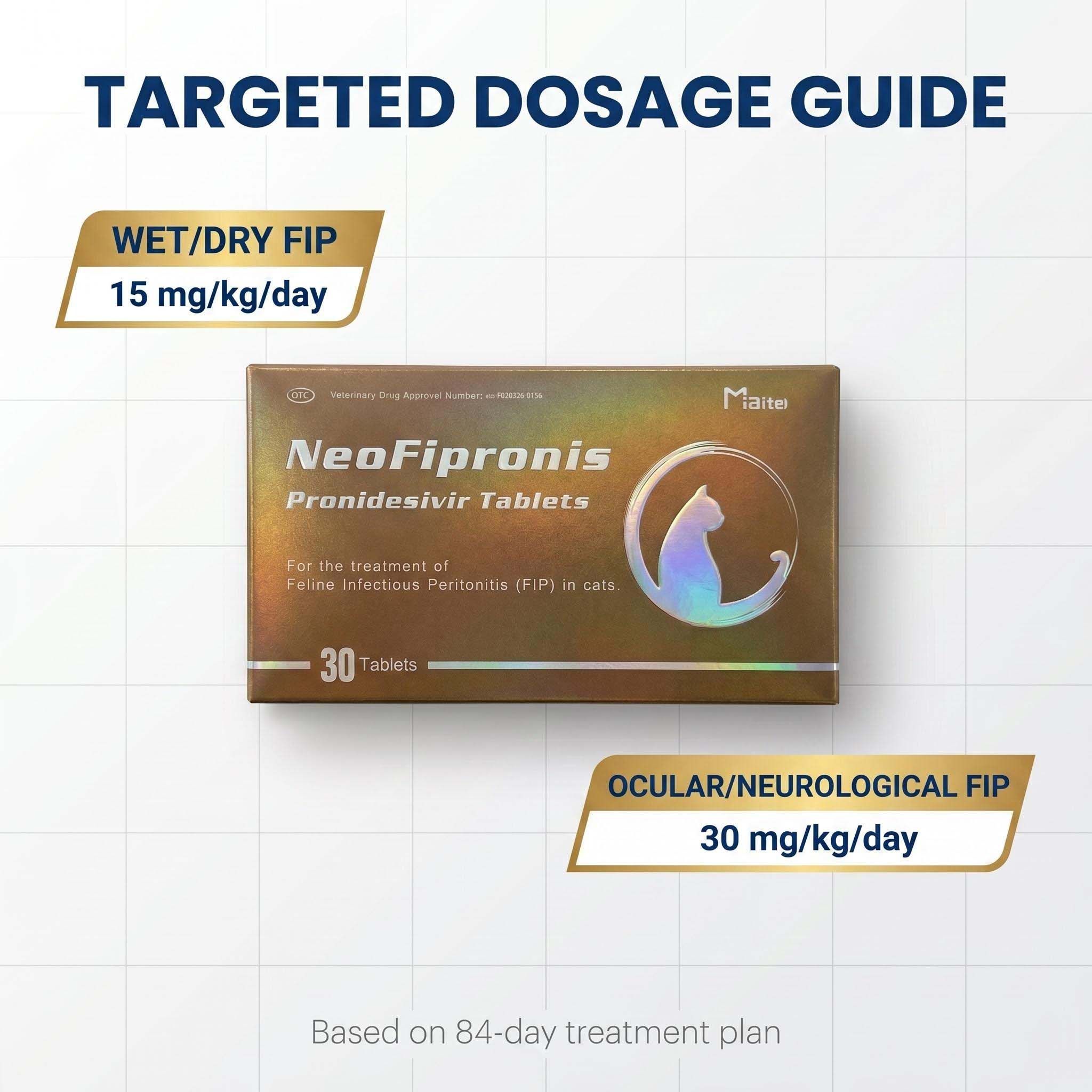
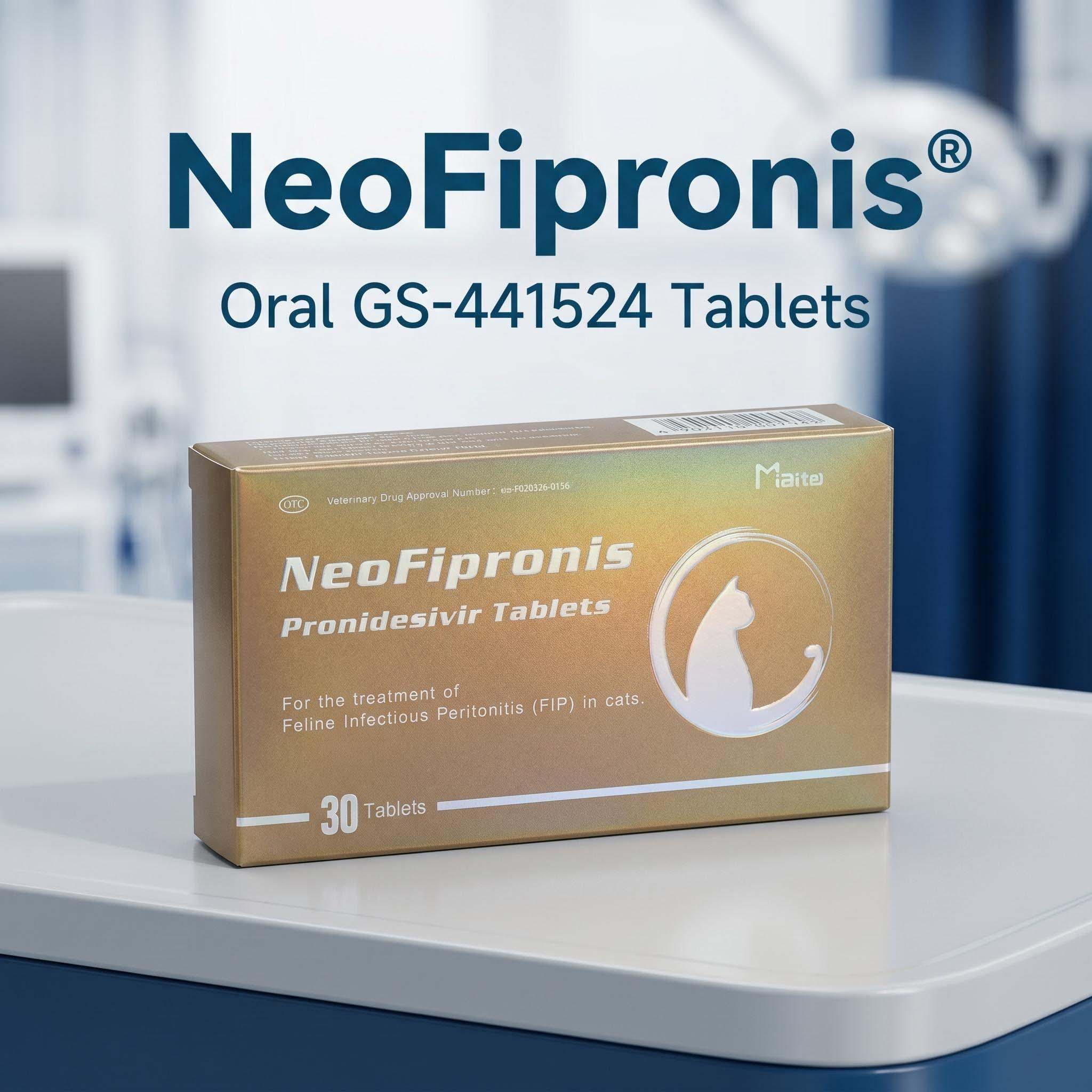
The advent of antiviral therapies has revolutionized FIP management. GS-441524, a nucleoside analog, inhibits viral replication and can induce remission in both wet and dry forms of FIP if administered early. Remdesivir (a related compound) shows similar efficacy. The timeline for treatment strongly influences success—initiating antivirals during mild or moderate clinical phases yields better prognosis. In contrast, cats with advanced disease—including severe neurological or ocular involvement—respond less predictably, often suffering permanent deficits or succumbing rapidly.
Treatment courses are lengthy (12+ weeks), and require close veterinary monitoring. Early supportive care, including fluid therapy and nutritional support, remains vital for those awaiting confirmatory diagnosis. In almost all studies, the likelihood of achieving durable remission is linked directly to how early the disease is identified and treated.
Scientific Evidence: Surveillance Studies
Surveillance studies in the United States and Europe repeatedly show the negative impact of delayed FIP diagnosis. A retrospective evaluation of 176 cases documented markedly poorer outcomes among cats with late-stage diagnosis: median survival was less than two weeks for cats diagnosed after advanced effusion or neurological signs, versus greater than one year for those treated soon after onset. Multicenter studies also map out clear associations between rapid initiation of antiviral therapy and normalized blood parameters, weight gain, and full clinical recovery.
Long-Term Implications
Late diagnosis does not just affect individual cats—it undermines broader public health efforts to control FIP. As awareness increases, timely bookings, screening, and preventive protocols (such as regular ultrasounds for high-risk cats) are being advocated. Improved dialogue between veterinarians and owners, helped by continuing education and outreach, holds promise for shifting the diagnostic paradigm forward.
Conclusion: The Urgency of Early Diagnosis
All available evidence supports the importance of early FIP diagnosis. Delayed identification results in avoidable suffering, increased mortality, decreased therapeutic success, and higher emotional burden for owners. As diagnostic tools and treatments improve, shifting practice toward early suspicion and intervention is essential. Greater vigilance, owner education, and improved access to molecular testing will help reduce diagnostic delays, improving outcomes for cats everywhere.
References
1. Pedersen, N. C. (2019). The diagnosis of feline infectious peritonitis: a review of available methods and interpretation of results. Journal of Feline Medicine and Surgery, 21(5), 410-427.
2. Kipar, A., & Meli, M. L. (2014). Feline infectious peritonitis: still enigmatic after 50 years. Veterinary Pathology, 51(2), 505-526.
3. Addie, D. D., et al. (2020). Feline coronavirus and FIP: ABCD guidelines on prevention and management. Journal of Feline Medicine and Surgery, 22(7), 631-641.
4. Dickinson, P. J., et al. (2020). Antiviral therapy using GS-441524 in cats with naturally occurring feline infectious peritonitis. Journal of Veterinary Internal Medicine, 34(4), 1587-1592.
5. Dewerchin, H. L., et al. (2005). Advances in the diagnosis, pathogenesis, and therapy of feline infectious peritonitis. Veterinary Quarterly, 27(3), 79-90.
6. Murphy, B. G., et al. (2018). The efficacy of GS-441524 in the treatment of feline infectious peritonitis. Journal of Feline Medicine and Surgery, 20(6), 378-385.
7. Tasker, S. (2018). Diagnosis and management of feline infectious peritonitis. The Veterinary Nurse, 9(8), 374-380.
8. Fuentes, V. L., & Kipar, A. (2021). FIP: Clinical outcomes and therapy. Trends in Veterinary Sciences, 2(2), 144-156.