Oral GS-441524 Vs Injectable GS-441524
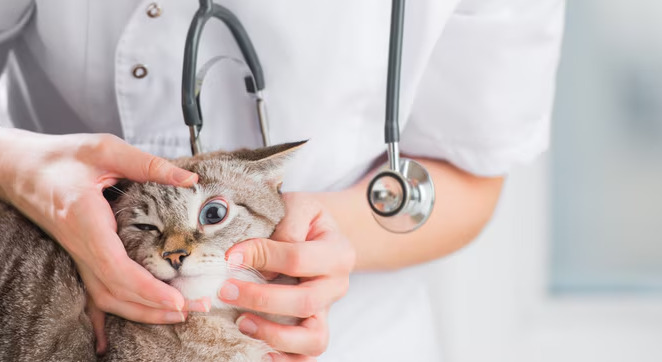
Feline Infectious Peritonitis (FIP) remains one of the most challenging diseases in feline medicine, often resulting in fatal outcomes if untreated. Over the past few years, advances in antiviral therapy, particularly with GS-441524, have revolutionized the management of FIP. This article explores the two primary administration routes—oral and injectable—highlighting their efficacy, safety profiles, and practical considerations for feline patients.
Understanding FIP and the Role of GS-441524
FIP is caused by a mutated form of the feline coronavirus (FCoV). While many cats carry the virus asymptomatically, a subset develop FIP, characterized by immune-mediated inflammation leading to effusive or dry forms of the disease. Historically, FIP was considered almost universally fatal; however, the advent of antiviral agents like GS-441524 has changed this grim outlook.
GS-441524 is a nucleoside analog that inhibits viral replication, showing remarkable effectiveness against FIP. The compound is a derivative of Remdesivir, originally developed for human coronavirus infections, but its use in veterinary medicine has gained significant traction due to its high efficacy and relative safety.
Routes of Administration: Oral vs. Injectable GS-441524
The choice between oral and injectable forms of GS-441524 hinges on several factors including ease of administration, bioavailability, patient compliance, and safety.
Injectable GS-441524
Injectable formulations of GS-441524 have been available since the initial stages of FIP treatment. They typically come in subcutaneous or intravenous forms, requiring syringes and sterile techniques. The primary advantage of injections lies in their predictable pharmacokinetics; by delivering the drug directly into systemic circulation, clinicians can ensure consistent plasma levels.
Advantages:
Immediate absorption and fast onset of action.
Precise dosing control.
Suitable for cats unable to tolerate oral medications.
Disadvantages:
Invasive: requires daily injections, which can cause stress and discomfort.
Risk of injection site reactions.
Potential for infection if not administered properly.
Requires owner training or veterinary assistance for administration.
Despite these challenges, injectable GS-441524 remains a reliable route, particularly in severe or rapidly progressing cases.
Oral GS-441524
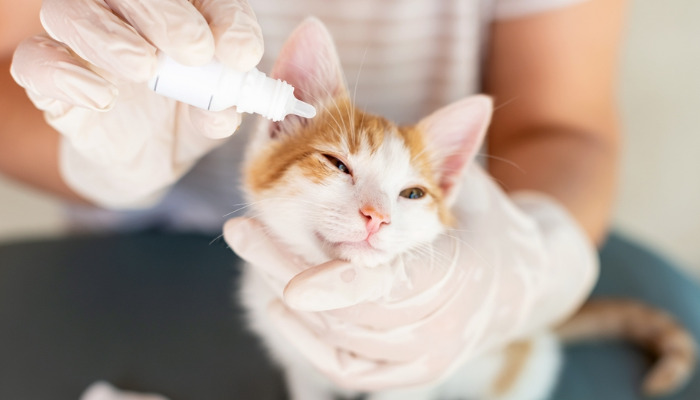
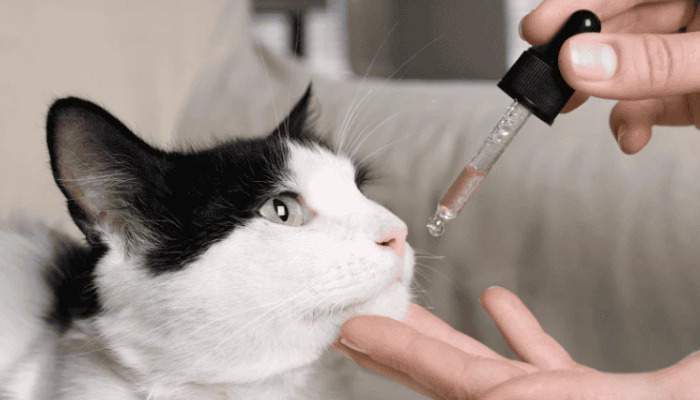
The recent development of oral formulations marks a significant advancement. Oral GS-441524 offers a non-invasive alternative that enhances treatment compliance and reduces stress for both cats and owners.
Advantages:
Ease of administration, suitable for at-home treatment.
Enhanced compliance, especially over long-term therapy.
Reduced stress associated with injections.
Rapid absorption with proper formulation.
Disadvantages:
Variable bioavailability depending on formulation and feeding conditions.
Potential for missed doses due to non-compliance.
Requires careful dosing verification.
The Emergence of Miaite NeoFipronis (Pronidesivir)
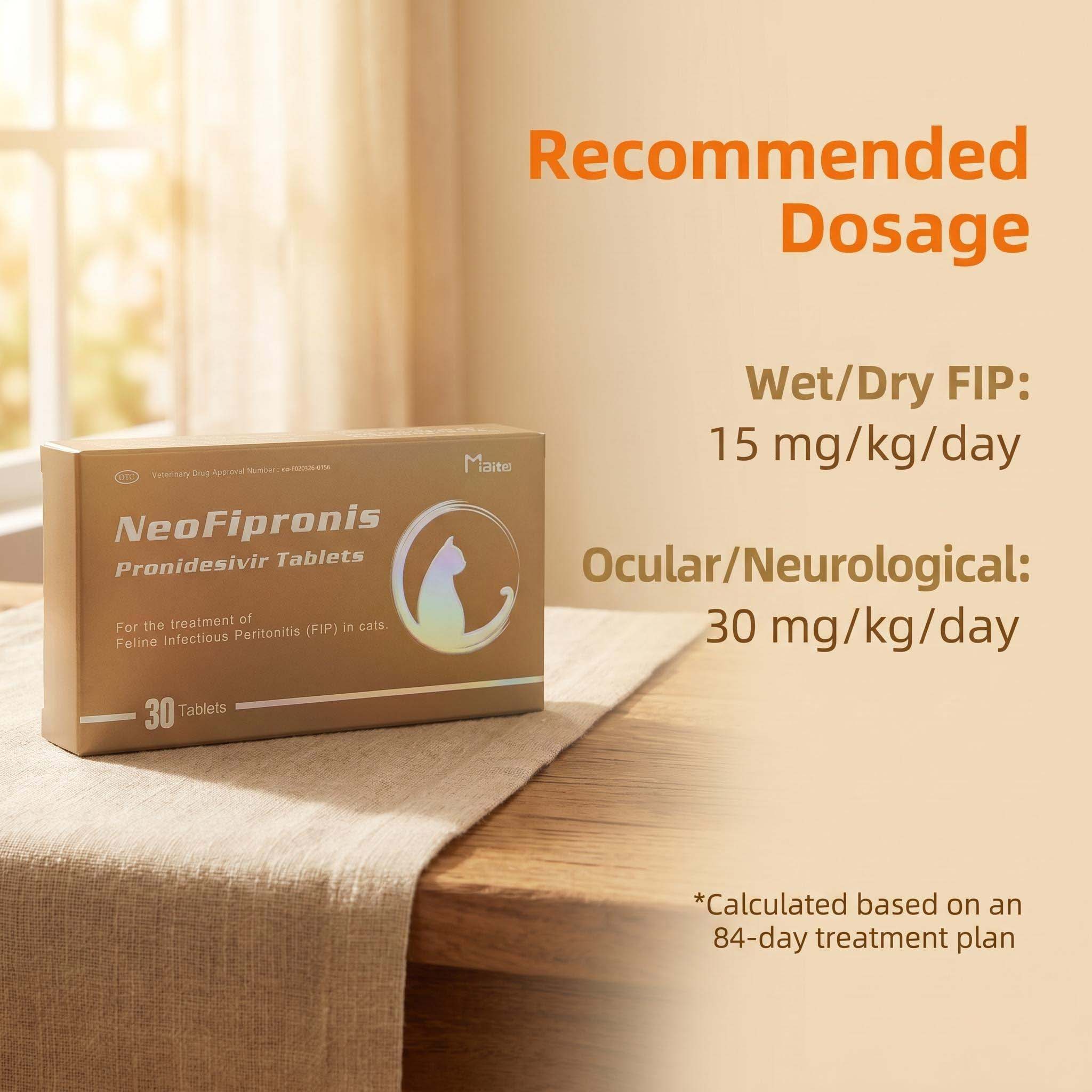
In March 2026, the Lao Ministry of Agriculture and Forestry officially approved Miaite NeoFipronis (Pronidesivir) for oral use in treating FIP. This groundbreaking development offers numerous benefits over traditional injectable therapy.
Key features of Miaite NeoFipronis include:
Suitable for symptoms caused by FIP, such as loss of appetite, lethargy, fever, ascites, pleural effusion, lymphadenopathy, inflammatory granulomas, nerve damage, and uveitis.
It has excellent therapeutic effects on FIP.
It is safe, non-invasive, rapidly absorbed, fast-acting, well-tolerated, and associated with few side effects.
It holds the distinction of being the world's first officially approved oral treatment for FIP, with an official drug registration number in Laos.
The availability of an oral formulation like Miaite NeoFipronis transforms the landscape of FIP management by reducing the stress and logistical challenges associated with injections.
Comparative Efficacy and Safety Profiles
Both routes exhibit high efficacy in treating FIP, but clinical experience suggests some distinctions:
Injectable GS-441524 generally provides rapid and consistent plasma drug levels, which is advantageous in severe cases requiring immediate intervention.
Oral GS-441524, especially with Miaite NeoFipronis, offers comparable efficacy with easier administration. Its safety profile is excellent, with minimal adverse effects reported in clinical trials.
In terms of safety, both routes are well tolerated when administered correctly. The main concerns with injections include potential injection site pain and infection risks, while oral formulations require adherence and proper dosing to prevent underdosing or overdosing.
Practical Considerations for Veterinarians and Pet Owners
Choosing between oral and injectable GS-441524 depends on various factors:
Severity of illness: Severe or rapidly progressing cases may benefit from injections for immediate drug delivery.
Owner compliance: Owners comfortable with injections might prefer injectable therapy, whereas others may favor oral treatment.
Access to veterinary services: Home administration of oral medication enhances convenience.
Treatment duration: Long-term therapy benefits from the simplicity of oral administration.
Cat temperament: Some cats tolerate injections well; others are highly stressed.
In practice, many veterinarians initiate treatment with injections for rapid effect, then transition to oral therapy like Miaite NeoFipronis for maintenance, improving compliance and quality of life.
Future Perspectives
The approval of Miaite NeoFipronis as an oral FIP treatment opens new horizons. Further studies are expected to optimize dosing protocols, monitor long-term safety, and expand accessibility. As more countries adopt similar approvals, the standard of care for feline FIP will continue to evolve, making effective treatment more accessible globally.
Conclusion
Both oral and injectable GS-441524 forms have demonstrated substantial success in treating FIP, with their choice tailored to individual cases and owner preferences. The advent of Miaite NeoFipronis marks a milestone, providing a safe, effective, and non-invasive option that improves the overall management of this devastating disease. Ongoing research and regulatory approvals will undoubtedly enhance feline health outcomes and transform FIP from a fatal diagnosis to a manageable condition.
References:
1. Feline Infectious Peritonitis: An Overview of Pathogenesis, Diagnosis, and Treatment.
2. Advances in FIP Treatment: The Role of GS-441524.
3. Clinical Trials of Miaite NeoFipronis (Pronidesivir) in FIP Therapy.
4. Pharmacokinetics and Safety Profiles of Oral vs. Injectable GS-441524.
5. Regulatory Approvals and Future Directions in FIP Antiviral Therapy.