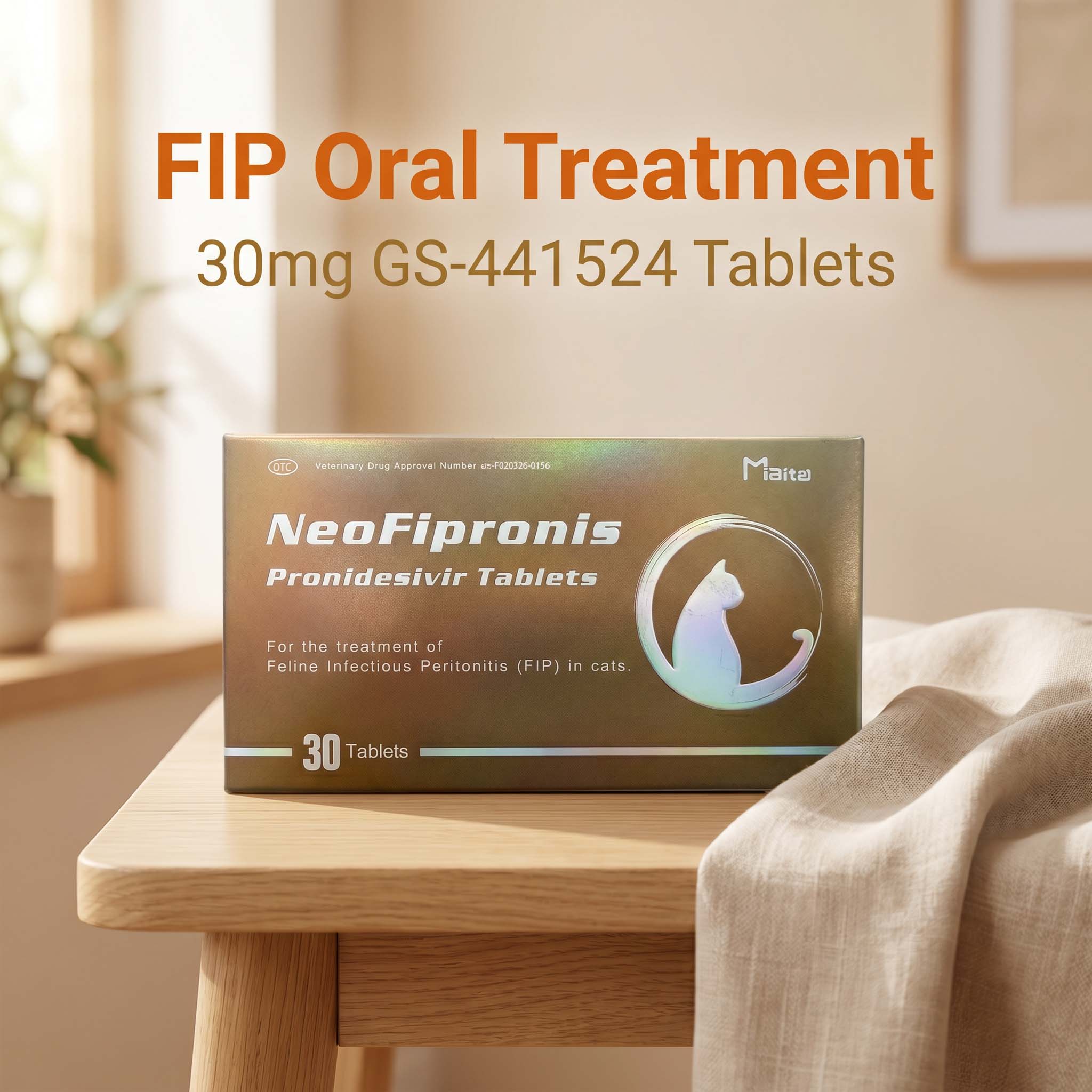
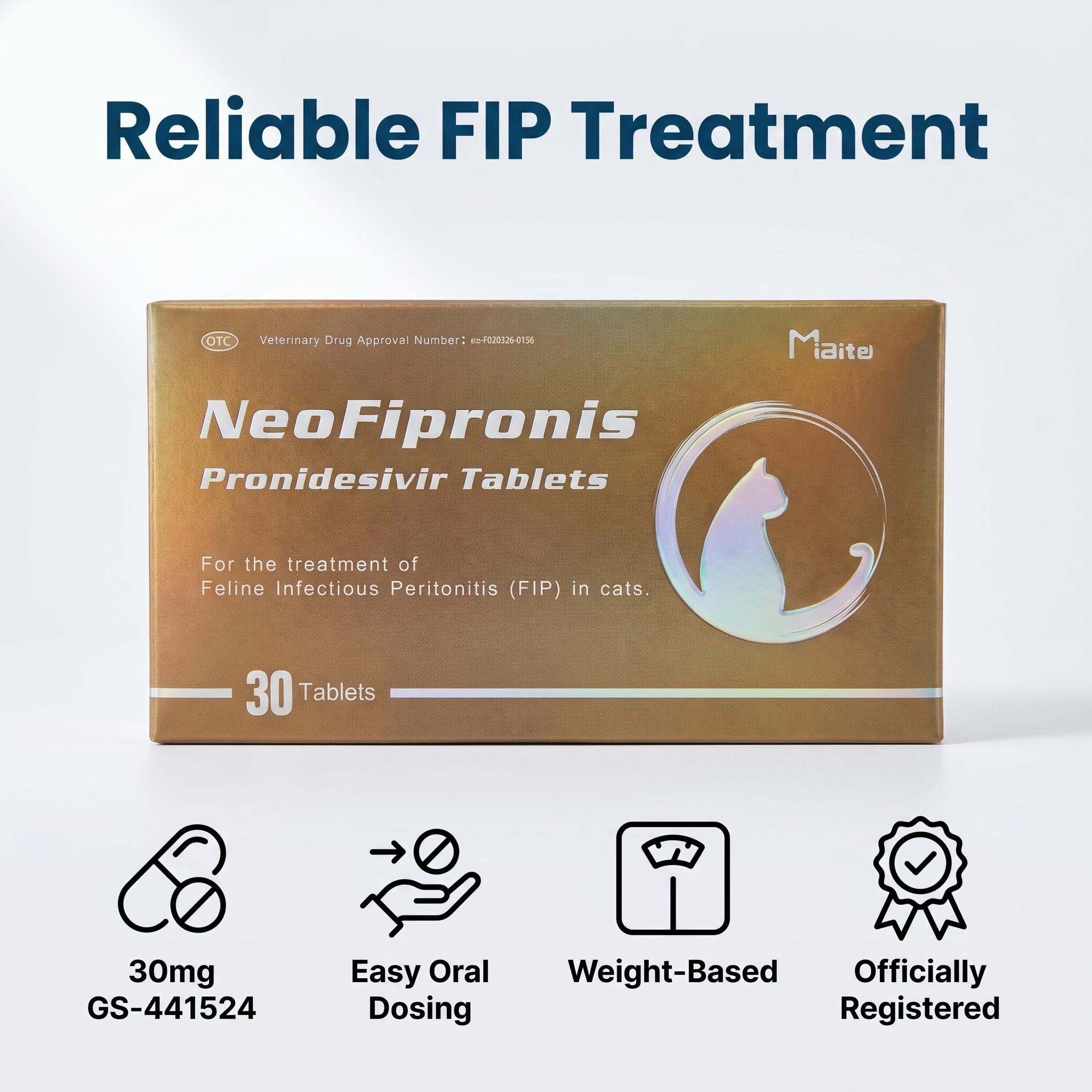
NeoFipronis (Miaite) Indications and Clinical Effectiveness
Feline Infectious Peritonitis (FIP) remains one of the most challenging and fatal viral diseases affecting cats worldwide. Caused by a mutated form of the feline coronavirus, FIP manifests through a variety of symptoms, including persistent fever, weight loss, anorexia, abdominal or thoracic effusion, lymphadenopathy, granulomatous lesions, neurological dysfunction, and uveitis. Conventional treatment options have been limited, often relying on supportive care, but recent advancements have introduced targeted antiviral therapies that significantly improve prognosis.
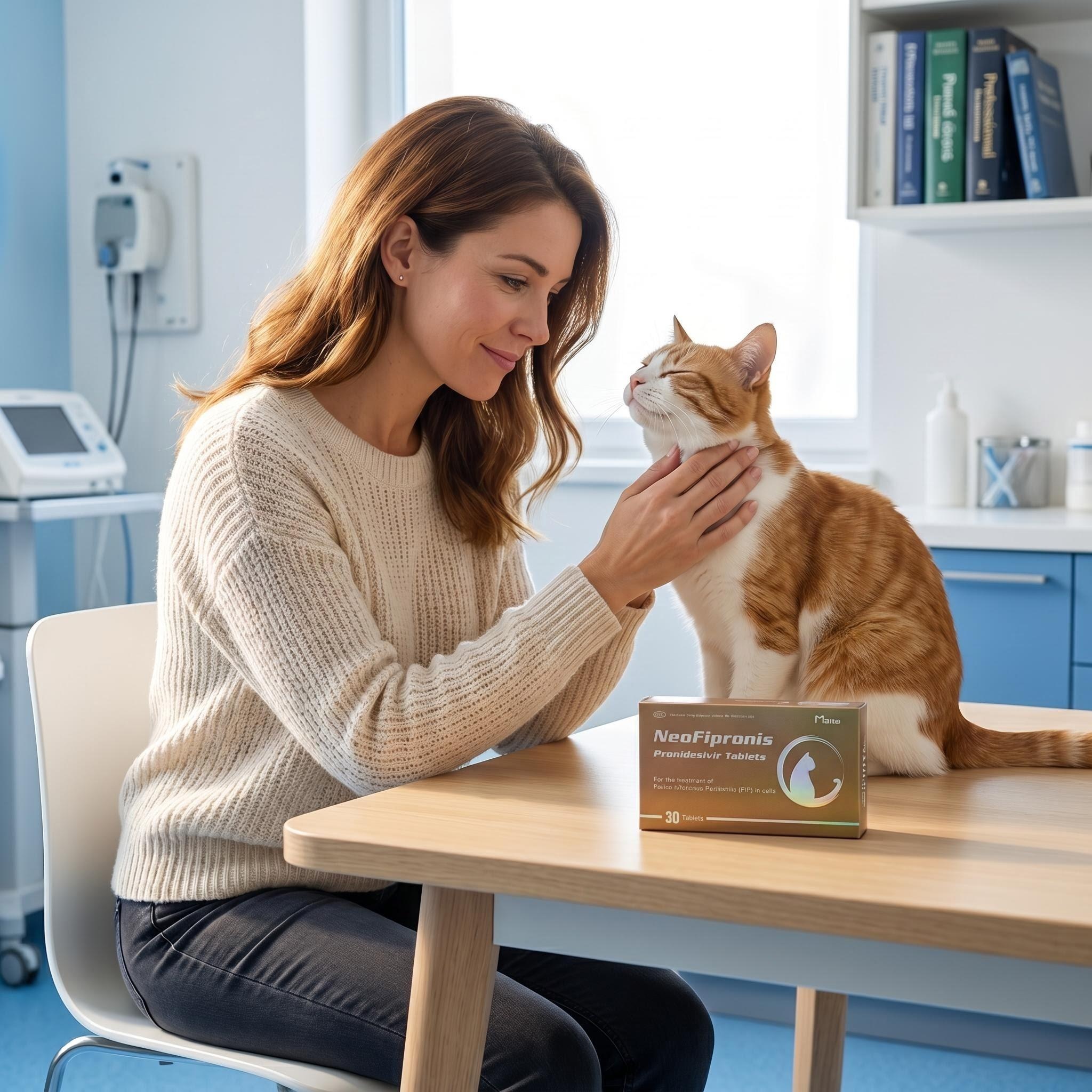
NeoFipronis (Pronidesivir), also known by its active ingredient GS-441524, represents a revolutionary breakthrough in FIP treatment. Approved by the Laos Ministry of Agriculture and Forestry (MAF) in March 2026, NeoFipronis is the world’s first officially registered oral medication specifically developed for FIP. Its approval signifies a major milestone in feline antiviral therapy, offering a safe, non-invasive, and highly effective treatment option.
The core of NeoFipronis’s efficacy lies in GS-441524, a nucleoside analog that inhibits viral RNA-dependent RNA polymerase. Under extensive research and clinical application, GS-441524 has demonstrated remarkable antiviral capability, reducing viral replication and promoting clinical remission in affected cats. Its targeted action helps alleviate the primary pathologies associated with FIP, including inflammatory granulomas and systemic immune responses.
Administered at a dosage of 15 mg per kilogram of body weight daily, NeoFipronis is designed for oral consumption. For cats exhibiting neurological or ocular FIP, the dosage may be increased to 30 mg/kg as per veterinary guidance. The medication is best given on an empty stomach — either one hour before meals or two hours afterward — to maximize absorption. Treatment duration generally spans no less than 12 weeks, emphasizing the importance of consistent adherence to ensure complete viral clearance and reduce relapse risks.
Clinical effectiveness of NeoFipronis has been confirmed through numerous case studies and clinical trials. Cats receiving treatment show rapid symptom reduction, including resolution of fever, normalization of appetite, and improvement in activity levels. Effusions tend to decrease significantly, and lymphoid tissues regress as the immune system gains control over the infection. Neurological and ocular symptoms, often the most resistant to therapy, also respond favorably when dosage adjustments are made under veterinary supervision.
Safety profile of NeoFipronis is notable. It is well tolerated, with few reported side effects. Regular monitoring of blood work, including liver and kidney function, is recommended during treatment to detect any potential adverse reactions early. Despite being a non-prescription medication, veterinary supervision is strongly advised to optimize therapeutic outcomes and ensure appropriate dosing, especially in complicated or severe cases.
NeoFipronis is available through authorized vendors and official channels to guarantee product authenticity and quality. It is strictly for use in cats and must not be used in humans. Potential users should verify purchases via the official NeoFipronis website or authorized veterinary clinics.
In summary, NeoFipronis (Pronidesivir) represents a significant advancement in feline medicine, providing a highly effective and safe oral antiviral treatment for FIP. Its rapid absorption, ease of administration, and proven clinical success contribute to an improved prognosis for affected cats, transforming FIP from a nearly universally fatal disease into a treatable condition. Continuous veterinary oversight and adherence to prescribed regimens are essential to maximize the benefits of this groundbreaking therapy.