Is There Still Hope for Cats Diagnosed With FIP
For decades, feline infectious peritonitis (FIP) has been one of the most feared diagnoses among cat owners and veterinarians. Long considered a death sentence, this serious disease—caused by a mutation of the feline coronavirus—strikes both young and adult cats, often leaving owners with limited options and much anguish. Recent years have sparked new conversations and new hope, thanks to advances in understanding, treatment, and scientific collaboration. This article explores the nature of FIP, innovative therapies, how to recognize symptoms, and what the future may hold for cats diagnosed with this condition in the United States.
What is FIP and How Does It Affect Cats?
FIP emerges when a normally benign feline coronavirus mutates inside some cats, especially kittens or those with weakened immune systems. The mutated virus can trigger an intense immune reaction, leading to two major clinical forms: the effusive (wet) and non-effusive (dry) forms.
Wet FIP often leads to a buildup of fluid in the abdomen or chest, causing breathing difficulties, swollen stomachs, and lethargy.
Dry FIP is more insidious, with granulomas forming in organs such as the liver, spleen, eyes, or brain, resulting in vague symptoms like weight loss, fever, and neurological signs.
The unpredictability and severity of FIP have made research and treatment particularly challenging. Many symptoms mimic other diseases, so accurate diagnosis requires a combination of history, clinical examination, imaging, and laboratory testing.
Facing a Diagnosis: Emotional and Practical Challenges
Upon hearing a diagnosis of FIP, most owners feel overwhelmed by sadness and confusion. The historic lack of effective treatments has left veterinarians with few solutions, relying mainly on supportive care and palliative therapy. Owners often struggle with the decision of whether to pursue aggressive intervention or hospice care.
This emotional journey has led to a vast online community that shares experiences, advice, and—recently—news about emerging therapy options.
Diagnosis: Why FIP is Difficult to Confirm
Diagnosis remains a significant hurdle. Definitive diagnosis of FIP is complex because no single test confirms the disease with 100% certainty. Veterinarians rely on a combination of clinical signs, laboratory findings (such as elevated protein levels in fluids, lymphocyte depletion, and positive feline coronavirus titers), and imaging.
Molecular diagnostics, such as reverse-transcriptase polymerase chain reaction (RT-PCR), help detect viral RNA in fluid samples. However, positive results do not always guarantee that the mutation causing FIP is present.
Many specialists now focus on the overall clinical picture, the pattern of illness, and exclusion of similar diseases.
The Science Behind FIP: Why Treatment Is Hard
FIP is not simply an infection; it is a dysregulation of the immune system against a mutated virus. The inflammation—rather than the virus directly—causes most damage to the organs and tissues. As a result, therapies must address both the virus and the immune response, making FIP harder to treat than conventional infectious diseases.
For years, the medications tried—such as corticosteroids, antibiotics, and immunosuppressants—provided only temporary relief. Most cats deteriorated quickly.
Breakthrough Treatments: GS-441524 and Related Antivirals
A major turning point came with studies involving GS-441524, an antiviral compound developed by Dr. Niels Pedersen and colleagues at UC Davis School of Veterinary Medicine.
GS-441524 disrupts viral replication, showing remarkable ability to reduce symptoms, clear fluid, and restore health in affected cats. Though not officially FDA-approved, many veterinarians and researchers have reported significant success using GS-441524 or related drugs, such as remdesivir (a human COVID-19 therapy).
A 2019 study published in the "Journal of Feline Medicine and Surgery" revealed that over 80% of cats with wet FIP responded to GS-441524, with many surviving long-term. Dr. Pedersen’s field studies and online support groups have documented countless cases of healthy, active cats after antiviral therapy.
Accessing GS-441524 and Legal Controversies
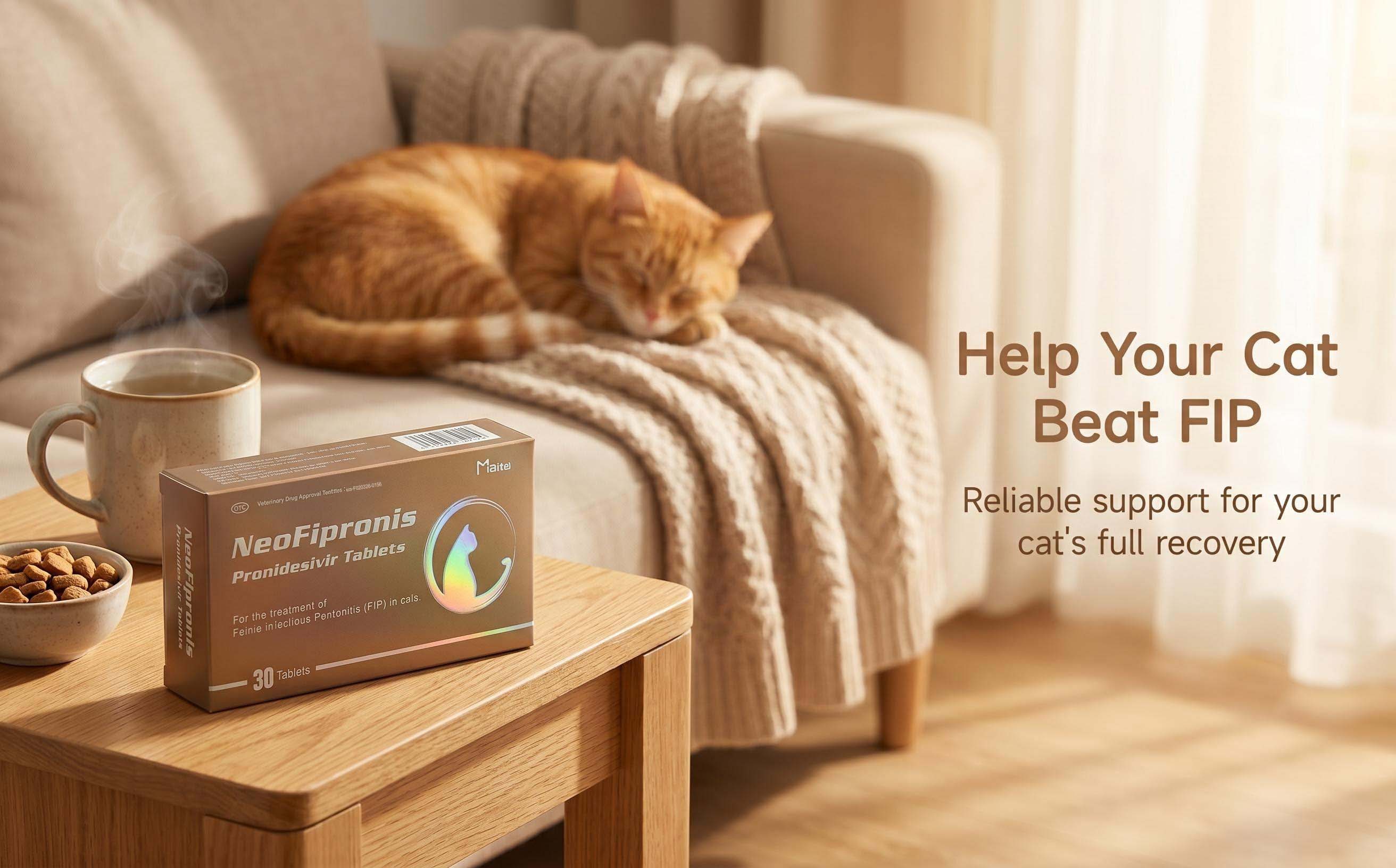
Despite promising results, legal and regulatory hurdles exist. GS-441524 has not achieved broad FDA approval for veterinary use in the United States, causing many cat owners to seek black market sources from overseas.
Some veterinary clinics may prescribe remdesivir (a related drug) under certain circumstances. Owners should consult their local veterinarian to discuss risks, side effects, and legal issues before administering any treatment.
The situation is evolving, with growing attention from advocacy organizations seeking to expand legal access for U.S. pet owners.
Alternative Therapies and Supportive Care
Not every cat with FIP qualifies for GS-441524. Supportive and alternative therapies remain important, especially when antiviral drugs are unavailable.
Good hydration, appetite stimulants, and immune modulators can temporarily improve quality of life.
Some veterinarians use corticosteroids like prednisolone to reduce inflammation, though these merely delay progression.
Other experimental drugs, such as GC376 (a protease inhibitor), have shown benefit in limited field trials. Ongoing research into new compounds, immune therapies, and individualized protocols reflects optimism in the veterinary community.
Cost and Accessibility: What Can Owners Expect?
Financial considerations play a major role in treatment decisions. GS-441524 therapy can cost between $2,000 - $8,000 depending on the size of the cat, length of treatment, and drug sourcing.
Underground sources of antivirals may offer lower prices, but carry risks of inaccurate dosing and questionable quality.
Pet insurance coverage is limited, but some plans may reimburse portions of costs if the drugs are administered under veterinary supervision.
Many online support groups and crowdfunding platforms (GoFundMe, social media) have helped families afford life-saving therapy.
Quality of Life: Recovery and Long-Term Outcomes
Follow-up studies suggest remarkable recovery in many FIP cats treated with antivirals.
Within weeks, appetite, energy, and normal body weight often return.
The majority of survivors experience a full return to normal health, with relapses rare if therapy is carried out properly.
Many FIP survivors live for years with no recurring symptoms.
Long-term monitoring is still advised, especially in cases where neurological or ocular symptoms were present.
Early Detection: Why Awareness Matters
Timely detection can be life-saving.
Know the warning signs: persistent fever, loss of appetite, abdominal swelling, jaundice, and lethargy.
Routine veterinary visits—especially for young kittens or multi-cat households—red flag any changes in behavior or appearance.
Research suggests cats with strong immune systems, good genetics, and low-stress environments may be less likely to develop FIP after coronavirus exposure.
The Role of Veterinary Researchers and Online Communities
Much of the recent hope comes through collaboration. Facebook communities such as “FIP Warriors” and websites like “Zen By Cat” offer peer support, fundraising, and up-to-date info on treatment protocols and supplier safety.
Veterinary researchers continue hosting educational webinars, FAQ sessions, and telemedicine consults, guiding local veterinarians in treatment and diagnosis.
This combination of science and community engagement has shifted the landscape from isolation and discouragement to optimism.
Prevention Strategies: Minimizing FIP Risk
Strategies to reduce FIP risk include strict hygiene, minimizing overcrowding, testing breeding cats for coronavirus, and providing high-quality nutrition.
While vaccines against feline coronavirus exist, they are not widely used and offer limited protection against FIP strains in the real world.
Responsible breeding, early socialization, and rapid attention to illness in shelters continue to reduce the prevalence of FIP in the United States.
Future Directions: Gene Therapy, Vaccines, and New Drugs
Emerging research focuses on new generations of antivirals, gene editing techniques, and improved tests for differentiating coronavirus strains.
International collaborations are underway to produce FDA-approved products specifically for cat owners, with ongoing clinical trials across North America and Europe.
Gene therapy and tailored immune modulation could eventually allow for pre-emptive protection of high-risk cats.
Navigating Hope and Uncertainty
For cat owners grappling with a potential FIP diagnosis, the current climate offers more options and optimism than ever before.
Breakthrough antiviral therapies—though not yet universally accessible—are saving lives, restoring families, and inspiring new research into feline infectious diseases.
The collective efforts of veterinarians, researchers, and activists are changing the narrative, proving there is meaningful hope for cats diagnosed with FIP.
References
1. Pedersen, N.C., et al. (2019). "Efficacy and safety of the nucleoside analog GS-441524 for treatment of cats with naturally occurring feline infectious peritonitis." Journal of Feline Medicine and Surgery, 21(4), 271–281.
2. Addie, D.D., et al. (2020). "Feline coronavirus infection." In: Greene, C.E., _Infectious Diseases of the Dog and Cat_ (5th Edition), Elsevier Saunders, pp. 300-315.
3. Krentz, D., Friedl, A., et al. (2021). "Therapeutic efficacy of remdesivir in cats with effusive feline infectious peritonitis." Veterinary Medicine and Science, 7(3), 1019-1026.
4. FIP Warriors [Website]. Available: https://www.fipwarriors.com/
5. ZenByCat [Website]. Available: https://www.zenbycat.org/
6. American Association of Feline Practitioners. "Feline Infectious Peritonitis (FIP)." Available: https://catfriendly.com/fip/
7. Felten, S., et al. (2017). "Diagnosis and management of feline infectious peritonitis." Veterinary Clinics: Small Animal Practice, 47(5), 1187-1207.
8. Food and Drug Administration (FDA). "Animal Drugs @ FDA: Remdesivir." Available: https://www.accessdata.fda.gov/
9. Norris, J.M., et al. (2022). "Review of current research and challenges with feline infectious peritonitis." Feline Medicine Review, 3(2), 45-59.
10. Sykes, J.E. (2014). "Feline Infectious Peritonitis and Feline Coronavirus Infection." _Canine and Feline Infectious Diseases_, Elsevier Saunders, pp. 102-115.