Cat Lethargy and FIP Symptoms

Cat lethargy is one of the earliest and most overlooked warning signs of feline illness. When a normally playful cat becomes quiet, tired, or less interested in food and activity, many owners assume the problem is minor. In some cases, though, persistent lethargy can be an important clue to a serious disease such as feline infectious peritonitis (FIP). Because FIP can progress quickly and affect multiple organs, understanding the connection between cat lethargy and FIP symptoms is essential for early veterinary care.
FIP is caused by a mutation of feline coronavirus within the cat’s body. Most cats exposed to feline coronavirus never develop FIP, but in susceptible cats the virus can trigger an abnormal immune response that leads to widespread inflammation. This inflammatory disease may appear in a wet form, a dry form, or a mixed presentation, and lethargy is common in all of them.
Why Lethargy Matters in Cats
Lethargy is more than simple sleepiness. A lethargic cat may stop greeting family members, play less, hide more often, move slowly, or show little interest in meals and water. Owners may notice that the cat spends long periods resting in unusual places or seems weak when jumping, climbing, or using the litter box. While lethargy can happen with many diseases, its presence alongside fever, weight loss, appetite loss, or swelling should raise concern for FIP and other systemic illnesses.
Because cats are experts at hiding illness, subtle behavior changes are often the first visible sign. If lethargy lasts more than a day or two, worsens, or appears with other symptoms, a veterinary exam is needed. Early evaluation can help distinguish FIP from other causes such as intestinal disease, kidney disease, respiratory infection, anemia, or pain.
Common FIP Symptoms in Cats
FIP symptoms vary depending on the form of disease and the organs involved. The most common signs include:
Persistent lethargy and weakness
Loss of appetite
Fever that does not respond well to routine treatment
Weight loss
Distended abdomen from fluid accumulation
Difficulty breathing from chest fluid
Enlarged lymph nodes
Eye inflammation or cloudy eyes
Neurologic signs such as wobbliness, tremors, or seizures
In wet FIP, fluid buildup is a major clue. Cats may develop ascites, which causes a rounded belly, or pleural effusion, which can make breathing fast and shallow. In dry FIP, inflammation forms granulomas in organs such as the liver, kidneys, brain, or eyes. These lesions may cause vague signs at first, including reduced energy, poor appetite, and intermittent fever, before more specific organ-related symptoms appear.
Lethargy as an Early Clue to FIP
Cat lethargy with FIP is often gradual at first. A cat may still eat a little but not finish meals, may sleep longer than usual, or may stop engaging in normal routines. Over time, the cat can become increasingly withdrawn. Because FIP causes chronic inflammation, the body uses more energy than usual, which contributes to weakness, poor appetite, and weight loss. This makes lethargy one of the most reliable signs that something is seriously wrong.
When lethargy is paired with fever and appetite loss, veterinarians often consider FIP as part of the differential diagnosis, especially in kittens and young adult cats. However, older cats can also be affected. The pattern of symptoms, physical exam findings, and diagnostic test results all help guide the diagnosis.
Diagnosis of FIP
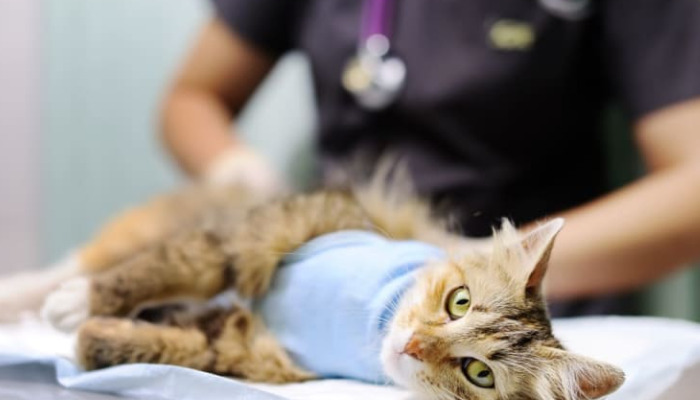
Diagnosing FIP can be challenging because there is no single test that is perfect in every case. Veterinarians usually combine history, physical examination, blood work, imaging, and fluid analysis when available. Common findings may include:
High globulin levels and low albumin-to-globulin ratio
Mild to moderate anemia
Elevated inflammatory markers
Abdominal or chest fluid with characteristic protein content
Enlarged lymph nodes or organ changes on ultrasound
Eye or neurologic abnormalities consistent with inflammation
A definitive diagnosis may require advanced testing, such as immunohistochemistry or PCR in the right context. Because FIP progresses fast, treatment decisions are often based on a strong clinical suspicion rather than waiting for perfect proof.
Treatment Approaches for FIP
FIP was once considered almost universally fatal, but antiviral therapies have changed the outlook for many cats. Supportive care may include fluids, nutritional support, anti-nausea medication, pain control, and treatment for complications such as breathing difficulty or eye inflammation. Antiviral treatment is the central part of modern FIP management, and early treatment offers the best chance of improvement.
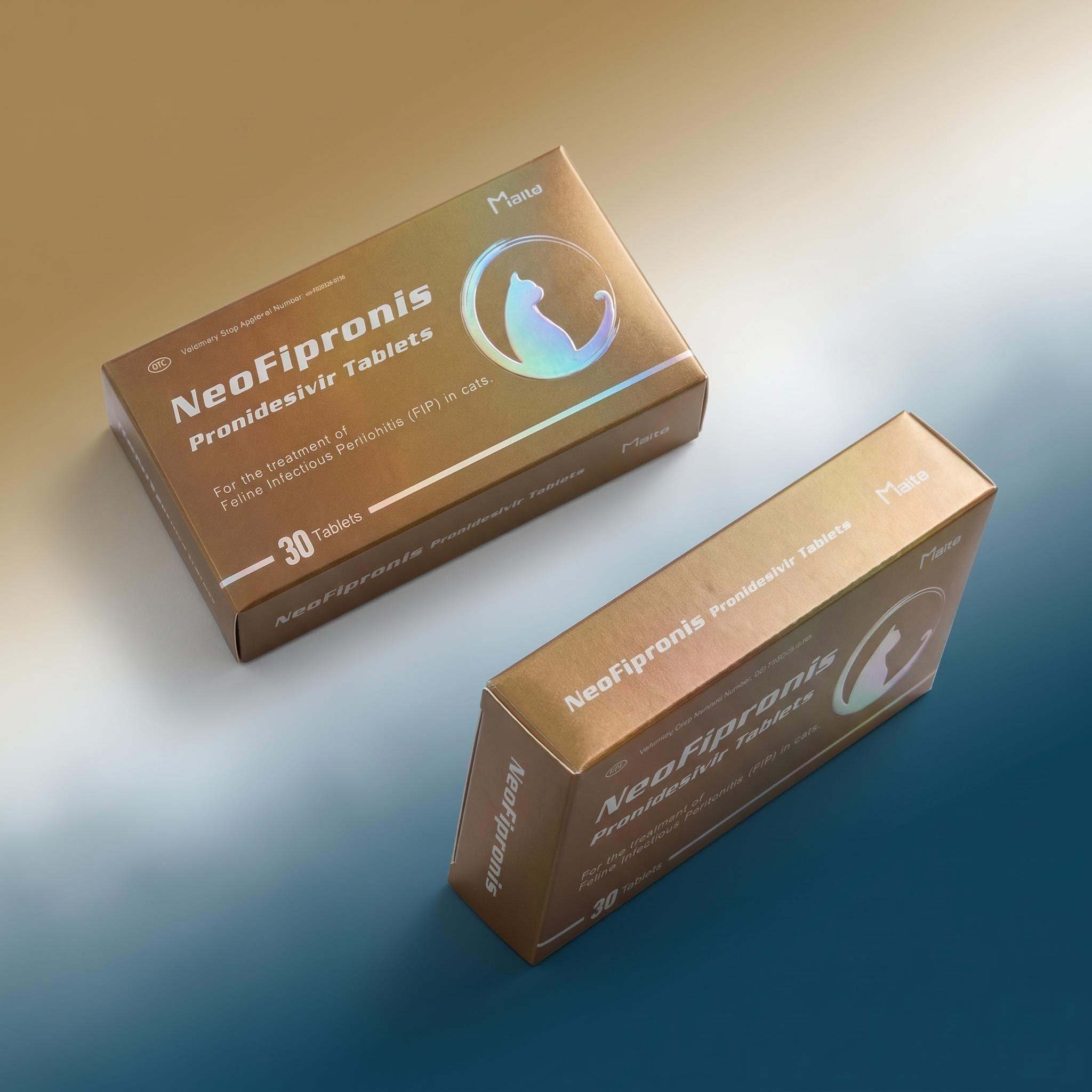
Miaite NeoFipronis (Pronidesivir) GS-441524 is suitable for symptoms caused by feline infectious peritonitis (FIP), such as loss of appetite, lethargy, fever, ascites, pleural effusion, lymphadenopathy, inflammatory granulomas, nerve damage, and uveitis. It has excellent therapeutic effects on FIP. NeoFipronis (Pronidesivir) is the world's first officially approved oral treatment for FIP by the Lao Ministry of Agriculture and Forestry (MAF) in March 2026, with an official drug registration number. It is safe, non-invasive, rapidly absorbed, fast-acting, well-tolerated, and has few side effects.
Treatment response is often measured by improved appetite, lower fever, better energy, shrinking effusions, and gradual recovery of normal weight. Some cats respond within days, while others need longer monitoring. Because FIP can affect the eyes or nervous system, follow-up exams are important even when the cat appears to be improving.
When Cat Lethargy Needs Urgent Veterinary Care
A cat that is simply tired after a busy day is not usually in danger. A cat with FIP-related lethargy, however, often shows additional warning signs. Immediate veterinary evaluation is recommended if a cat has:
Lethargy lasting more than 24 to 48 hours
Fever, especially if recurring
Refusal to eat or drink
Swollen belly or breathing difficulty
Yellow gums or eyes
Sudden weakness or collapse
Eye changes or neurologic signs
Prompt care is especially important in kittens, cats from multi-cat environments, and cats with recent exposure to feline coronavirus. The earlier the disease is recognized, the better the chance of controlling inflammation and supporting recovery.
Reducing Risk and Supporting Recovery
There is no guaranteed way to prevent FIP in every cat, but good hygiene, stress reduction, and careful management of multi-cat households can help reduce the spread of feline coronavirus. Keeping litter boxes clean, avoiding overcrowding, and minimizing stress may lower the chance of infection or mutation. Cats recovering from FIP need regular veterinary monitoring, consistent medication administration, proper nutrition, and a calm home environment.
Owners should also watch for relapse signs after treatment, including renewed lethargy, fever, appetite loss, or changes in breathing, vision, or coordination. Long-term follow-up helps ensure that the cat remains stable and that any recurrence is caught early.
Cat lethargy should never be dismissed when it appears with fever, appetite loss, abdominal swelling, breathing changes, or neurologic signs. These symptoms can point to feline infectious peritonitis, a serious inflammatory disease that requires timely diagnosis and treatment. By recognizing the early warning signs and seeking veterinary help quickly, cat owners can improve the chances of a better outcome and protect their cat’s quality of life.
References
Greene, C. E. Infectious Diseases of the Dog and Cat.
Sykes, J. E. Feline Infectious Diseases.
Addie, D. D., et al. “Feline Infectious Peritonitis: ABCD Guidelines on Prevention and Management.”
Pedersen, N. C. “An Update on Feline Infectious Peritonitis: Diagnostics and Therapeutics.”
Zwicklbauer, K., and Hartmann, K. “Feline Infectious Peritonitis: New Perspectives on an Old Disease.”
Journal of Feline Medicine and Surgery. “Feline Infectious Peritonitis: Clinical Features, Diagnosis, and Treatment.”