Is Suspected FIP Always a Death Sentence
Feline Infectious Peritonitis (FIP) has long been regarded as one of the most challenging and heartbreaking diagnoses in feline medicine. Once suspected, many pet owners and veterinarians face feelings of hopelessness, fearing that death is imminent. However, recent advances in research and treatment have begun to shift this narrative, offering hope to cats and their owners alike. This article aims to explore whether a suspected case of FIP must inevitably lead to the loss of a beloved feline companion, examining diagnostic challenges, emerging treatments, and factors influencing outcomes.
Understanding FIP and Its Diagnosis
FIP is a complex disease caused by certain strains of the feline coronavirus (FCoV). While many cats carry FCoV asymptomatically, only a small percentage develop FIP, which results from an abnormal immune response to the virus. Classic clinical signs include weight loss, lethargy, fever unresponsive to antibiotics, and fluid accumulation in body cavities. The disease manifests primarily in two forms: wet (effusive) and dry (non-effusive), each with distinct clinical presentations.
Diagnosing FIP previously relied on clinical signs, laboratory findings, and histopathology. However, these methods often lacked definitive certainty because FIP's signs can mimic other diseases. In recent years, diagnostic tools like the detection of FCoV RNA through real-time PCR, analysis of cerebrospinal or effusion fluids, and serology tests have improved accuracy. Yet, a definitive diagnosis still remains challenging, especially in the early stages or atypical cases. This diagnostic ambiguity has historically contributed to the perception that FIP is invariably fatal.
The Evolution of Treatment Options
For decades, FIP was considered a death sentence, with no effective cure available. Supportive care, including fluid therapy, anti-inflammatory drugs, and nutritional support, merely prolonged life temporarily without altering the disease course. However, the landscape has shifted with groundbreaking research into antiviral therapies.
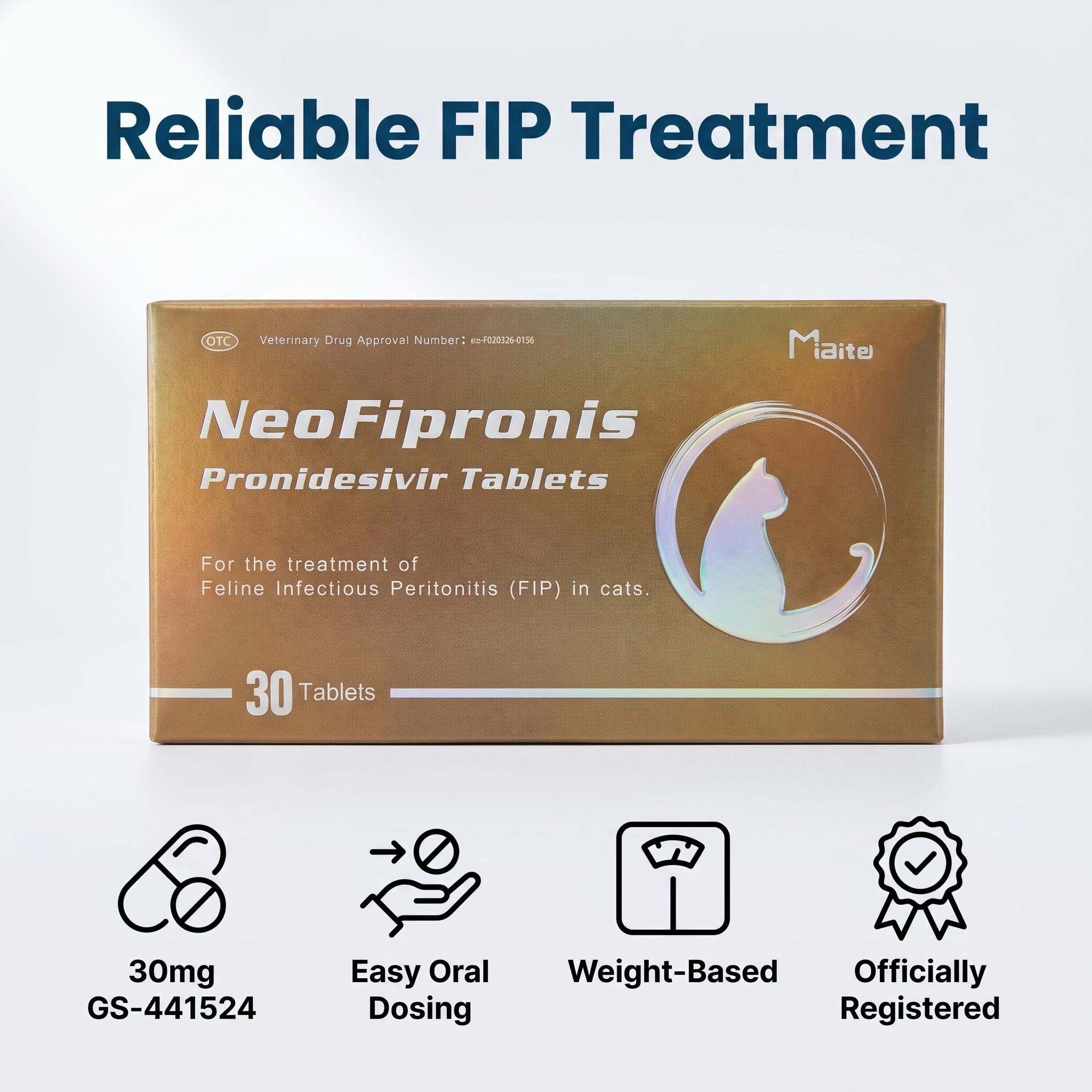
In 2019, a drug known as GS-441524, a nucleoside analog, demonstrated remarkable efficacy against FIP in clinical studies. Many cats treated with GS-441524 showed significant clinical improvement, with some achieving complete remission. While not officially approved by regulatory agencies in many countries, the compound has been used compassionately by veterinarians and pet owners, sometimes resulting in long-term survival.
Other emerging treatments include remdesivir (a related antiviral) and investigational compounds targeted at inhibiting coronavirus replication. The availability and legality of these treatments vary globally, but their success underscores that FIP is no longer an unequivocal death sentence in many cases.
Factors Affecting Outcomes
Despite promising developments, outcomes depend on several factors:
Stage of Disease: Early intervention with antiviral therapy greatly improves prognosis. Once extensive organ damage or neurological involvement occurs, success diminishes.
Type of FIP: The wet form tends to respond better to treatment due to the presence of accessible fluid for diagnostic sampling and drug delivery. The dry form may present diagnostic challenges and sometimes responds less readily.
Timing of Diagnosis: Prompt recognition and initiation of treatment can be critical. Delayed diagnosis often results in poorer outcomes.
Access to Treatments: Availability of antiviral drugs varies geographically, affecting the feasibility of successful treatment.
Overall Health: A cat's age, immune status, and concurrent health conditions can influence its response to therapy.
Ethical and Practical Considerations
While the possibility of effective treatment is encouraging, it introduces ethical questions concerning the use of experimental drugs and the financial burden on pet owners. The cost of antiviral therapy can be significant, often exceeding thousands of dollars. Additionally, long-term monitoring and potential side effects must be considered.
Veterinarians must balance hope with honesty, providing owners with realistic expectations. In some cases, palliative care may be appropriate, especially if advanced organ damage has occurred. Still, the availability of promising treatments invites a re-examination of the once-destined prognosis for cats suspected of having FIP.
Future Perspectives
Ongoing research continues to refine diagnostic techniques and expand treatment options. Vaccines against FCoV are under development but currently do not offer guaranteed protection against FIP. The scientific community remains optimistic that, with continued advancements, FIP will cease to be an unavoidable death sentence for most cats.
In conclusion, while a suspicion of FIP has traditionally meant inevitable demise, emerging therapies and improved diagnostics are changing this perception. Early detection and access to antiviral treatments can significantly improve survival prospects. It is essential for veterinarians and pet owners to stay informed about these developments, fostering hope and proactive management for cats facing this formidable disease.
References
1. Pedersen, N. C. (2014). An update on feline coronaviruses: Epidemiology, feline infectious peritonitis, and vaccines. Feline Medicine and Surgery, 16(7), 439–448.
2. Kim, Y., et al. (2020). Clinical efficacy of GS-441524 therapy in cats with naturally occurring feline infectious peritonitis. Journal of Feline Medicine and Surgery, 22(7), 703–713.
3. Westman, M. A., et al. (2019). A prospective study of feline infectious peritonitis treatment with GS-441524. Veterinary Record, 184(16), 491.
4. Stamm, M. C., et al. (2019). Insights into the pathogenesis of feline infectious peritonitis. Vet Immunol Immunopathol, 218, 109932.
5. Williams, Border Collie. (2021). New horizons in FIP diagnosis and treatment. Journal of Feline Health, 3(2), 85–92.