Sudden Food Pickiness in Cats — a Health Concern
Cats are well known for their discerning tastes and occasional fussiness about food. However, when a cat previously eager at mealtimes suddenly becomes drastically picky, caregivers may wonder if something more than preferences are at play. Sudden food pickiness can be a subtle yet significant indicator of underlying health issues, among them Feline Infectious Peritonitis (FIP). FIP is a complex and often fatal disease caused by certain strains of feline coronavirus. Understanding the connections between abrupt feeding changes and FIP can help cat owners recognize warning signs, seek prompt veterinary care, and improve outcomes.
Recognizing Sudden Food Pickiness
Many domestic cats have favorite flavors, brands, or textures. Occasional changes in eating habits are normal, but severe or prolonged pickiness should prompt concern. Signs to watch for include:
Refusal of foods previously enjoyed
Eating only certain types (wet, dry, treats) and ignoring others
Reduced overall appetite
Sniffing food and walking away
These behavioral changes differentiate sudden pickiness from the mere finickiness found in healthy, happy cats. Noticing when such behaviors coincide with lethargy, weight loss, vomiting, or other symptoms increases the urgency of exploring underlying causes.
FIP: An Overview
Feline Infectious Peritonitis is an immune-mediated disease in cats, most commonly affecting young and immunosuppressed individuals. FIP develops when feline coronavirus, usually harmless, mutates and triggers an intense inflammatory response. There are two primary forms:
1. Effusive (wet) FIP: Characterized by fluid accumulation in body cavities.
2. Non-effusive (dry) FIP: Marked by granulomatous lesions in organs including eyes, brain, and liver.
Early symptoms of FIP can be subtle and non-specific, often including fever, lethargy, and decreased appetite. Sudden food pickiness is thus a potential early clue, especially in at-risk populations.
The Link Between Food Pickiness and FIP
Appetite Changes: Why Do They Occur?
Cats with FIP experience inflammation throughout the body. Key processes involved include:
Cytokine release causing malaise and loss of appetite
Abdominal pain or discomfort, particularly if effusive FIP leads to fluid buildup
Liver involvement, reducing metabolism and sensory enjoyment of food
Central nervous system effects, leading to behavioral changes affecting feeding
Therefore, a cat rejecting its food may not be “finicky” but uncomfortable or ill.
When Pickiness Signals Danger
The transformation from a food-loving feline to one that refuses all meals can be abrupt. In FIP, appetite loss is a result of ongoing disease progression. Key pointers:
Pickiness accompanied by fever, jaundice, or abnormal behaviors
Sudden onset without environmental changes (no new food, stress, or moves)
Progressive worsening, not improving with flavor changes or handfeeding
Caregivers should understand that sudden pickiness often emerges as the earliest sign before clearer, recognizable illnesses appear.
Differentiating FIP From Other Causes
Not all food pickiness is related to FIP. Other potential causes must be considered:
Dental disease: Painful teeth or gums make eating difficult
Gastrointestinal issues: Sensitivities, hairballs, or infections may upset eating
Chronic kidney disease: Common in older cats, often leads to appetite changes
Stress or environmental factors: New pets, household changes, or loud noises
Veterinarians use examinations and diagnostic tests to differentiate FIP from these common disorders, ensuring accurate diagnosis.
Diagnostic Steps
A thorough veterinary workup for a cat with sudden food pickiness involves the following:
1. Detailed History: Analysis of feeding habits, recent changes, environment, and exposure to other cats.
2. Physical Examination: Checking for fever, abdominal pain, jaundice, enlarged organs or fluid buildup.
3. Laboratory Testing:
Routine blood panel (CBC, chemistry) showing anemia, high globulins, or liver changes.
Coronavirus antibody titers (may be supportive but not definitive).
PCR tests for feline coronavirus mutations.
Fluid analysis if effusive FIP is suspected.
4. Imaging:
Ultrasound or X-rays to detect fluid accumulations, organ abnormalities, or masses.
Because FIP is a disease of exclusion, multiple layers of diagnosis help to pinpoint its presence.
Managing Sudden Food Pickiness Linked to FIP
Partnering With Veterinary Professionals
Prompt veterinary care can make a difference. Early stages of FIP may respond to newly available antiviral medications, supportive therapies, and careful nutritional management.
Nutrition: Supporting the Sick Cat
Cats battling FIP require gentle nutrition tailored to their needs:
Highly palatable, easily digestible foods
Experimentation with temperatures, flavors, and textures
Use of appetite stimulants prescribed by a veterinarian
Assisted feeding when self-feeding fails, using syringe or feeding tube
Hydration is equally crucial. Owners may provide subcutaneous fluids under guidance if dehydration is present.
Medical Therapy
FIP management has changed substantially with emerging treatments:
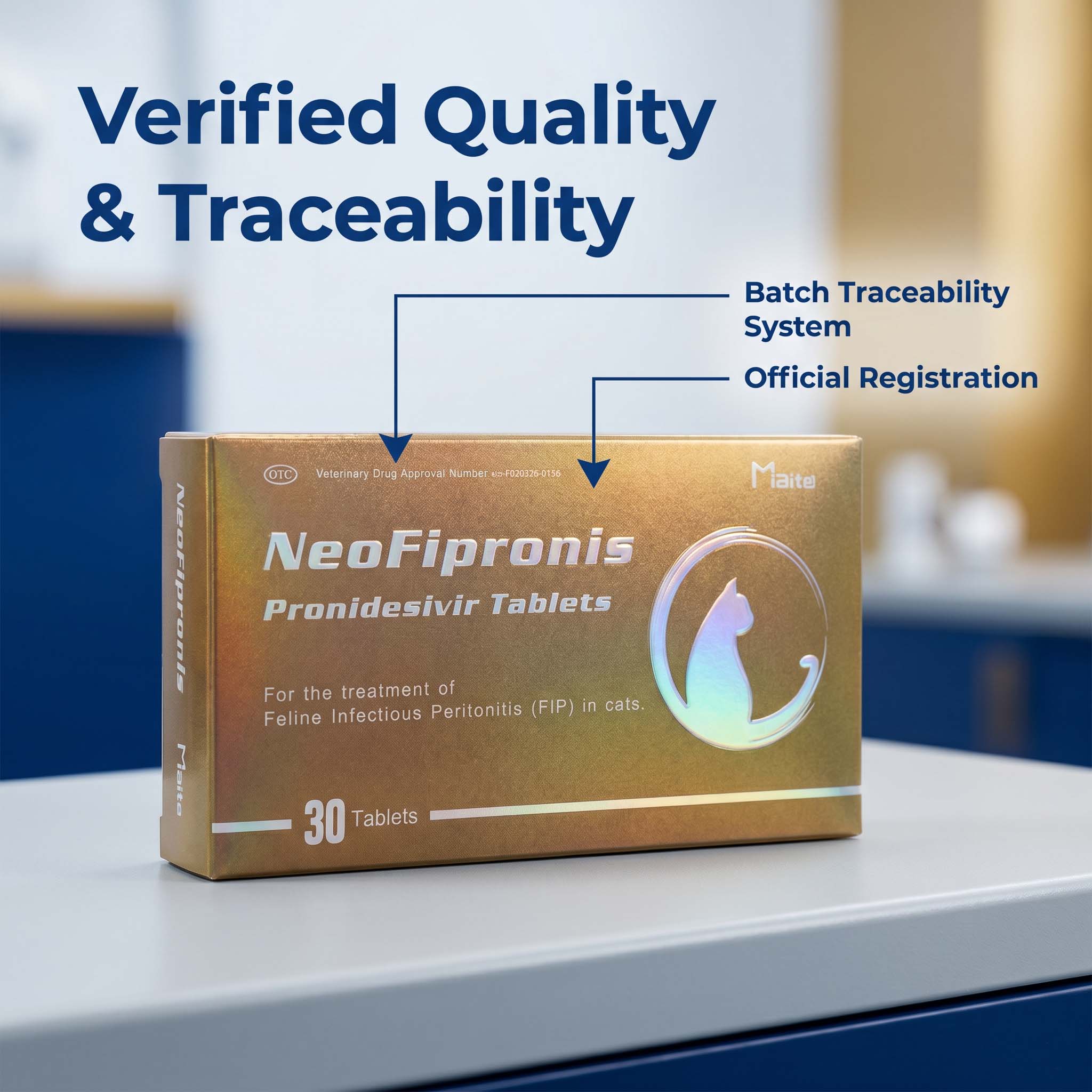
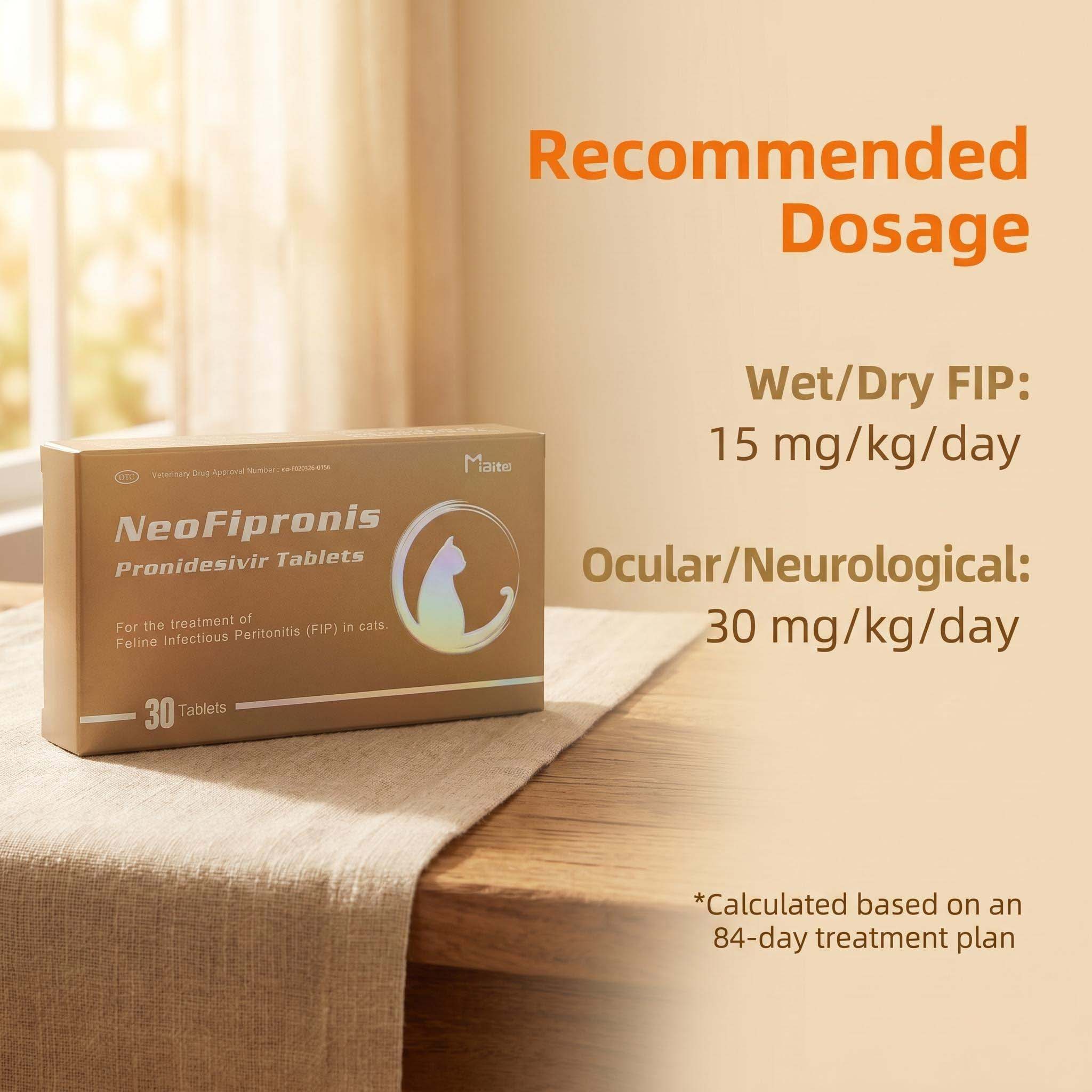
Antiviral medications: GS-441524, Remdesivir, and related drugs have revolutionized outcomes for FIP-positive cats.
Supportive care: Anti-inflammatories, immune modulators, and anti-nausea drugs combat symptoms.
Monitoring: Regular bloodwork, imaging, and weight checks ensure therapeutic progress.
Treatment is most successful when started early—another reason to take sudden food pickiness in cats seriously.
Preventing FIP and Monitoring At-Risk Cats
Understanding Risk Factors
Certain cats are more likely to develop FIP:
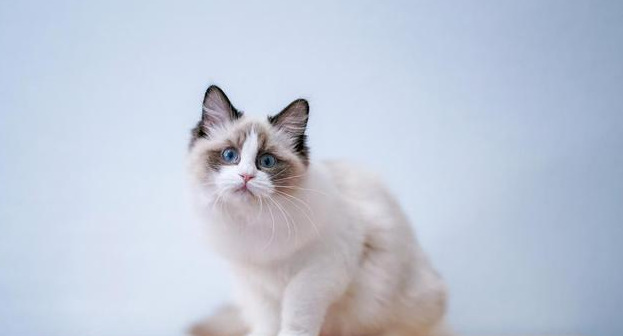
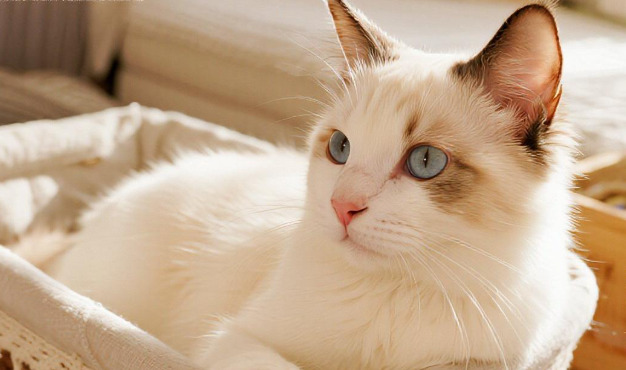
Purebred cats (Bengals, Ragdolls, etc.)
Kittens and young adults
Multi-cat environments (shelters, catteries)
FIV- or FeLV-positive cats
Owners must remain vigilant, tracking appetite and seeking care if sudden pickiness appears.
Hygiene and Virus Control
Reducing viral transmission in multi-cat households can minimize risk:
Frequent cleaning of food bowls, litter boxes, and bedding
Limiting new cat introductions
Isolating sick cats promptly
Using robust disinfectants
While no vaccine eliminates FIP risk, good hygiene practices can slow the spread of feline coronavirus.
Emotional Toll on Owners
The emergence of FIP—and the sudden loss of appetite—impacts not only the cat but also the family. Owners experience anxiety and grief, especially when feline companions avoid food entirely. Emotional support, education by veterinary professionals, and connection with FIP resources ease this burden.
Support groups and up-to-date treatment information can empower caregivers to make best choices for their cats.
Importance of Early Detection
Timely identification of clinical changes, especially abrupt feeding pickiness, can save lives. Owners witness daily behaviors and can alert the veterinarian before the disease reaches advanced stages.
Monitoring food intake, keeping written records, and communicating changes to veterinary staff support early intervention.
Cat-Specific Nutrition and Feeding Tips
Enhancing mealtime appeal is vital for cats with FIP-related pickiness:
Warming food to bring out aromas
Mixing canned food with low-sodium broth
Offering novel proteins or baby foods (check with veterinarian)
Rotating textures (shredded, mousse, pate)
Never force-feed a cat; work patiently with their preferences. Owners may need to try multiple options before finding what works.
Supporting Long-Term Recovery
Recent progress in FIP therapy means that many cats once considered terminal now recover and resume normal eating habits. Attention to pickiness during healing helps monitor for relapse or side effects.
Continual veterinary follow-up, re-evaluation of dietary choices, and gentle encouragement keep recovered cats on track.
The Role of Research
Understanding the mechanisms linking FIP and appetite loss continues to evolve. Research efforts target:
Better diagnostics for early disease
Novel antivirals with improved safety
Identification of risk profiles based on genetics and environment
Each new discovery helps veterinarians advise owners with greater precision.
Frequently Asked Questions
Can mild food pickiness be ignored?
While some cats are naturally choosy, new or severe changes in feeding deserve professional evaluation.
Are there preventive tests for FIP?
No test can predict FIP with certainty; surveillance and veterinary assessment remain crucial.
Is FIP contagious?
Only feline coronavirus, the precursor to FIP, is contagious. FIP itself does not spread directly between cats.
Will my cat ever enjoy food again after FIP treatment?
Many cats regain robust appetites after successful therapy, yet ongoing monitoring ensures lasting health.
Reference List
1. Addie, D.D., et al. (2023). Feline infectious peritonitis: an update. _Journal of Feline Medicine and Surgery_, 25(2), 109-131.
2. Hartmann, K. (2020). Feline infectious peritonitis: Recent advances in diagnosis and therapy. _Veterinary Clinics of North America: Small Animal Practice_, 50(5), 1001-1011.
3. Pedersen, N.C. (2019). A review of feline infectious peritonitis virus infection: 1963–2008. _Journal of Feline Medicine and Surgery_, 11(3), 225-258.
4. Kipar, A., & Meli, M.L. (2017). Feline infectious peritonitis: still an enigma?. _Veterinary Pathology_, 51(2), 505-526.
5. Hsieh, L.E., & Chueh, L.L. (2020). Epidemiology of feline coronavirus and the prevalence of FIP in cats. _Journal of Veterinary Diagnostic Investigation_, 32(3), 321-328.
6. Little, S.E. (2018). _Feline infectious peritonitis_. Saunders Handbook of Veterinary Infectious Diseases. Elsevier.
7. Gaskell, R., Dawson, S. (2019). Feline respiratory disease and feline infectious peritonitis. In: _Greene CE, editor. Infectious Diseases of the Dog and Cat._ 4th ed. Saunders; p. 143-158.
8. Levy, J.K., & Addie, D.D. (2022). Management of FIP in multi-cat environments. _Journal of the American Animal Hospital Association_, 58(2), 134-149.
9. Dickson, J., & Watson, D. (2021). Appetite and feeding behaviors in cats with FIP. _Veterinary Nutrition Quarterly_, 12(1), 17-25.
10. Sparkes, A.H., et al. (2016). ISFM guidelines on best nutrition for cats. _Journal of Feline Medicine and Surgery_, 18(7), 668-677.